S&P Global’s US Manufacturing PMI rose dramatically from 49.8 in July to 53.0 in August (down very marginally from its preliminary print of 53.3) – the strongest in over three years.
So much for the defeatist mentality in the main stream media, Congress and economists!
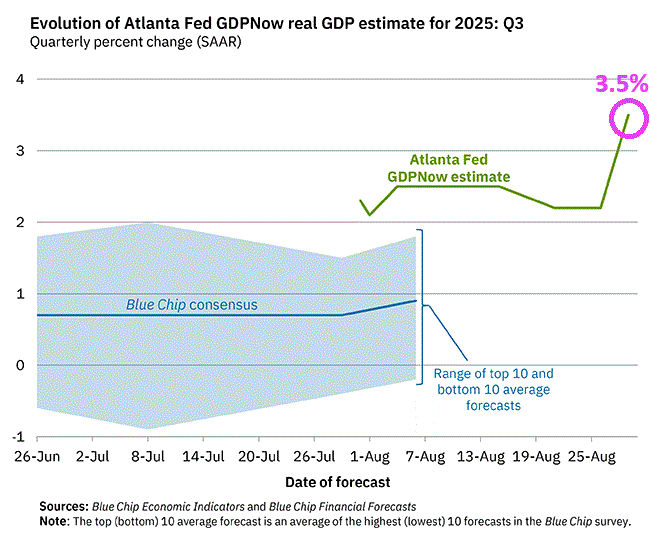
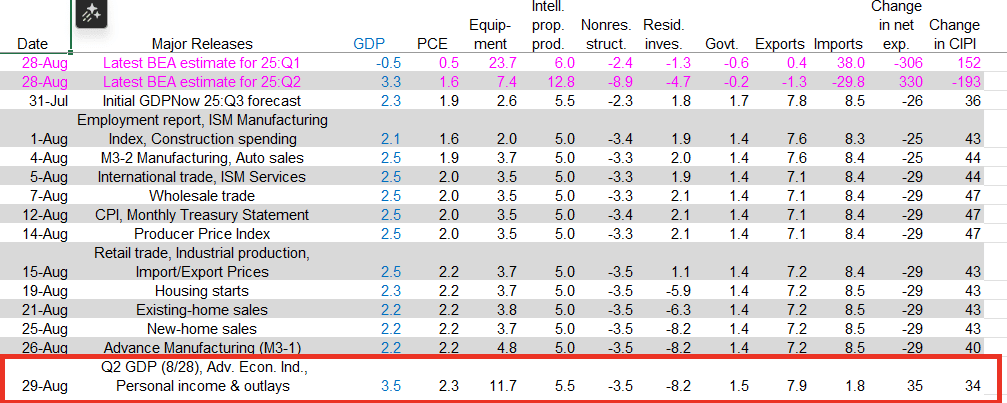
The GDPNow model estimate for real GDP growth (seasonally adjusted annual rate) in the third quarter of 2025 is 3.5 percent on August 29, up from 2.2 percent on August 26. After recent releases from the US Census Bureau and the US Bureau of Economic Analysis, the nowcasts of third-quarter real personal consumption expenditures growth and second-quarter real gross private domestic investment growth increased from 2.2 percent and 4.4 percent, respectively, to 2.3 percent and 6.1 percent, while the nowcast of the contribution of net exports to third-quarter real GDP growth increased from -0.36 percentage points to 0.59 percentage points.
The breakdown? Equipment growth at 11.7 was the standout along with exports at 7.9%.
Residential investment is down -8.2. This isn’t helping!
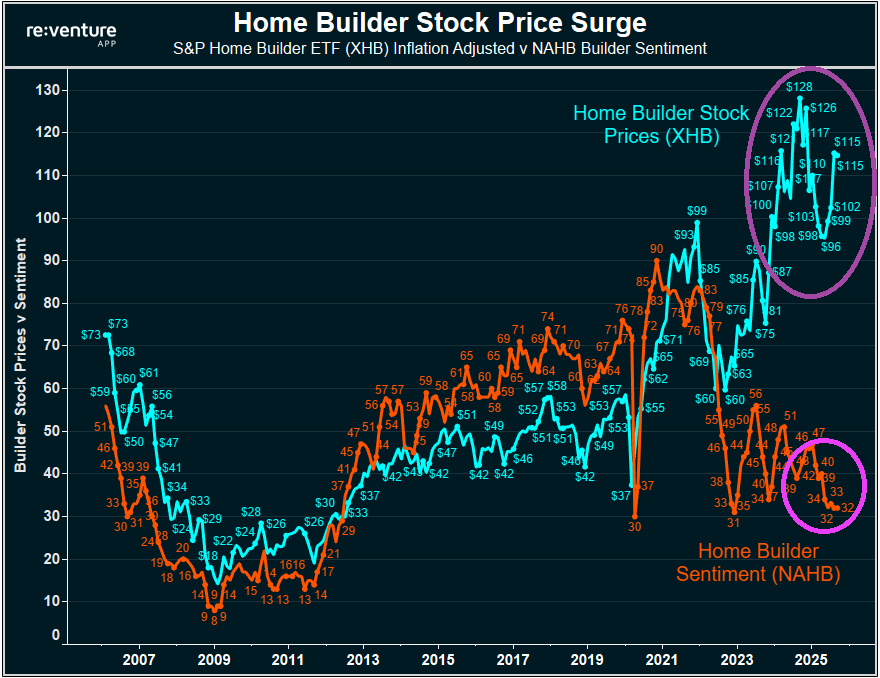
Home builder stock prices have surged, while home builder sentiment has plunged.
Of course, The Fed’s endless money printing isn’t helping the supply side of home building.
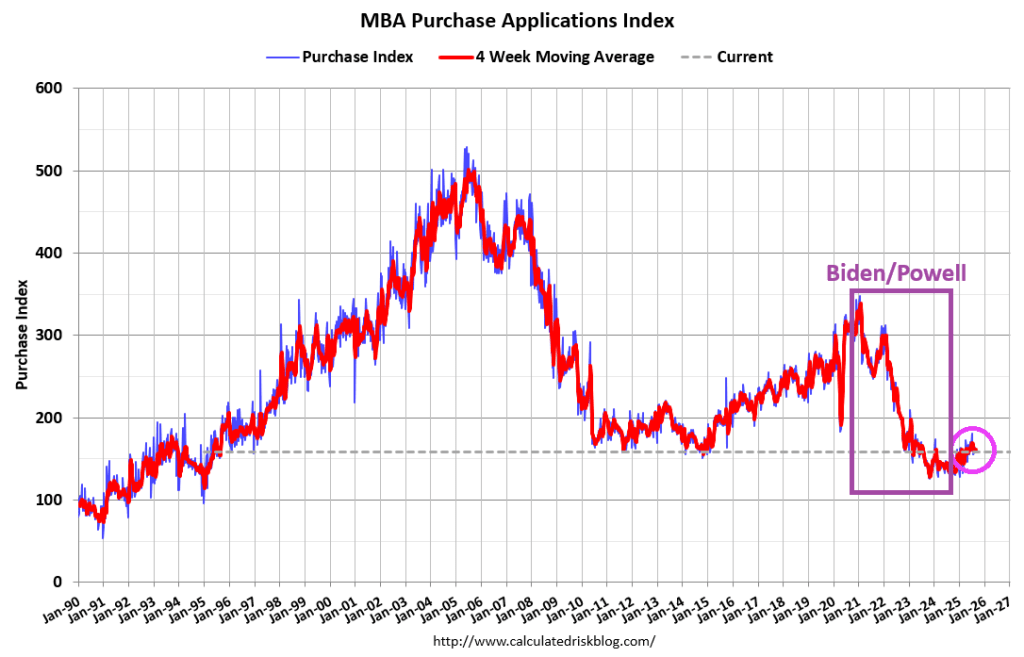
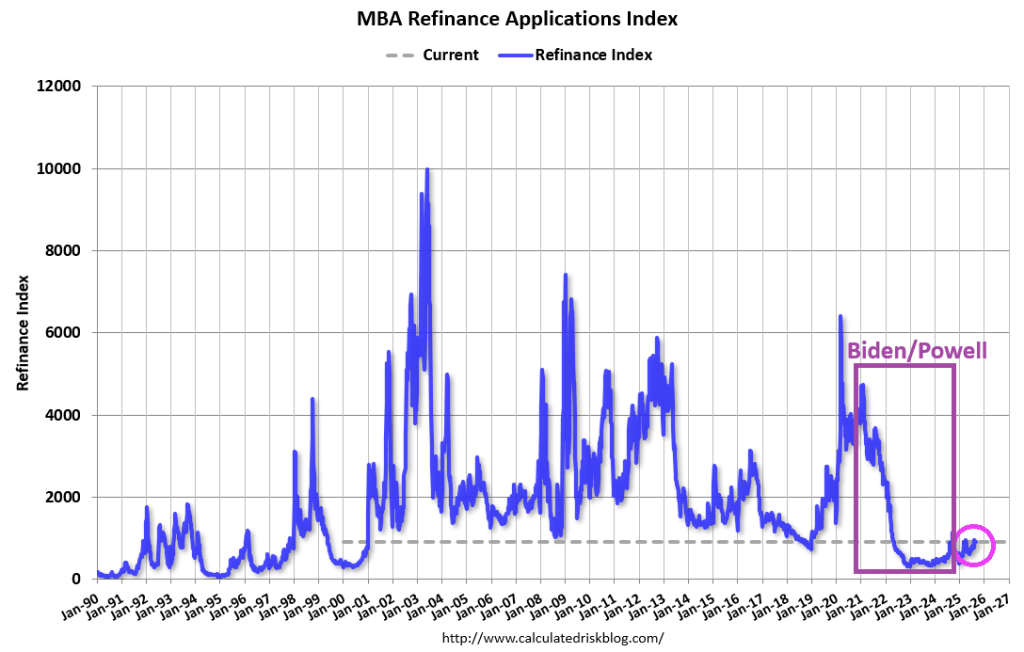
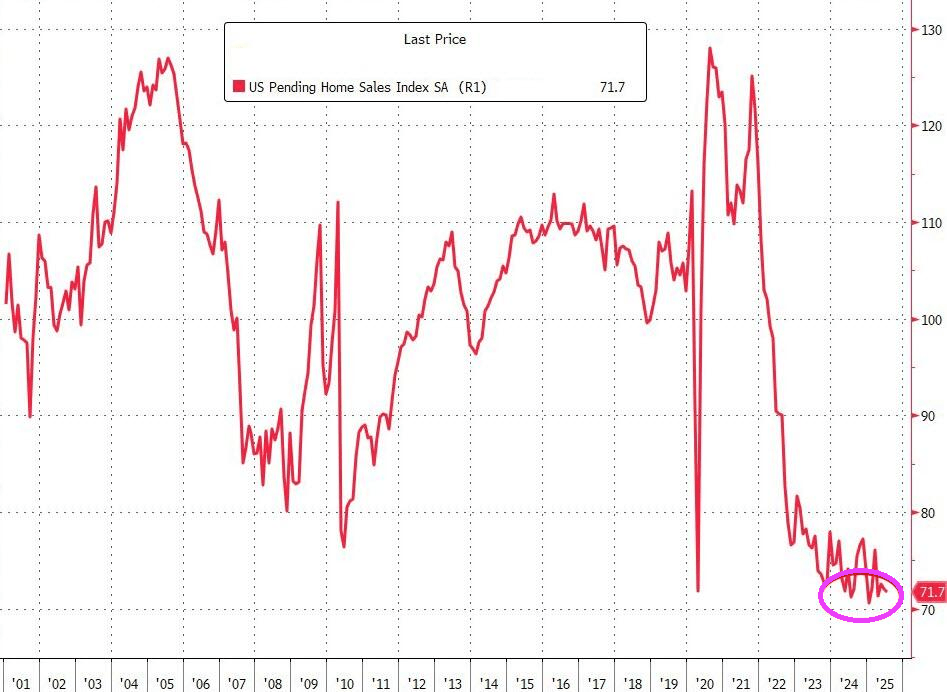
To make matters worse, pending home sales remain in the doldrums.
Federal Reserve Board member Lisa Cook is an embarrasment for committing mortgage fraud, then refusing to step down. And now she has filed a lawsuit against the Trump Administration for wrongful termination. Typical of an Obama appointee!
Home prices in America’s 20 largest cities fell for the 4th straight month in June (the latest data available from S&P CoreLogic’s Case-Shiller data released this morning).
The -0.25% MoM drop was larger than expected and dragged the YoY price growth down to +2.15% – the weakest since July 2023.
Meanwhile The Federal Reserve keeps on printing money, helping to drive up home prices.
,Metro level? New York and Chicago lead, with Phoenix, Miami, Denver, San Diego, Dallas, San Francisco and Tampa all experiencing price declines.
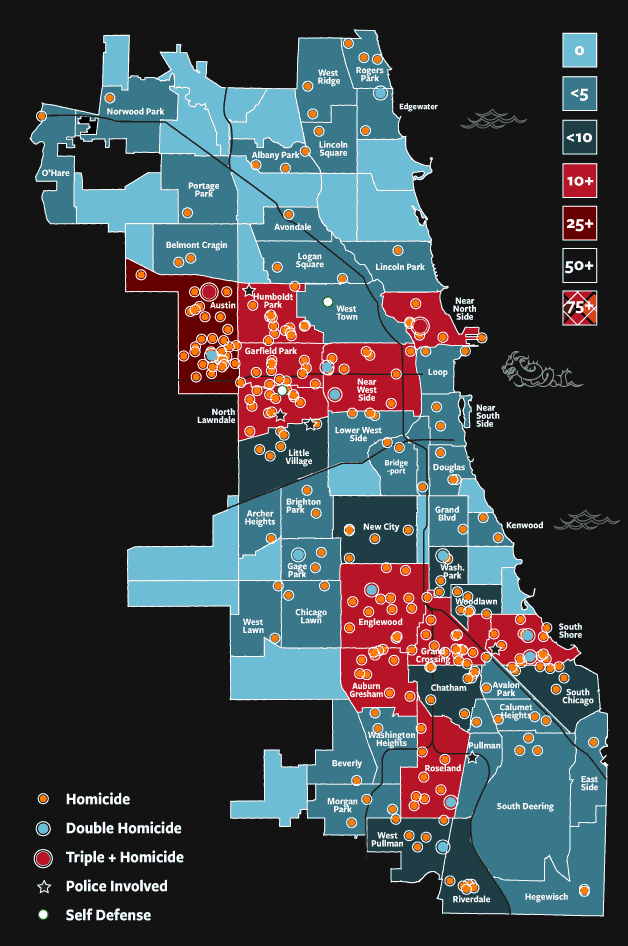
On a side note, Chicago is even more unaffordable than last year. So much for Mayor Brandon Johnson saying there would be no crime if everyone could afford housing (one of the stupidest comments I have ever heard).
According to the US Census Bureau, New Home Sales of new single-family houses in July 2025 were at a seasonally-adjusted annual rate of 652,000, according to estimates released jointly today by the U.S. Census Bureau and the Department of Housing and Urban Development. This is 0.6 percent (±15.5 percent)* below the June 2025 rate of 656,000, and is 8.2 percent (±14.0 percent)* below the July 2024 rate of 710,000.
Median and Average Sales Price
The median sales price of new houses sold in July 2025 was $403,800. This is 0.8 percent (±5.9 percent)* below the June 2025 price of $407,200, and is 5.9 percent (±8.5 percent)* below the July 2024 price of $429,000. The average sales price of new houses sold in July 2025 was $487,300. This is 3.6 percent (±8.0 percent)* below the June 2025 price of $505,300, and is 5.0 percent (±8.6 percent)* below the July 2024 price of $513,200.
Here is a chart of median sales price of new homes against Fed money printing (M2).
The Fed will have to whip it good with rate cuts if the recession warnings are an indicator of what lies ahead for the US economy.
The ratio of The Conference Board’s Leading Economic Indicators (LEI) vs. The Conference Board’s Coincident Economic Index (CEI) ratio hasn’t been this low since 2008.
Fed Funds Futures are signalling rate cuts at the September 17th FOMC meeting and December 10th meetings.
Month-over-month sales increased in the Northeast, South, and West, and fell in the Midwest. Year-over-year, sales rose in the South, Northeast, and Midwest, and fell in the West.
• 2.0% increase in existing-home sales – seasonally adjusted annual rate of 4.01 million in July.
• Year-over-year: 0.8% increase in existing-home sales
Median existing-home price for all housing types, up 0.2% from one year ago ($421,400) – the 25th consecutive month of year-over-year price increases.
It will be hard to make housing more affordable as long as The Fed keeps printing money.
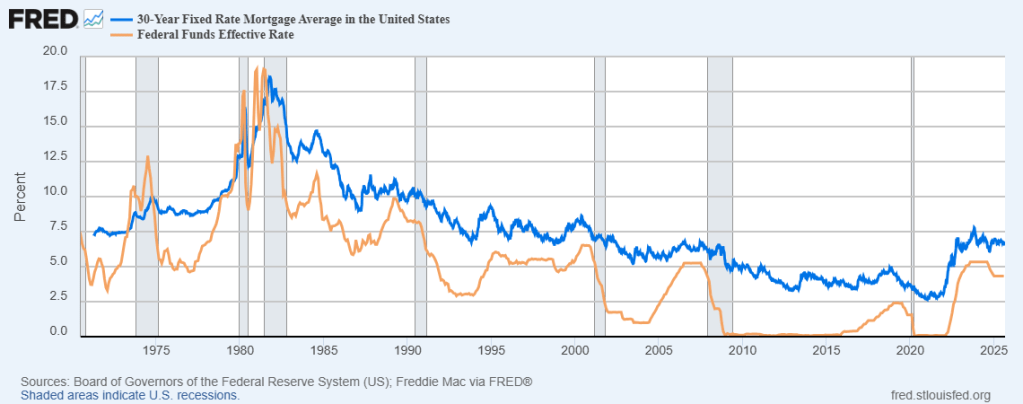
Powell et al cutting rates 25 basis points won’t really matter as long as they continue to print money. Unfortunately, M2 VELOCITY peaked under the Clinton Administration and has declined since despite frantic money printing.
What happended in 1995? Clinton’s National Homeownership Strategy that mandated HUD partners (GNMA, FHA, Fannie Mae, Freddie Mac, banks, etc.) to lower credit standards to encourage homeownership.
We need FHFA Director Bill Pulte to avoid doing what Democrats love (everything free or cheap).
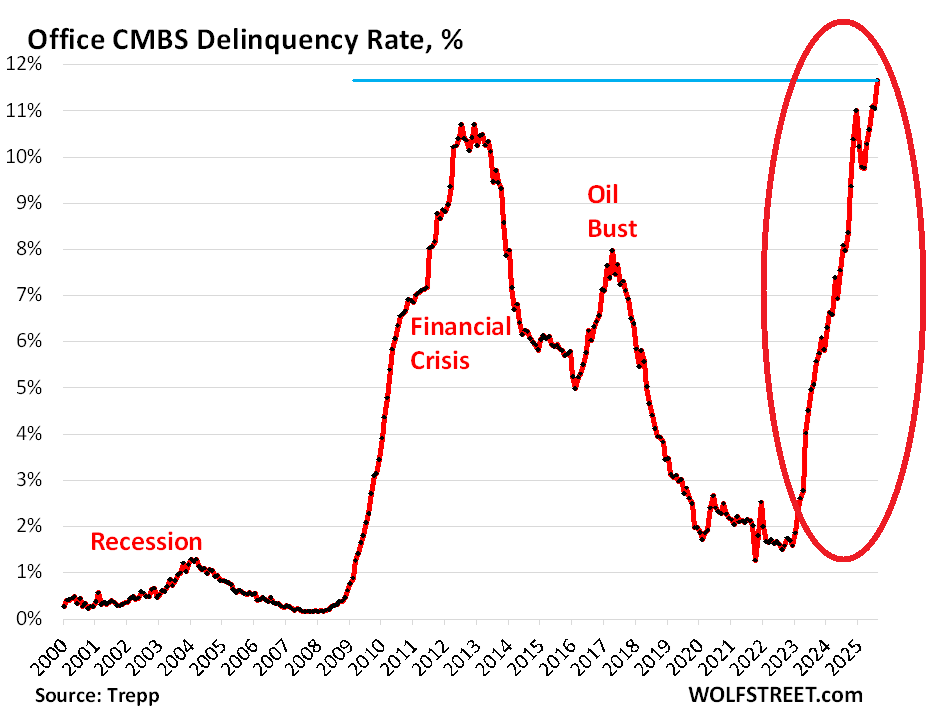
The US housing market is a changeling, going from a mega glut during the financial crisis to a tight market, then back to a glut … again. In fact, there are 511,000 new homes for sales in the US, the highest inventory since the financial crisis.
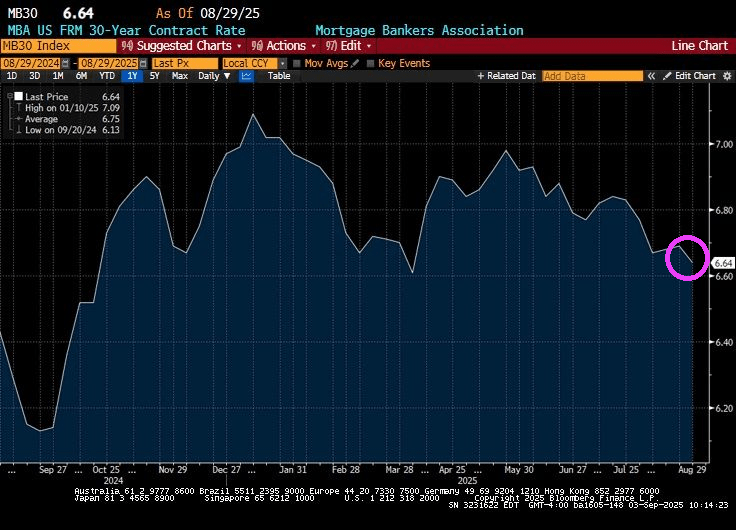
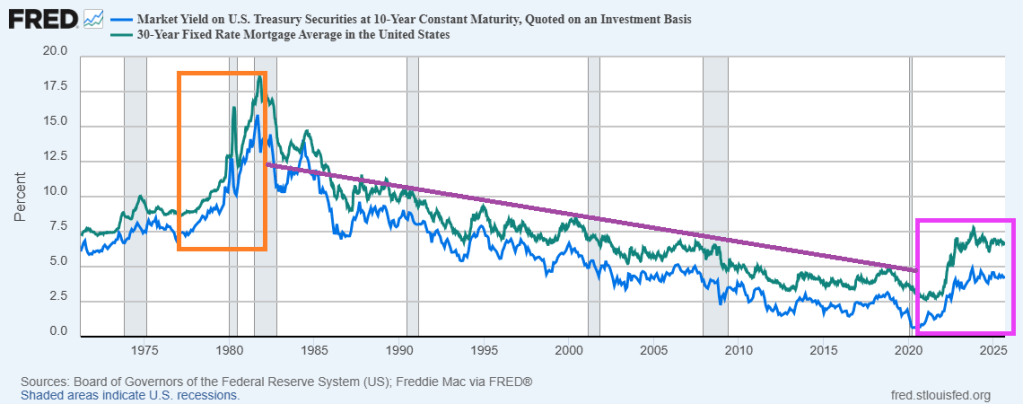
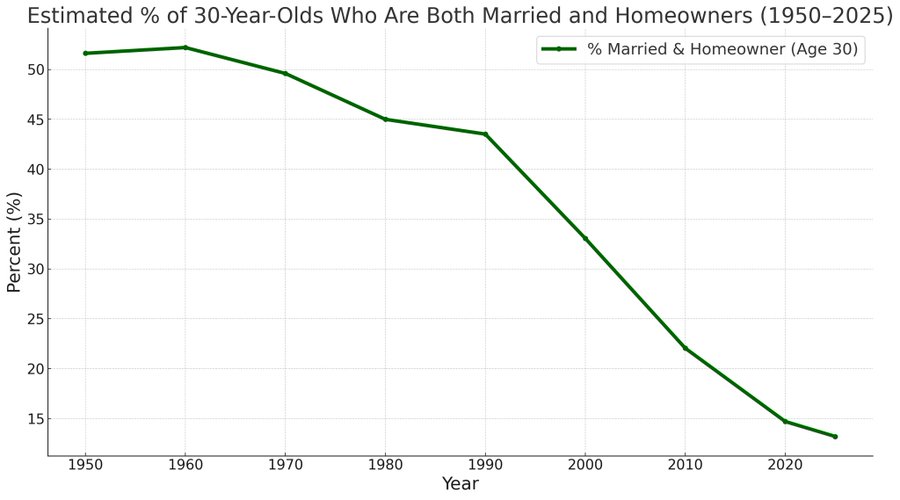
Combine all-time high home prices with RELATIVELY high mortgages, and we have an affordability crisis once again.
While we have the most new homes for sales since 2007, mortgage rates are about the same as in 2007 (orange line). But home prices are 87.5% higher today than in 2007!
When government gets involved, what could go wrong?
The GDPNow model estimate for real GDP growth (seasonally adjusted annual rate) in the third quarter of 2025 is 2.5 percent on August 7, unchanged from August 5 after rounding. After this morning’s wholesale trade report from the US Census Bureau, the nowcast of the contribution of inventory investment to third-quarter real GDP growth increased from 0.76 percentage points to 0.82 percentage points.
Federal spending, elevated with the outbreak of Covid in 2020 remains higher than pre-Covid levels as does M2 Money printing.
You must be logged in to post a comment.