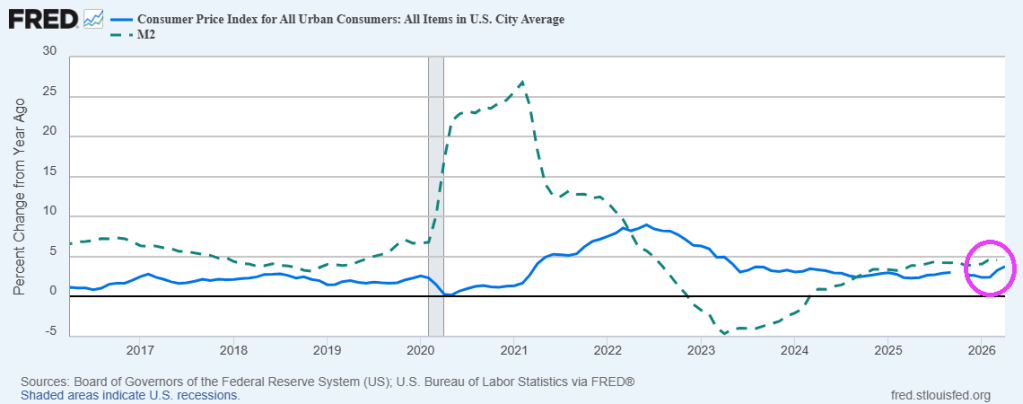
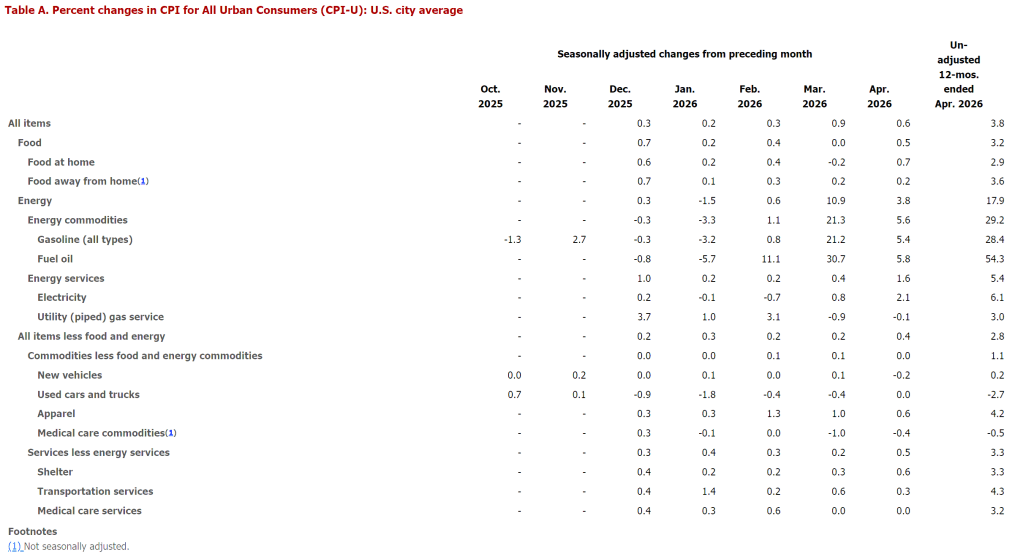
Consumer prices rose 3.8% annually in April, the highest since May 2023, but … Fed printed M2 at 4.6% annually in March

The inflation numbers are out for April. Consumer prices rose 3.8% annually, higher than The Fed’s target rate of 2%.

To be fair, The Federal Reserve pumped up the money supply (M2) by 4.6% in March.

According to the BLS, gasoline prices rose 28.4% annually in April while shelter rose 3.3% annually.

Do the Federal Reserve dance!

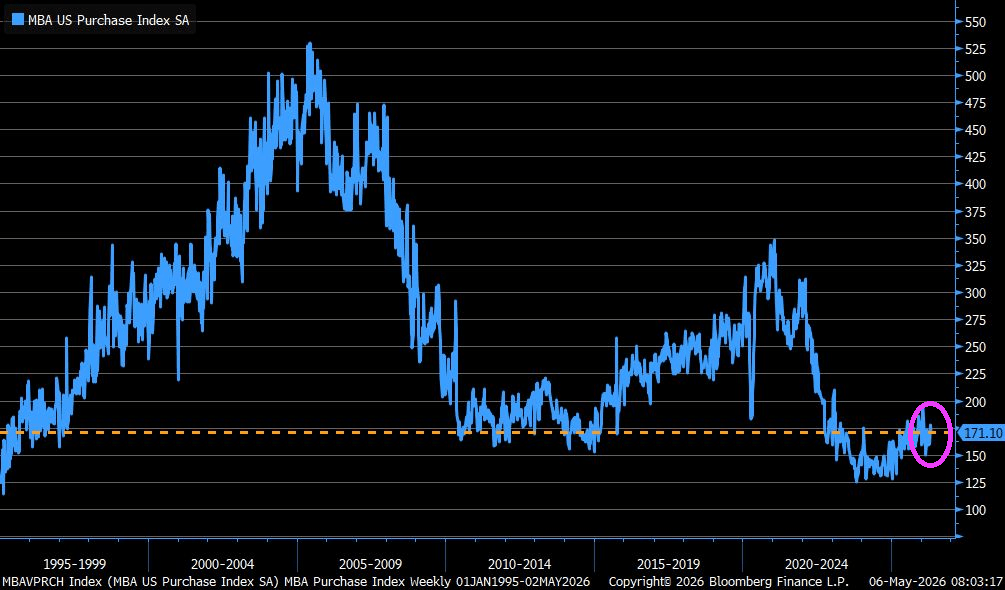
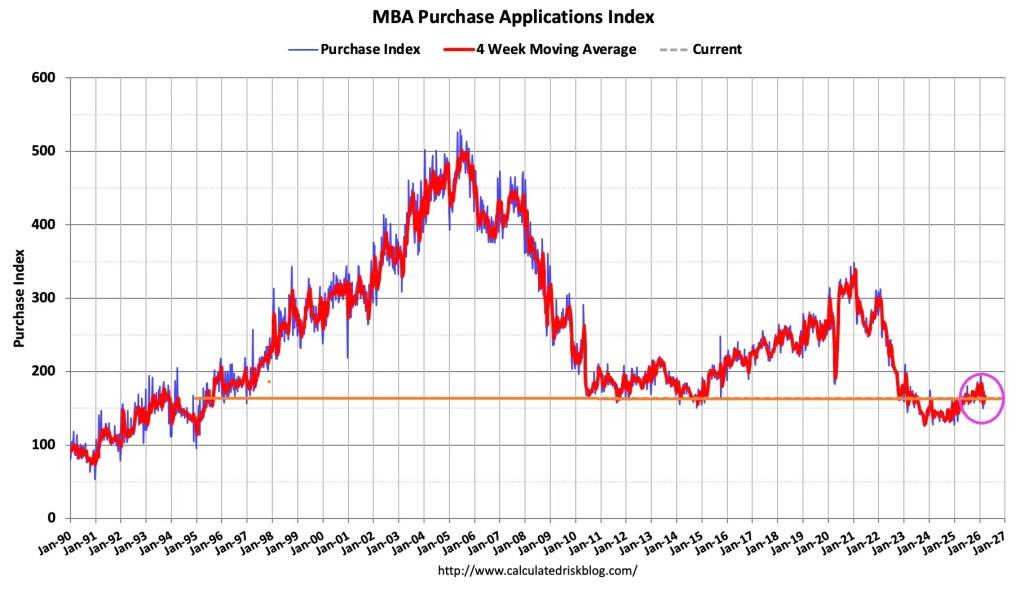
MBA Mortgage Purchase Application Down -3.7% As Mortgage Rates Rise

MBA Mortgage Purchase Index down -3.7% over the past week after climbing +1.2% in prior week…30y mortgage rate rose to +6.45% up from +6.37% and highest in a month.

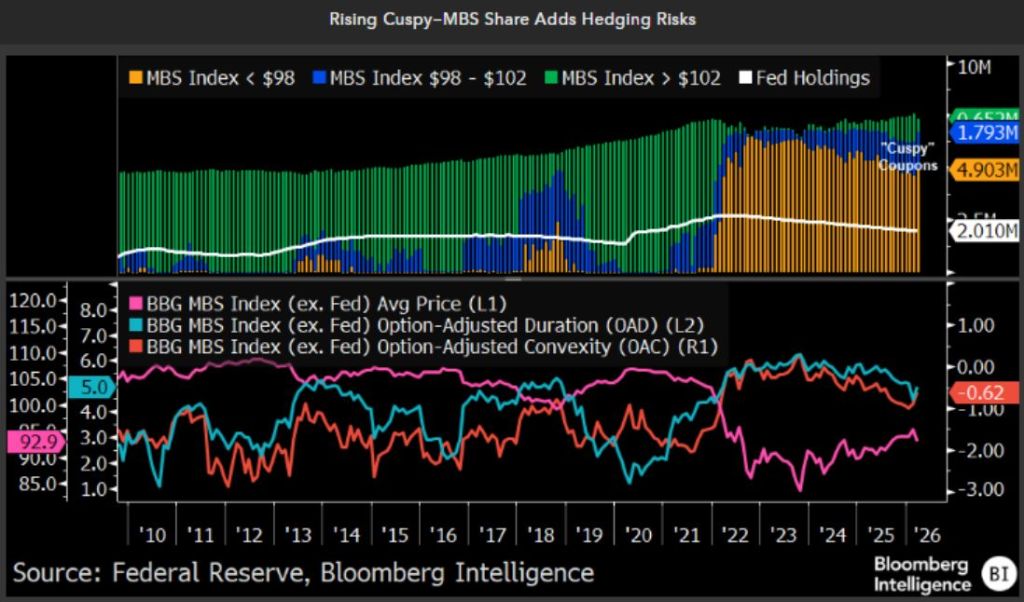
With the Federal government playing an outsized role in the housing and mortgage markets, the Federal goverment is like an enormous Mantis Shrimp.

New Home Sales Rise In March Despite Rising Mortgage Rates

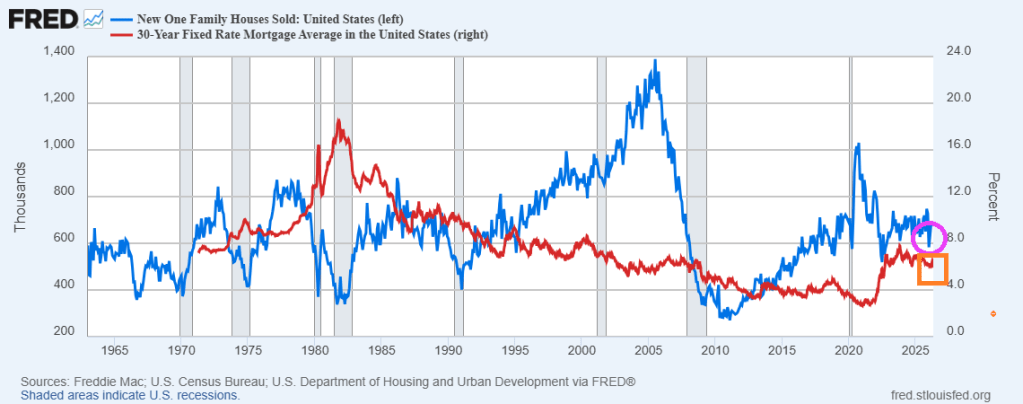
High home prices show signs of cooling, mortgage rates remain fairly constant, while new home sales increase by 47k in March. Despite rising mortgage rates.

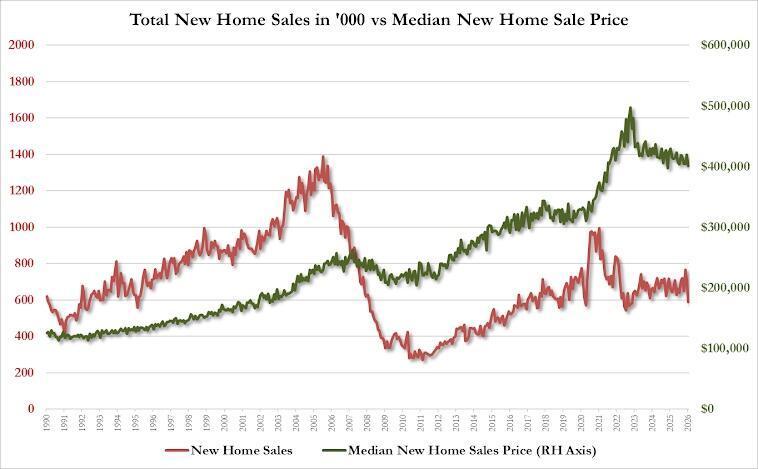
The bigger picture? New home sales remain relatively depressed after the Covid outbreak in 2020.

March Existing Home Sales MEDIAN PRICE Falls -6.2%YoY, Worst March Since 2009 (Rent Growth Slowing To 1.8% YoY)

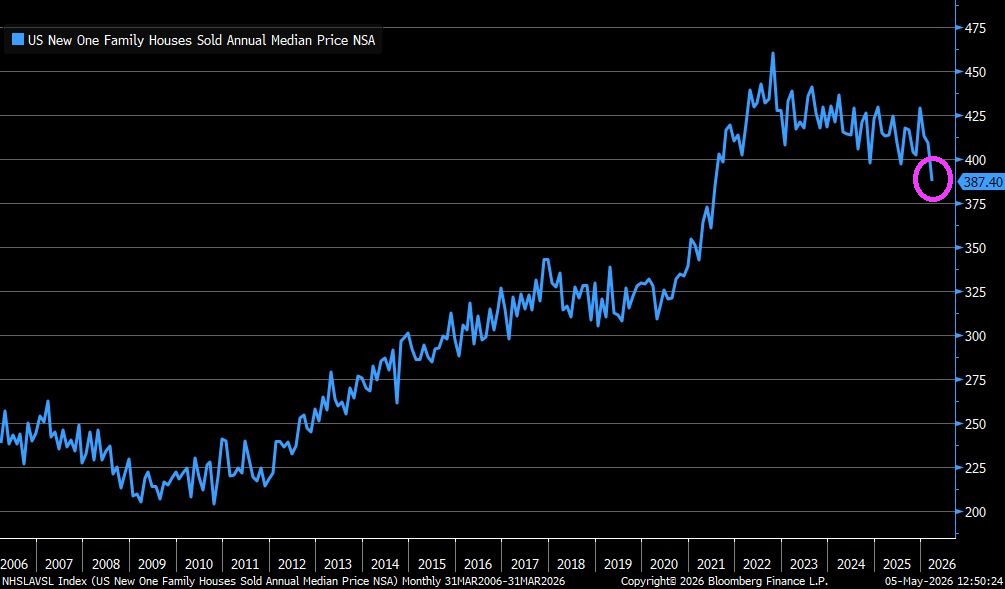
Median price for new single family homes fell to $387,400 in April, dropping 6.2% y/y to its lowest level since July 2021.

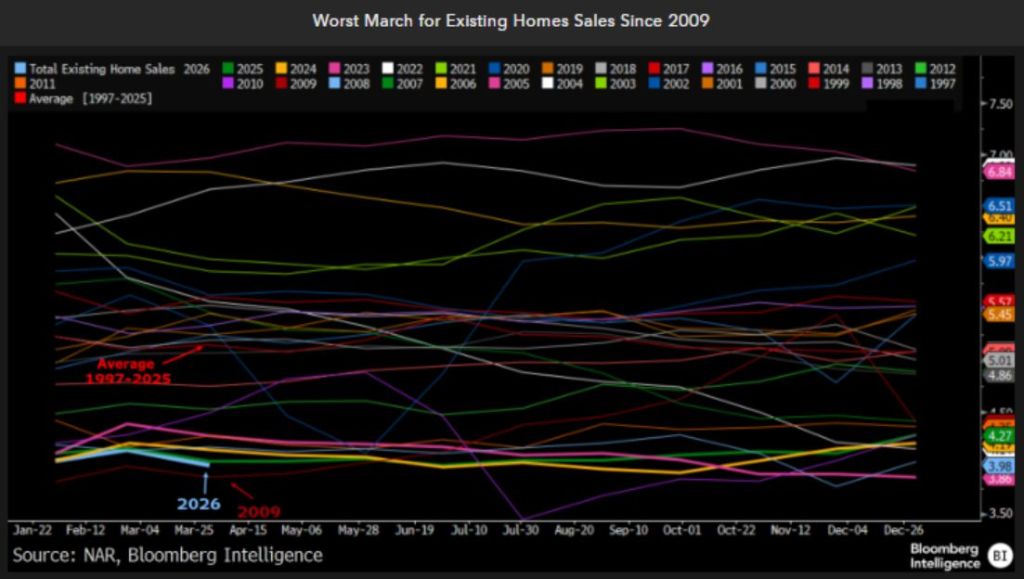
Worst March for existing home sales since 2009.

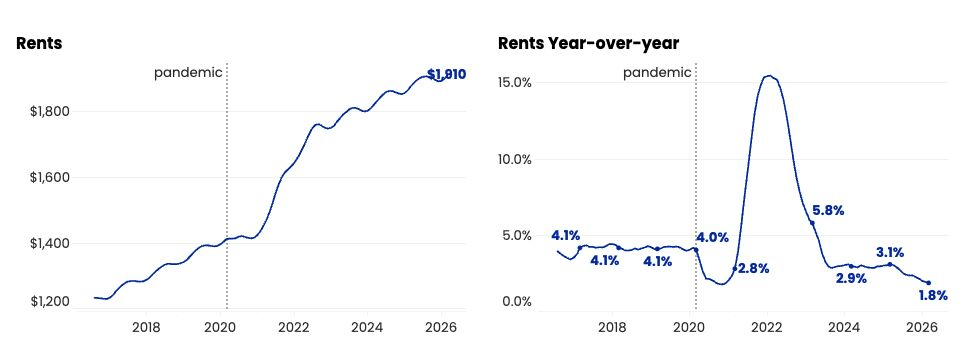
Rents? Lowest since pre-pandemic.

Is Rosa DeLauro actually Moe Howard with purple hair??

Housing Permits Fall To 7 Month Low, Fed Keeps Rates Unchanged, 2Y Treasury Yield Jumps 10 BPS (Ill Gov JB Pritzker Approves Psychedelic Gerrymandered Map)

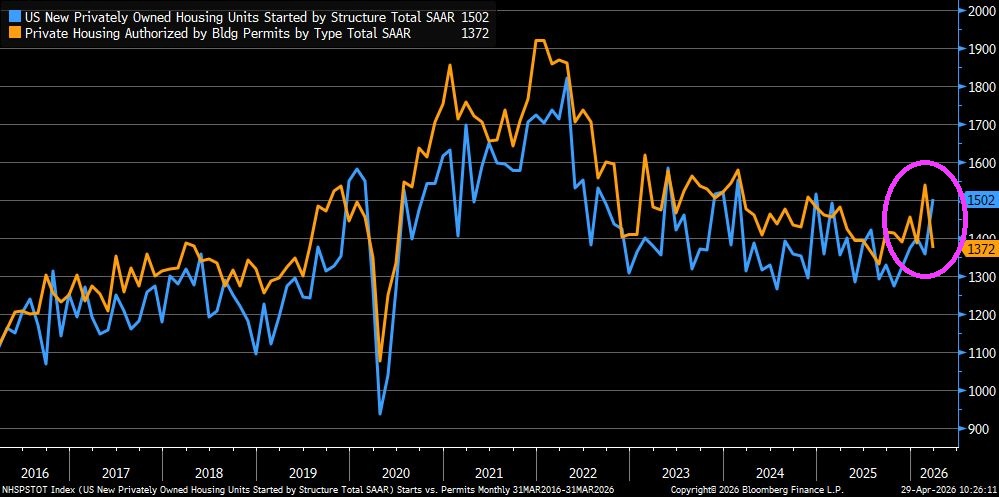
March housing starts hit their highest level since December 2024 but permits fell sharply to a seven-month low.

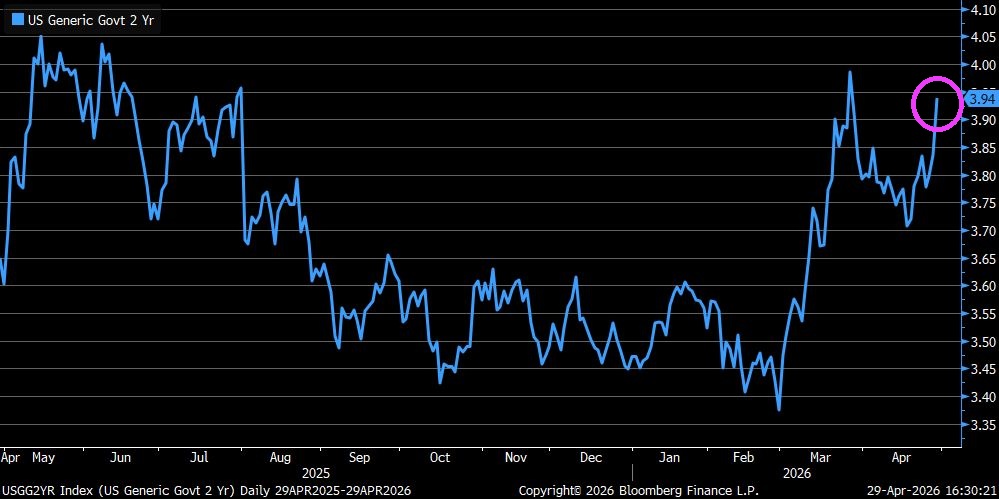
Yesterday’s Fed meeting left interest rates unchanged but 2y Treasury yield jumped 10bps to 3.94%.

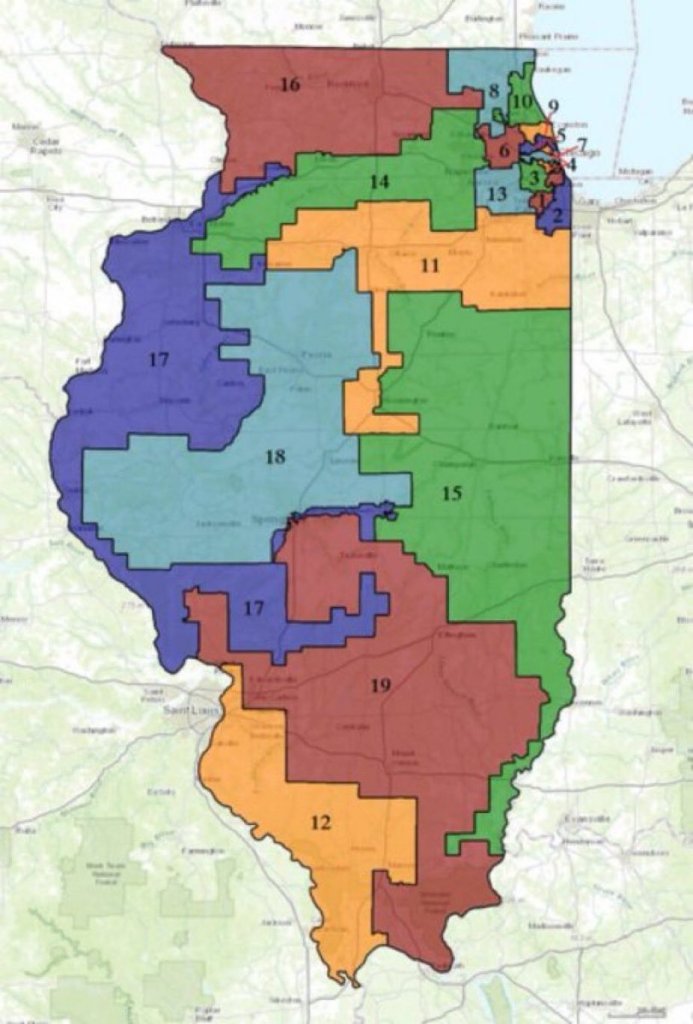
Here is the Illinois Congressional map that Ill Governor JB Pritzker approved. Almost looks like a psychedelic map of R Crumb.

It almost looks like artist R Crumb drew the Congressional map of Illinois.

40% More Home Sellers Than Buyers (Credit Quality Of Mortgages Deteriorating)

For all the cheerleaders for housing markets, I hate to be the contrast voice.

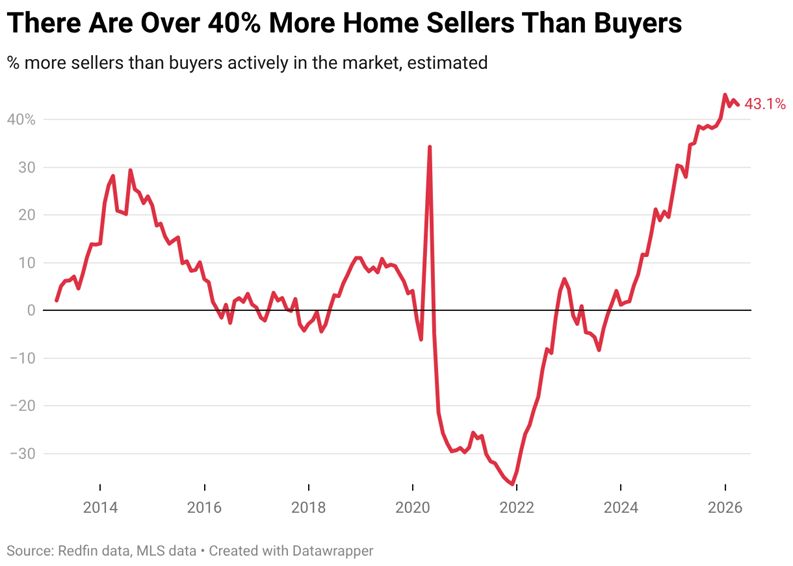
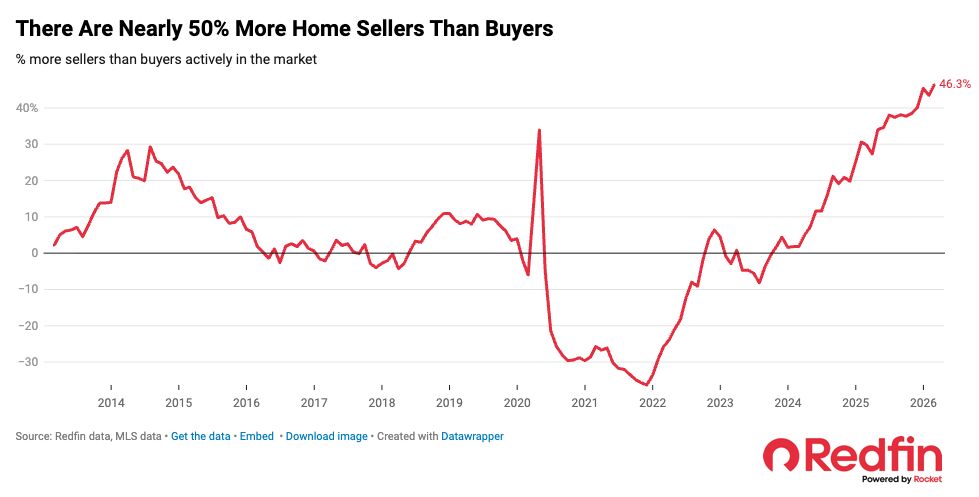
Per Redfin, home sellers outnumbered buyers by 43.1% in March…up from 28.0% a year ago but shy of December’s 45.2%, which was largest gap on record.

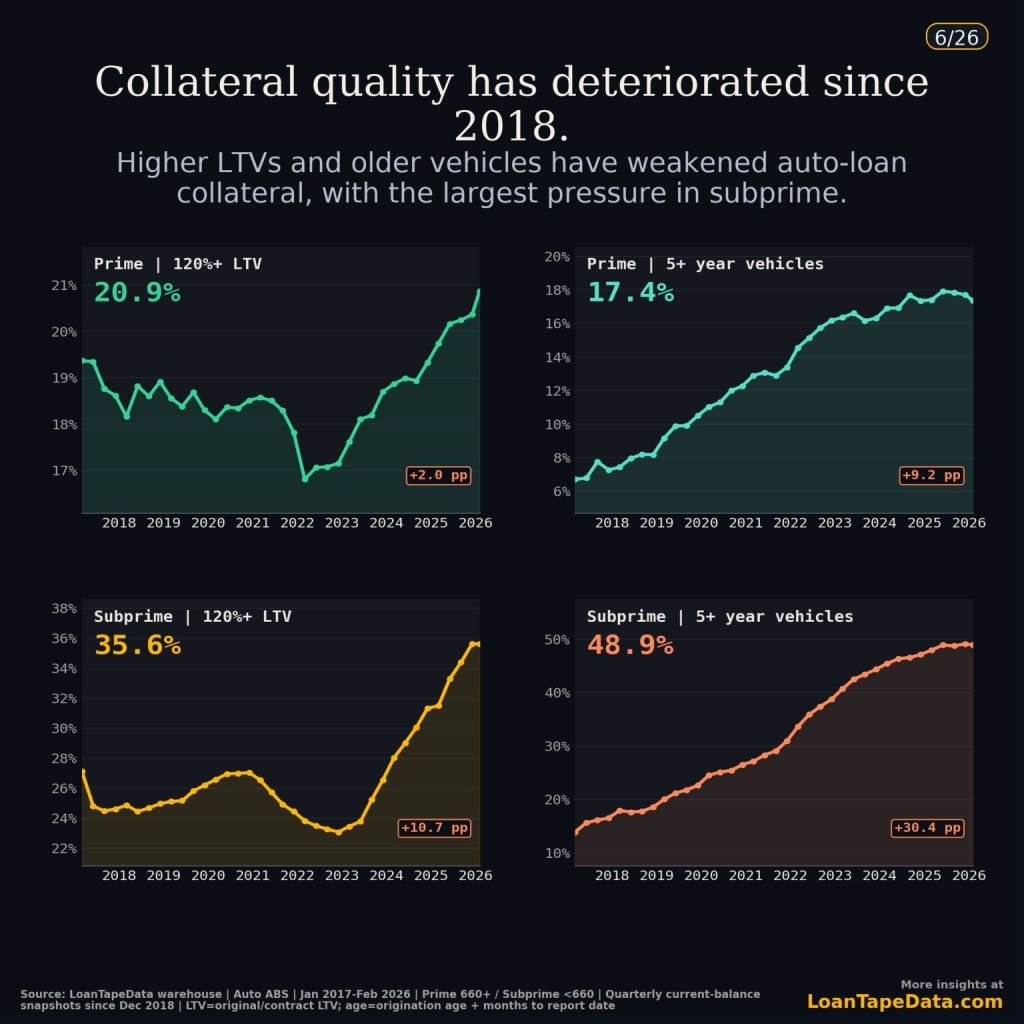
This imbalance is occuring as credit quality is deteriorating.

Seller’s Market In Housing! There Are 630,000 More Home Sellers Than Buyers—the Biggest Gap on Record (50% More Sellers Than Buyers)

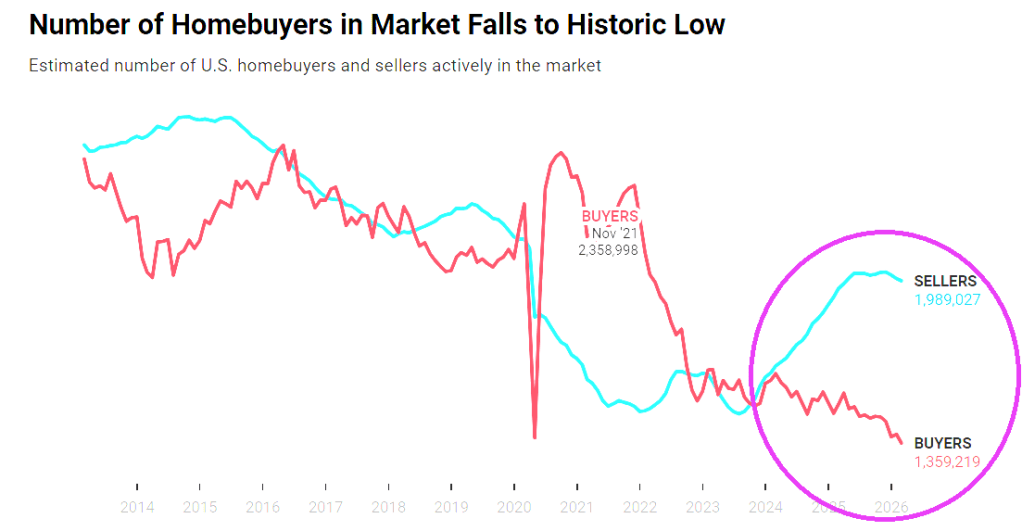
Nothing has been the same in the US housing market since the Covid outbreak of 2020. According to Redfin, there are nearly 50% more home sellers than buyers.

And the number of homebuyers has fallen to historic lows.

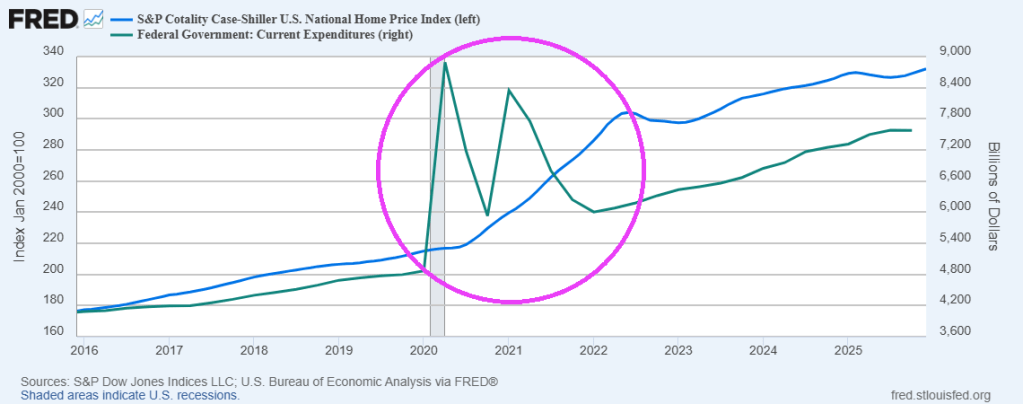
A good reason there are so few buyers is that home prices has soared after the Federal government’s spending spree after Covid.

Prayers for the soul of Noelia Castillo Ramos, murdered by the Spanish government. For being gangrape TWICE by immigrants then attempted suicide.

Mortgage Applications Decreased 10.5 Percent From One Week Earlier (Purchase Index Decreased 5 Percent WoW)

Mortgage applications decreased 10.5 percent from one week earlier, according to data from the Mortgage Bankers Association’s (MBA) Weekly Mortgage Applications Survey for the week ending March 20, 2026.

The Market Composite Index, a measure of mortgage loan application volume, decreased 10.5 percent on a seasonally adjusted basis from one week earlier. On an unadjusted basis, the Index decreased 10 percent compared with the previous week. The seasonally adjusted Purchase Index decreased 5 percent from one week earlier. The unadjusted Purchase Index decreased 5 percent compared with the previous week and was 5 percent higher than the same week one year ago.

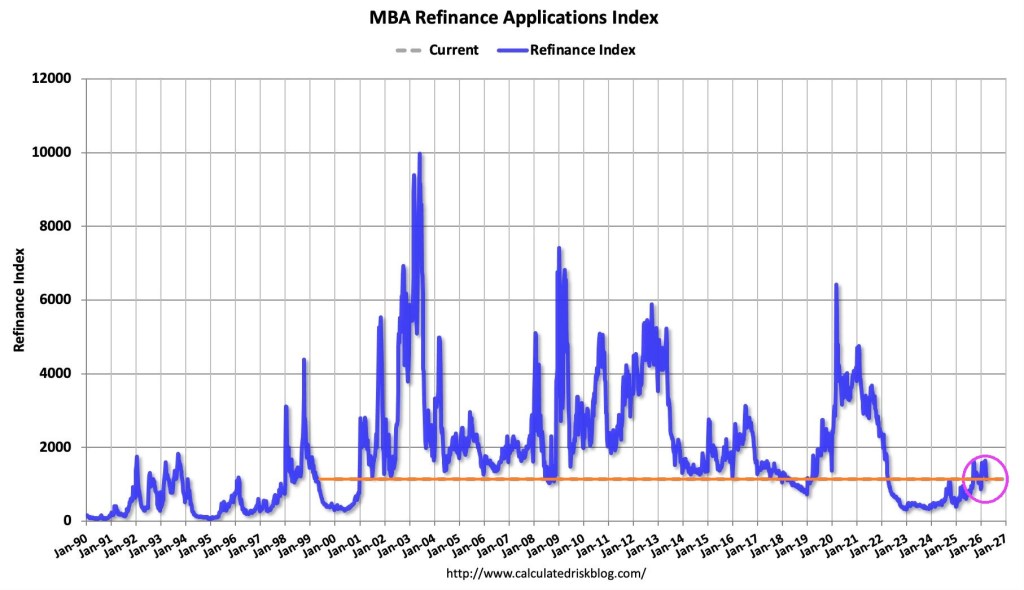
The Refinance Index decreased 15 percent from the previous week and was 52 percent higher than the same week one year ago.

Nothing has been the same since Covid outbreak in 2020 and the resulting Federal government spemding spree.

US New Home Sales Decline By Most In 13 Years In January (Home Prices Remain Too High After Covid Spending Spree)

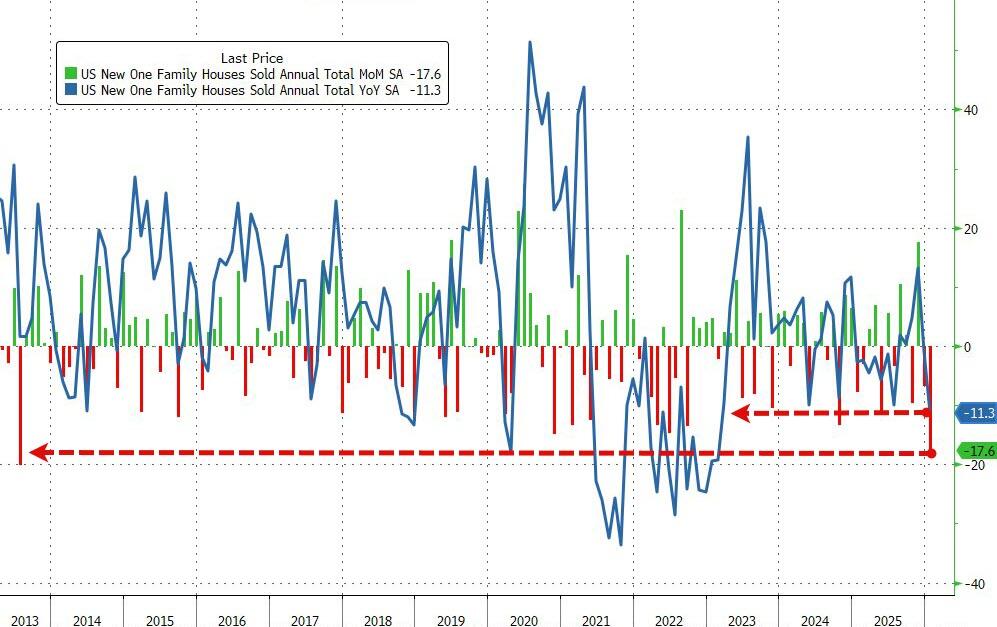
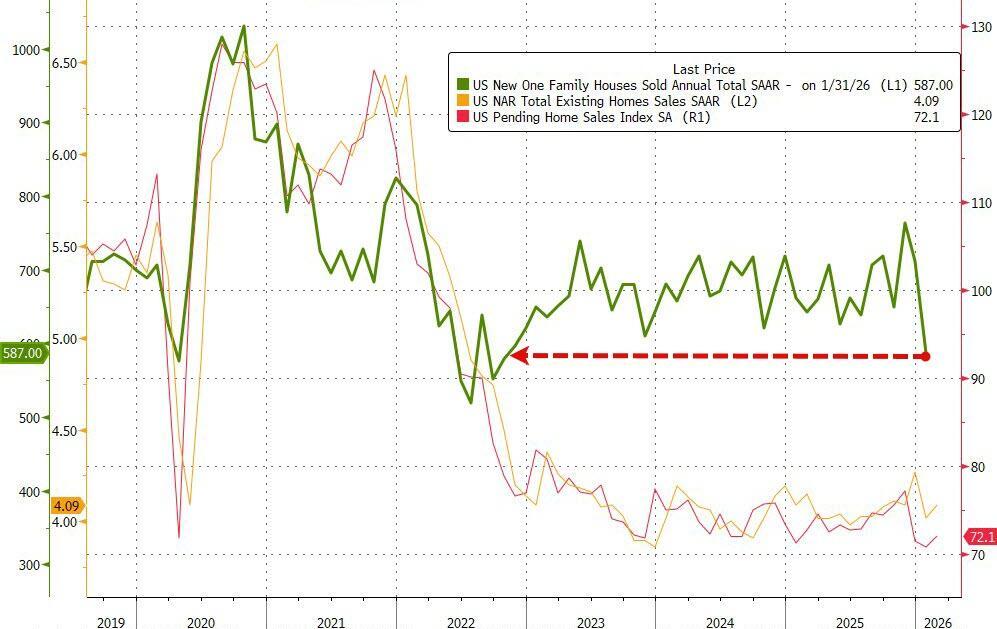
Despite falling mortgage rates, analysts expected December’s drop in new home sales to accelerate in January… and accelerate they did… crashing a stunning 17.6% MoM (-2.7% MoM exp) – the biggest MoM drop since July 2013.

This huge MoM drop dragged sales down 11.3% YoY – the worst slide in three years.

Source: Bloomberg

This huge drop dragged the new home sales SAAR down to its lowest since 2022, catching down to existing and pending sales…

Inventories are up (Houses for sale in Jan. rose 0.4% m/m to 476,000), prices are down (Median down 6.8% YoY at $400k – lowest since 2024)

…and remember these deals were signed in January – meaning this is not mortgage related (some suggesting weather impact – Northeast sales down 44.7% MoM, MidWest -33.9% MoM, but the scale is immense).

Moral of the story: US home prices are too high for millions of households to afford.

US Industrial Production Rises For 4th Straight Month In February (0.2% MoM, 1.4% YoY)

So much for the “Trump has ruined the economy” mantra of politicians and celebrities.

After a strong gain in January, US Industrial Production continued to expand in February, rising 0.2% MoM (better than expected +0.1%) – the fourth straight month of gains with Production up 1.44% YoY.

Source: Bloomberg

Manufacturing output also beat expectations, rising 0.2% MoM in February.

  • Durable manufacturing output edged up 0.1 percent, with mixed results across categories; the index for motor vehicles and parts posted the largest gain, and the index for machinery posted the largest loss.
  • Nondurable manufacturing output rose 0.2 percent, with gains in the production of chemicals, of plastic and rubber products, and of paper products outweighing declines in the output of petroleum and coal products and of food, beverage, and tobacco products. The output of other manufacturing (publishing and logging) rose 1.3 percent.
  • Mining output increased 0.8 percent in February, following a 0.9 percent increase in January. The output of utilities fell 0.6 percent in February, reflecting no change in the index for electric utilities and a 4.7 percent drop in the index for natural gas utilities.

Source: Bloomberg

Capacity Utilization printed 76.3 (better than expected)…

…maintaining the positive trend since Trump’s second term began.