Trump’s Economy In Q2 Growing At 3.5% As Fed Keeps On Printing!

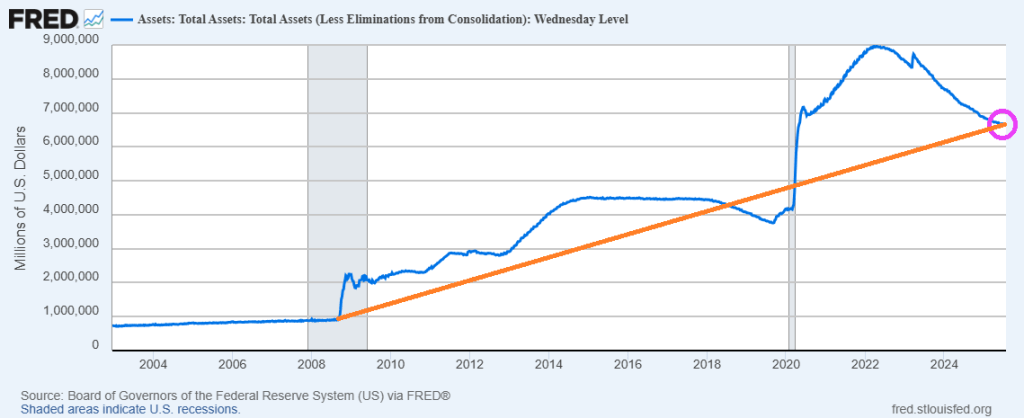
The Fed’s themesong: Keep on printing!

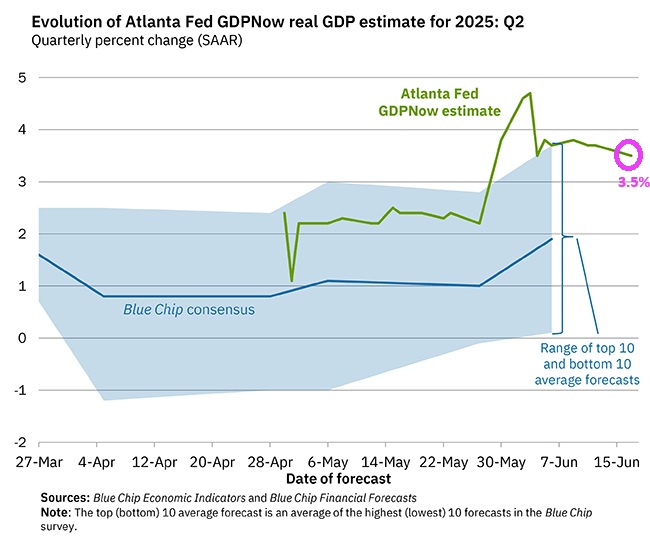
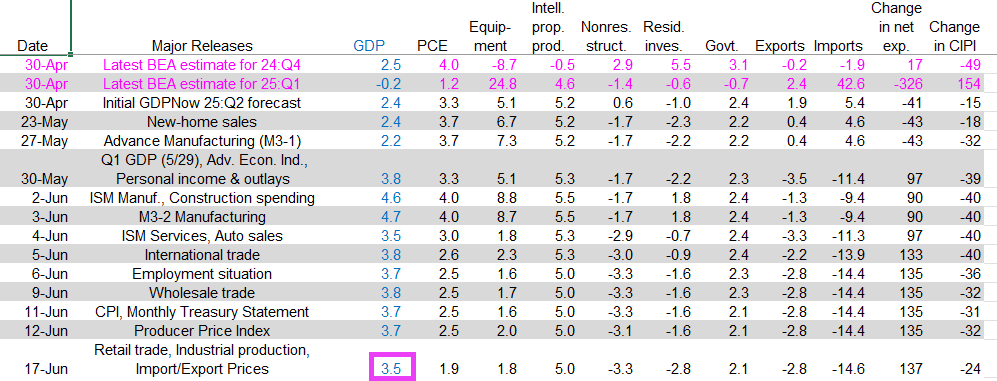
The GDPNow model estimate for real GDP growth (seasonally adjusted annual rate) in the second quarter of 2025 is 3.5 percent on June 17, down from 3.8 percent on June 9. After recent releases from the US Census Bureau, the US Bureau of Labor Statistics, the Federal Reserve Board of Governors, and the Treasury’s Bureau of the Fiscal Service, the nowcasts of second-quarter real personal consumption expenditures growth and second-quarter real government expenditures growth decreased from 2.5 percent and 2.3 percent, respectively, to 1.9 percent and 2.1 percent, while the nowcast of second-quarter real gross private domestic investment growth increased from -1.9 percent to -1.4 percent.

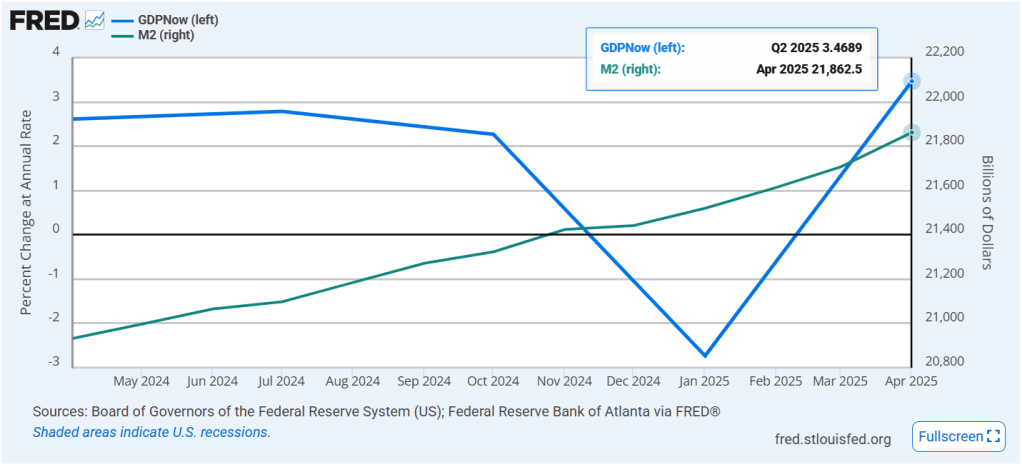
GDP growth corresponds to Fed money printing.

Here is the breakdown. True, real GDP growth has been slowing over June.

Should Trump Fire Powell? YES (Fed Hasn’t Removed The Covid Stimulus And Should, Rates Too High)

Should President Trump fire Fed Chair Jerome Powell and replace his with someone else like Treasury Secretary Scott Bessent? The answer is … YES!

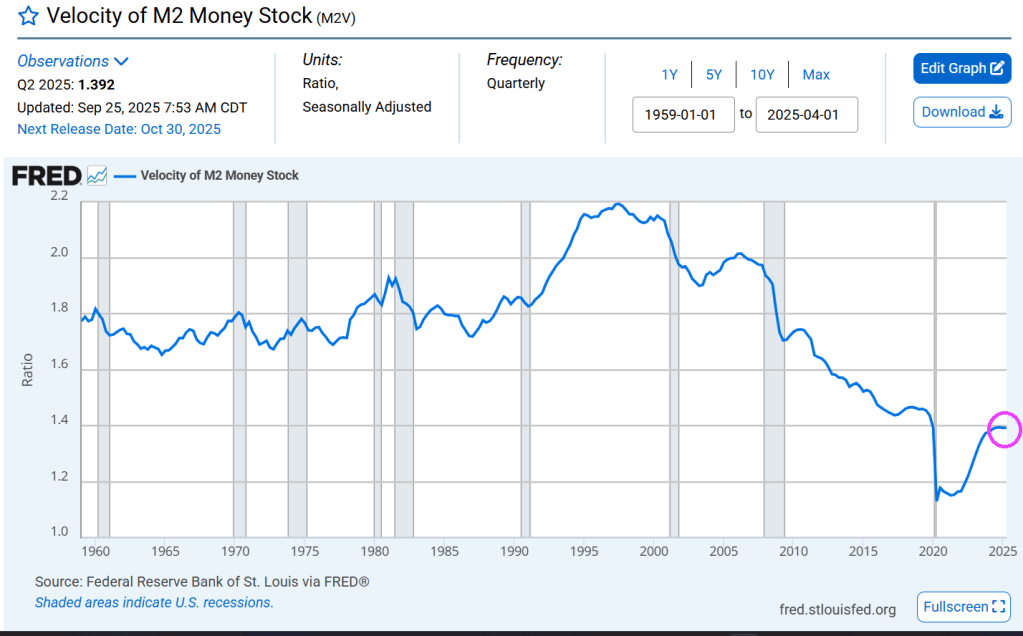
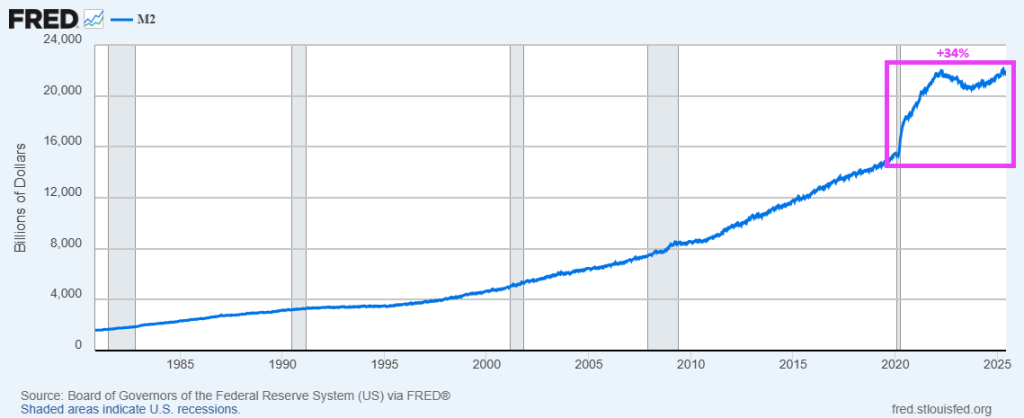
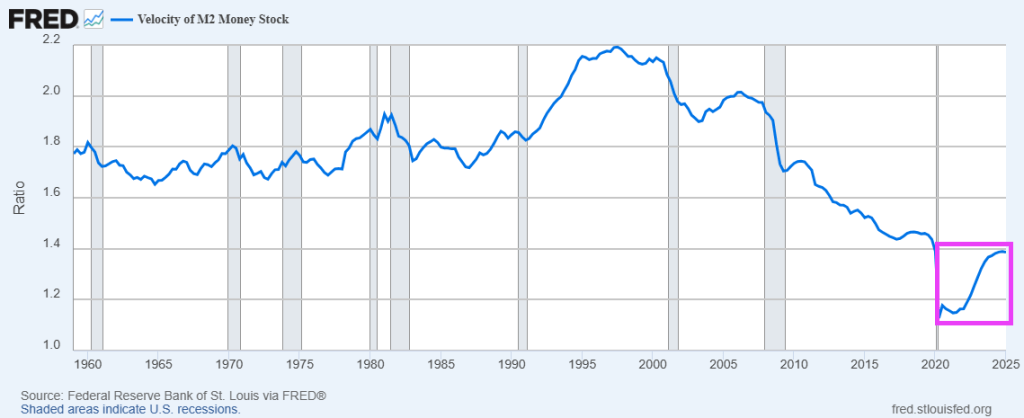
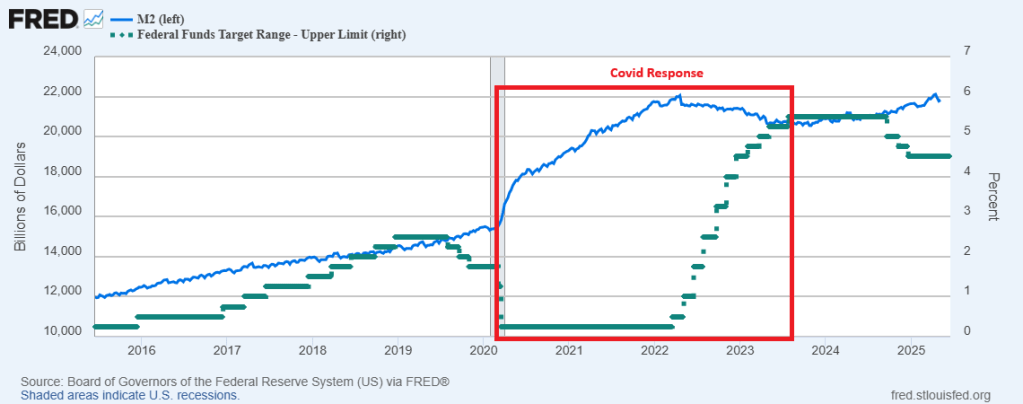
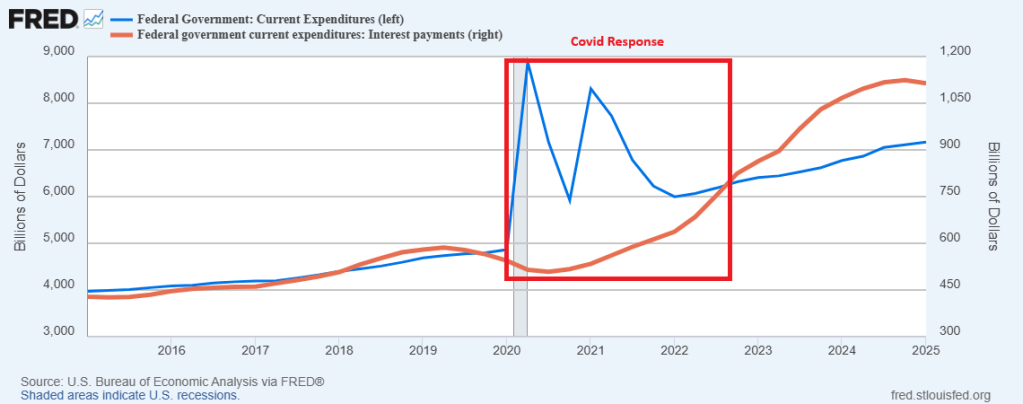
Why? First, there was a massive response to the Covid outbreak in 2020. And the monetary stimulus (aka, stimulypto) has never been removed.

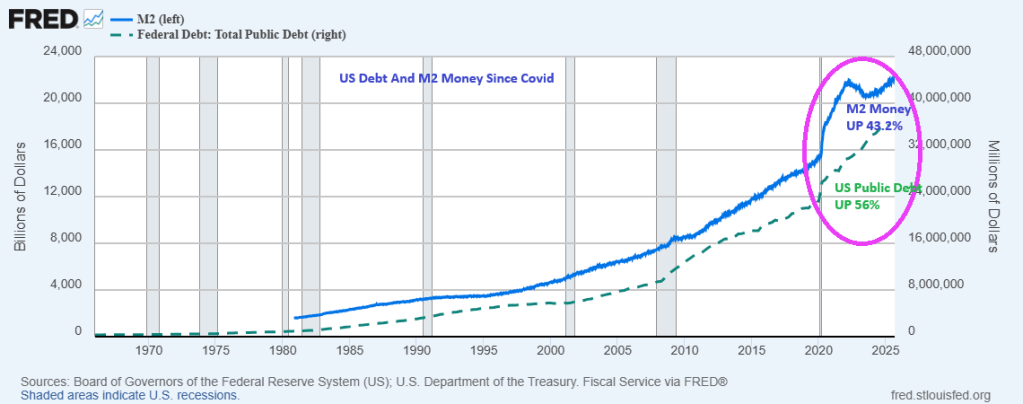
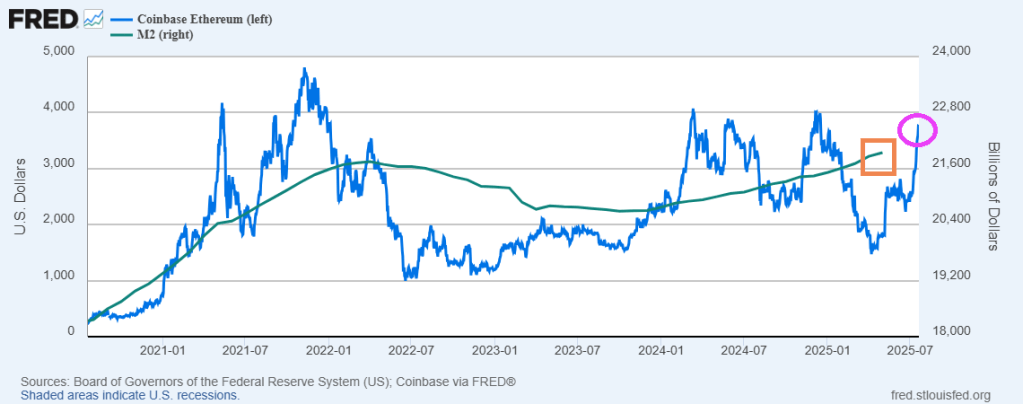
The Fed Funds Target Rate (upper bound) remains high at 4.50% and M2 Money supply is $21.8 TRILLION.

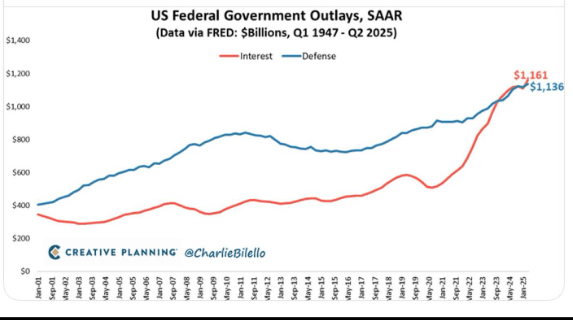
Second, The Fed could help reduce the interest paid on the massive Federal debt load when the debt if refinanced.

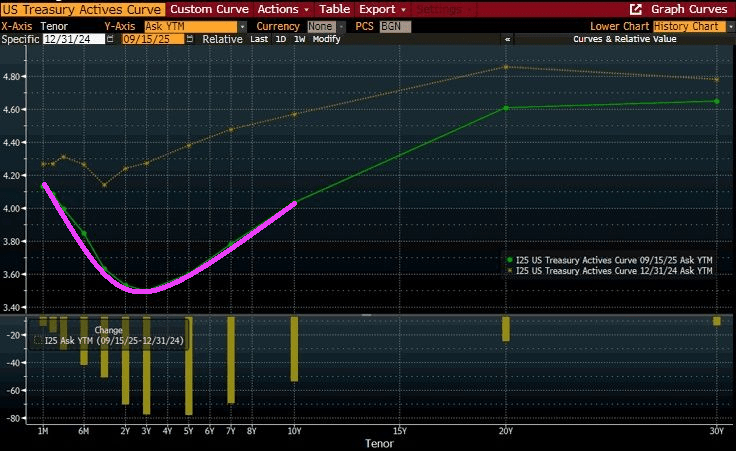
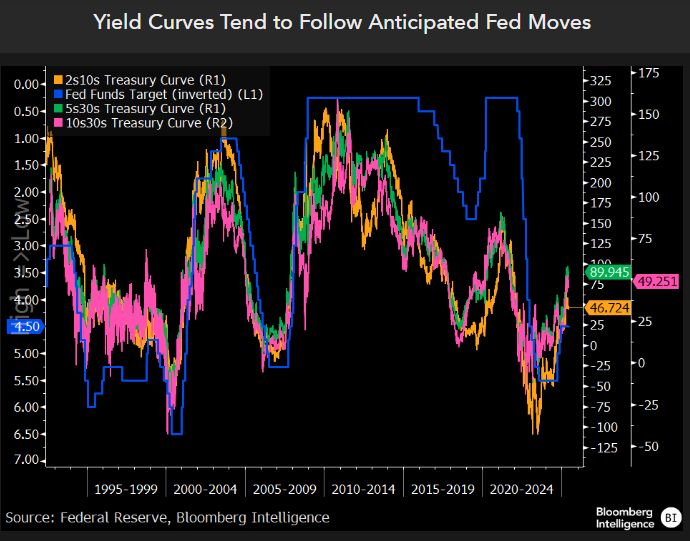
The US Treasury yield curve tends to follow anticipated Fed moves.

Of course, The Fed should be abolished. But a step in the right direction would be to fire “Foul Powell” who is on the prowl.

Fed Chair Jerome Powell.

Inflation Keeps Falling, But Shelter Inflation At 3.86% YoY (Core Inflation Declines To 2.787% YoY)

Gimme (affordable) shelter!

May Rent inflation 3.81% YoY, down from 3.98% in April, lowest since Jan 2022.

May Shelter inflation 3.86% YoY, down from 3.99% in April, lowest since Nov 2021

In general, CPI increased 0.1% MoM after rising 0.2 percent in April; Over the last 12 months, the all items index increased 2.4 percent before seasonal adjustment. The index for all items less food and energy rose 0.1% in May, following a 0.2% increase in April.

The index for shelter rose 0.3% in May and was the primary factor in the all items monthly increase. The food index increased 0.3% as both of its major components, the index for food at home and the index for food away from home also rose 0.3% in May.

In contrast, the energy index declined 1.0% in May as the gasoline index fell over the month.

Indexes that increased over the month include medical care, motor vehicle insurance, household furnishings and operations, personal care, and education.

The indexes for airline fares, used cars and trucks, new vehicles, and apparel were among the major indexes that decreased in May.

Core inflation is up 2.787% YoY, considerably lower than under Autopen Biden.

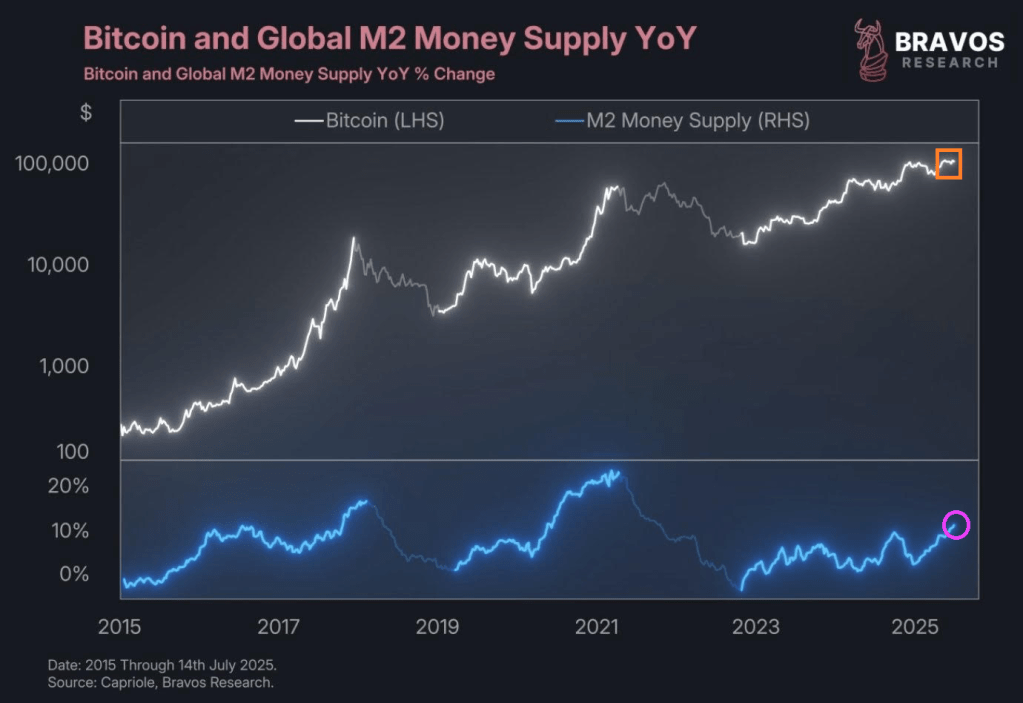
M2 Money is currently growing at 4.3%.

Core PCE Fell In April To Lowest Since April 2021, +2.5% YoY (Fed M2 Money Printing UP 4.3% YoY)

The Fed’s favorite inflation indicator – Core PCE – fell once again in April to its lowest since April 2021 at +2.5% YoY.

And The Fed keeps on printing money!

Supercore inflation is down to -0.023 MoM.

The Fed is thinking that they can help.

Mortgage Applications Increased 11% From Preceding Week, Fed Will Remain On Hold (Purchase Apps Up 12%)

The Fed can help, but won’t. We are still struggling to recover from Biden’s cockeyed management of the economy,

Mortgage applications increased 11.0 percent from one week earlier, according to data from the Mortgage Bankers Association’s (MBA) Weekly Mortgage Applications Survey for the week ending May 2, 2025.

The Market Composite Index, a measure of mortgage loan application volume, increased 11.0 percent on a seasonally adjusted basis from one week earlier. On an unadjusted basis, the Index increased 12 percent compared with the previous week.  The seasonally adjusted Purchase Index increased 11 percent from one week earlier. The unadjusted Purchase Index increased 12 percent compared with the previous week and was 13 percent higher than the same week one year ago.

The Refinance Index increased 11 percent from the previous week and was 51 percent higher than the same week one year ago.

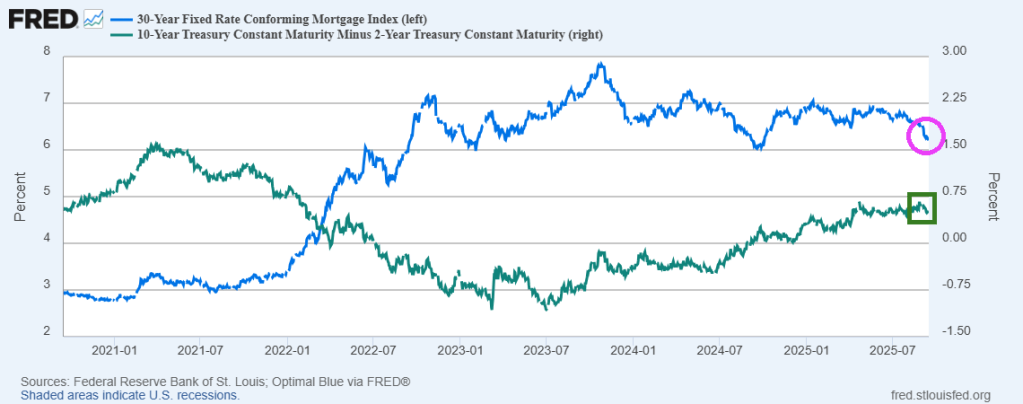
The economic news last week included a negative reading for first-quarter GDP growth and further signs of contraction in the manufacturing sector, mixed with a solid employment report for April. The net impact on mortgage rates was mostly downward but just back to levels from early April. The 30-year fixed rate declined to 6.84 percent.

But there will be no rate cuts today from The Fed.

US Wealth Gap (Top 1% Versus Bottom 50%) Remains Daunting (Trump Urges Fed Chair Powell To Cut Rates)

Republicans are trying to lock in Trump’s tax cuts and Democrats are resisting. We now know that DOGE is trying to end the wasteful spending in DC. But I would really like to see tax rates on the middle class fall.

The wealth gap between the top 1% of taxpayers and the bottom 50% of taxpayers is enormous. And has gotten worse since 1990.

Meanwhile. to fight off the temporary effects of the tariff war, Trump is urging Fed Chair Powell to cut rates.

Powell will likely NOT cut rates. But what does “Lunatic Liz” Warren say about rate cuts??

China Trade Uncertainty Causes VIX To Fall By 18.7 Pts, Largest In History (Correlation Between Stocks And Bonds Reverse To Positive)

Obama/Biden/Harris/Schumer/Pelosi have let the US be the punks for China. Trump is simply trying to level the playing field and China’s Xie doesn’t like the new equilibrium.

VIX Index fell by 18.7 points yesterday … largest one-day decline in history.

The correlation between stock prices and bond yields has returned to positive territory — hinting at a period of distress in equities and a regime shift in equity and bond markets where recession fears, rather than inflation, may be starting to drive direction of both. The correlation between the two asset classes was positive for the better part of 20 years prior to the pandemic, suggesting equities trended in the direction of yields as inflation mostly coincided with growth. Stocks held a negative correlation to yields throughout most of the 1980s and 1990s, when inflation hurt stocks — and that phenomenon returned for the 2022-24 bear market and recovery period.

Notably, major stock corrections occurred each time the correlation jumped out of its primary regime.

China’s Xi flashes a Hitler salute!

Tariff Town! Producer Prices Plunged Most Since COVID In March (US Dollar Decelerates!)

Washington DC is now Tariff Town.

Headline PPI fell (yes fell) 0.4% MoM (dramatically cooler than the 0.2% MoM rise expected), dragging the headline index down to +2.7% YoY.

The market is re-assessing the structural attractiveness of the dollar as the world’s global reserve currency and is undergoing a process of rapid de-dollarization.

Fear! Tariff Fears Are Spooking Markets (China Is Acting Childish)

Markets are ranked by fear about tariffs. Particularly since China is acting like a child.

Bond vs equity fear

Bond volatility has shot up higher, but remains “muted” compared to the VIX move.

Source: Refinitiv

FX vs equity fear

FX volatility has shot up higher as well, but is pale in comparison to the VIX move.

Source: Refinitiv

Credit “crunched”

Credit protection has surged during the “chaos”. Chart shows the US and the European versions.

Source: Refinitiv

Equity vs credit protection

VIX vs CDX IG.

Source: Refinitiv

Europe as well

V2X vs iTraxx main.

Source: Refinitiv

Correlation – the upside crash

Implied correlations showing a lot of “fear” as pretty much everything has been treated as if it were the “same” during the crash.

Source: Refinitiv

Massive

Intraday range was huge during yesterday’s session, but close to close very modest. Imagine trading short gamma….and hedging the extremes.

Source: GS

The Yuan is having a volatile day.

Fear!