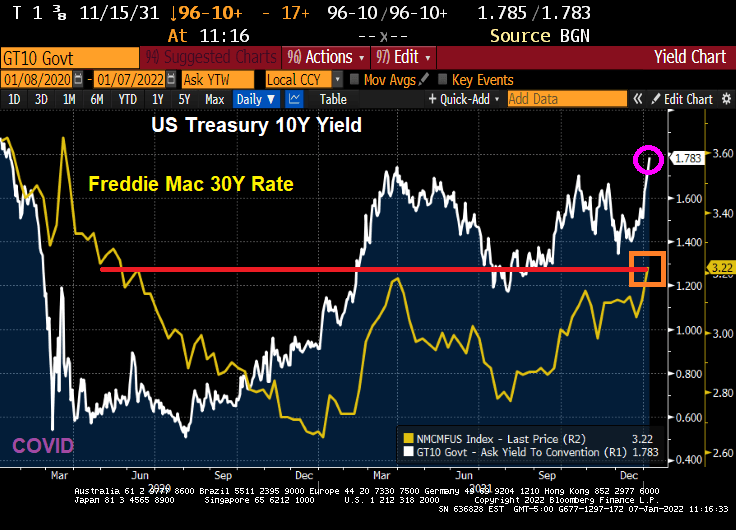
10Y Treasury Yield Climbs To 1.783% As Mortgage Rate Hits 3.22% (Highest Since May 2020) As Soaring Nominal Wage Growth Hits

It looks like markets are buying into the prospect of The Federal Reserve raising rates three times (Bob) in 2022. And ceasing COVID monetary stimulus.

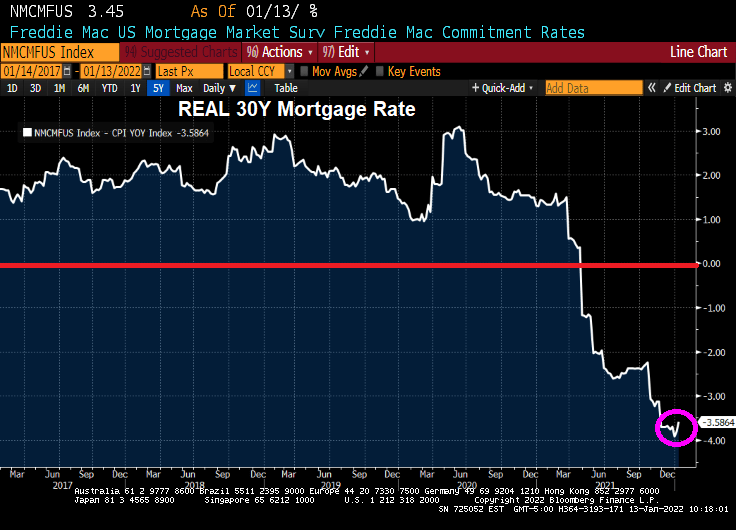
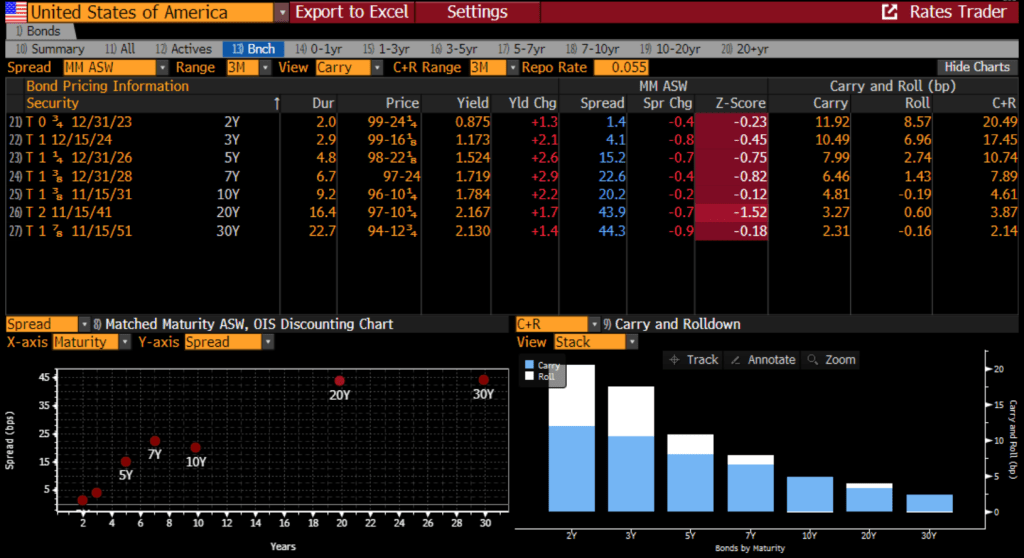
Today, the 10-year Treasury yield rose to PRE-COVID levels of 1.783%. And the Freddie Mac 30-year mortgage commitment rate rose to 3.22%, the highest since May 2020.

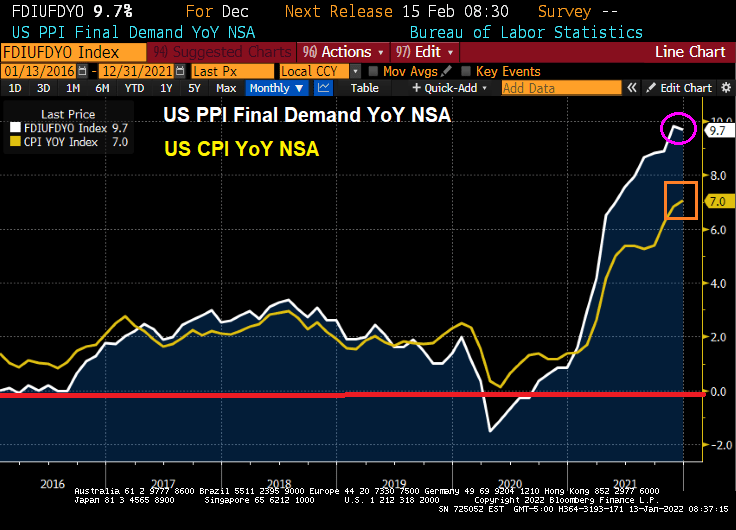
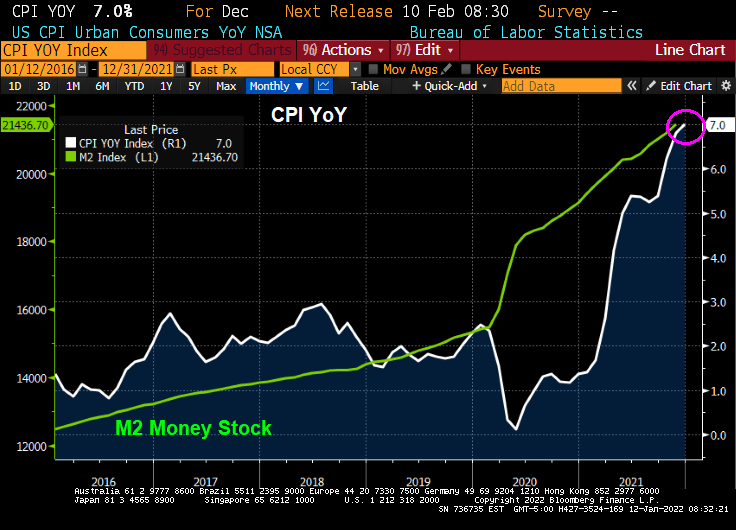
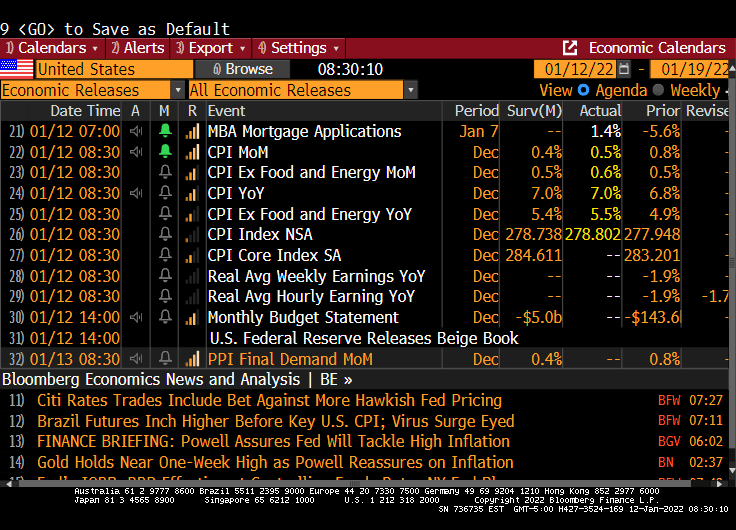
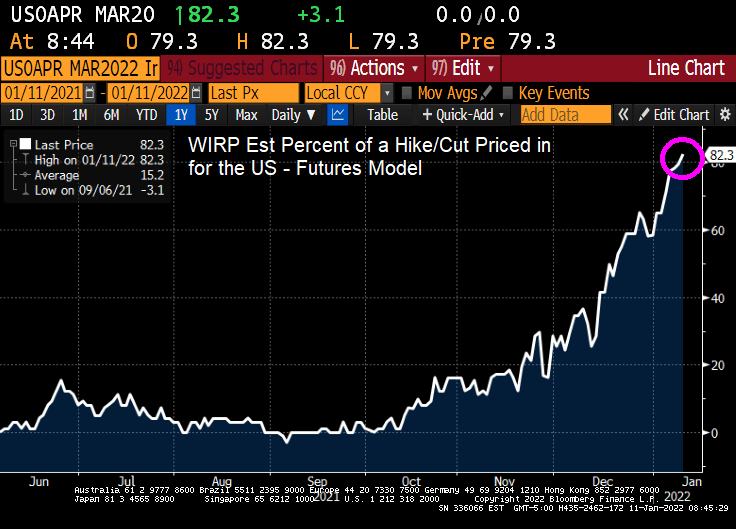
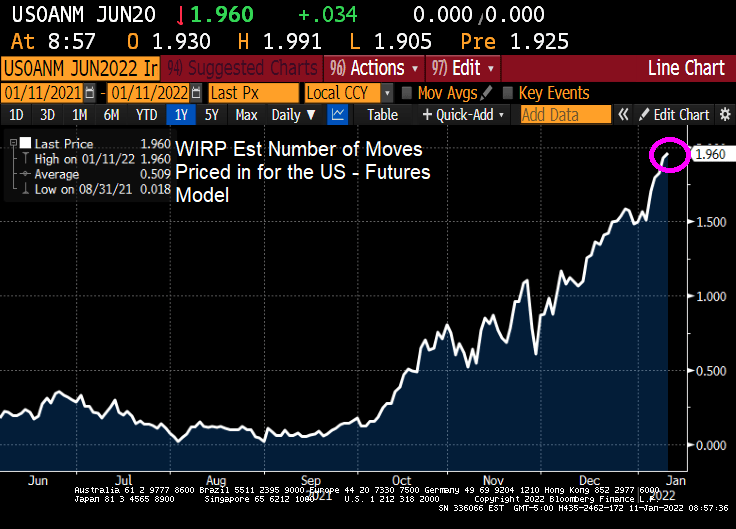
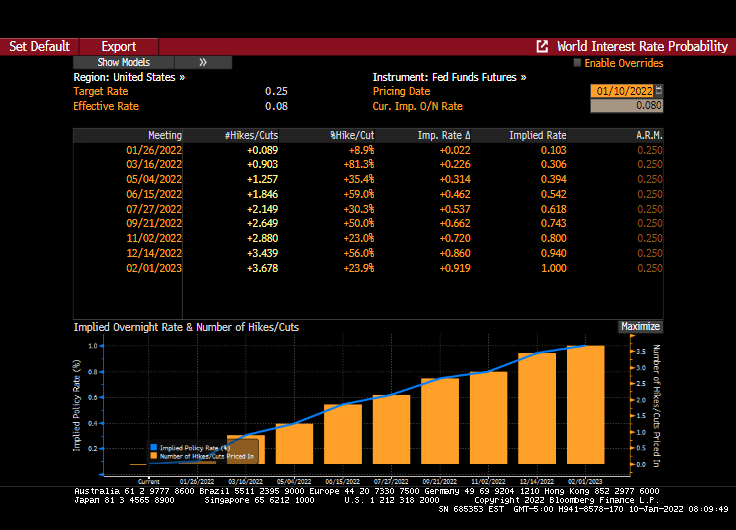
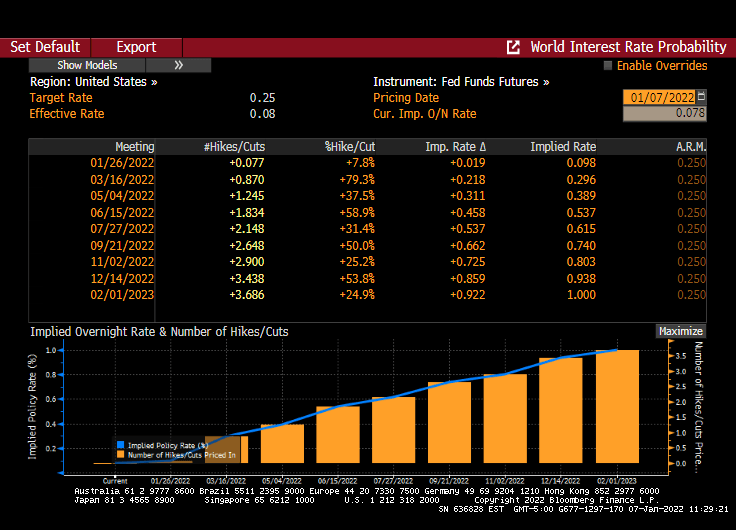
Today’s rising wage rates (although negative in terms of REAL wage rates) will likely put a Peruvian fire under The Fed’s behind. As of this morning, Fed Funds Futures are still pointing to three rate increases in 2022 (May, July and December).

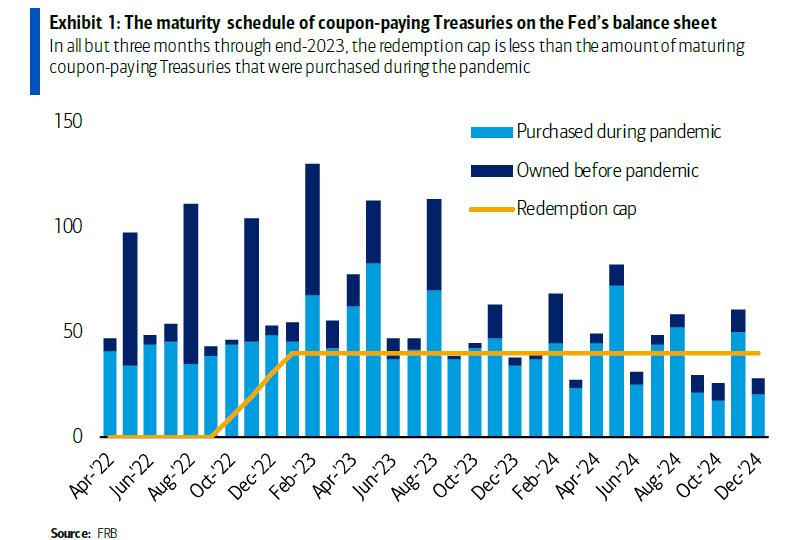
And The Fed is supposed to be winding down the COVID monetary stimulus.

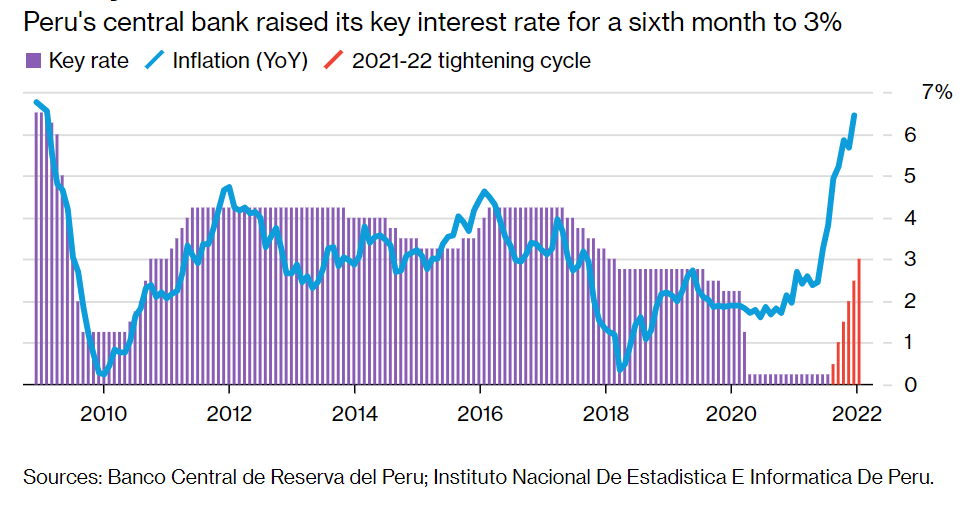
Why a Peruvian fire? Even Peru’s central bank is raising its key interest rate to 3% after soaring inflation.

Let’s see if Powell and The Gang follow through … or reveal themselves to be Peruvian Chickens.

Slowing! US November Jobs Report: Real US Average Hourly Earnings DECLINE -1.71% YoY (Only 199K Jobs Added Vs 450K Expected)

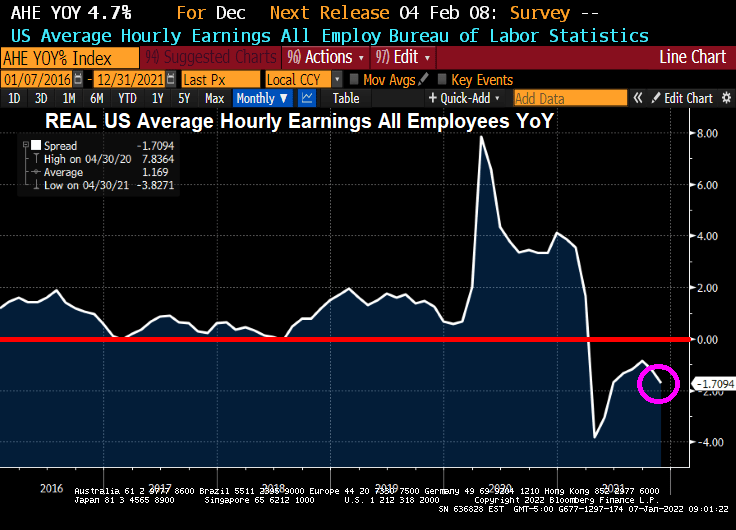
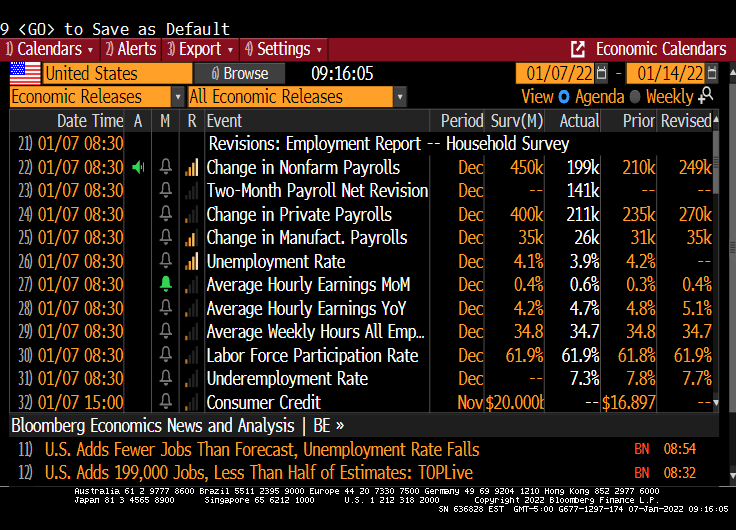
The November jobs report is out and the highlight is that US Average Hourly Earnings GREW at a rate of 4.7% YoY. Unfortunately, inflation is still raging resulting in REAL US Average Hourly Earnings DECLINING at a rate of -1.71% YoY.

REAL US home price growth is slowing and is at 12.856% YoY as REAL average hourly earnings slowed to -1.7094% YoY.

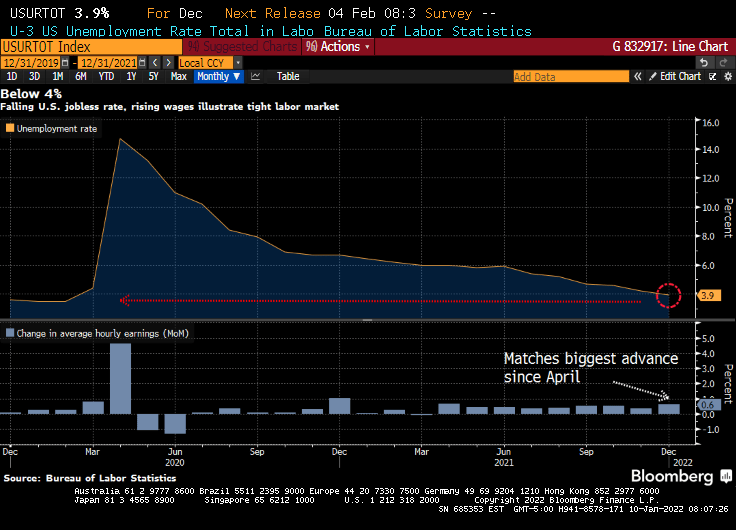
The lowlight of the November jobs report is that only 199K jobs were added versus the 450K jobs expected to be added. At least the unemployment rate fell to 3.9%.

WHERE we the jobs added? Leisure and hospitality led the way! Hey bartender.

Yes, REAL wage growth and REAL home price growth are slowing.

Real Estate Hedge Against Inflation? Housing And REITs Did Better Than Inflation, NCREIF Not So Much

Now that inflation has reared its ugly head, how can investors protect themselves against the ravages of inflation?

Back in 1977, Fama and Schwert showed that housing acted as a hedge against inflation. Over the past year as inflation has reached its highest levels in 40 years, home prices have outpaced inflation by 19.08% to 6.8%.

How about real estate investment trusts? The NAREIT all-equity index rose by 35.6% YoY while inflation rose at 6.8%. The S&P 500 index rose 28.9% YoY.

Of course, the NAREIT all-equity index has a beta of 1.276.

How about the NCREIF All-property commercial real estate index? For Q3, the NCREIF property index rose by 5.22%, less than the most recent inflation reading of 6.8%.

So for the past year, housing has beaten the pants-off inflation, REITs have earned a higher return than inflation, and the NCREIF index seems to be rising slower than inflation (but with its lag problems, I anxiously await the Q4 numbers which should be higher.

Fed Minutes Flag Chance of Earlier Hikes, Balance-Sheet Rundown (When Jay Powell Speaks, People Listen [Dow Drops, 10Y T-yield Increases])

Federal Reserve officials said a strengthening economy and higher inflation could lead to earlier and faster interest-rate increases than previously expected, with some policy makers also favoring starting to shrink the balance sheet soon after.

“Participants generally noted that, given their individual outlooks for the economy, the labor market, and inflation, it may become warranted to increase the federal funds rate sooner or at a faster pace than participants had earlier anticipated,” according to minutes published Wednesday of the Dec. 14-15 meeting of the U.S. central bank’s policy-setting Federal Open Market Committee, when it pivoted to a more aggressive inflation-fighting stance.

“Some participants also noted that it could be appropriate to begin to reduce the size of the Federal Reserve’s balance sheet relatively soon after beginning to raise the federal funds rate,” the minutes said.

The S&P 500 stock index extended declines following the release and was on track for its biggest loss in more than a month. Treasuries also extended losses and the dollar pared its decline.

At the conclusion of the December meeting, the FOMC announced it would wind down the Fed’s bond-buying program at a faster pace than first outlined at the previous meeting in early November, citing rising risks from inflation. The new schedule puts the central bank on track to conclude purchases in March.

And with the minutes released, the Down dumped.

And the 10-year Treasury yield jumped 5.3 bps on the release.

When Jerome Powell speaks, people listen.

Tiny Or BIG Bubbles? Buffett Indicator, Shiller CAPE At Dangerous Levels Thanks To Fed And Their Champagne Policies

The Federal Reserve Open Market Committee meeting should have a Lawrence Welk bubble machine operating, particularly for their announcements.

When we look at the Buffett Indicator, we can see how The Federal Reserve’s loose monetary policies (or follycies) are driving up stocks to unsustainable levels that may not survive without The Fed’s “Do Ho Big Bubble Policies.”

How about the Shiller CAPE (Cyclically-adjusted Price/Earnings) ratio? While not up to dot.com levels yet, the Shiller CAPE ratio is climbing with the assistance of The Fed and their insane money printing.

How about house prices? The Case-Shiller National home price index is far above the level last scene during the housing bubble of 2005-2007. Again, with a little help from The Federal Reserve.

I can’t wait to see how the equity market and housing market reacts IF The Fed actually follows through with reducing monetary stimulus. Probably not just adding more stimulus, just reinvesting the Treasury and MBS proceeds (aka, not shrinking the balance sheet).

Speaking of Lawrence Welk and his Champagne Music Makers, watch the blazing-hot electric guitar work worthy of Steve Morse or Jimmy Page in this video.

Here is the new logo for The Federal Reserve.

Mortgage Purchase Applications Plunge 10% WoW At End Of 2021 (But It Happens Every Year!)

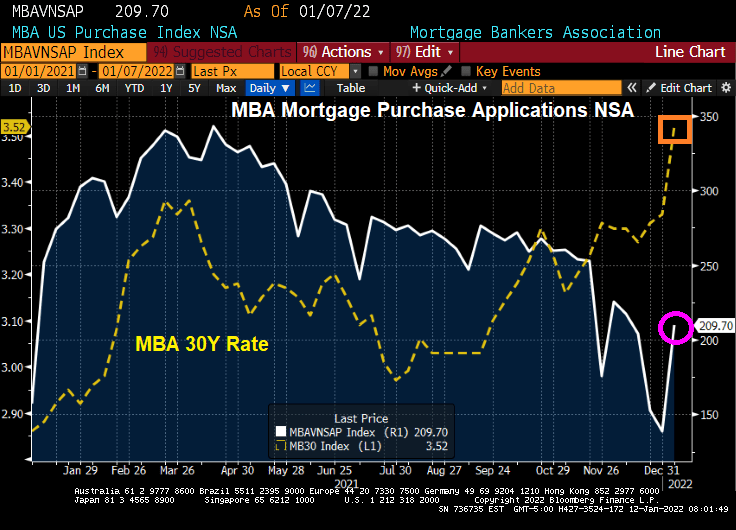
The last mortgage purchase applications index from the Mortgage Bankers Association was released this morning. The headline is “Mortgage Purchase Applications Plunge 10% WoW (since the previous week). But this is called “Seasonality.” And it happens EVERY YEAR.

Here is a chart of mortgage purchase application (NON-seasonally adjusted). What will happen when the new year starts and purchase applications began rising?

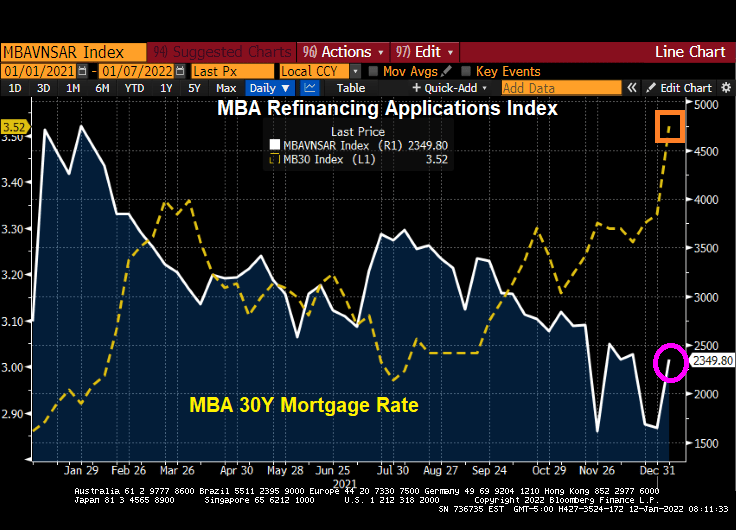
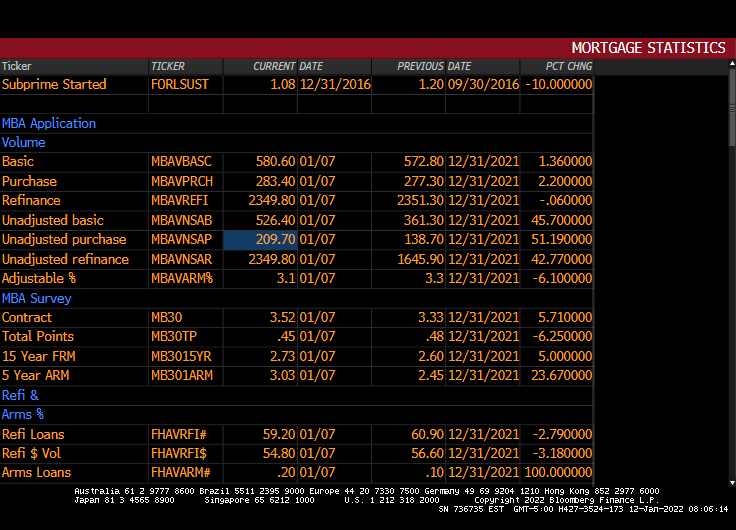
Whether seasonally-adjusted or not, all number are down for the final week of 2021, except for the 30-year mortgage rate that rose 60 basis points.

On a seasonally-adjusted basis (aka, smoothed-out), we can see the impact of super-low mortgage rates on home prices.

Here is the data summary for the last week of December 2021. All indices are down … except for the 30 year mortgage rate which was up 60 basis points.

So let’s see what 2022 brings with The Fed threatening to shrink the balance sheet and raise their target rate 3 times. As Parks and Recreation’s Joan Calamezzo said, “We’ll see.”

The Mystery Of The Missing Housing Inventory For Sale (Elderly Americans Selling Less)

The inventory of existing homes for sale in the US is extremely low. The lack of available inventory to buy is helping drive home prices through the roof.

Available inventory for purchase peaked back in the 2007-2008 period during the dreaded housing bubble in the US. But inventory for sale has declined ever since. Why?

I think it has something to do with the aging of the US population. Look at this chart of Existing Home Sales Inventory against the growth 65+ years old.

Perhaps households 65+ are resisting moving to states like Florida and Arizona as they had in the past, leaving them stationary in their dwelling.

Another reason for the bewildering lack of inventory is the growth of the HECM (Home Equity Conversion Mortgage) that allows elderly households to drain the equity in their home rather than have to sell to utilize it. But HECMs have not taken-off sufficiently to explain the mystery of the missing inventory.

So we know that housing inventory is very low and we know that the number of Americans 65 and over is increasing. But we do not know the reason for the decline in inventory.

Jack Guttentag has an excellent write-up in Forbes on the HECM. Particularly with rapidly growing home prices and equity.

CoreLogic: Home Prices Rise Record 18.1% In November (When Will Fed Take Its Foot Off The Pedal??)

  • Home price growth especially strong in Mountain West and Southeastern states
  • By November 2022, annual home price growth is predicted to slow to 2.8%

Yes, US home prices continue to rage with CoreLogic’s home price index rising 18.1% YoY.

Their forecast for 2022 is only 2.8% YoY likely due to forecast mortgage rate increases and fiscal stimulus wearing out.

Arizona, of course, is leading at 28.6% YoY. Florida is in second place followed by Idaho.

Slowdown? Let’s hope the slowdown doesn’t turn into a Matchbox and lead to declining home prices.

Bad Santa! 10Y Treasury Yields Jump Above 1.60% as Expectation Of Fed Hikes Grows (Mortgage Rates Expected To Rise)

Happy New Year! And Treasuries are off to fast start with investors bailing on Treasuries and buying stocks. AND the expectation that The Fed will raise rates 3 times this year.

The 10-year Treasury Note yield rose above 1.60% this morning.

And the US Treasury 10Y-2Y curve rose to 80.601 basis points.

Fed Funds Futures data is showing 3 rates hikes in 2022. May, September and December.

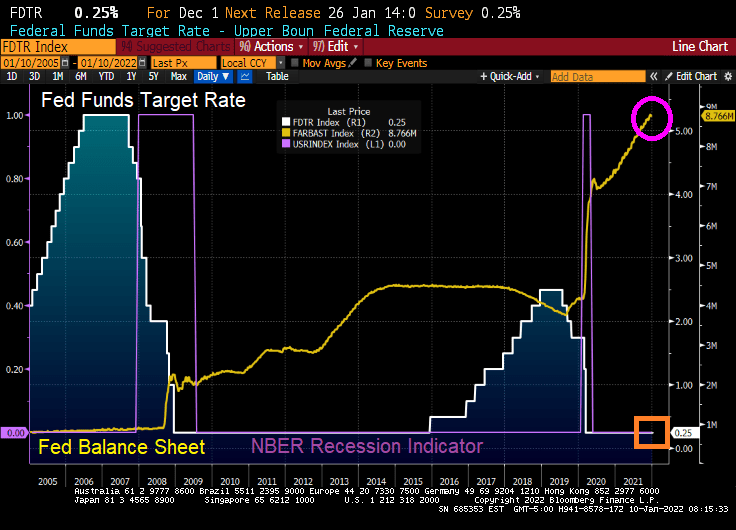
The Fed Dots project is definitely showing an upward trend in the Fed Funds Target rate with FOMC member forecasting the median target rate to be above 2% by 2024.

Of course, Fed reverse repo activity grew to an all-time high (but it is expected to pare-back).

How about mortgage rates? I expect mortgages rates to rise over 2022 as the 10-year Treasury Note rises.

While The Fed has been acting like Santa Claus with monetary easing since 2008, they are predicted to act like Bad Santas in 2022.

6 months of telling inflation in transitory stories. Now you know why.

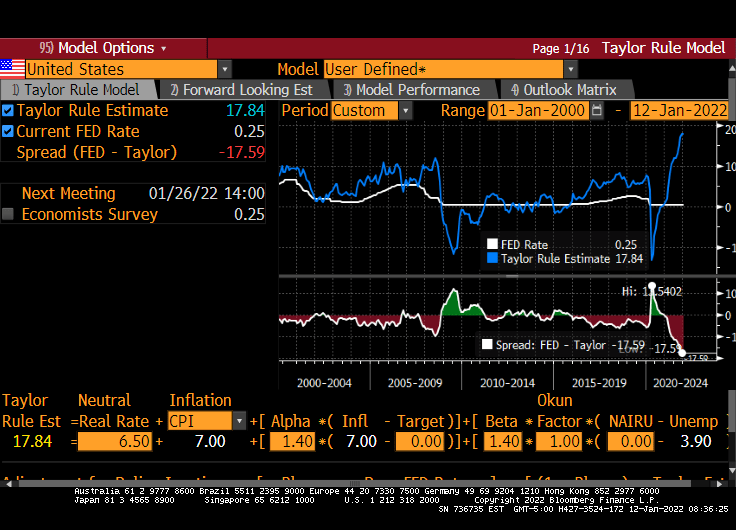
What do you say to the Fed Open Market Committee that has resisted raising rates while inflation is the highest in 40 years?

Cautionary note: The Fed is likely to protect economic growth and ignore inflation. So I expect FOMC will continue to reinvest prepayments into Treasury and MBS, pro-rata to the current portfolio.

Biden Delivering Fastest Economic Recovery In History. Why Hasn’t Anyone Noticed? (Because It Was Trump-era Stimulus)

The Hill has a misleading piece entitled “Biden is delivering the fastest economic recovery in history. Why hasn’t anyone noticed?”

Even crooner Barbra Streisand agrees.

A good quote from The Hill story: “Under Biden, the American economy has recovered from its Trump-era lows with remarkable speed.” As Leslie Knope said “That seems like an unfair phrasing.”

Hmm. Well, here is a chart that best explains the “Biden Miracle.” It shows the growth in Federal expenditures from the previous year during the banking crisis and then the COVID crisis. During the banking crisis, the increase in Federal expenditures (red) was normal. It was the increase in The Fed’s balance sheet (blue) that was staggering. But for the mini-recession related to COVID (only two months so you can barely see it on the chart below), it was the growth in Federal expenditures (red) combined with another round of staggering Federal Reserve stimulus (blue).

A different view of Federal “Stimulypto” is show below. Since COVID and the election of Joe Biden as President, Fed monetary stimulus is at an all-time high and Federal expenditures, while they have slowed, are still above the pre-COVID spending levels.

Please note that the massive surge in Federal expenditures and Fed monetary stimulus began under Trump, but were only continued under Biden. That is why no one notices … it was Trump.

And if we look at the 10Y-2Y Treasury curve slope, the US is slippin’ into darkness since the slope typically rises after a recession, then falls. And we are in the falling (or slippin’) stage.

So, President Biden is benefiting from Trump’s and The Fed’s Stimulypto. I don’t expect partisan outlets like The Hill or crooner Barbra Streisand to look at the data.

With Build Back (Inflation) Better not passing in the US Senate, I fully expect The Federal Reserve to continue “low riding” interest rates. Inflation will probably cool as well as Federal expenditure growth slows.

So, Streisand’s statement should have said “Joe Biden’s economic record in his first year is the best in 40 years. The media largely ignores this … because the unsustainable Federal stimulus began under Trump, not Biden.”

Another thing The Hill and Barbra Streisand left out was declining REAL average hourly earnings growth (that is, average hourly earnings YoY – inflation).

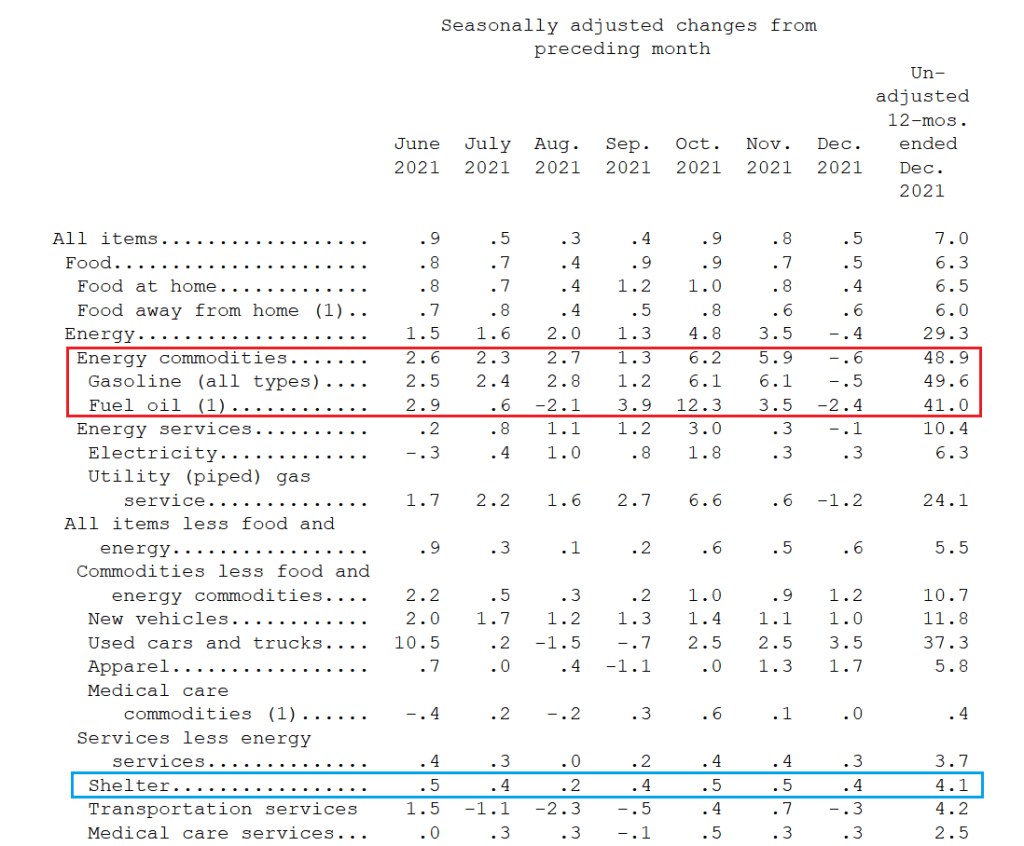
Biden’s real contribution? Anti-fossil fuels actions have driven up energy prices. Regular gasoline prices, for example, are up 45% under Biden.

If The Fed actually follows through and removes COVID stimulus and Congress doesn’t keep the incredible rate Federal spending growing, I sincerely doubt that GDP will continue at this hot pace.