US Q4 Real GDP Forecast Is 5.4% As Trumps Orders GSEs To Buy $200 BILLION In Mortgage Bonds (Exports Rising At 6.1% And Imports Falling -9.4%)

It looks like President Trump wants ANOTHER Federal Reserve. He has ordered the GSEs (Fannie Mae and Freddie Mac) to purchase $200 BILLION in mortgage bonds in an attempt to lower mortgage rates. Puzzling since real GDP growth is soaring.

The GDPNow model estimate for real GDP growth (seasonally adjusted annual rate) in the fourth quarter of 2025 is 5.4 percent on January 8, up from 2.7 percent on January 5. After recent releases from the US Bureau of Economic Analysis, the US Census Bureau, and the Institute for Supply Management, the nowcast of fourth-quarter real personal consumption expenditures growth increased from 2.4 percent to 3.0 percent, while the nowcast of the contribution of net exports to fourth-quarter real GDP growth increased from -0.30 percentage points to 1.97 percentage points.

The 5.4% real GDP forecast is largely due to exports rising at 6.1% and imports falling -9.4%.

Looks like Trump’s tariffs are working.

Mortgage Demand Decreased 9.7 Percent From Two Weeks Earlier (Biden-era Malaise Continues)

Mortgage demand is recovering slowly from Biden-era mismanagement. Rising mortgage rates coupled with rising home prices made housing affordability get flushed down the toilet.

Mortgage applications decreased 9.7 percent from two weeks earlier, according to data from the Mortgage Bankers Association’s (MBA) Weekly Mortgage Applications Survey for the week ending January 2, 2026. The results include an adjustment for the holidays.

The Market Composite Index, a measure of mortgage loan application volume, decreased 9.7 percent on a seasonally adjusted basis from two weeks earlier. On an unadjusted basis, the Index decreased 28 percent compared with two weeks ago. The unadjusted Refinance Index decreased 31 percent from two weeks ago and was 108 percent higher than the same week one year ago. The seasonally adjusted Purchase Index decreased 6 percent from two weeks earlier. The unadjusted Purchase Index decreased 23 percent compared with two weeks ago and was 10 percent higher than the same week one year ago.

The holiday adjusted Refinance Index decreased 14 percent from two weeks ago and was 133 percent higher than the same week one year ago.

MBS Returns In 2025 The Highest In A Decade (Excess Returns Highest Since 2011)

With all the breaking news about Maduro’s capture in Venezuela and the potential collapse of Iran’s Islamic government, I will provide some good news for investors about Mortgage-backed Securities (MBS).

Mortgage-backed securities (MBS) are capping off an exceptionally strong 2025 with further outperformance in December, beating the rest of the aggregate bond market on an excess return basis. Both total and excess returns for full year 2025 were the highest in more than a decade. MBS performance has been boosted by spread tightening as volatility declined and scarce net supply that was met with resilient demand, including renewed GSE and overseas buying.

Thanks to University of Chicago graduate Erica Adelberg.

Housing Prices! Chicago Leads All Major Markets With 5.8% Annual Gain (Followed By New York At 5.0% And Cleveland At 4.1%, Tampa Recorded 4.2% Decline)

This is the opposite of the housing bubble from The Big Short where home prices in Phoenix, Las Vegas, Los Angeles and Florida rose then crashed. Instead, the fastest growing cities are in the northeast and midwest.

The Case-Shiller 20-City Home Price Index rose 1.3% year over year in October 2025, easing from a 1.4% increase in September and coming in slightly above market expectations of a 1.1% gain. This represents the smallest annual increase since July 2023, reinforcing signs that the US housing market is settling into a much slower growth phase. Home price appreciation continues to trail consumer inflation. With October CPI estimated at around 3.1%, inflation-adjusted home values appear to have edged modestly lower over the past year.

Regional data point to a pronounced geographic rotation. Chicago now leads all major markets with a 5.8% annual gain, followed by New York at 5.0% and Cleveland at 4.1%. In contrast, Tampa recorded a 4.2% decline, the steepest among the 20 cities, and its 12th consecutive month of falling annual prices. Other former pandemic boom markets, especially in the Sun Belt, are seeing the sharpest declines, led by Phoenix (-1.5%), Dallas (-1.5%), and Miami (-1.1%).

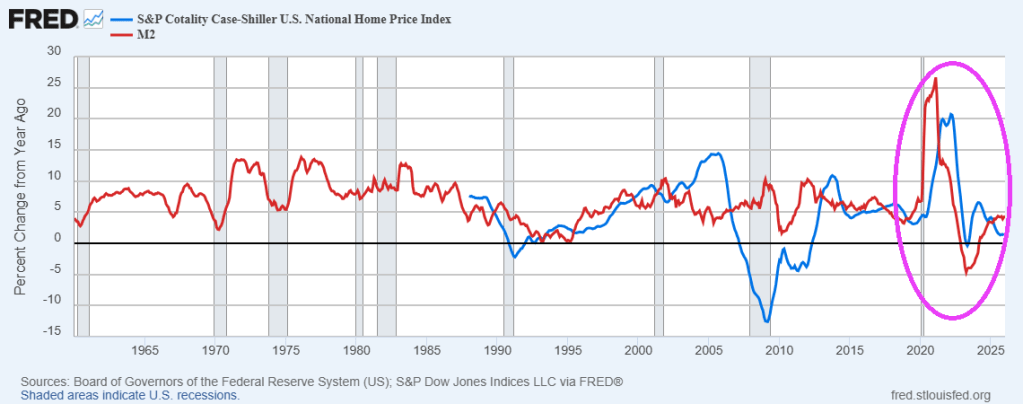
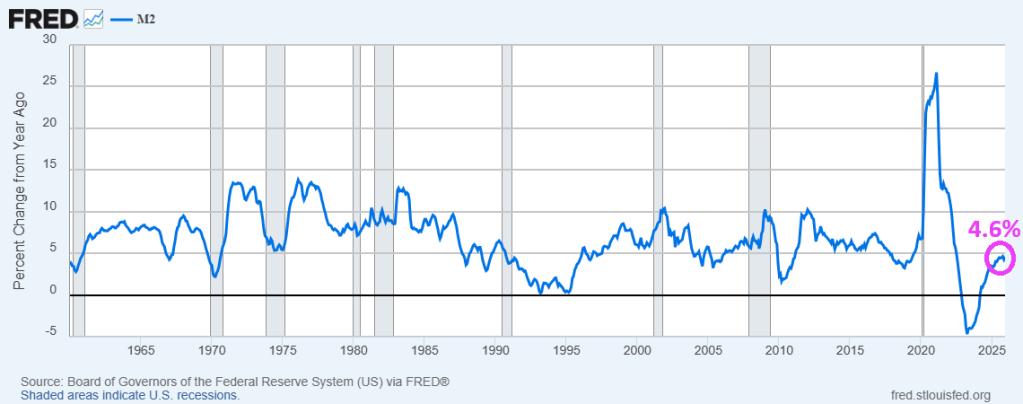
Housing price growth has stalled even though M2 money growth is higher YoY.

On the silver front, silver regained losses yesterday, but increased margin requirements are causing losses again.

Today.

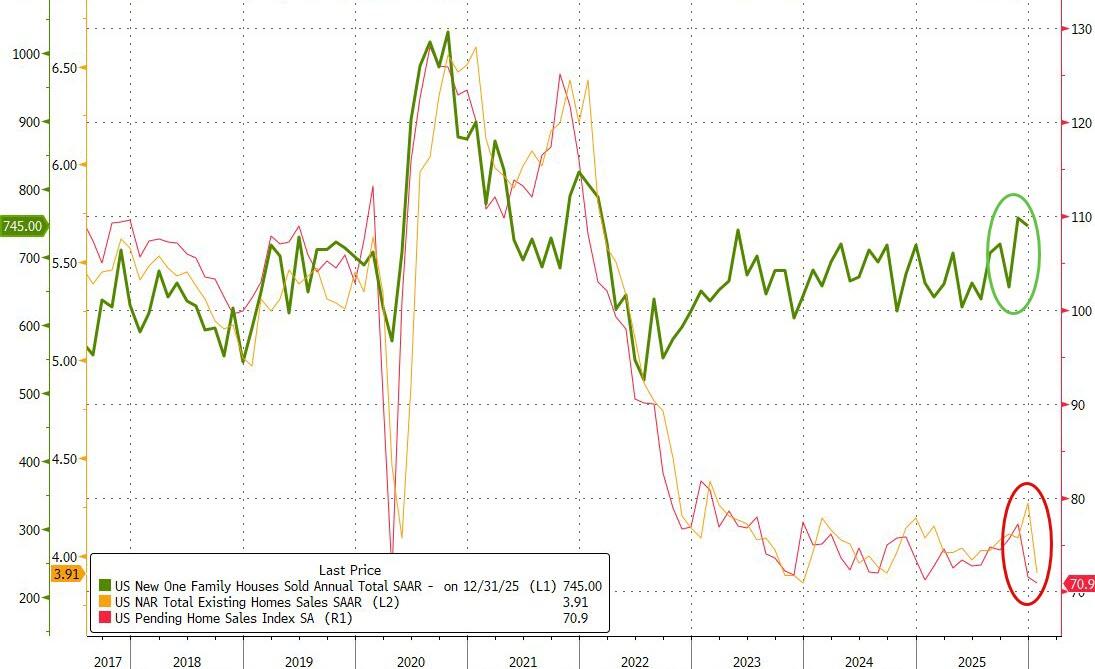
Housing Thunder? Pending Home Sales Surge 3.3% MoM (Highest Since Feb 2023)

Housing thunder? Or housing lightning!

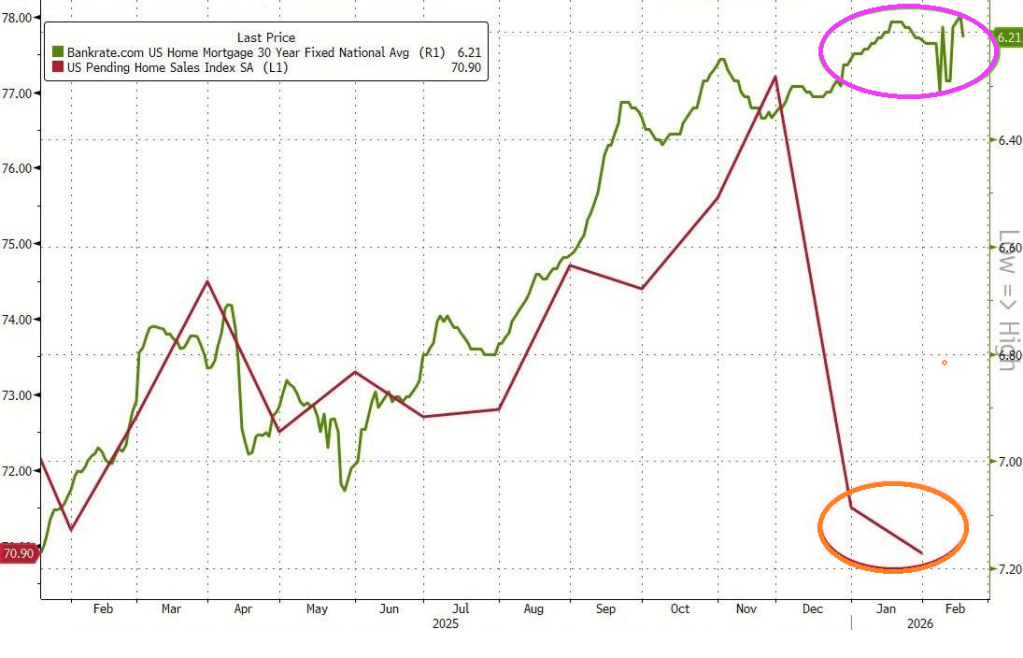
Pending sales of existing homes in the US surged 3.3% MoM (more than the expected 0.9% MoM move) in November as a modest improvement in prices and mortgage rates encouraged buyers.

The gain was broad-based across regions and exceeded all but one estimate in a Bloomberg survey of economists, but left the YoY change in sales somewhat stagnant on an NSA basis.

Signings have now increased for four straight months, matching a streak seen during the frenzied housing market of the pandemic.

The trade association’s report on Monday showed contract signings rose in each US region last month to their highest levels of the year. The West posted the largest increase, followed by the South, the nation’s largest home-selling region.

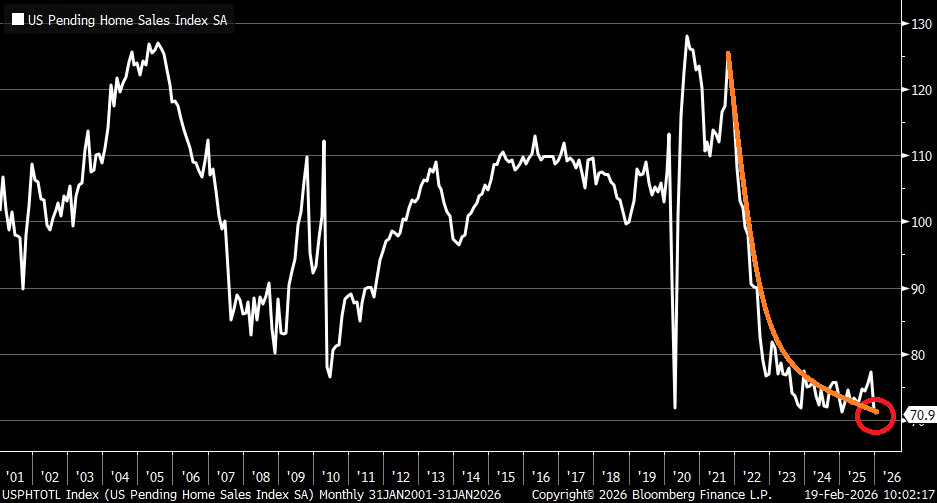
November’s surge dragged the Pending Home Sales Index to its highest since Feb 2023

Bloomberg reports that the recent data point to the gradual improvement many economists see for the housing market into 2026.

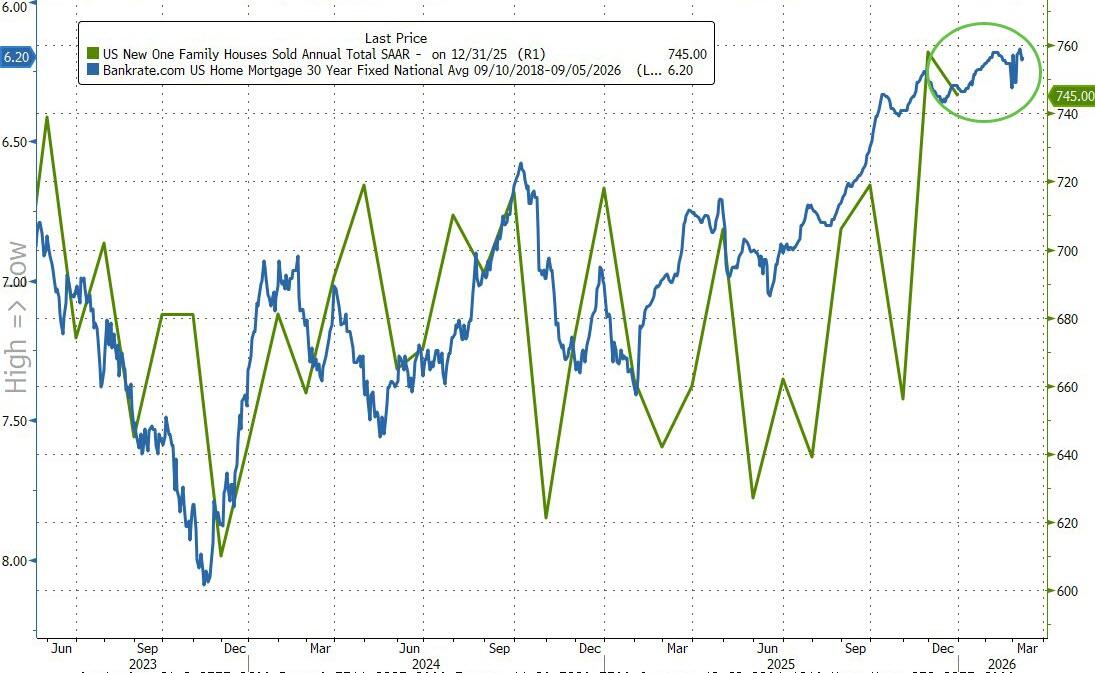
Mortgage rates that were close to 7% in May have since settled in the 6.3% to 6.4% range, and home prices are growing at a much slower rate compared to last year.

That’s helped fuel small gains in contract closings in recent months. However, economists and industry experts have widely different expectations for next year.

In a recent survey of nine market analysts, estimates for the home resale market ranged from 1.7% to 14% sales growth, with the rosiest projection coming from NAR’s Yun.

Pending-homes sales tend to be a leading indicator for previously owned homes, as houses typically go under contract a month or two before they’re sold.

Gold And Silver: Silver Up 10% On Friday, Gold Outperforming Stock Market Over Last 30 Years (Silver Hit $79.2708!)

Gold and silver. Gold is now outperforming the Stock Market over the last 30 years.

Silver is up 10% on Friday.

Silver (XAG) just hit the $79.2708 price point.

Dino’s song. A shout-out to David Freiberg on the Gibson SG bass and John Cipollina on the Gibson SG guitar. I love the Gibson SG!

Mortgage Demand Decreased 5.0 Percent From One Week Earlier (Purchase Index Decreased 6 Percent, Refinance Index Decreased 6 Percent)

Twas the end of the year and mortgage demand is poor, but the new year is just around the corner and mortgage demand will rise.

Mortgage applications decreased 5.0 percent from one week earlier, according to data from the Mortgage Bankers Association’s (MBA) Weekly Mortgage Applications Survey for the week ending December 19, 2025.

The Market Composite Index, a measure of mortgage loan application volume, decreased 5.0 percent on a seasonally adjusted basis from one week earlier. On an unadjusted basis, the Index decreased 6 percent compared with the previous week. The seasonally adjusted Purchase Index decreased 4 percent from one week earlier. The unadjusted Purchase Index decreased 6 percent compared with the previous week and was 16 percent higher than the same week one year ago.

The Refinance Index decreased 6 percent from the previous week and was 110 percent higher than the same week one year ago.

Overall mortgage application volume fell last week, despite the slight decline in mortgage rates. I expect the trends of a softening job market, sticky inflation, elevated home inventories, and steady mortgage rates will persist into the new year.

Simply Unaffordable? A Different View Of US Housing Prices (Gov’t Needs To Stop Manipulating The Housing Market)

Politicians love to scream about housing being simply unaffordable. Like mayor-elected Mandami in New York City. But the reality is that housing prices vary by city and there are more affordable cities than New York City to choose from. Federal policies should not be focused on letting people staying a particular city.

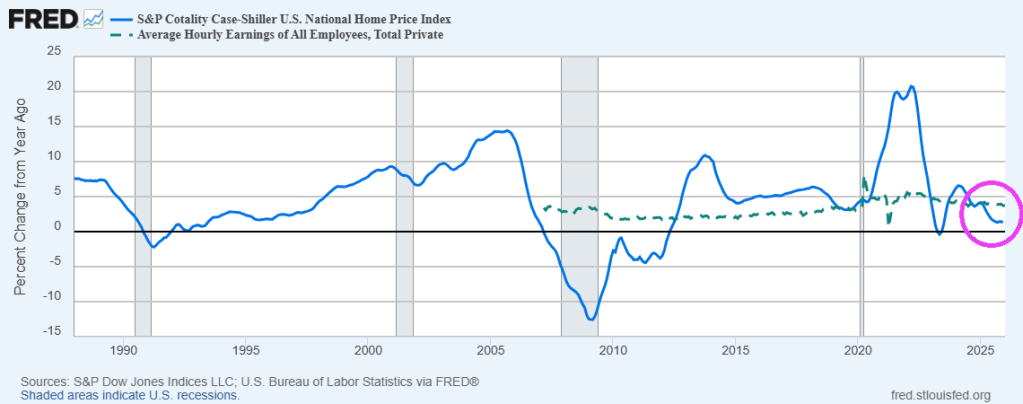
When we look at housing prices compared to average hourly earnings, we see housing prices rising with average hourly earnings … as expected.

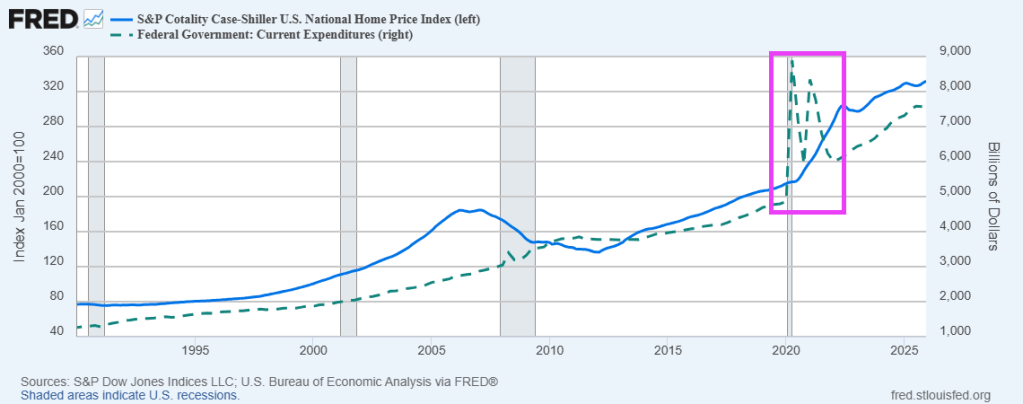
If we look at year-over-year changes, we see the Covid bump in housing prices corresponding with the surge in Federal spending. But things have simmered down since the bump in 2020-2023.

My suggestion is for the Federal government to stop interfering in the housing market.

US Treasury Yield Curve Steepens As 30Y Mortgage Rate Hovers Around 6.30% (Existing Home Sales Rise 0.5% In November)

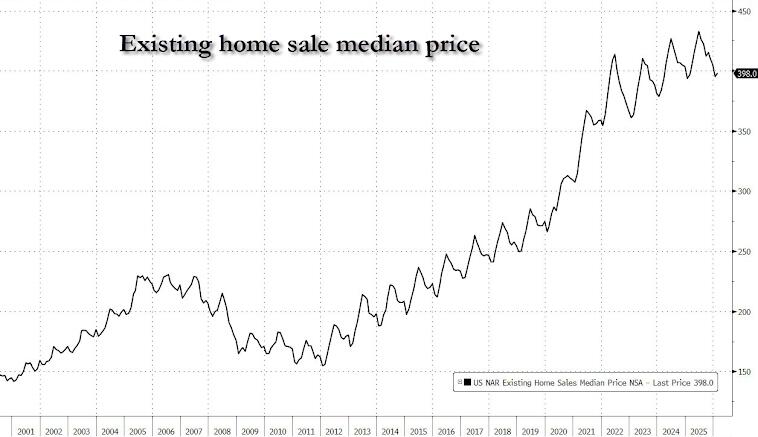
Housing price growth has slowed due to high housing prices caused, in part, by Covid-era Federal spending.

Not helping is The Federal Reserve, helping to keeps rates relatively high. The US Treasury yield curve is steepening.

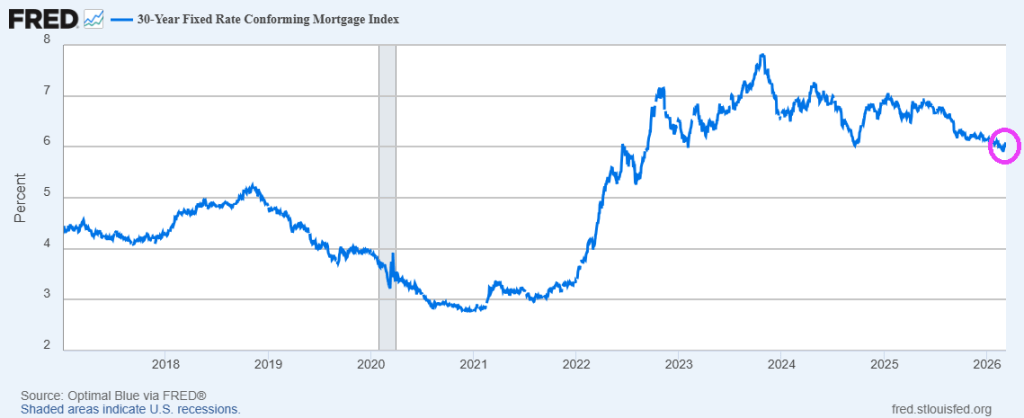
While 30-year mortgage rates hover around 6.30%.

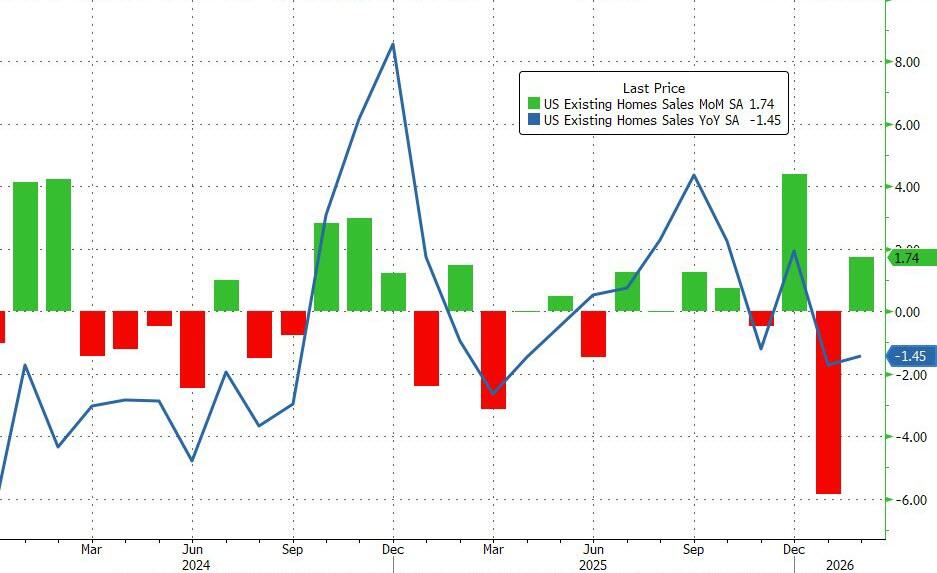
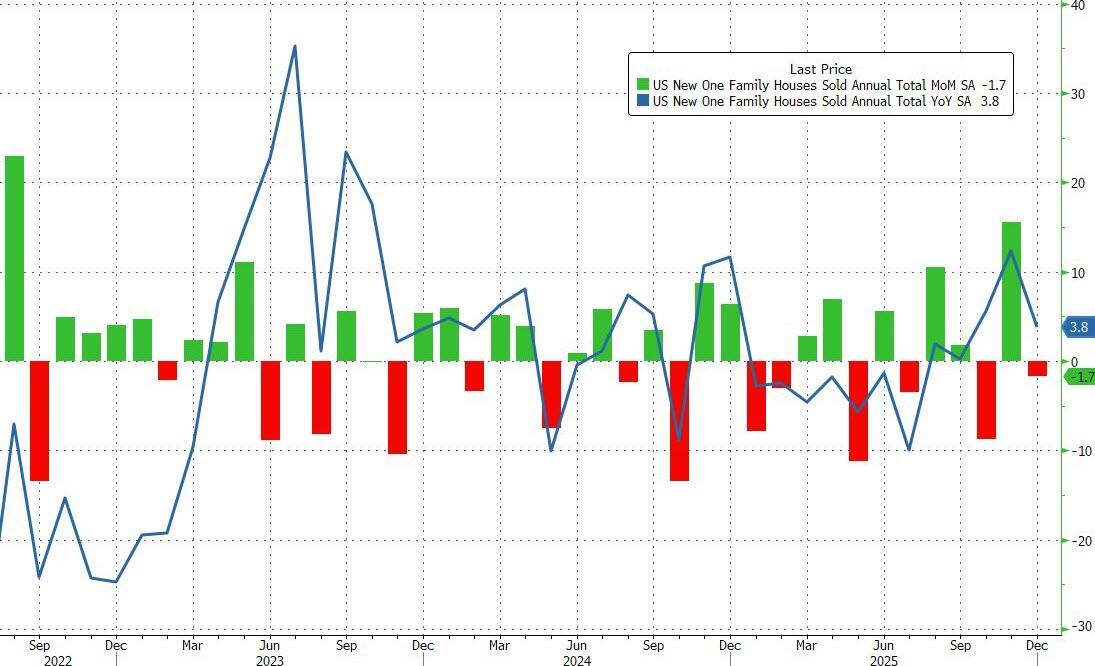
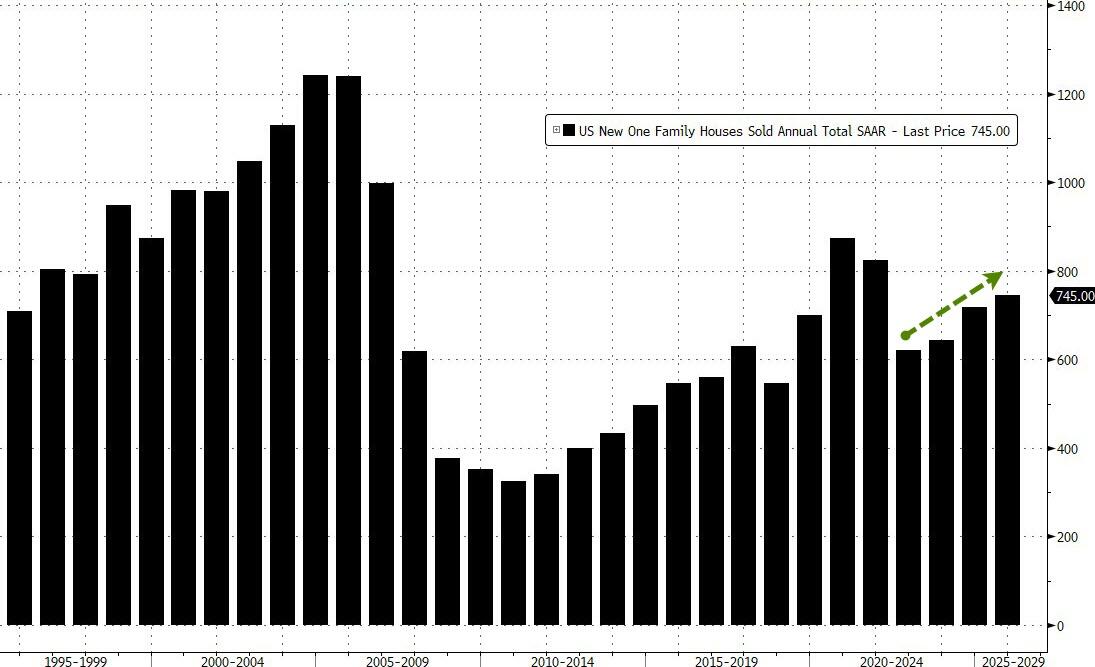
Existing home sales rose 0.5% in November.

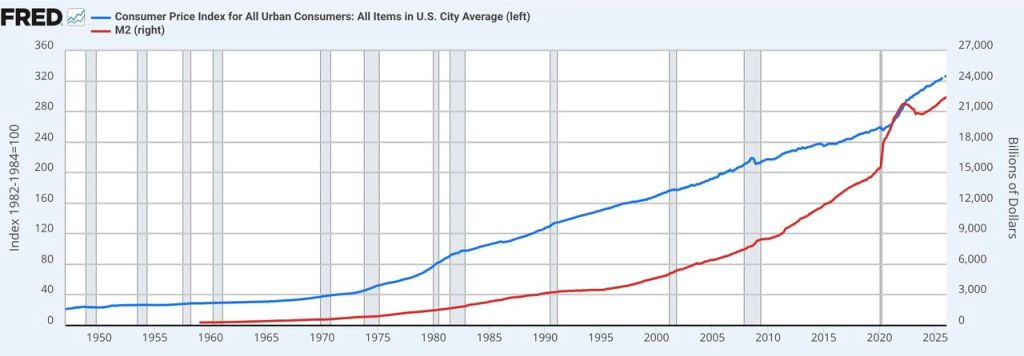
And as The Fed keeps on printing money (M2), we will see existing home sales increase.

Keep On Printing? US GDP Still Growing At 3.5% Despite Malaise In Construction And Imports (So Much For Tariff Hysteria)

Well, tariffs didn’t turn out to be a lethal weapon as Democrats predicted. The US economy continues to grow!

The GDPNow model estimate for real GDP growth (seasonally adjusted annual rate) in the third quarter of 2025 is 3.5 percent on December 16, down from 3.6 percent on December 11. After this morning’s releases from the US Census Bureau and US Bureau of Labor Statistics, the contributions of consumer spending and inventory investment to third-quarter real GDP growth fell slightly to 1.84 and 0.09 percentage points, respectively.

All signs except real estate construction and imports point to continued economic growth.

But as long as The Federal Reserve continues to print money (M2), the economy will continue to grow. Keep on printing?

Keep on printing?