Simply Unaffordable! Housing Has Gotten More Unaffordable Over Past Year (Addicted To Gov)

Housing in the US is getting “simply unaffordable.” And it has gotten far worse over the past year. Thanks to BAD government policies.

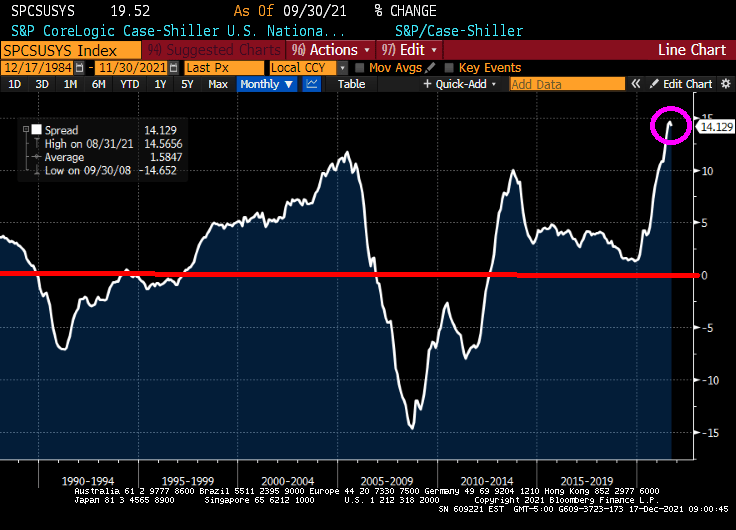
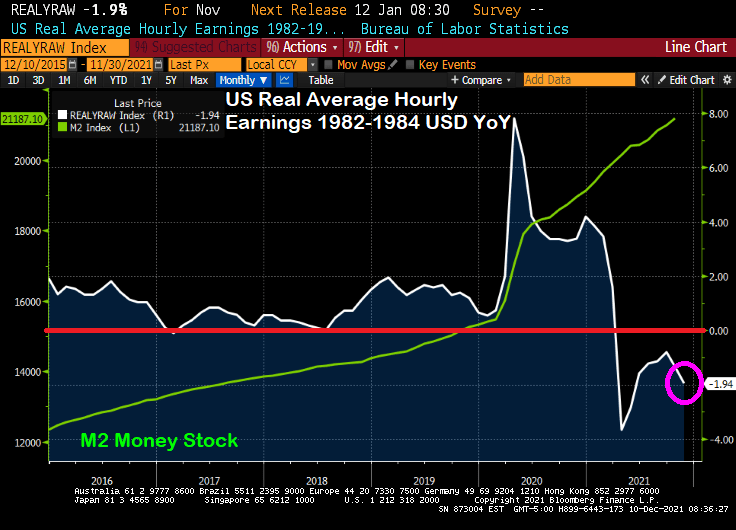
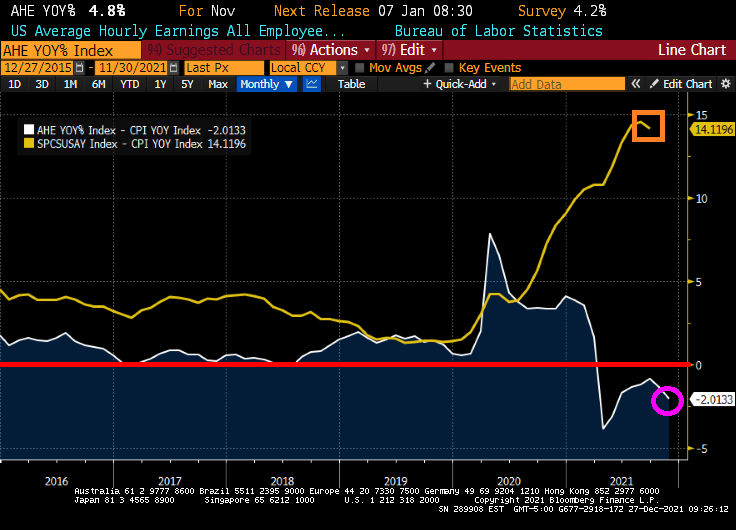
While wage growth is positive, inflation is sucking the life from consumers. REAL average hourly earnings growth is -2.0133%. Even worse, home prices are rising at a 14.12% pace in REAL terms. So, wages are losing to inflation and housing is pulling away from renters in terms of affordability.`
This image has an empty alt attribute; its file name is realwagecs.png

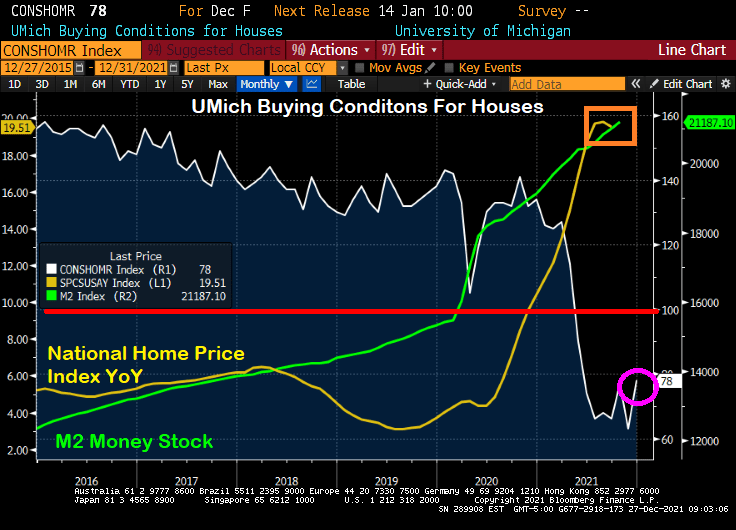
So it is not surprising that the University of Michigan consumer survey for “Buying Conditions For Housing” remains below 100 (meaning that more people think buying conditions for housing are negative than positive). With the Case-Shiller National home price index growing at a 19.51% YoY pace, it is no wonder that consumers are getting scared of the housing market.
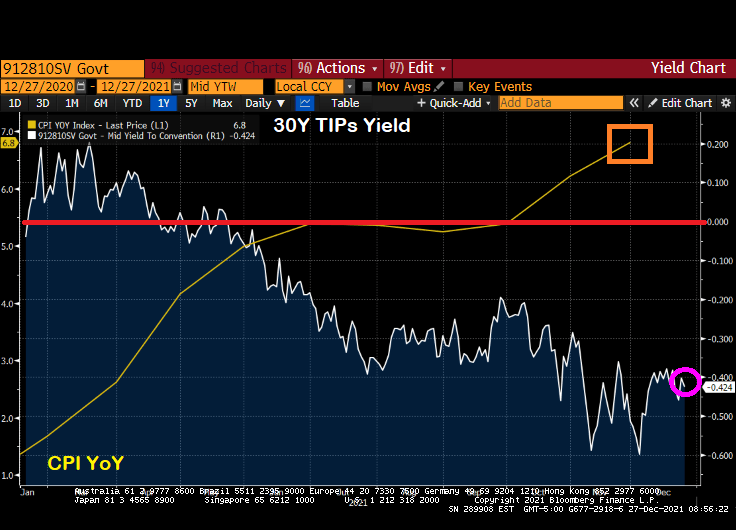
Yes, US inflation is at a 40-year high and the 30-year Treasury Inflation Protected (TIP) yields is at -0.424%. That says quite a bit about the pickle US consumers are in.
US consumer confidence overall has declined to the lowest level since just after the financial crisis and housing bubble burst of 2008-9.


Doctor, Doctor (Yellen), please don’t try to make housing more “affordable” which will result in housing being even LESS affordable.

But I do like how Biden took credit for lowering gasoline prices a little after his anti-energy policies drove up gasoline prices in the first place from $2.20 to $3.40 a gallon, a 55% price increase. Thanks for nothing, Joe!

And with Omicron raging (with few reported deaths), Anthony Fauci, President Biden’s top medical adviser, indicated support for making vaccinations a requirement for domestic fights.

More loss of personal freedom, more government control. We are truly addicted to gov.
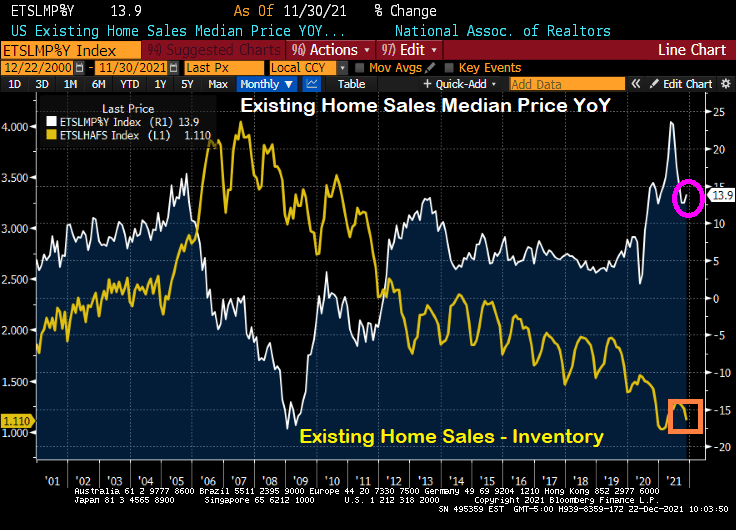
US Existing Home Sales Rise In November While Median Price Rises 13.9% YoY Amidst Declining Inventory

While the Bureau of Labor Statistics uses a lame measure of house price inflation, US existing home sales MEDIAN PRICE YoY is growing at 13.9%.

US existing home sales rose by 6.46 million units SAAR, less than the expected 6.53 million units SAAR.

Where is the inventory increases that various talking heads were predicting would emerge? Maybe they meant SUBMERGE?

Here is a video of me looking for the increasing inventory.

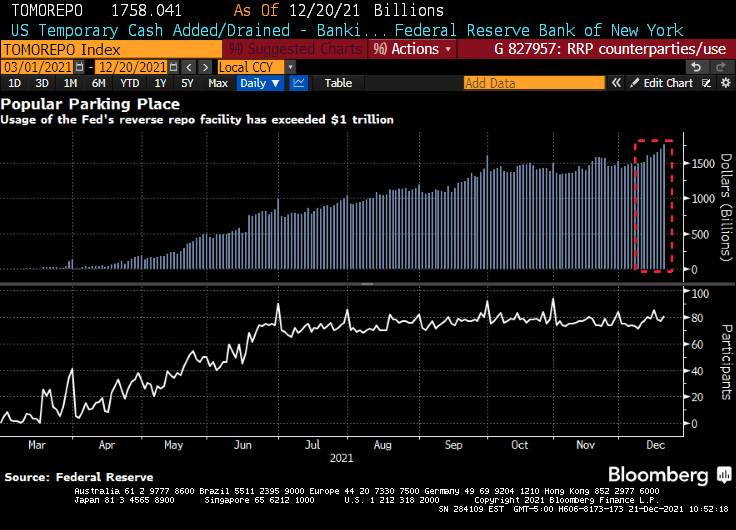
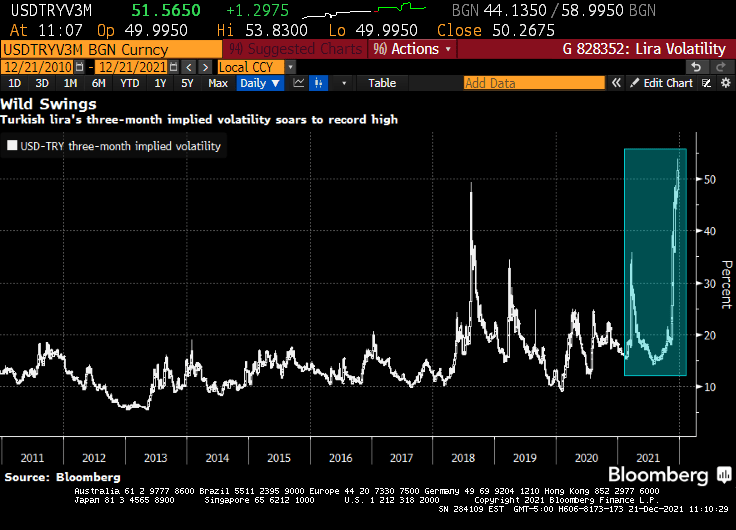
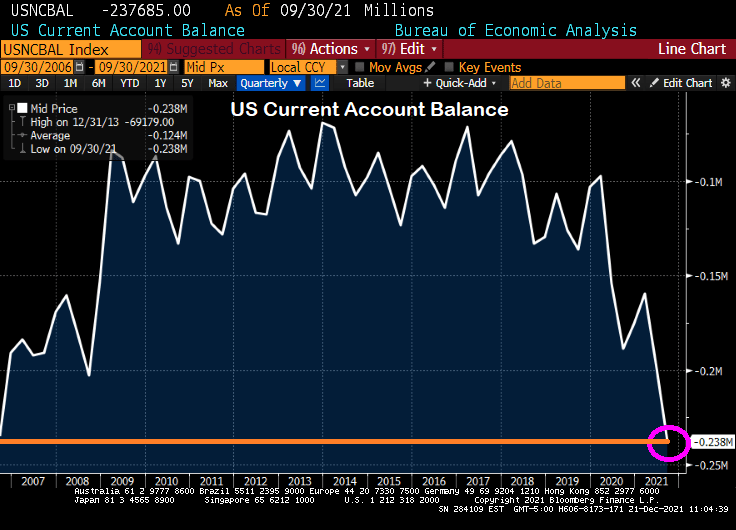
Fed Reverse Repo Usage Rises to Record for Fourth Straight Day As Turkish Lira Volatility Hits All-time High And US Current Account Balances Rise To 2006 Levels

(Bloomberg) — The amount of money that investors are parking at a major central bank facility climbed to yet another all-time high as supply-demand imbalances continue to dog U.S. dollar funding markets. 

Eighty-one participants on Monday placed a total of $1.758 trillion at the Federal Reserve’s overnight reverse repurchase agreement facility, in which counterparties like money-market funds can place cash with the central bank. That surpassed the previous record volume of $1.705 trillion from Dec. 17, New York Fed data show.

Demand for the so-called RRP has climbed further as principal and interest payments from government-sponsored enterprises has entered short-end funding markets. However, that cash is expected to exit the overnight space by the end of the week as the Treasury ramps up its issuance of Treasury bills now that Congress has increased the debt limit. 

Overall volume has been rising this year as a flood of cash continues to overwhelm the U.S. dollar funding markets due to central-bank asset purchases and the drawdown of the Treasury’s cash account, which is pushing reserves into the system. The larger takeup looks set to persist even as the Fed tapers its asset-purchase program — something it began this month — because the supply-demand imbalances in short-end securities are likely to persist.

Then we have the Turkish Lira volatility hitting an all-time high.

And finally we have the US Current Account Balance rising to levels last seen in 2006 just after the peak of the US housing bubble.

Mele Kalikimaka!

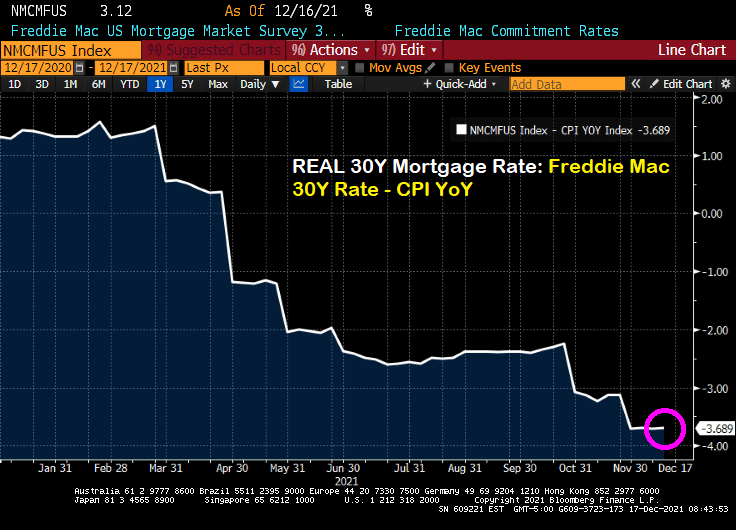
Freddie Mac Mortgage Rate Rises To 3.12%, REAL Mortgage Rate At -3.689% (REAL Home Price Growth At 14.12% While REAL Wage Growth At -1.94%)

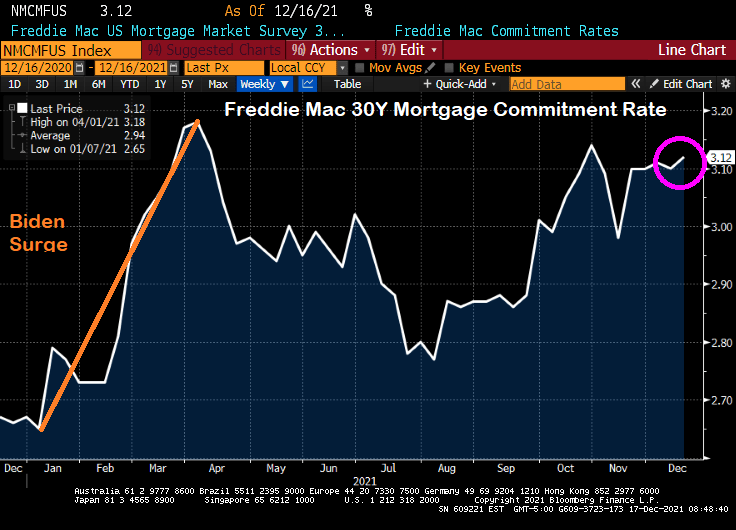
The Freddie Mac 30-year mortgage commitment rate rose to 3.12%. But once we subtract the gut-wrenching inflation rate, the REAL 30-year mortgage rate is -3.689%.

The nominal Freddie Mac 30-year commitment rate rose to 3.12% which is still lower than 3.18% back on April 1, 2021 after surge in rates following Biden’s taking the office of Presidency in January.

Meanwhile, the REAL Case-Shiller National home price index (CS National YoY – CPI YoY) is growing at the fastest rate in history. Great if you already own a home, but lethal if you are renting and want to move to homeownership.

Meanwhile, REAL wage growth is at -1.94% YoY.

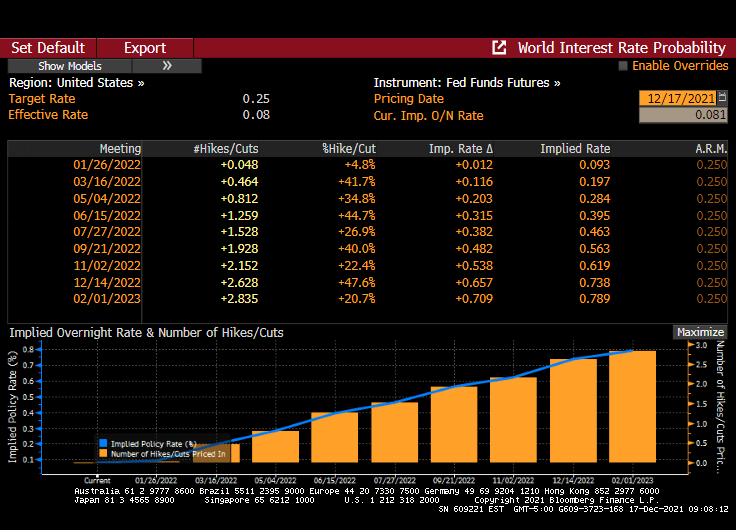
Well, Chairman Powell and The Gang failed to raise the Fed Funds Target Rate yet again, but let us know that they will tighten someday soon. The Fed Funds Futures are signalling a rate hike at the June 2022 meeting and another at the November meeting.

While The Fed couldn’t care less about the Taylor Rule, it is still interesting to note just how out of touch The Fed FOMC is with reality. The Taylor Rule indicates that their target rate should be 16.94% rather than the current target rate of 0.25%.

Keeping the target rate unchanged in the face of gut-wrenching inflation is a bold strategy, Cotton.

Let’s see if it pays off.

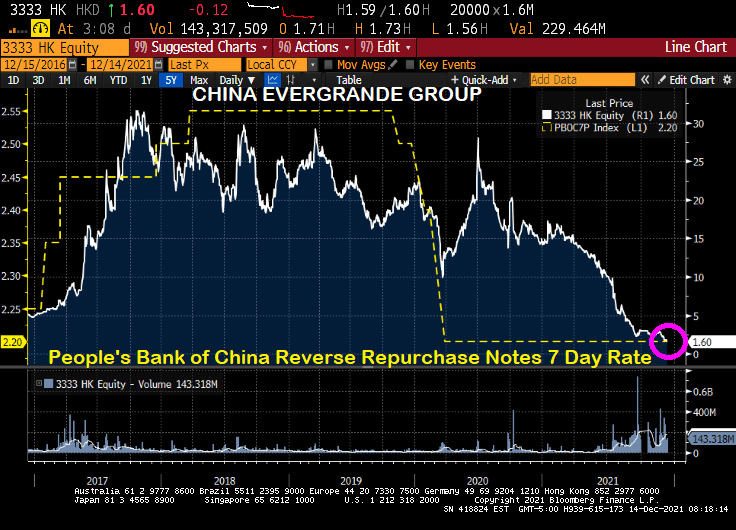
Lumber Prices UP 127% From Recent Low Helping Drive Up Housing Prices And Bubble (Evergrande Stock Falls To $1.60)

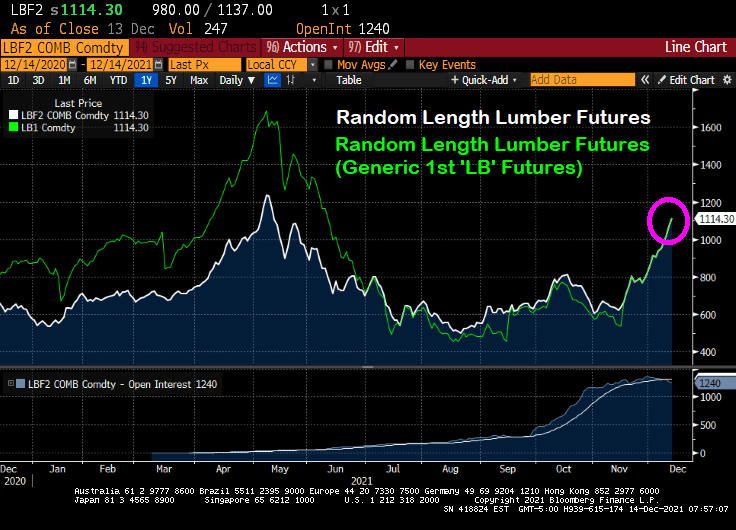
Lumber prices are above $1,000 for the first time since early summer as a hot housing market continues to drive demand.

According to Markets Insider, lumber prices are up 127% from its most recent low. With demand high and supplies low, record low interest rates still drive homeowners to the market, so much that builders are struggling to keep up.

Note the surge in lumber futures prices back in April and May 2021 that eased. But lumber futures prices are gaining steam again.

Let’s see what happens to lumber prices and new home prices if and when The Federal Reserve decides to takes its gargantuan foot off the monetary accelerator pedal.

In other housing-related news, China’s Evergrande remains in the news as its stock price founders.

Perhaps Evergrande should declare bankruptcy.

Bond Traders Stare at Worst Real Returns Since Paul Volcker Era Thanks To Inflation (The Fed’s Famous Chili!)

Inflation-adjusted return of Treasuries fell to lowest since the 1980s. For bond investors, this is their version of Kevin’s Famous Chili from The Office! Or The Fed’s Famous Chili!

(Bloomberg) — Treasury investors are losing more money than they have in four decades, once inflation is taken into account. And if markets are right, they’re unlikely to come out ahead for years. 

The federal government’s debt has already lost about 2% outright over the past year as the Federal Reserve started removing pandemic-era stimulus from the economy and inched closer toward raising interest rates. But on top of that, the consumer price index has surged 6.8%, putting investors even deeper in the hole. 

Taken together, that’s resulting in the worst real returns — or those adjusted for inflation — since the early 1980s, when then Fed Chair Paul Volcker was in the midst of fighting a wage-price spiral. What’s more, the dynamic isn’t expected to change: The bond market is projecting that 10-year Treasury yields will hold below the inflation rate for the next decade, meaning any investment income will be more than wiped out by the rising cost of living.

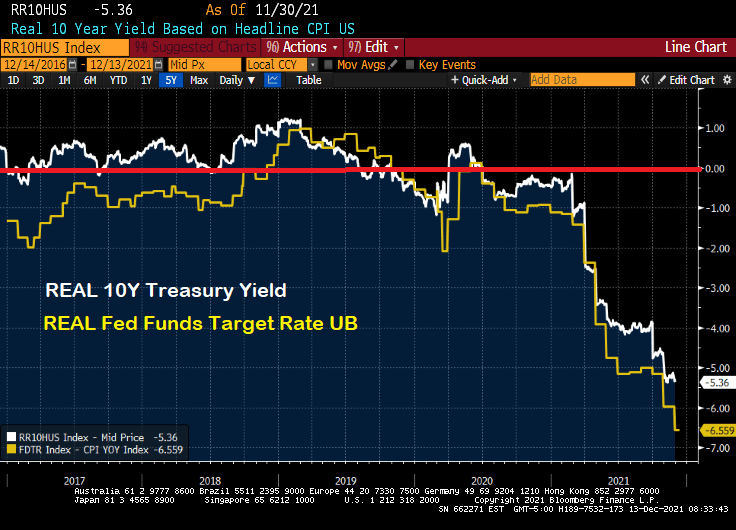
If we look at the REAL 10-year Treasury yield and REAL Fed Funds Target Rate, they are both negative.

Let’s see if Powell spills his famous chili on Wednesday at 2:00PM EST. The Fed keeps saying they are serious about controlling inflation, just like Kevin Malone.

Psst! US Inflation Is REALLY >11% YoY (Not The Stated 6.9% YoY)

Earlier today I wrote about the horrible November Consumer Price Index (CPI) print of 6.9% YoY.

But that 6.9% YoY is very misleading because of the strange way the Bureau of Labor Statistics measures the largest asset in most households’ expenditures: housing.

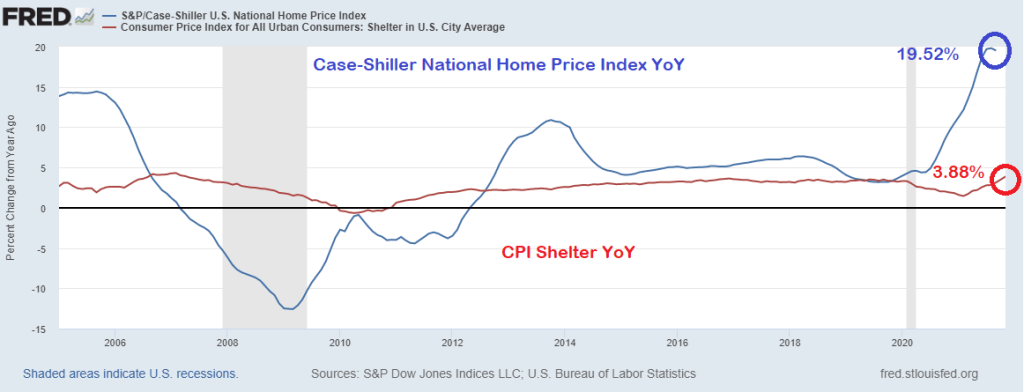
The BLS measures inflation in housing using the Shelter measurement. Which was only 3.88% YoY. The problem is that the Case-Shiller National Home Price Index was 19.52% in its last reading. That is quite a discrepancy.

So, if we substitute the Case-Shiller National home price index for the CPI Shelter, we get an inflation rate of greater than 11%.

And with the Zillow Rent for all homes index growing at 11.2%, this feels more like we are being hit over the head with. Or like trying to eat raw oyster stew … when the oyster fight back.

Here is a video of The Federal Reserve and the Biden Administration trying to control inflation.

Real Wage Growth Falls To -1.9% As Inflation Rises To 6.8% In November (Taylor Rule Rate Rises To 16.94% While Fed Remains At 0.25%)

Inflation keeps rising and consumers keep getting hurt. No wonder President Biden’s team sent out a media splash asking them to put a smile on that face and hype the economic recovery.

Real wage growth fell to -1.9% YoY in the latest Consumer Price release. As The Fed keeps its massive foot on the monetary gas pedal.

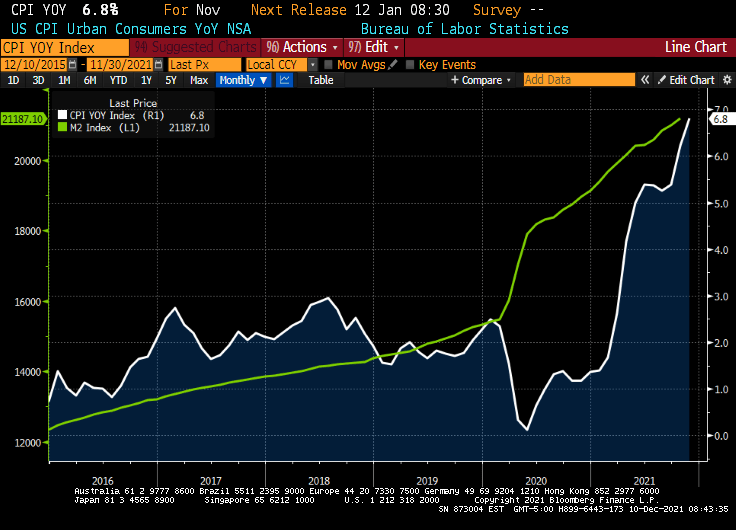
The overall Consumer Price Index (CPI) rose 6.8% YoY.

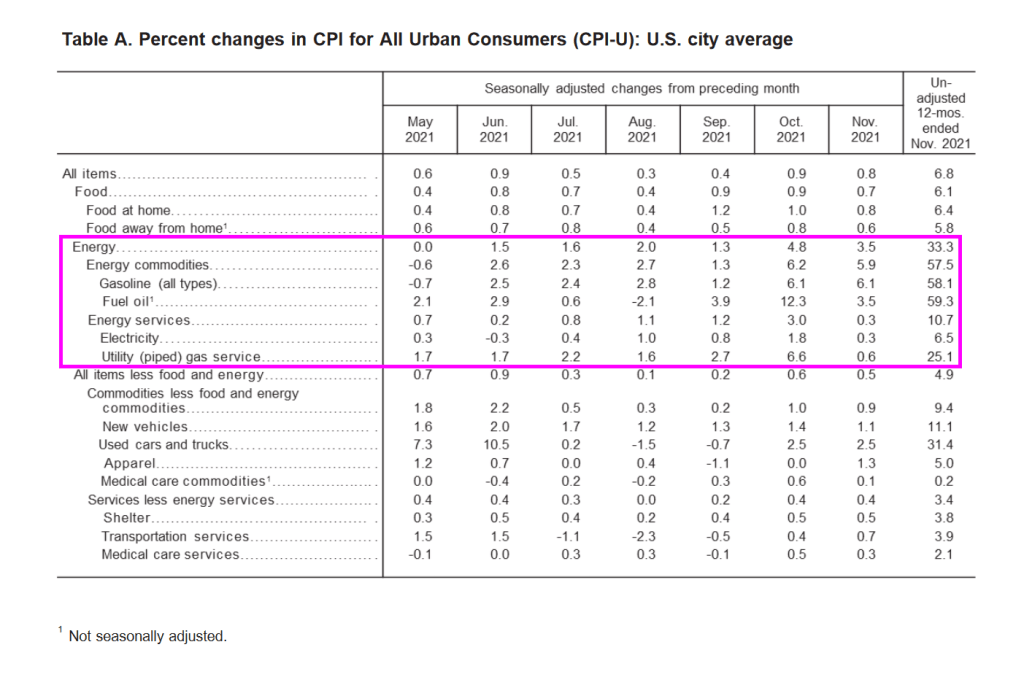
The biggest gains in Consumer Prices were for energy with gasoline rising 58.1% YoY. But almost nothing was spared the rod of government policies.

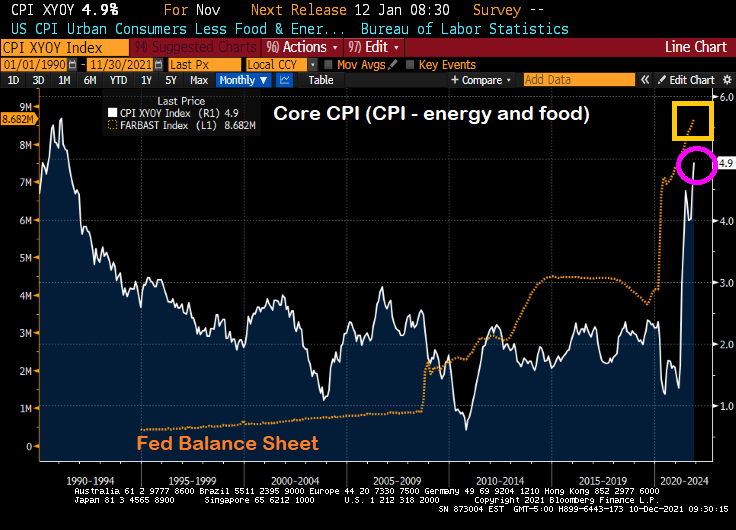
Core inflation (CPI – energy – food) rose to 4.9% YoY, the highest since 1991.

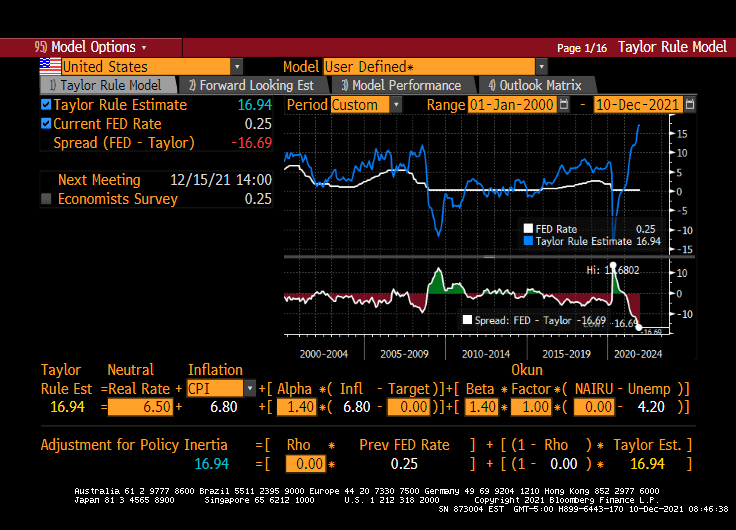
The Taylor Rule, what The Fed Funds Target rate SHOULD be, rose to 16.94%. Versus the current rate of 0.25%. Its as if The Fed Open Market Committee is watching Tik-Tok instead of the economic numbers.

UMich Buying Conditions For Housing PLUNGES To 63 Due To Outrageous Home Price Growth & Lessons From The Yellen Pivot

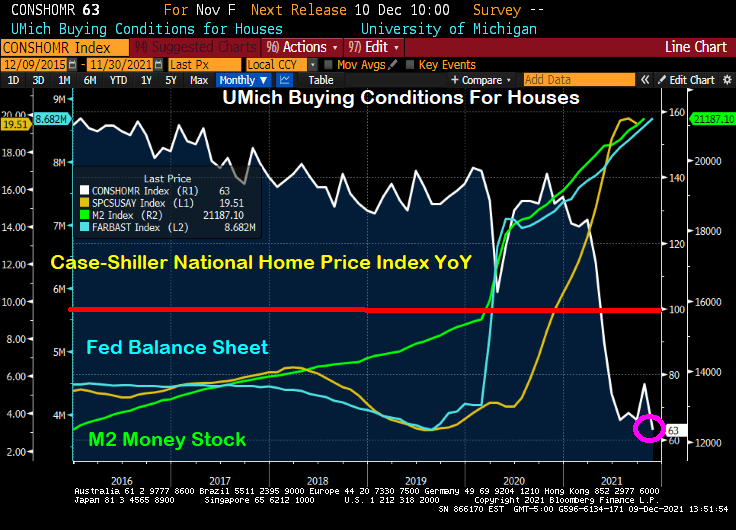
Just look at this chart of the University of Michigan Buying Conditions For Houses index. It was positive (meaning above 100) until shortly after COVID struck and The Federal Reserve rode to the rescue. National home price growth was already at 4.57% YoY in March 2020, then ballooned to 19.51% YoY at the last reading.

Here is the same chart with the broader M2 Money stock and The Fed’s Balance sheet. Same results, just not as dramatic as M1.

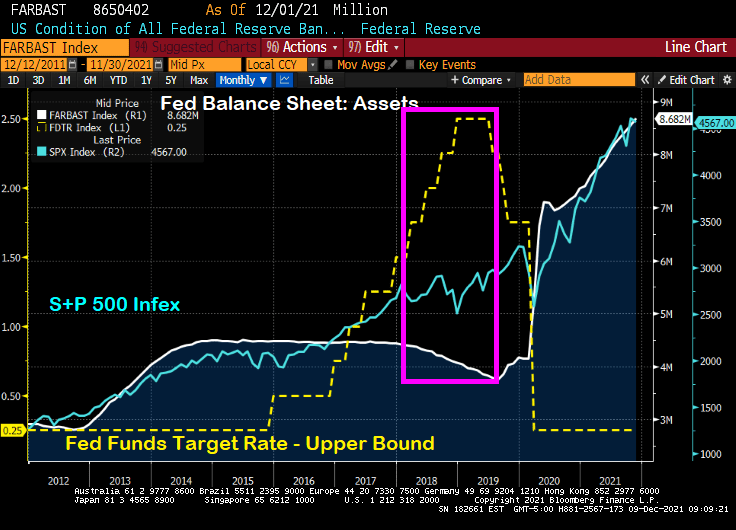
We will soon find out if The Federal Reserve will announce a rate hike or taper news. They are likely to confirm tapering, particularly if they believe that tapering won’t roil markets. After all, then Fed Chair Janet Yellen and the FOMC decided to let the Fed’s balance sheet taper (white line) while, at the same time, increasing the Fed’s target rate (yellow line). The S&P 500 index rose 9.5% over the taper/rate increase period of 12/29/2017 to 8/30/2019.

But since Stimulypto (2/28/2020 to 11/30/2021), the Fed’s balance sheet doubled+ from $4,158,637 to $8,681,771. And The Fed Funds Target Rate (UB) immediately fell from 1.75% in February 2020 to 0.25% in March 2020 … and has stayed there ever since. The S&P 500 index rose 54.6% over this Stimulypto period.

But The Fed’s upcoming decision on December 15, 2021 may be a Yellen-pivot (taper balance sheet, but raise The Fed Funds Target rate). But, then again, maybe not. The Fed is getting really bad about forward guidance and choose instead to surprise us. Hence, this is why an a-political rule is preferred (such as the Taylor Rule).

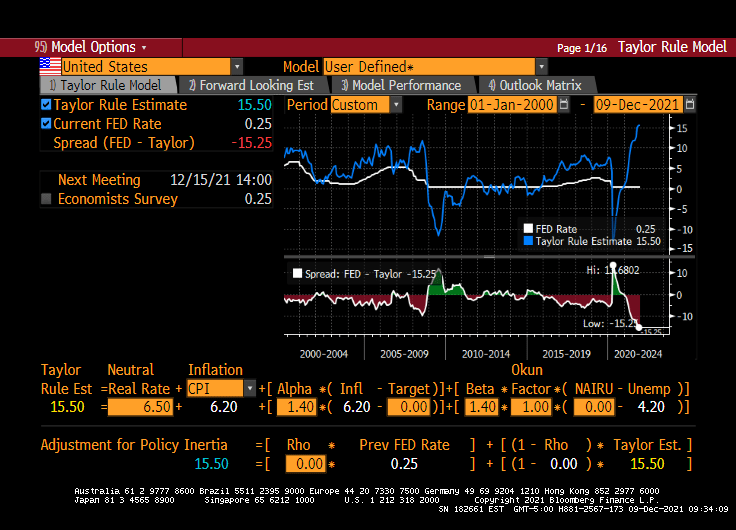
Unfortunately, the Taylor Rule infers a Fed Funds Target rate of 15.50% (using CPI YoY running at 6.20% YoY. If The Fed raises their target rate by 25-50 basis points at the December 15th meeting, color me surprised.

So, the Powell Pivot may just be the Yellen Pivot after all.

S&P 500 REAL Earnings Yield At -2.33% While REAL Wage Growth At -1.43% (REAL 30Y Mortgage Rate At -3.11%) “Weird, Wacky Stuff!”

As Parks and Recreation’s Martin Housely said, “Weird, wacky stuff.”

We now have the S&P 500 REAL earnings yield at -2.33%.

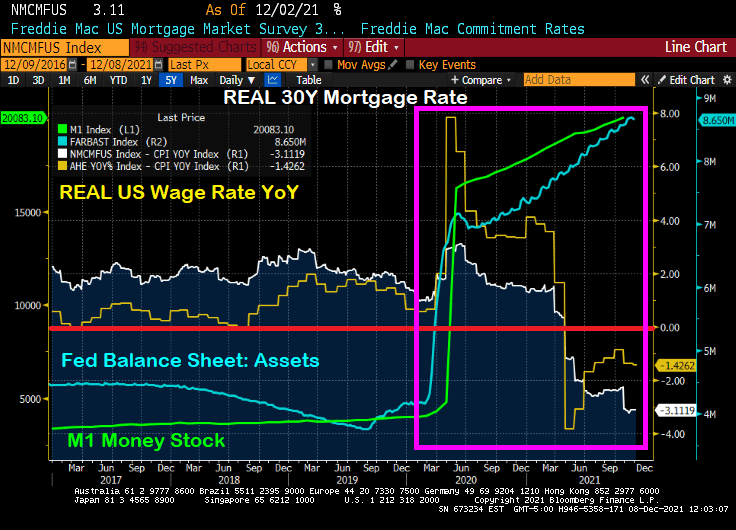
REAL US average hourly wage growth is at -1.43% and the REAL 30-year mortgage rate is at -3.11%.

The cause of this weird and wacky economic stuff? How about the surge in M1 Money and The Fed Balance Sheet?

I can almost see Fed Chair Jerome Powell imitating Martin Housely and saying “Weird, wacky stuff” in his testimony before Congress.