Bank Contagion? First SVB Crashes, Now First Republic Bank (Down -28% At Open)

Ah, memories! I still remember the 2000s housing bubble and subsequent financial crisis and bank bailout from 2008/2009 like it was yesterday. And I remember Representative Barney Frank (D-MA) claiming that the Dodd-Frank legislation would end bank bailouts. I laughed out loud when I heard Mr. Frank utter those preposterous words.

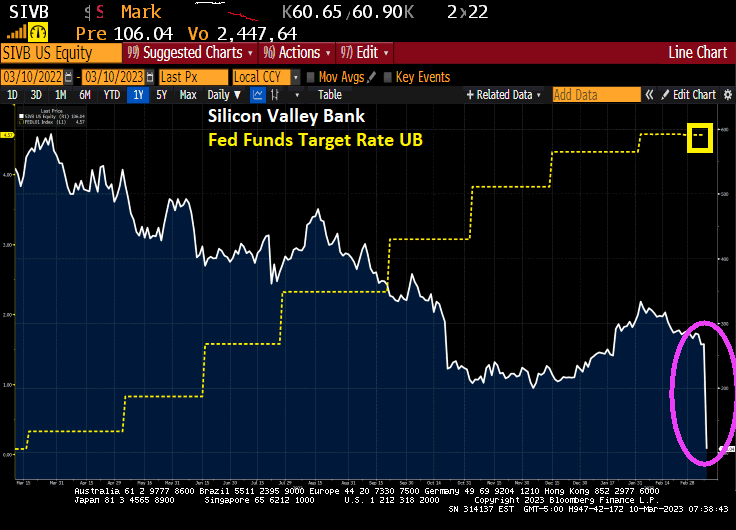
Now here we are again with yet another bank contagion. First it was Silicon Valley Bank, now it is First Republic Bank (down -28% at opening).
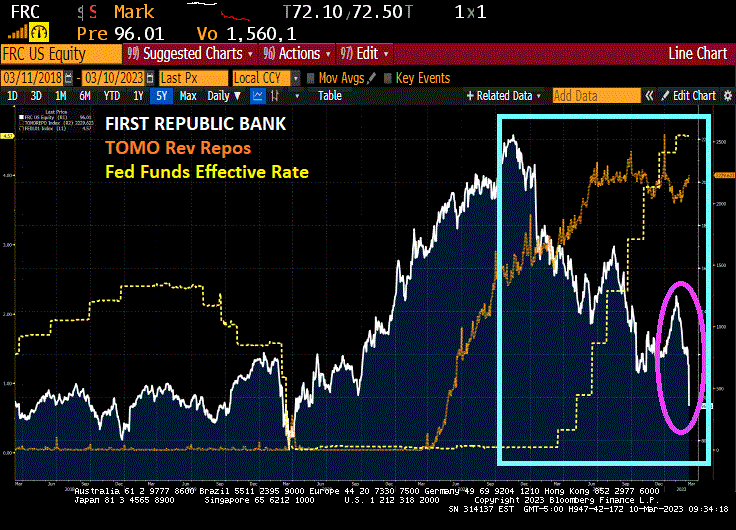
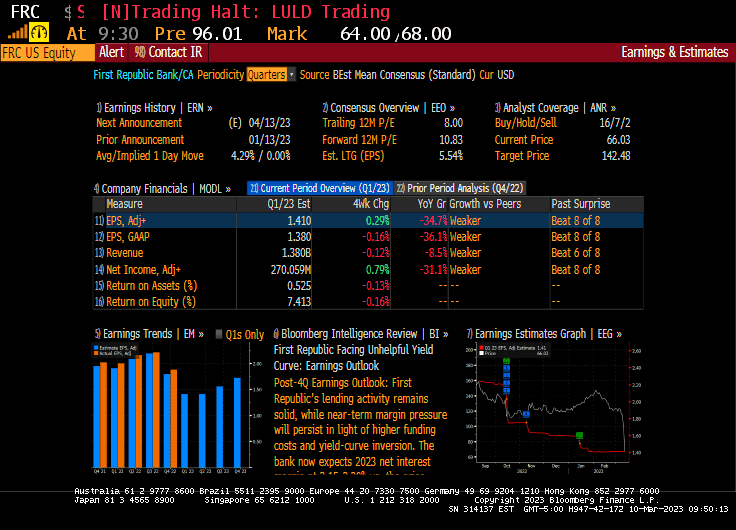
And there is a trading halt on First Republic. But YoY growth on FRC’s earnings of -34.7% is horrendous.
At least cryptobank Silvergate isn’t down as much as Silicon Valley Bank and First Republic Bank.

And the SPDR Regional Bank index is getting clobbered as Fed withdraws stimulus.

SVB’s management’s solution appears to have been to seek out yield through a lot of long-duration bonds. The bank started to lose deposits as VCs pulled cash/burnt through operating capital.

SVB’s CEO Greg Becker saw this coming and dumped his holdings.

Where were the regulators??

February Jobs Report Comes In Hot, Hot, Hot (Avg Hourly Earnings UP 4.6% YoY, Too Bad Inflation Is At 6.4% YoY)

According to the US Bureau of Labor Statistics (BLS)https://www.bls.gov/news.release/empsit.nr0.htm, the February jobs report came in hot, hot, hot.

One indicator that the Biden Administration will herald is that average hourly earnings rose to 4.6% Year-over-year (YoY). Too bad headline inflation is still at a whopping 6.4% YoY.

More jobs were added to the US economy than forecast (311k actual versus 225k forecast). The U-3 unemployment rate rose to 3.6% from 3.4% in January.

The biggest gainer in jobs? Food services and drinking places, of course, at 69.9 k jobs added.

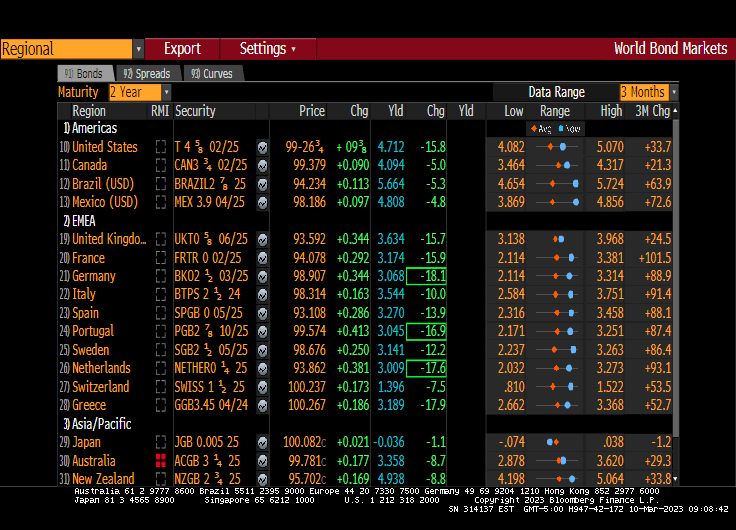
The aftermath of the jobs report? 2-year Treasury yields are down a whopping -15.8 basis points. But Europe is seeing double digit declines in sovereign yields as well.

At the 10-year tenor, we see the US Treasury yield drop -12.8 basis points. Much in line with European sovereign yield declines.

Big 4 Banks And SVB: Canaries In The Economic Coal Mine? (SVB Racing To Prevent a Bank Run As Funds Advise Pulling Cash)

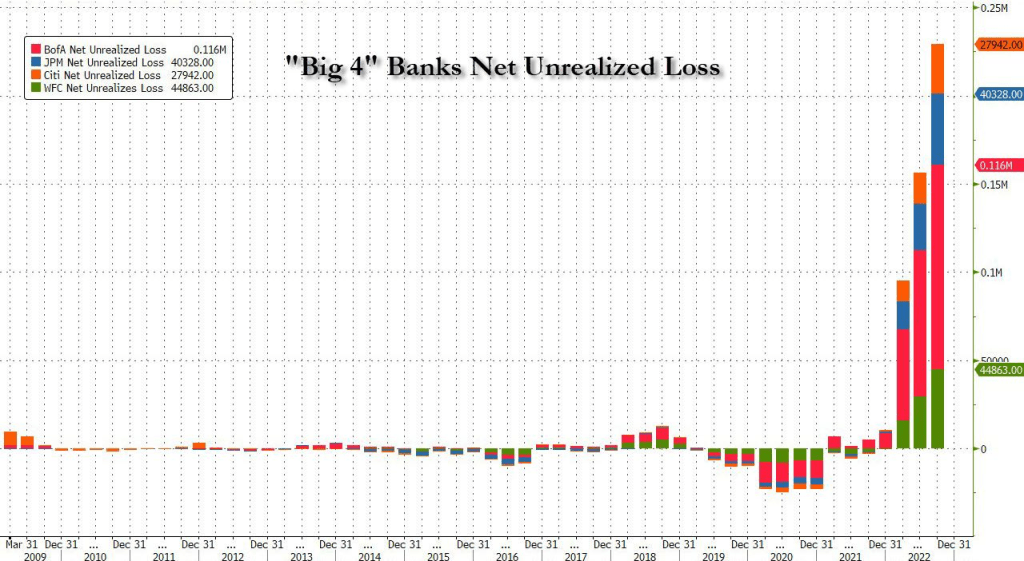
While waiting on the February jobs report from the US Bureau of Labor Statistics (BLS), I noticed that the big 4 banks (Bank of America, JPMorgan Chase, Citi and Wells Fargo) are drowning in net realized losses as The Federal Reserve combats 1) too many years of loose monetary policy under former Fed Chair Janet Yellen and 2) too much spending under Pelosi, Schumer and … McConnell.

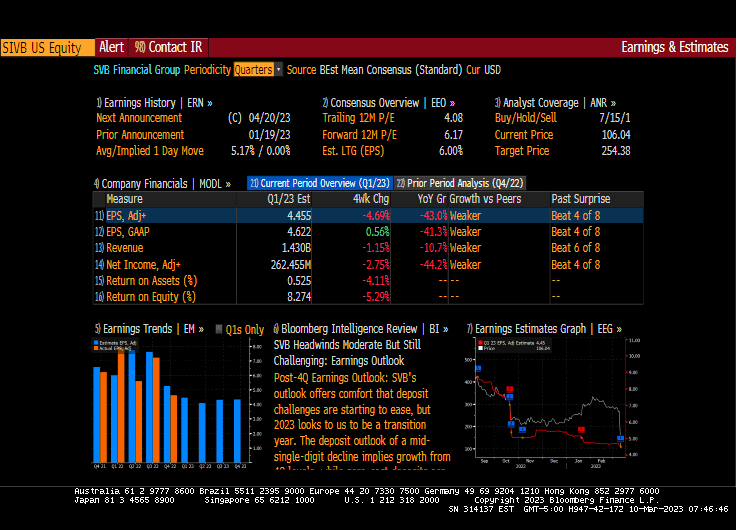
At a micro level, we have Silicon Valley Bank (SVB) SVB Is racing to prevent a bank run as funds advise pulling cash.

Panic is spreading across the financial world as concerns about the financial stability of Silicon Valley Bank prompt prominent venture capitalists including Peter Thiel’s Founders Fund to advise startups to withdraw their money.

The turmoil followed a surprise announcement from Santa Clara, California-based SVB that it was issuing $2.25 billion of shares to bolster its capital position after a significant loss on its investment portfolio. The stock plunged 44% in premarket trading before exchanges opened in New York on Friday, set to extend its 60% decline on Thursday. Bonds had posted record declines, igniting a broad selloff in US bank shares that also spread to Asia and Europe.
In the US, the KBW Bank Index on Thursday had its worst day since June 2020, as its members shed more than $90 billion of value. In Europe, the biggest banks lost more than $40 billion from their market caps on Friday.

Management’s solution appears to have been to seek out yield through a lot of long-duration bonds. The bank started to lose deposits as VCs pulled cash/burnt through operating capital.

Are banks the canary in the economic coal mine?

Jobless Claims Rise As Layoffs Soar At Fastest Pace (UP 410% MoM) Since Lehman Collapse (UP 427% On YoY Basis)

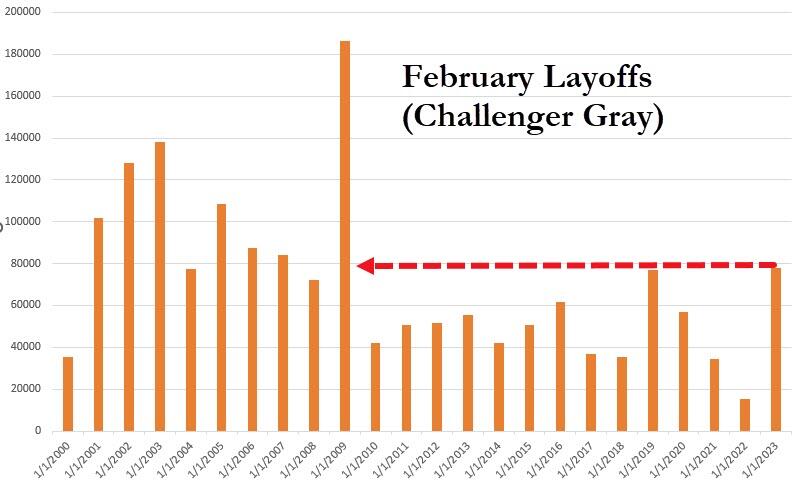
I am waiting for tomorrow’s employment report to see if the Biden Administration plays it straight or give another padded report like first half 2022. But in the meantime, according to Challenger Gray & Christmas, U.S.-based employers announced 77,770 job cuts in February. It is 410% higher than the 15,245 cuts announced in the same month last year.

February’s total is the highest for the month since 2009…

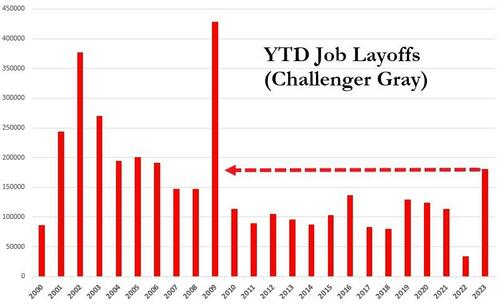
So far this year, employers announced plans to cut 180,713 jobs, up 427% from the 34,309 cuts announced in the first two months of 2022. It is the highest January-February total since 2009

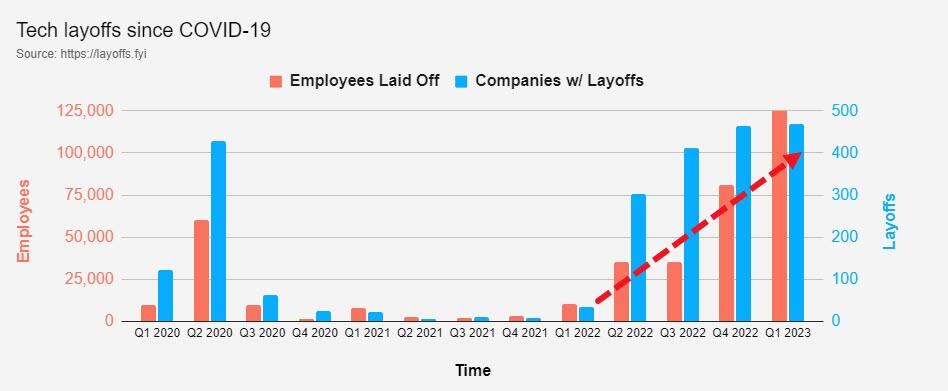
While many of the job cuts is coming in the tech sector,

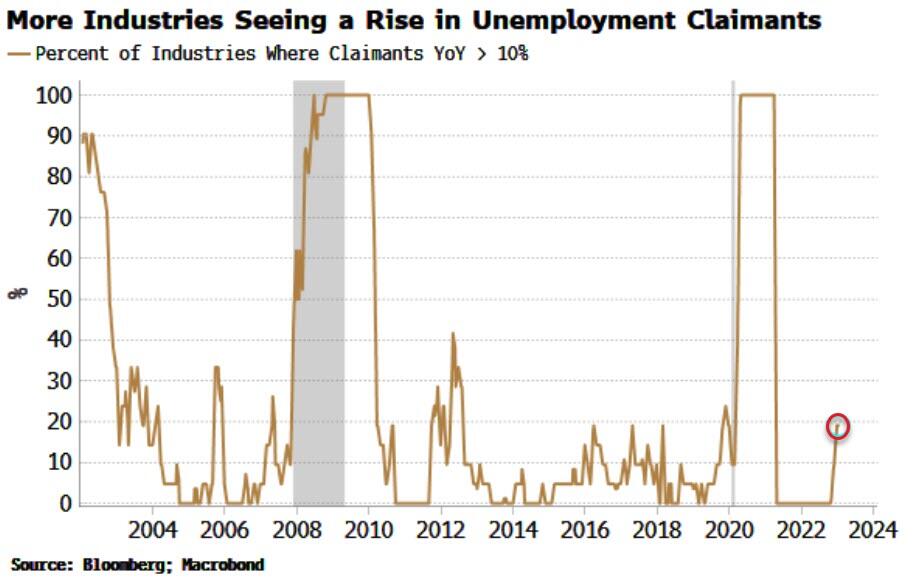
we are seeing more industries reporting a rise in unemployment claims.

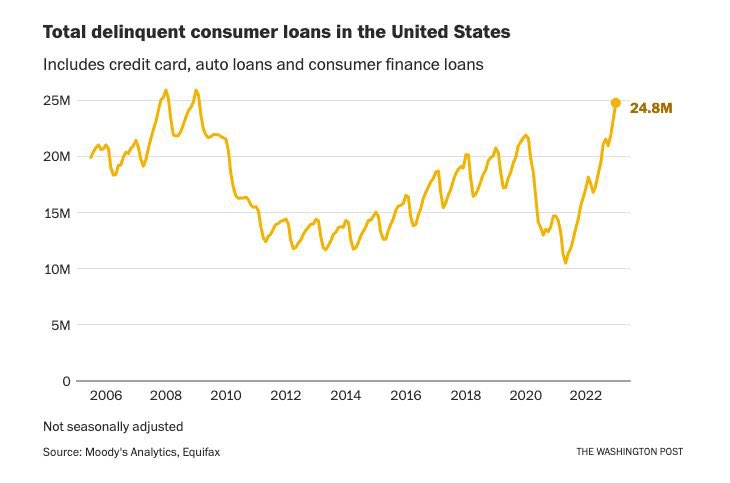
And then we have total delinquent consumer loans at 24.8 million. Highest since 2009.

I wonder if the answer to tomorrow’s employment report lies in one of the nine boxes of Biden’s documents taken from a Boston office?

US Mortgage Rate Rise To 7.13% As Inflation Remains And Fed Counterattacks

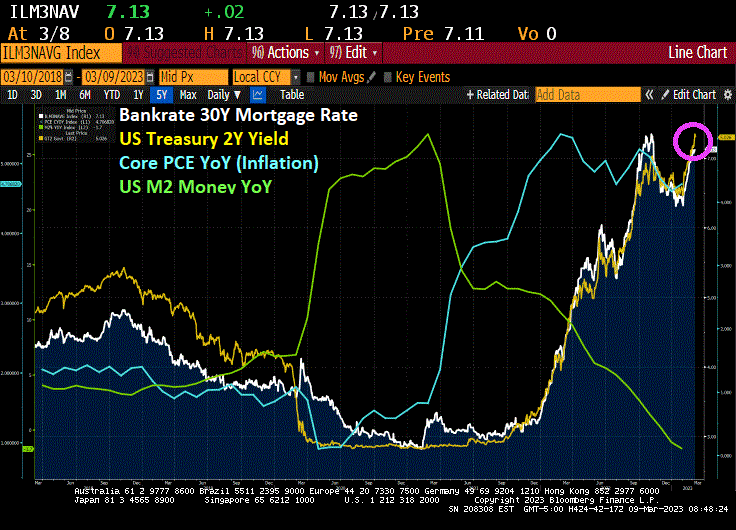
As Americans are painfully aware, inflation is still haunting us. Despite Administration proclamations that inflation is declining, it is rising again. And with rising inflation (and an overheated labor market), The Federal Reserve is in full counterattack mode, withdrawing stimulus and raising rates.

And with Fed tightening comes rising 30-year mortgage rates.

Out of boredom, I watched the Clive Barker film “Hellraiser” and noticed perpertual Democrat Presidential candidate Hillary Rodham Clinton in the cast as the female Cenobite.

The Walking Dead … Housing Edition! New York City Leads Nation In Zombie Foreclosures In Q1 (Followed By Miami, Chicago, Cleveland And Philadelphia)

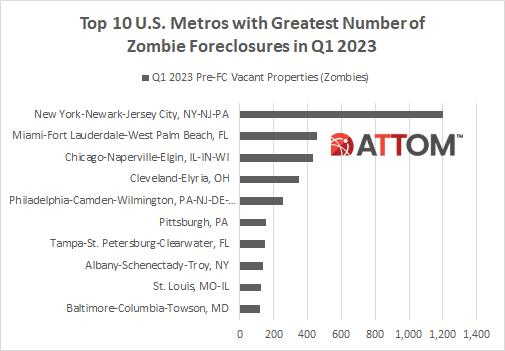
According to Attom Data, New York City leads the nation in zombie forceclosures.

A zombie foreclosure refers to a situation where a homeowner vacates their property after receiving a notice of default, expecting they will lose the home in the pending foreclosure. The foreclosure may get canceled for any number of reasons and never completed.

New York City and its surrounding areas lead the nation in zombie foreclosures. Followed by Miami. Chicago and Cleveland. Then Philadelphia.

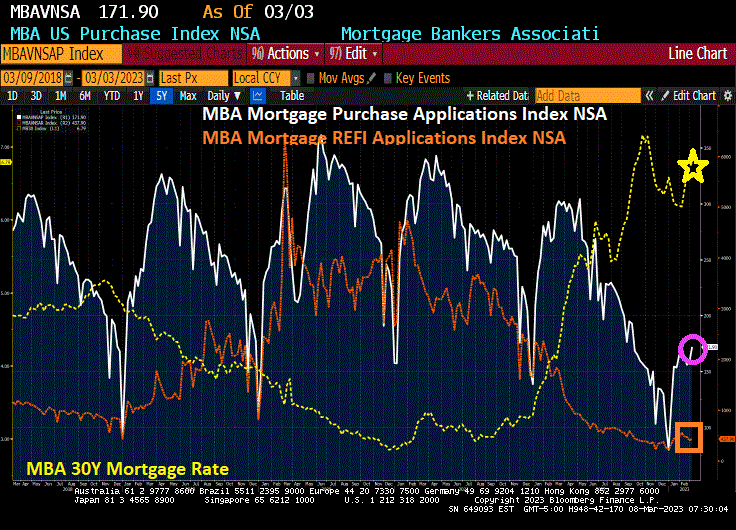
Mortgage Purchase Applications Increased 6.9% In Weekly Survey (But Purchase Apps Down 42% YoY, Refi Apps Down 76% YoY As Fed Tightens Monetary Noose)

Mortgage applications increased 6.9 percent from one week earlier, according to data from the Mortgage Bankers Association’s (MBA) Weekly Mortgage Applications Survey for the week ending March 3, 2023.

The Market Composite Index, a measure of mortgage loan application volume, increased 6.9 percent on a seasonally adjusted basis from one week earlier. On an unadjusted basis, the Index increased 9 percent compared with the previous week. The Refinance Index increased 9 percent from the previous week and was 76 percent lower than the same week one year ago. The seasonally adjusted Purchase Index increased 7 percent from one week earlier. The unadjusted Purchase Index increased 9 percent compared with the previous week and was 42 percent lower than the same week one year ago.

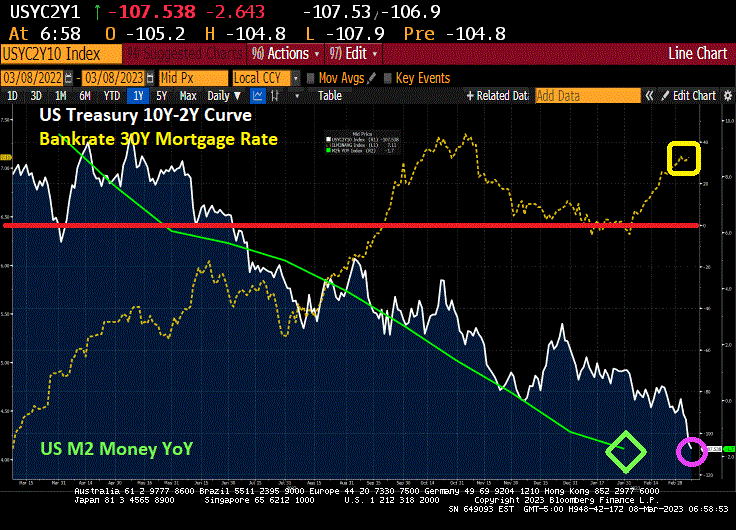
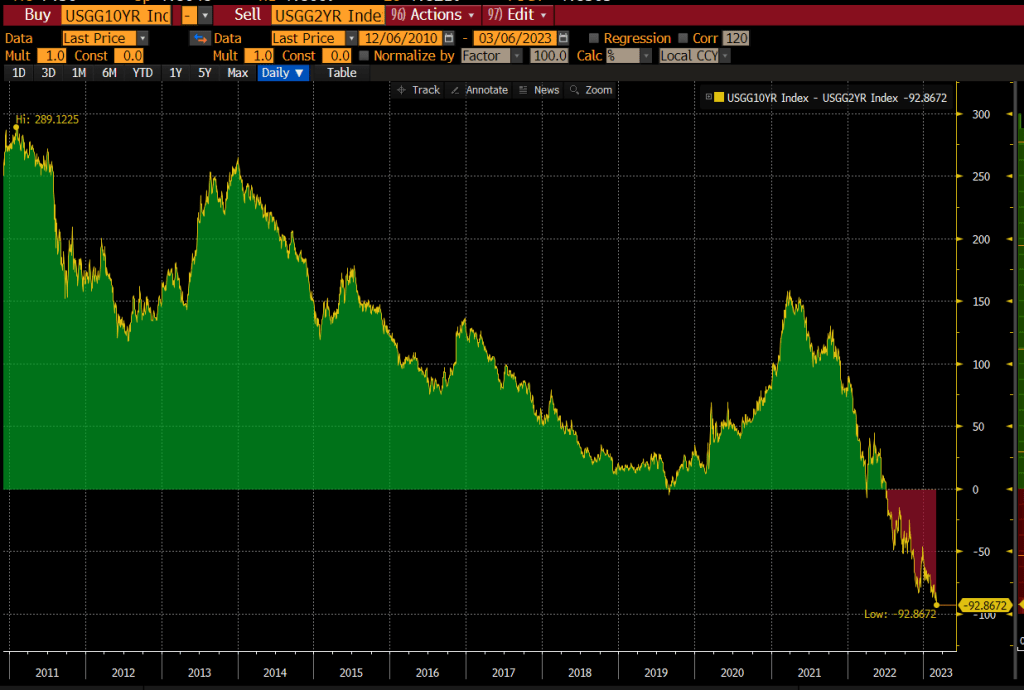
Today, we saw mortgage rates climb further to 7.11% as the US Treasury yield curve (10Y-2Y) descends into Mortgage Mordor as The Fed continues to tighten.

Slippin’ Into Darkness! US Treasury Yield Curve Descends To -108 BPS (169 Days Of Inversion) As US Mortgage Rate Hits 7.11% (Fed No Longer Low Riding Interest Rates)

Slippin’ into darkness! The US Treasury 10Y-2Y yield curve, that is.

At the same time that the 10Y-2Y yield curve inverts to -108 basis points, Bankrate’s 30-year mortgage rate has risen to 7.11%.

Now that The Federal Reserve is no longer low riding interest rates, I expect to see a cooling of the US economy.

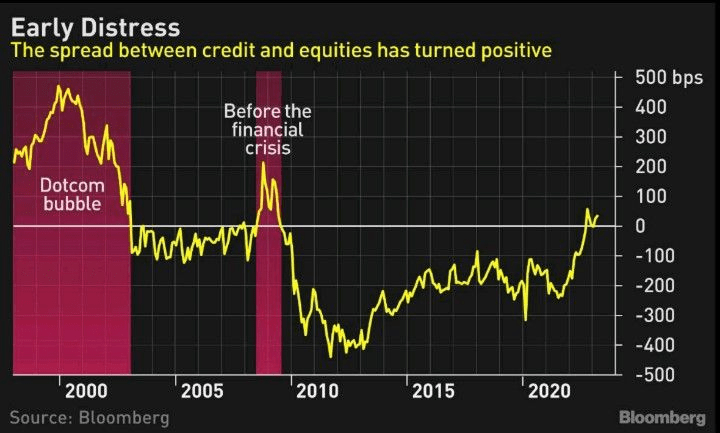
Hang ‘Em High! US Treasury 10Y-2Y Yield Curve Inverts To Near Lowest Since 1981, Credit/Equity Spread Turns Positive As Fed Tightens Monetary Noose

Hang ’em high!

As inflation remains persist (thanks to endless Fed stimulus and endless Federal spending splurges), we are seeing The Federal Reserve finally withdrawing the monetary stimulus (tightening the monetary noose). And with it, the US Treasury yield curve (10Y-2Y) goes down with it.

Another sign of distress is the spread between credit and equities which has turned positive as it does in times of crisis.

UPDATE! Recession predictor the US Treasury yield curve just went “red alert”, inverting to -100 basis points.

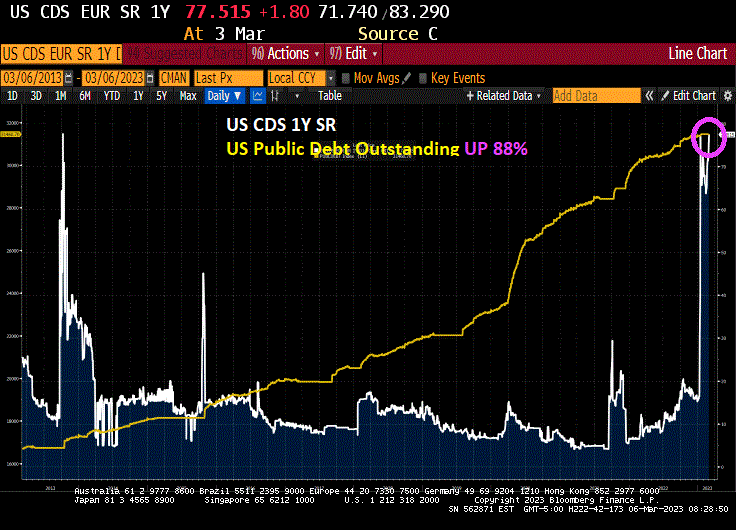
Price Of Insuring Against US Debt Default Highest Since Last Debt Ceiling Crisis In 2013 (Debt Up 88% Since The Last Crisis, $182 In Unfunded US Liabilites)

The last US debt crisis occured in 2013 when Congress finally raised the debt ceiling … and kept on borrowing and spending, But if you thought that a debt crisis would scare Congress (and the Administration) into balancing the Federal budget, you would be wrong. In fact, since the 2013 debt crisis, Federal debt is up 88% (+$14.7 TRILLION over the last 10 years).

And with the massive growth in Federal debt under Obama, Trump and Biden has resulted in an explosion in interest payments on the Federal debt.

And with $182 TRILLION in UNFUNDED liabilities, the debt issuance won’t stop.

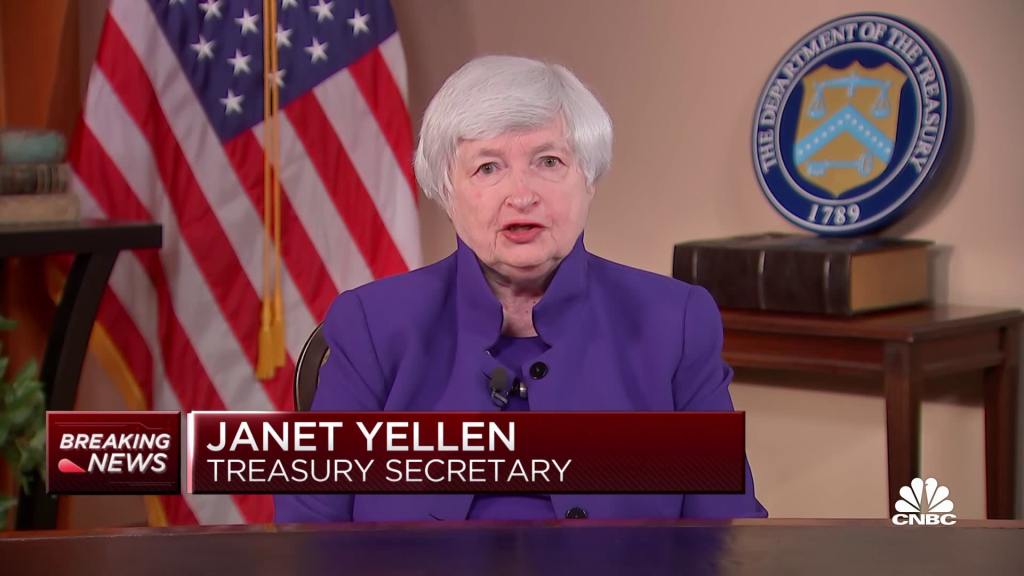
Let’s see what is in Treasury Secretary Janet Yellen’s bag of tricks.

LIBOR cracked 5% for first time since 2007.

And the US Treasury 10Y-2Y yield curve is the most inverted since 1981.

Is Janet Yellen the “evil woman” from Crow’s song?