U.S. Yield Curve Flattens as Traders Mull Half-Point March Hike (Fed’s March Of The Toreadors Killing The Bull Market)

Raphael Bostic and Goldman Sachs are both calling for dramatic rate increases to fight inflation … that they helped cause with their monetary stimulypto. I call this The Fed’s March of the Toreadors as The Fed now attempts to kill the bull market.

(Bloomberg) — The Treasury yield curve flattened to the lowest level in over a year on Monday as the prospect of a super-sized Federal Reserve rate increase in March gained traction, weighing disproportionately on shorter-dated tenors.

Two-year U.S. yields climbed as much as 4 basis points after Raphael Bostic, the president of the Fed’s Atlanta branch, said the U.S. central bank could raise its benchmark rate by 50 basis points if a more aggressive approach to taming inflation is needed. 

That narrowed the gap with ten-year counterparts — which rose about half as much — to the least since October 2020. The last time the Fed delivered a half-point increase to borrowing costs was at the height of the dot-com bubble in 2000.

The repricing extended a move spurred last week, after Fed Chair Jerome Powell underscored the policy maker’s determination to put a lid on inflation. The market positioning may have been exacerbated by hedge funds that had been leaning the wrong way before Powell’s address.

Traders are currently betting the Fed will deliver 32 basis points of tightening in March, more than fully pricing an increase of a quarter-point. That puts the implied probability of a 50-basis-point increase at almost 30%. The odds of such a move in December were zero.

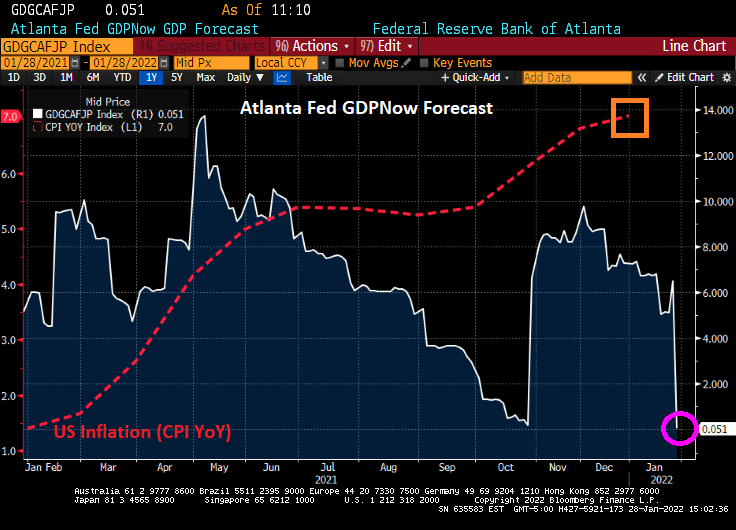
Consumer prices rose an annual 7% in December, the fastest pace in almost four decades. Powell left the door open to increasing rates at every meeting, and didn’t rule out the possibility of a 50-basis-point hike.

In an interview with the Financial Times, Bostic stuck to his call for three quarter-point interest rate increases in 2022, while saying that a more aggressive approach was possible if warranted by the economic data. Bostic is a non-voting member of the FOMC this year. 

Since the rapid growth in inflation was caused by a combination of too much Fed stimulus, too much fiscal stimulus and “green” energy policies, it is unclear whether an increase of 50 basis points will do much, particularly if Bostic’s own Atlanta Fed GDPNow forecast of 0.051% is accurate. Raising rates if the economy is slowing??
To be clear, Bostic and others are trying to signal The Fed’s intent well in advance to avoid a surprise knock-down of the stock market. Or a killing of the bull market.

Here is a video of Raphael Bostic leading The Fed Toreadors in the slaying of the bull market.

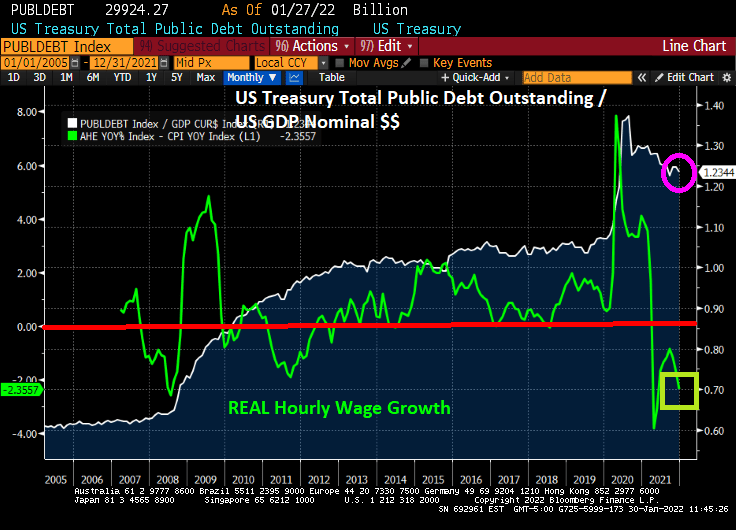
US Debt-to-GDP Has Doubled Since 2008, But Hourly Workers Are Seeing Negative REAL Wage Growth (The Government Is Here To Help??)

Nothing has been the same since the financial crisis of 2008 (except we still have insider-trading superstar Nancy Pelosi as US House Speaker). What has changed is that US Public Debt to GDP (nominal dollars) has doubled.

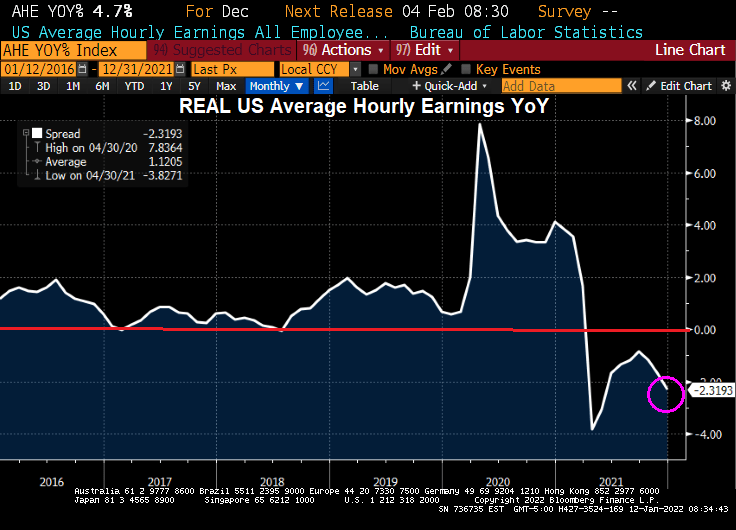
Has doubling Federal debt helped the hourly worker? Initially we saw a surge in REAL hourly wage growth in 2009 as the US began to recover from the housing bubble burst and ensuing financial crisis. Another surge in REAL wage growth occurred when Federal debt exploded as the COVID crisis took hold. BUT more recently we see that REAL wage growth is negative.

The other aspect of pain for hourly workers is inflation which has reached 7%, the highest rate in 40 years.

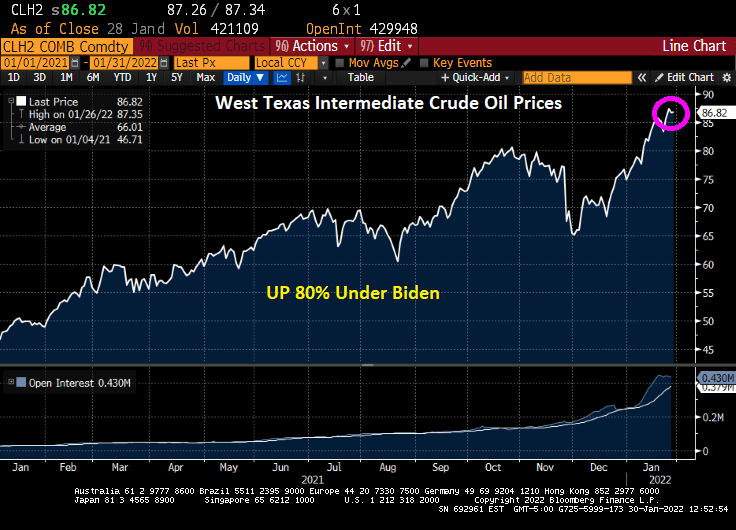
Adding to the frustration of hourly workers is energy prices rising 80% under President Biden’s reign of error.

Most hourly wage earners can’t buy a Tesla or a $100,000 electric Chevy Silverado to take advantage of Biden’s green energy policies.

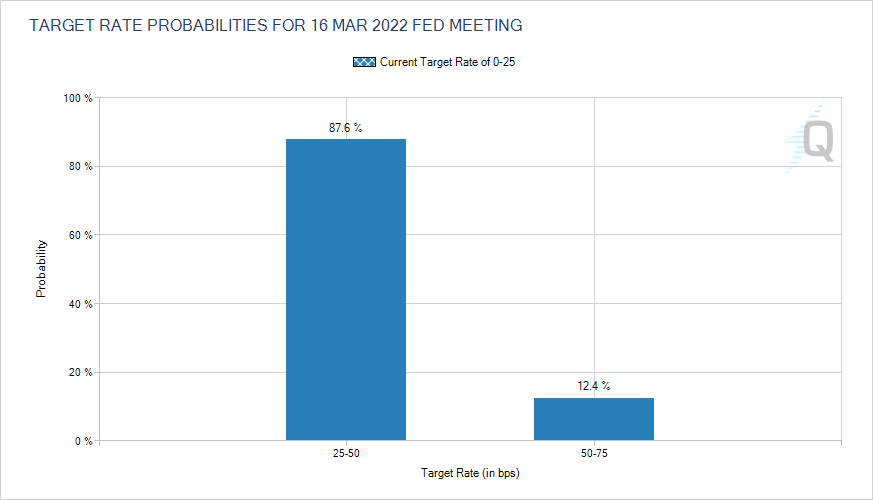
Will interest rates rise? Well, the Chicago Mercantile Exchange has Fed Watch tool. It is saying that there will likely be a 25 basis point increase at the March 2022 meeting.

As Ronald Reagan once said, “The most terrifying words in the English language are: I’m from the government and I’m here to help.”

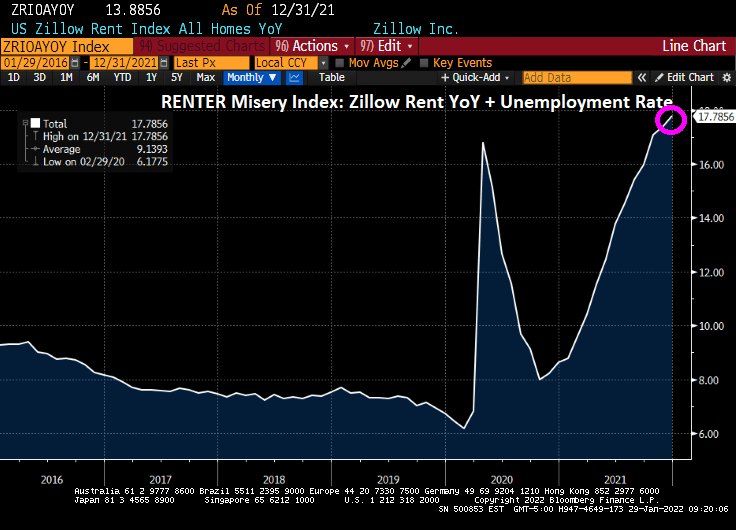
The Grapes Of Wrath! Misery Index (Inflation + Unemployment) Remains Elevated Post COVID, Renter Misery Index Skyrockets (REAL Wage Growth Remains NEGATIVE)

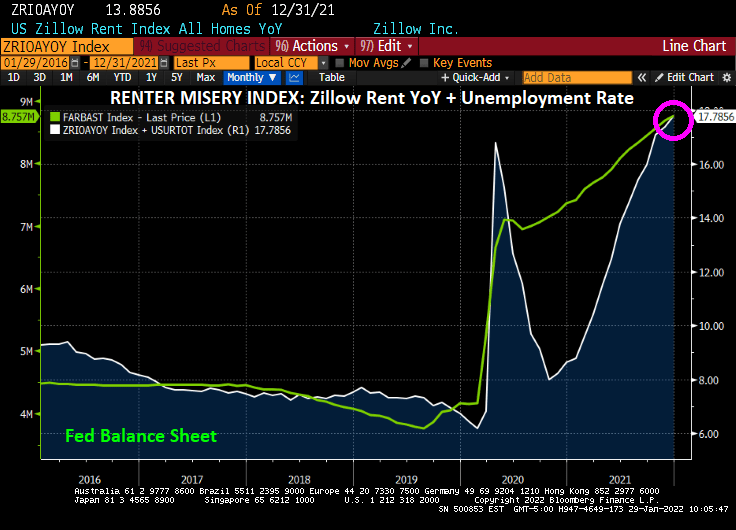
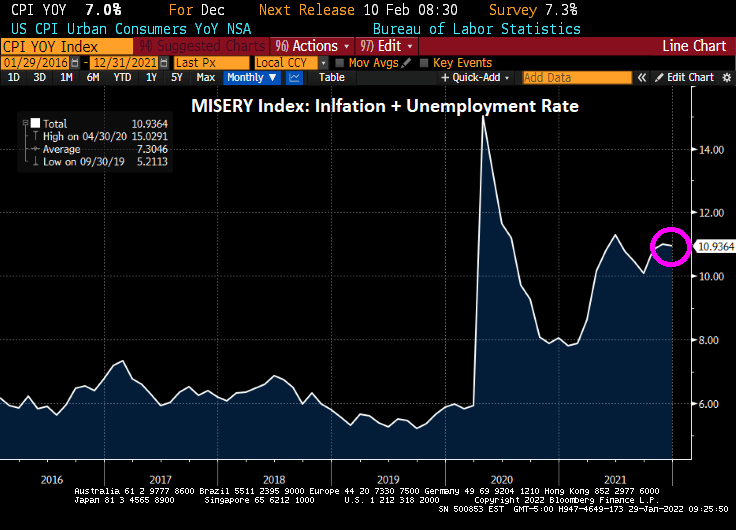
The misery index is traditionally inflation rate plus U-3 unemployment rate. The RENTER misery index is the Zillow Rent Index YoY + U-3 unemployment rate to demonstrate the hardship of renters because of soaring home prices.

Notice that because of rising home prices, the Renter misery index has overwhelmed the improvement in unemployment.

As I typically do, I will now include The Fed’s balance sheet (as a proxy for Fed stimulus and supporting Federal government expenditures). Yes, you can see that The Fed and Federal government are responsible for our modern day “Grapes of Wrath.”

If we look at the TRADITIONAL misery index, we see that misery remains above 10 (it was below 6 prior to the COVID outbreak in early 2020).

Remember that the REAL average hourly earning growth of Americans is NEGATIVE. Gains in wage growth more than offset by inflation.

I won’t even mention how inflation is crushing retirees since Social Security and pension plans rarely adequately compensate retirees for inflation.

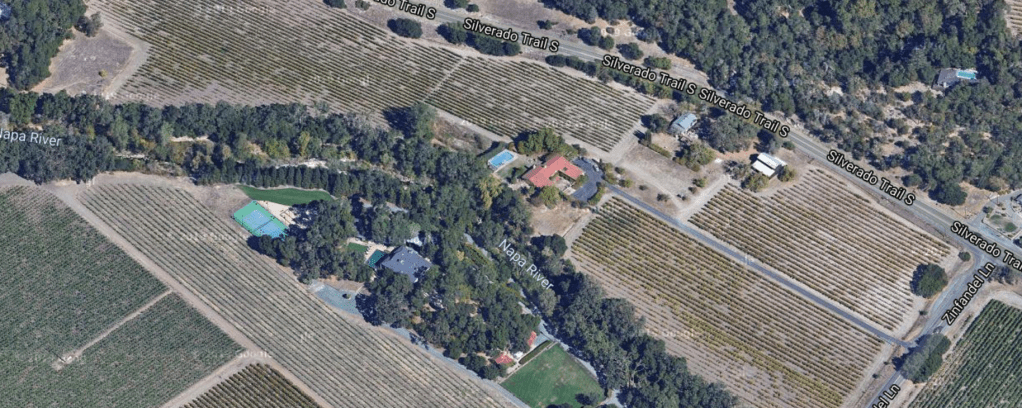
Now for the really bad news. 81-year old senior, House Speaker Nancy Pelosi, has announced that she is running for Congress yet again from leftist-stronghold San Francisco. Although she has an expensive home in Georgetown and a beautiful vineyard in Napa Valley. Pelosi’s vineyard only sells grapes to other wine makers. Not bad for a career civil servant!

I really wanted Pelosi to produce a wine called “The Grapes of Wrath” in honor of her insider trading and massive wasteful spending of taxpayer money that has helped generate inflation, rampant government debt growth and hurting retirees and hourly workers.

Reversal Of Fortune: Yield Curve Drooping As 2022 Forecast To Be Slower Market For Housing

No, not the Klaus von Bulow type of “reversal of fortune” (when he killed his wife). I am talking about a reversal in fortune for America.

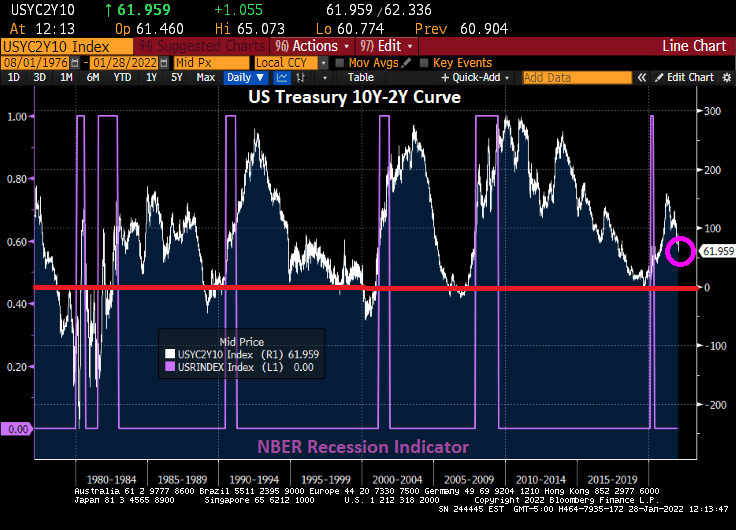
Let’s look at the 10Y-2Y Treasury curve. It typically falls below 0 basis points before every recession. Except the mini-COVID recession of 2020. But notice that the Treasury curve did not recover from the COVID recession as it typically did. More along the lines of 1984-1985.

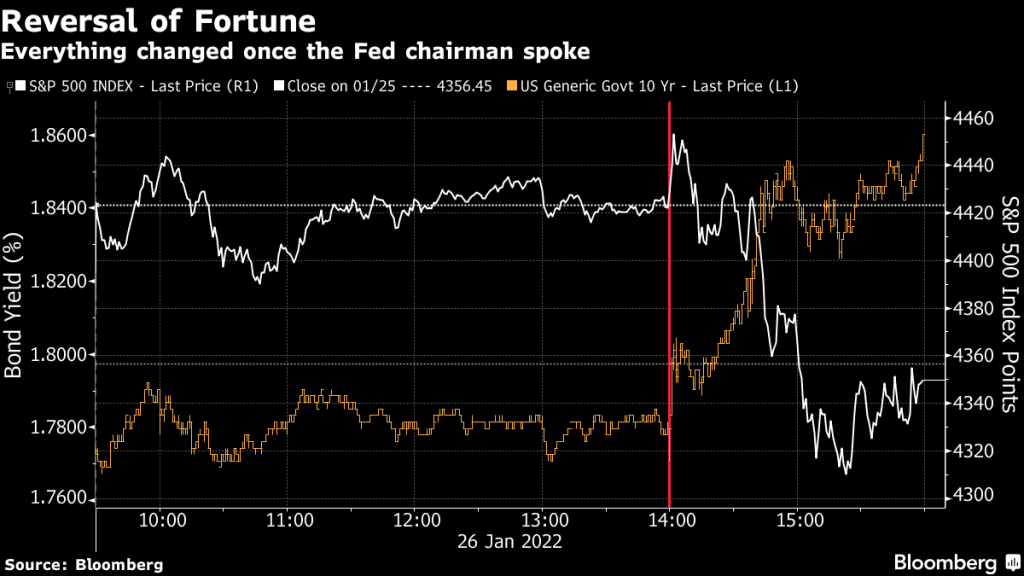
Speaking of Reversal of Fortune, everything changed once Fed Chair Powell started to speak after Tuesday’s FOMC meeting.

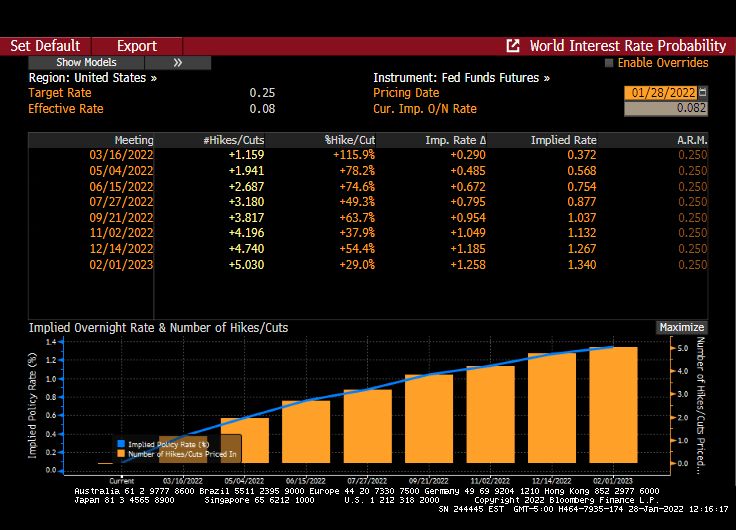
Hmm. Midterm elections, possible Russian invasion of The Ukraine, further problems in China, etc. While The Fed Funds Future data implies that The Fed may raise their target rate 5 times over the coming year, we’ll see.

I happen to agree with Fannie Mae’s Doug Duncan who says that he is less bullish about the housing market in 2022.

If 2021 was a great year for the US housing market, 2022 faces “a new normal” marked by a slowing down of home price rises, job layoffs in the mortgage industry, and concerns over rising inflation and interest rate hikes, according to Douglas Duncan (pictured), Fannie Mae’s senior vice president and chief economist.

Duncan said “a shift” was underway in the market and the wider economy, which would result in far more moderate home price appreciation, expected to be between 7% and 7.5% this year due to the ending of fiscal and monetary stimulus.

“One of the elements of the shift is that you’re going to see house prices up, but not nearly as far as they were in the last two years because that was driven hugely by the fiscal and monetary stimulus (now) being removed,” he told MPA.

Ominously, he added that low interest rates “may never be seen again”. Or at least until Biden appoints more doves to The Federal Reserve Board of Governors.

The doves at The FOMC.

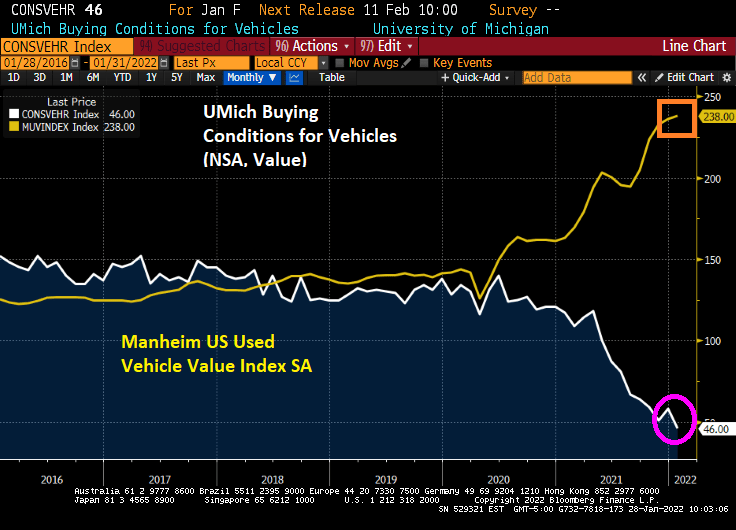
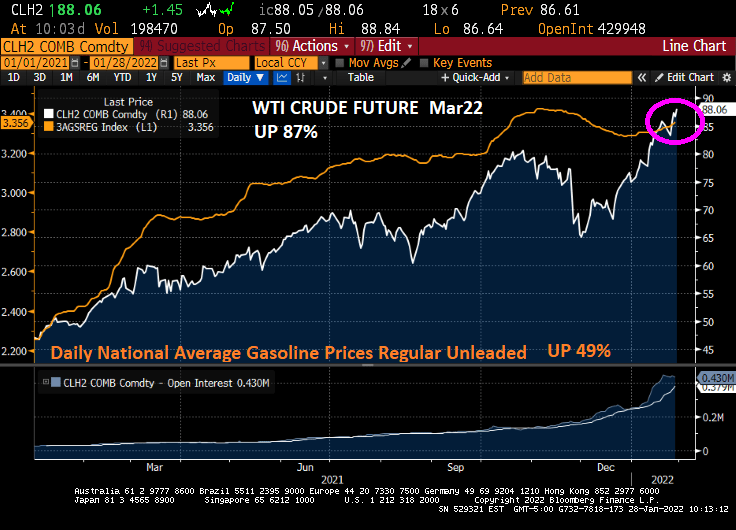
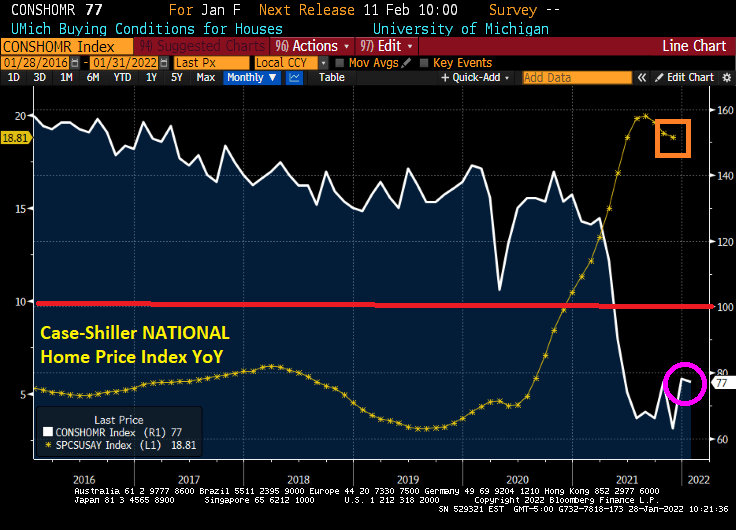
Bidenomics: Buying Conditions For Vehicles Falls To 46 As Vehicle Prices Soar (WTI Crude UP 87% Over Past Year, Buying Conditions For Housing Falls To 77)

Here is a lesson in Bidenomics. “Going Green” sounds great to some (like Al Gore, Leonardo DiCaprio and Greta Thunberg), but there are costs to not growing America’s energy supply.

Rising energy costs have helped create the rise in consumer prices and inflation. Not to mention chip shortages for car and trucks. The University of Michigan conditions for vehicles plummeted to 46 (100 baseline) as used vehicles prices sky rocket.

Under Biden’s reign of error, West Texas Crude futures prices have risen 87% (regular gas prices are up 49% even with Biden’s releasing two days of supply from the Strategic Petroleum Reserve.

On the housing front, the University of Michigan buying conditions for houses fell to 72 (baseline of 100) as home prices are roaring at a 18.81% YoY clip.

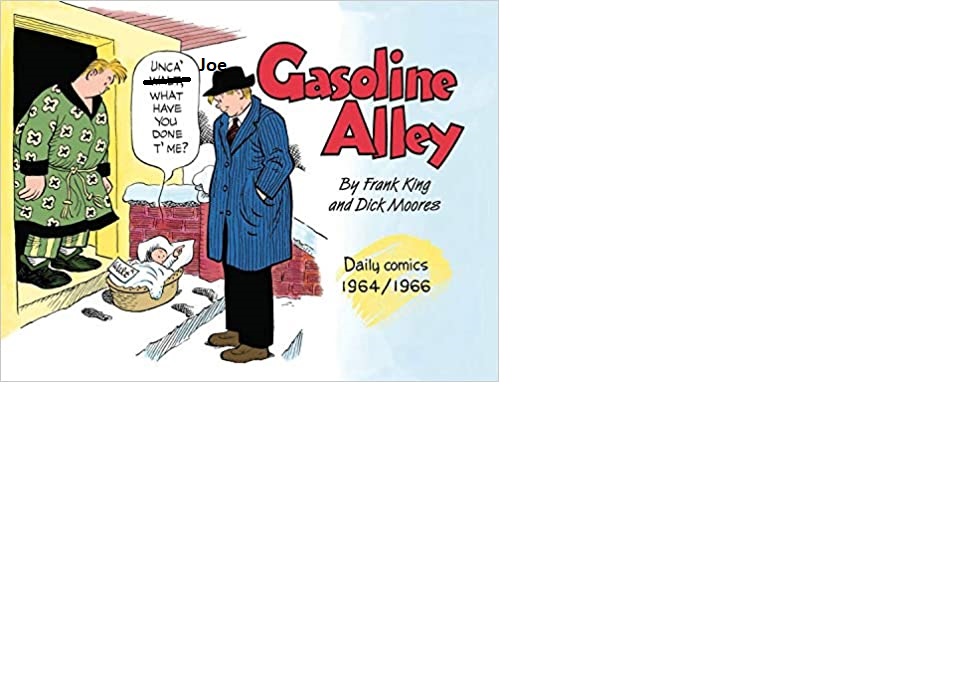
To paraphrase the comic strip “Gasoline Alley,” “Unca’ Joe, what have your done t’ US?”

Too Much Money! U.S. Consumer Spending Drops, Price Index Up Most Since 1982 (REAL Personal Spending Fell 1% In December)

This is a case of “Too much money” in the economy, courtesy of The Federal Reserve.

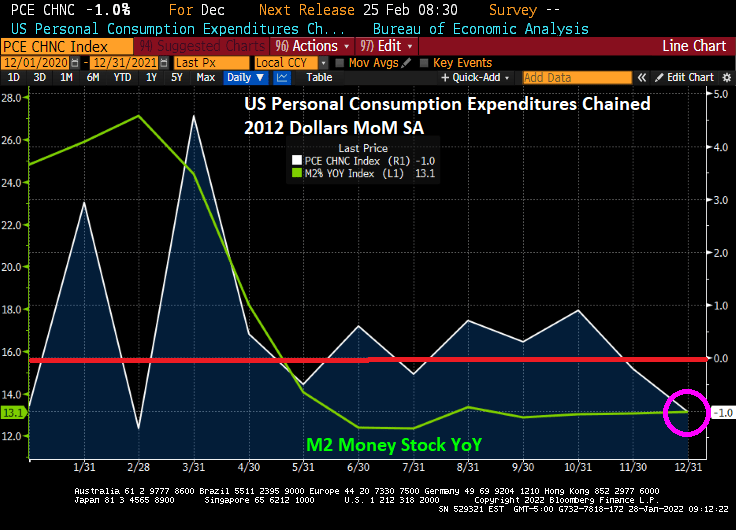
(Bloomberg) — U.S. inflation-adjusted consumer spending fell last month by the most since February, suggesting that Americans tempered their outlays amid the latest Covid-19 wave and the fastest inflation in nearly 40 years.

Purchases of goods and services, adjusted for changes in prices, decreased 1% from November, the Commerce Department said Friday. 

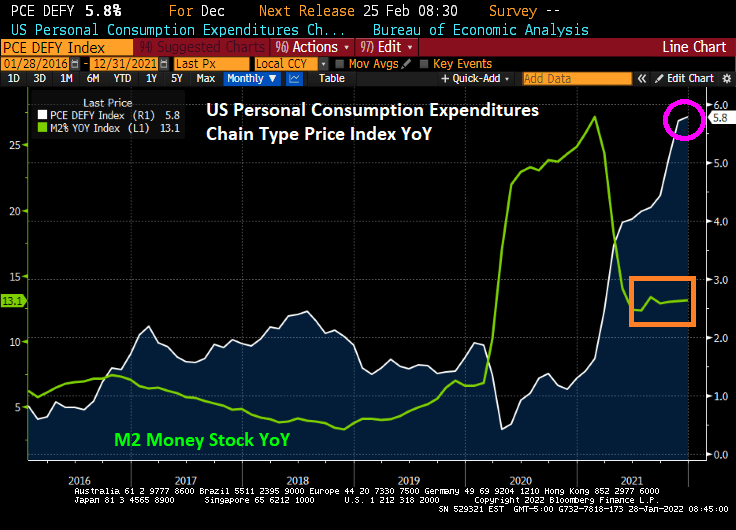
The personal consumption expenditures price gauge, which the Federal Reserve uses for its inflation target, rose 0.4% from a month earlier and 5.8% from December 2020, the most since 1982. Unadjusted for inflation, spending fell 0.6%, while incomes rose 0.3%.

Yes, the PCE Deflator YoY rose to 5.8% as M2 Money Stock is growing at a 13.1% YoY clip.

REAL personal spending declined 1% in December as prices rose in part thanks to the 13.1% growth in M2 Money stock YoY.

Too much money! Time to slow down, Jay Powell! Stop sucking the life out people with inflation.

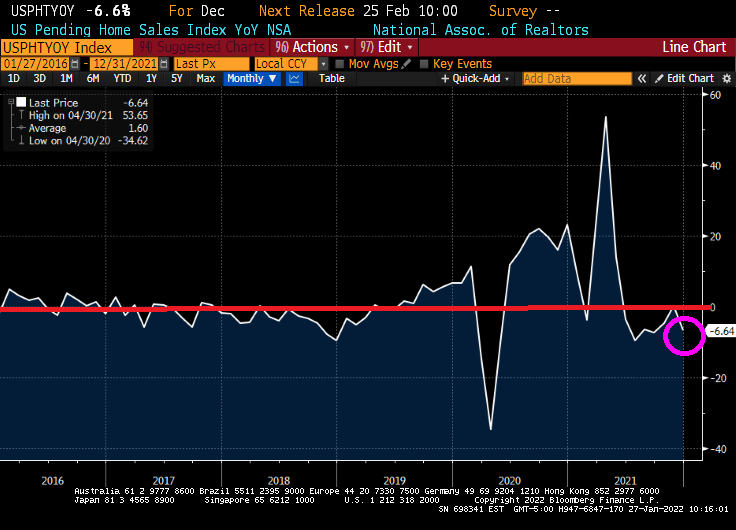
US Pending Home Sales Drop 6.64% YoY In December As Dow Rises 1.6% As Fed Won’t Remove The Stimulypto (Gold And Bitcoin Down)

Pending home sales in the USA tanked 6.64% YoY. Yes, it was for December, but down 6.64% YoY means that pending home sales are lower than last December.

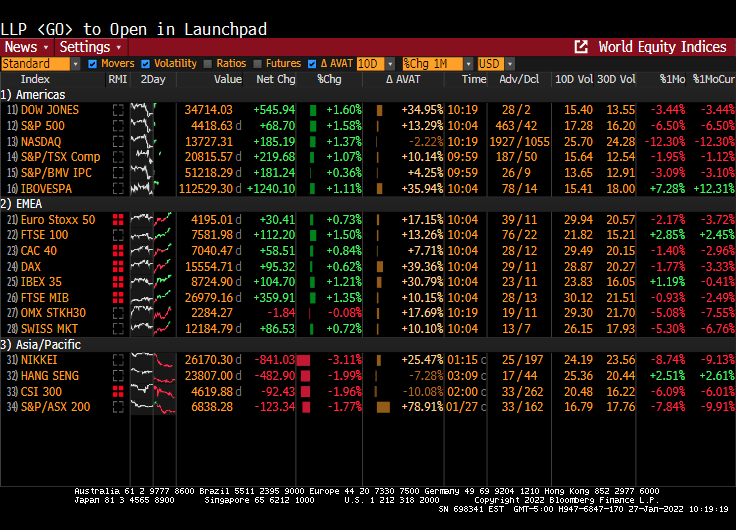
And the stock market was up across the board as Powell refused to take his foot off the monetary gas pedal.

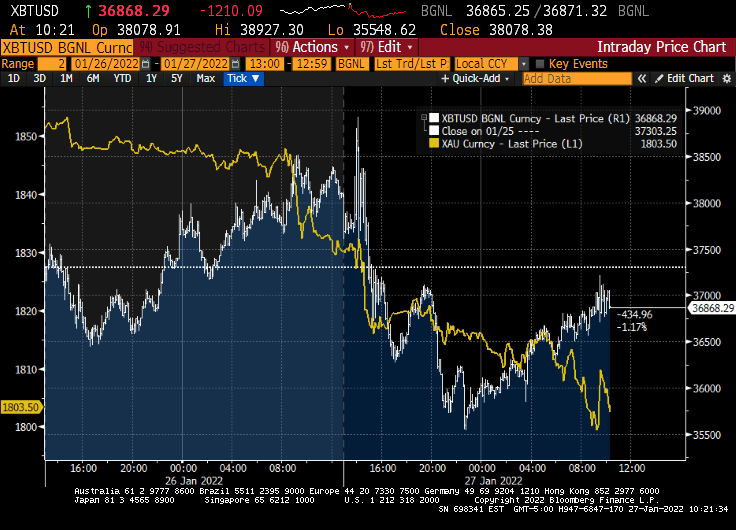
Gold is down along with Bitcoin for you ALT investment types.

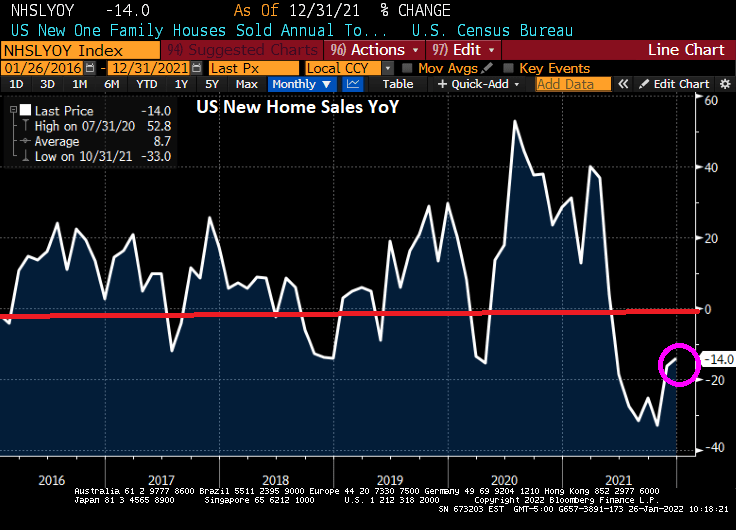
US New Home Sales Crash -14% YoY In December As Median Price Slows To +3.4% YoY (Mortgage Applications Decline As Mortgage Rates Increase)

US new home sales spiked in December by 11.9% from November, but were down 14% year-over-year.

But the median price of new home sales (YoY) declined to 3.4%.

The Midwest saw a surge in new home sales (+56%).

The MBA’s mortgage applications index shows declining purchase applications (-1.83%) and declining refinancing applications (-12.60%) as mortgage rates increased from 3.64% to 3.72% for the week of 01/21.

Now, mortgage purchase applications rose for the week of 01/21 if we used non-seasonally adjusted data.

US Home Price Growth “Slows” To 18.81% YoY With Phoenix AZ At 32.2% (Simply Unaffordable!)

Happenings two months ago. The Case-Shiller home price index is out for … November 2021.

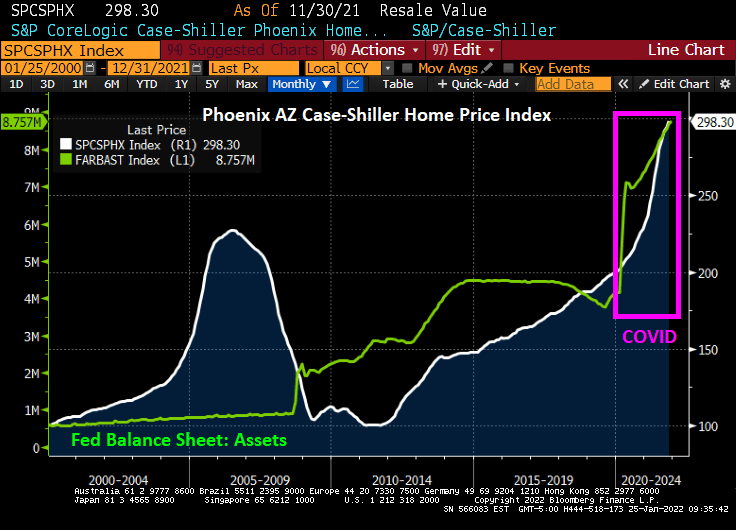
The Case-Shiller National home price index “slowed” to 18.81% YoY in November as The Fed continues its monetary stimulypto. Notice that The Fed is easing even when there is limited inventory available. Result? Hideous home price inflation.

Which metro area is growing the fastest, making housing even more unaffordable for renters? Phoenix AZ is growing at a 32.2% YoY clip while Washington DC is the slowest growing metro area at 11.1% YoY. The second faster growing metro area in Tampa FLA.

Phoenix AZ is growing at the fastest rate in the nation as The Fed still has its monetary stimulus at FULL SPEED AHEAD.

Let’s see if Fed Chair Powell decides to raise rates and let the Fed’s balance sheet run-off.

US Existing Home Sales: Still No Inventory, Median Price UP 14.85% YoY (Freddie’s 30Y Mortgage Rate Rise To 3.56%)

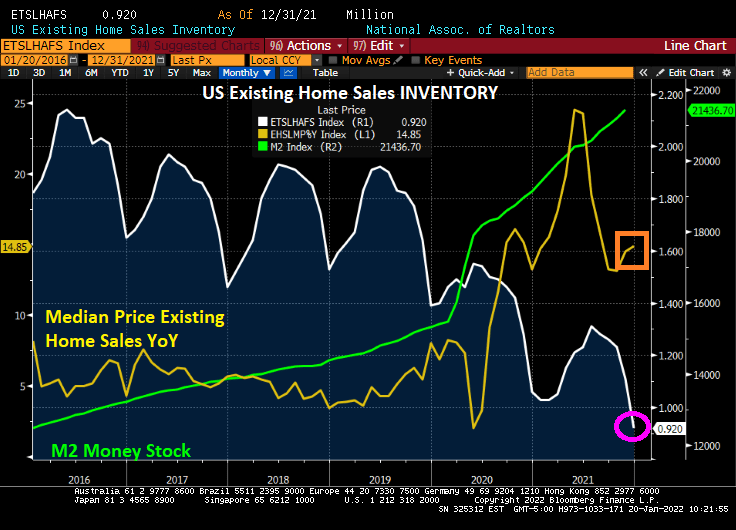
The banner headline is … US existing home sales declined 4.6% MoM in December. But that isn’t the interesting news. The interesting news is the mystery of the missing housing inventory. While various pundits told us that inventory would be returning … it isn’t. And the median price of existing home sales is up 14.85% YoY with insane Fed stimulus still in play.
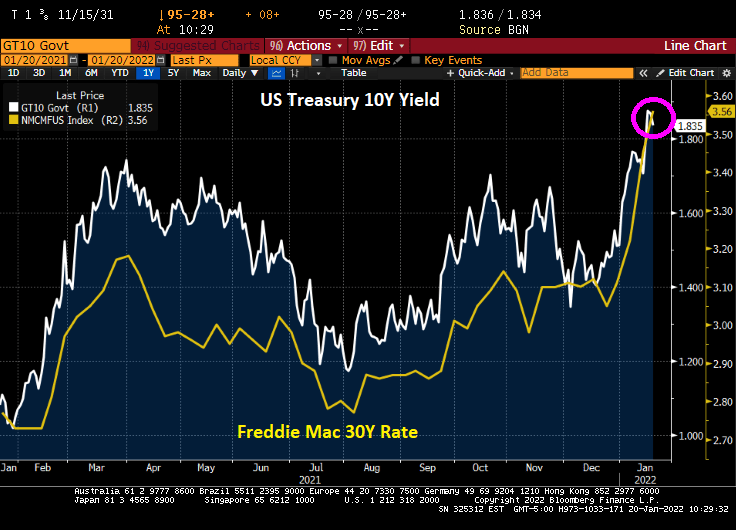
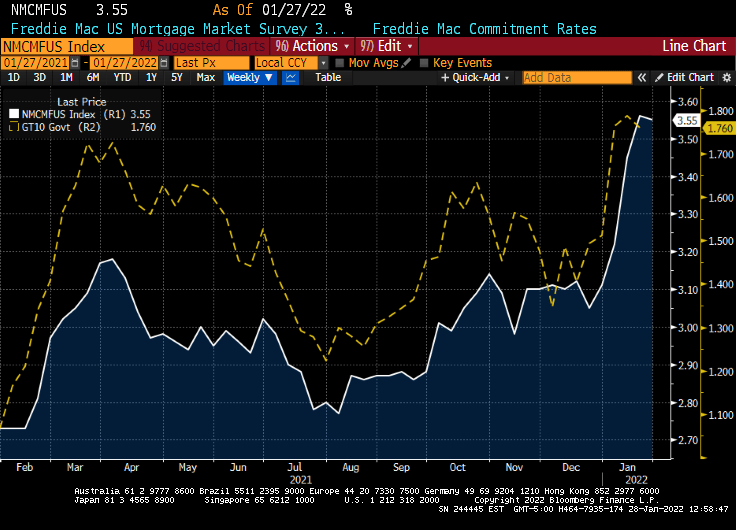
That was December. What will January bring with rising mortgage rates? Freddie Mac’s 30-year commitment rate rose to 3.56% today.

When will housing inventory for sale start to increase? Probably about the same time The Fed ACTUALLY starts raising interest rates and paring back on the monetary stimulus.