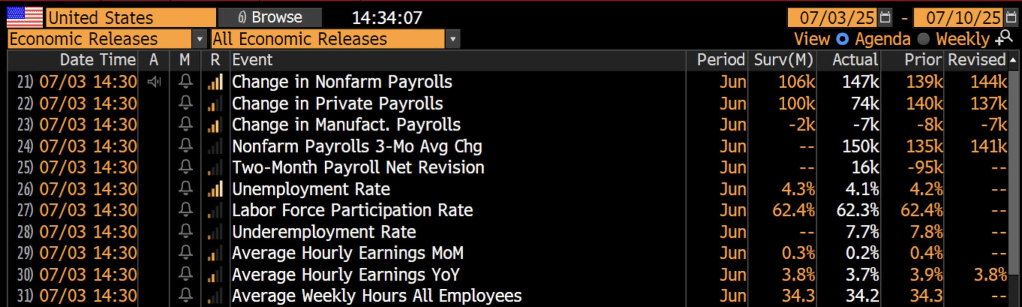
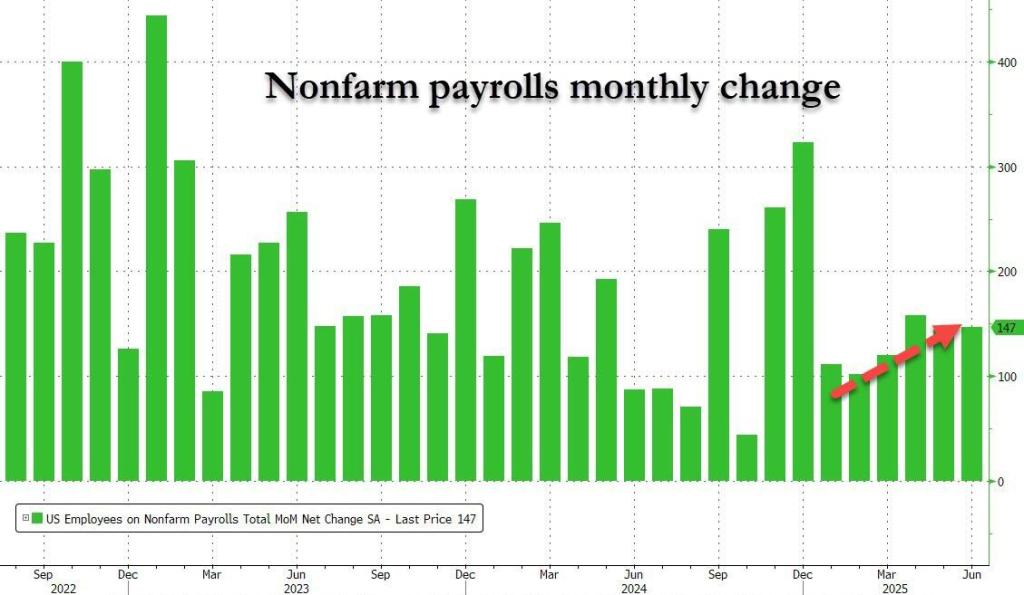
So much for the doom porn about tariffs or anything Trump. The US economy is booming. Example? Non farm payrolls (NFPs) in June rose by 147k jobs added.
As opposed to yesterday’s negative ADP report, the NFP continued to grow despite fears of tariffs, etc.
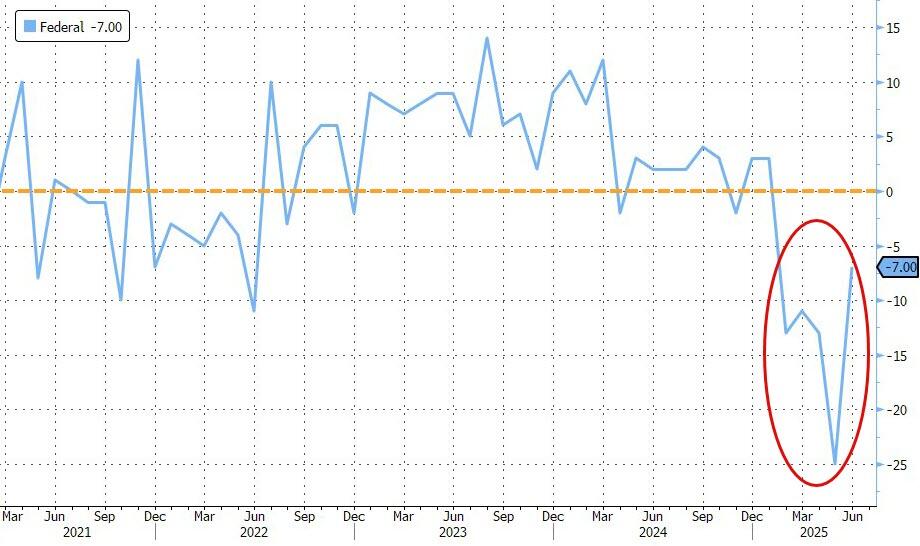
Government employment rose by 73,000 in June. Employment in state government increased by 47,000, largely in education (+40,000). Employment in local government education continued to trend up (+23,000). Job losses continued in federal government (-7,000), where employment is down by 69,000 since reaching a recent peak in January.
Health care added 39,000 jobs in June, similar to the average monthly gain of 43,000 over the prior 12 months. In June, job gains occurred in hospitals (+16,000) and in nursing and residential care facilities (+14,000).
In June, social assistance employment continued to trend up (+19,000), reflecting continued growth in individual and family services (+16,000).
The positive jobs report likely killed any chance of a Fed rate cut at the next meeting.
So much for the doom porn from the media about the US economy collapsing due to Trump’s tariffs! The US economy (real GDP) in Q2 is still growing at 2.9%.
The GDPNow model estimate for real GDP growth (seasonally adjusted annual rate) in the second quarter of 2025 is 2.9 percent on June 27, down from 3.4 percent on June 18. After recent releases from the US Census Bureau and the US Bureau of Economic Analysis, an increase in the nowcast of the contribution of net exports to second-quarter real GDP growth from 2.07 percentage points to 3.49 percentage points was more than offset by a decrease in the nowcasted GDP growth contribution of inventory investment from -0.42 percentage points to -2.22 percentage points.
Here is the data.
And with Democratic Socialist (aka, Communist) Zohran Mamdani winning the Democratic nomination for mayor, New York City will likely become the new Detroit.
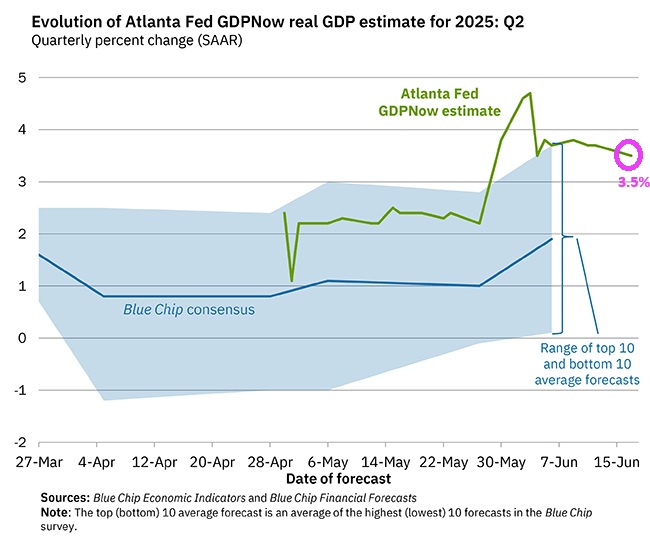
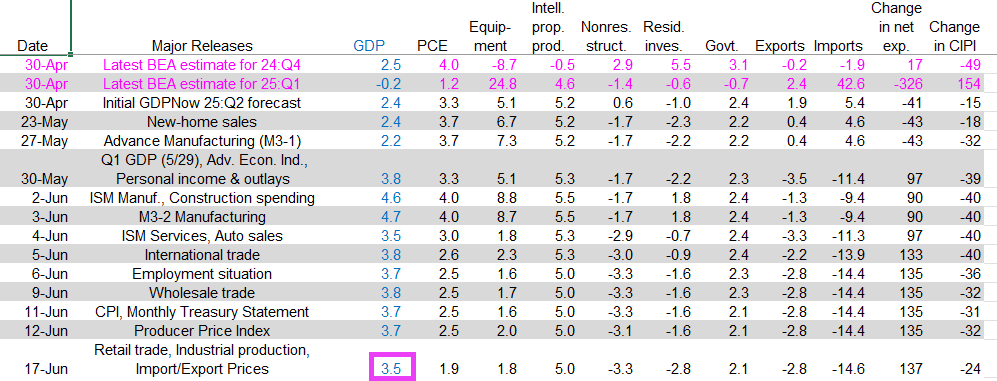
The GDPNow model estimate for real GDP growth (seasonally adjusted annual rate) in the second quarter of 2025 is 3.5 percent on June 17, down from 3.8 percent on June 9. After recent releases from the US Census Bureau, the US Bureau of Labor Statistics, the Federal Reserve Board of Governors, and the Treasury’s Bureau of the Fiscal Service, the nowcasts of second-quarter real personal consumption expenditures growth and second-quarter real government expenditures growth decreased from 2.5 percent and 2.3 percent, respectively, to 1.9 percent and 2.1 percent, while the nowcast of second-quarter real gross private domestic investment growth increased from -1.9 percent to -1.4 percent.
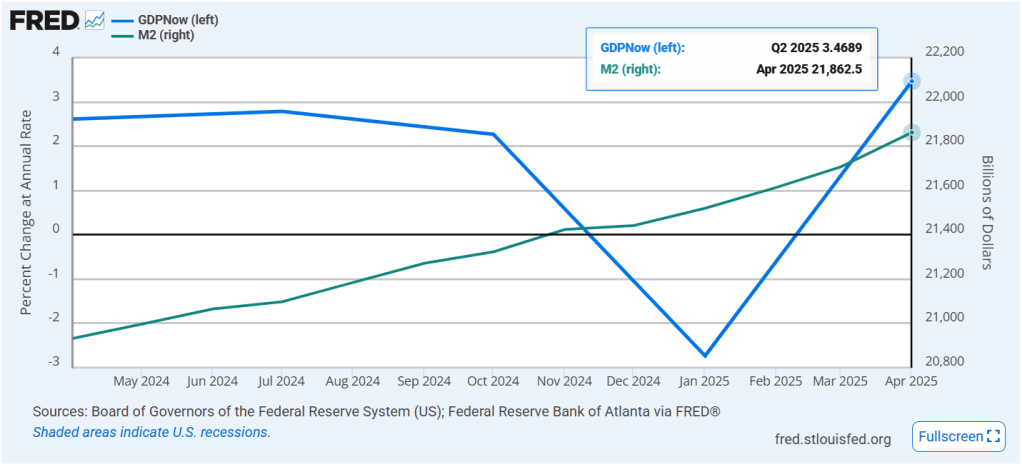
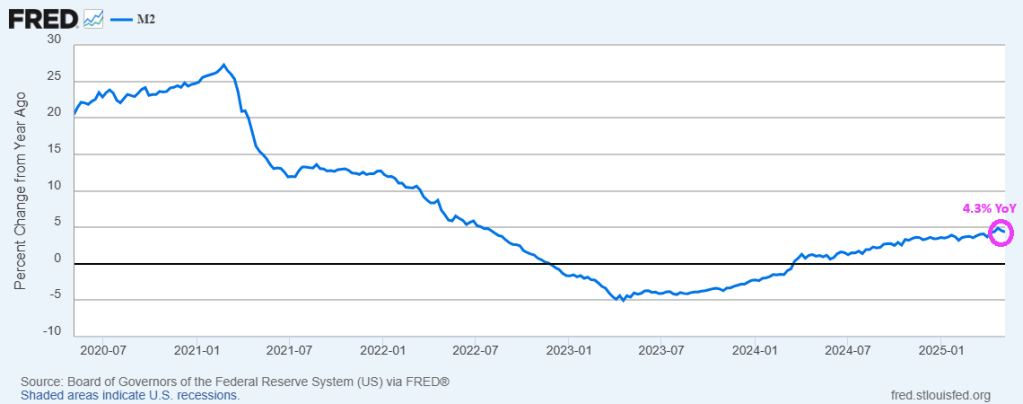
GDP growth corresponds to Fed money printing.
Here is the breakdown. True, real GDP growth has been slowing over June.
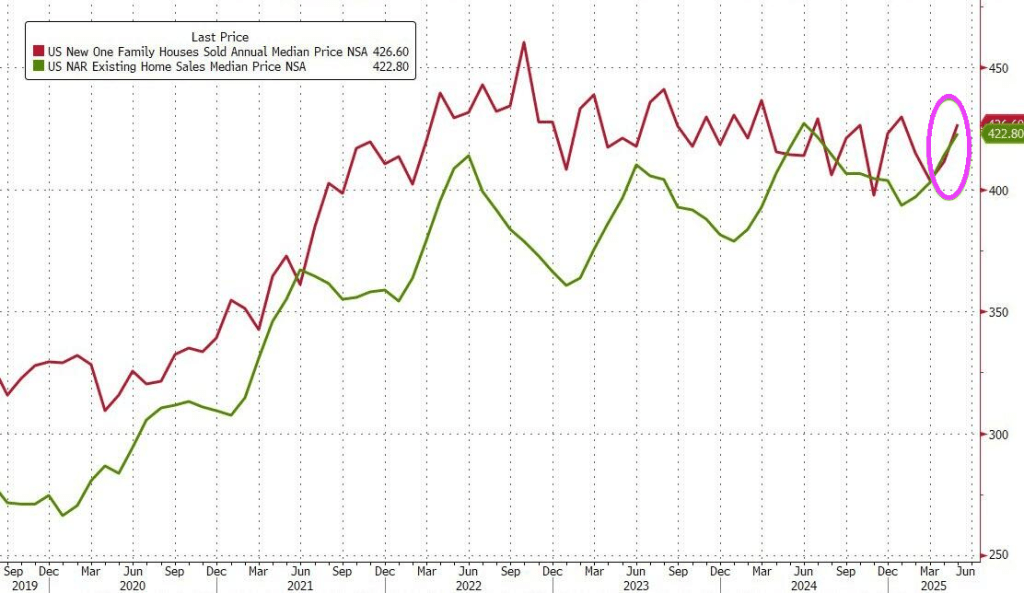
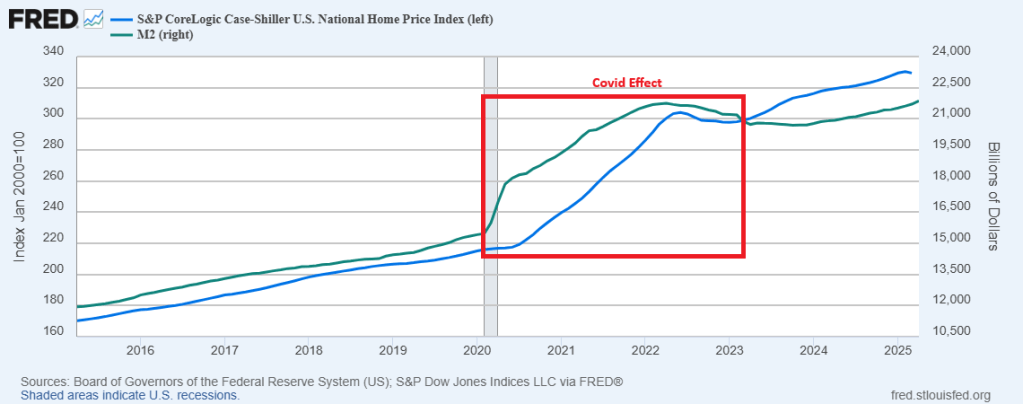
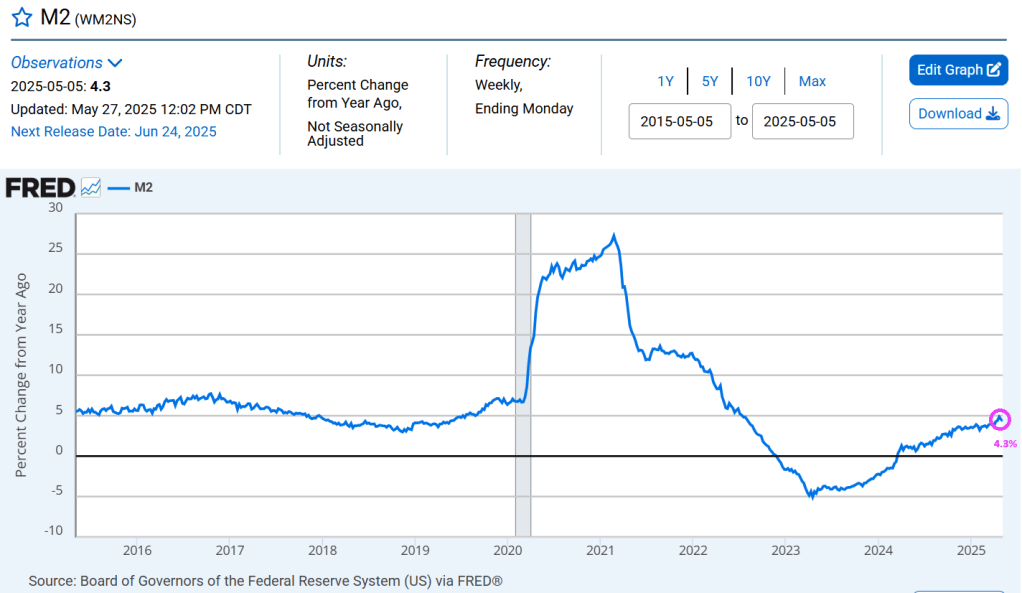
Thanks a lot Fed! Home prices rose dramatically after Covid as The Fed printed billions of dollar of currency (M2). Making housing unaffordable for much of America.
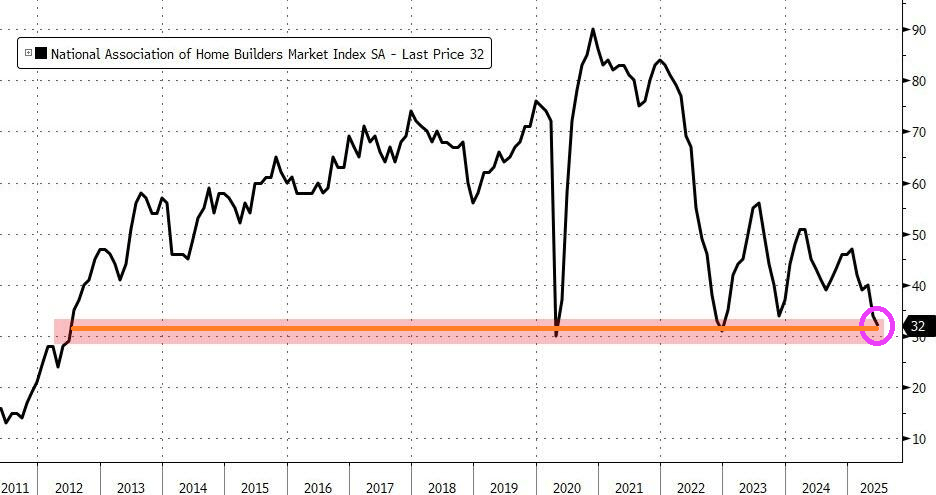
As a result of higher mortgage rates and higher home prices, homebuilder confidence is at a 13 year low (back to 2012).
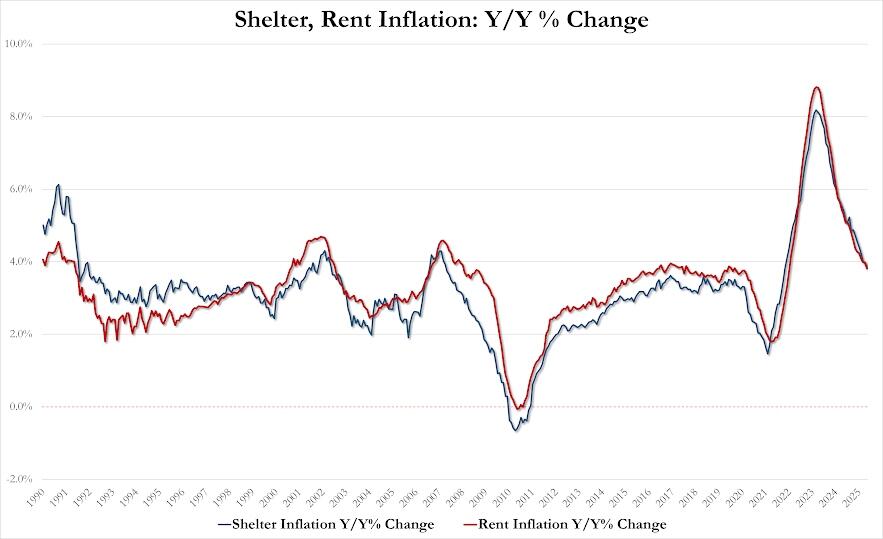
May Rent inflation 3.81% YoY, down from 3.98% in April, lowest since Jan 2022.
May Shelter inflation 3.86% YoY, down from 3.99% in April, lowest since Nov 2021
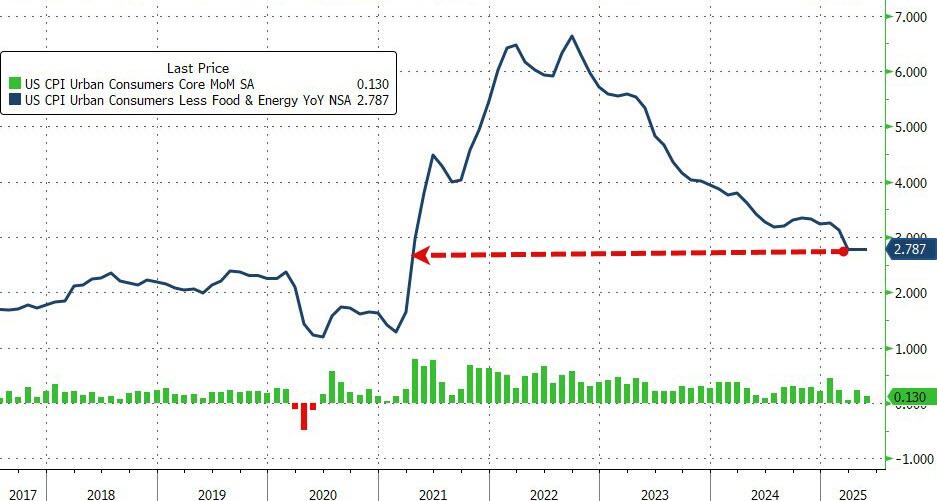
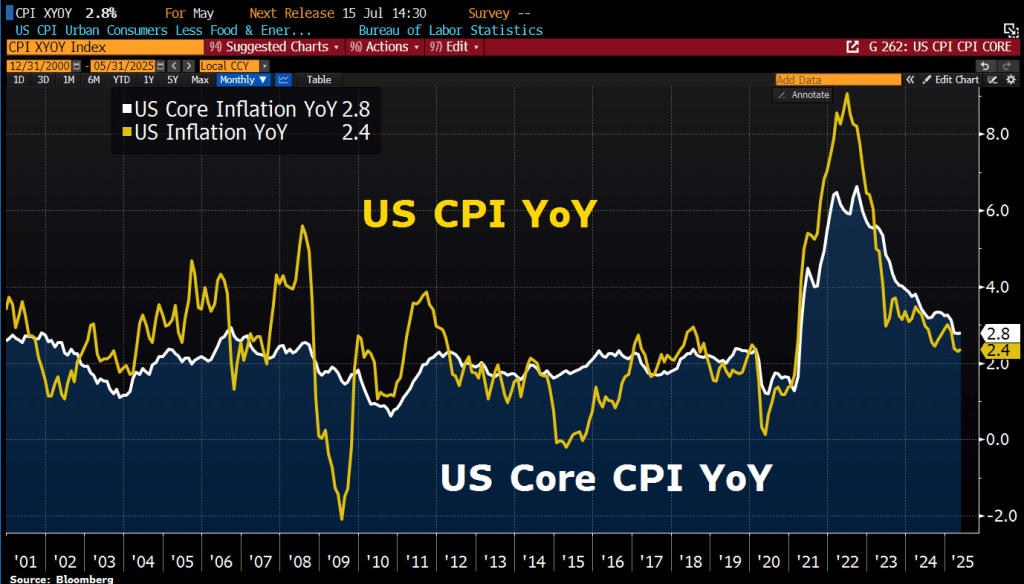
In general, CPI increased 0.1% MoM after rising 0.2 percent in April; Over the last 12 months, the all items index increased 2.4 percent before seasonal adjustment. The index for all items less food and energy rose 0.1% in May, following a 0.2% increase in April.
The index for shelter rose 0.3% in May and was the primary factor in the all items monthly increase. The food index increased 0.3% as both of its major components, the index for food at home and the index for food away from home also rose 0.3% in May.
In contrast, the energy index declined 1.0% in May as the gasoline index fell over the month.
Indexes that increased over the month include medical care, motor vehicle insurance, household furnishings and operations, personal care, and education.
The indexes for airline fares, used cars and trucks, new vehicles, and apparel were among the major indexes that decreased in May.









 Confounded Interest - Anthony B. Sanders
You must be logged in to post a comment.