Cracks Emerge in Treasury Bond Market as Fed Starts to Back Away (Stimulypto Bubble Trouble: China, Shiller CAPE, Buffett Ratio)

As The Federal Reserve tries to drain-off the extraordinary growth in its balance sheet since COVID without raising its target rate (good luck with that!), it is time to appraise where we are sitting. First, liquidity.

(Bloomberg) Buying and selling large quantities of U.S. government debt without substantially moving the market is about the hardest it’s been since the pandemic sent markets reeling in March 2020. Volatility has jumped, failed trades have increased — and Wall Street analysts warn that the Federal Reserve’s exit from bond-buying is set to make matters worse.

When markets seized up last year, liquidity in most Treasuries vanished, forcing the Fed to embark on massive asset purchases and other measures to avert a full meltdown. Now, the U.S. central bank is scaling back that buying, which has targeted the least-liquid Treasuries, and is poised to quicken the wind-down. At the same time, new government borrowing is ebbing, with the combination setting the stage for more fireworks.


 OK, liquidity isn’t as bad as COVID and March 2020, but it is near the highest level since March 2020. The question is … will the numerous asset bubbles around the globe burstLet’s look at the ongoing saga of Chinese conglomerate Evergrande (mainly known as a large real estate developer). Their 8.25% bond has plunged to $23.481 on speculation of a catastrophic default on their bond payments. Then we have Invesco’s Golden Dragon China ETF (measuring a diversified market cap of US-listed companies headquartered or incorporated in China & derive a majority of their revenues from the People’s Republic of China). This ETF has crashed and burned back to pre-COVID (and Stimulytpo) levels.

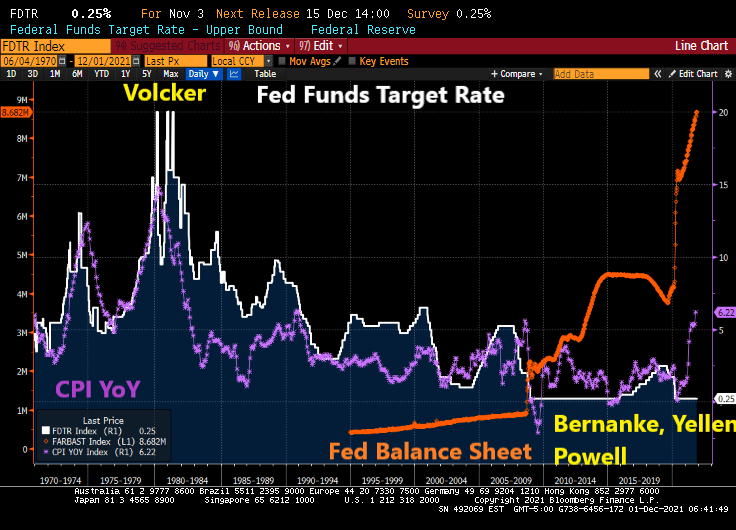
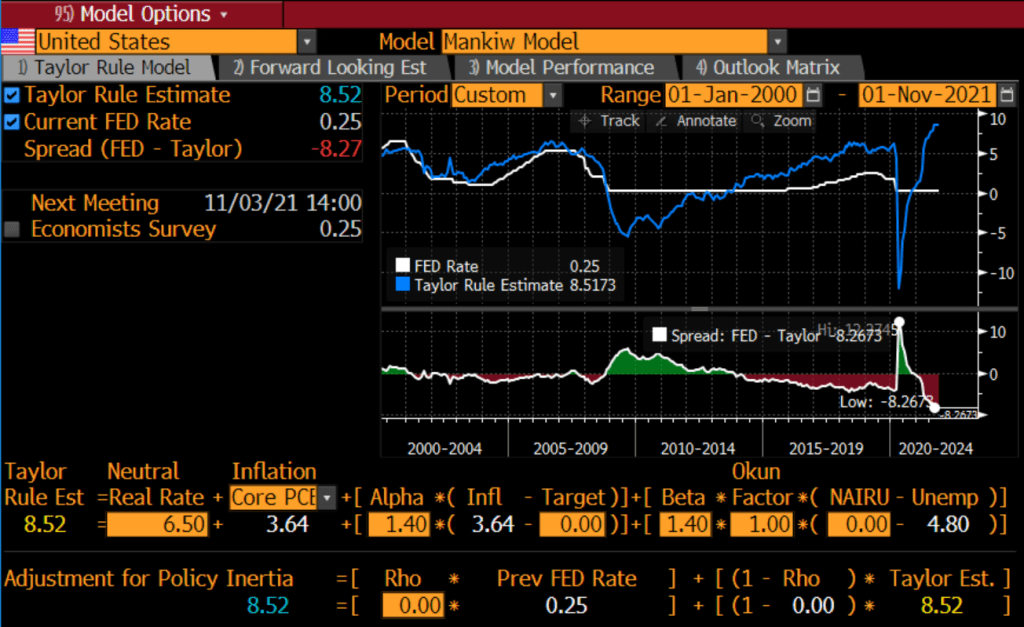
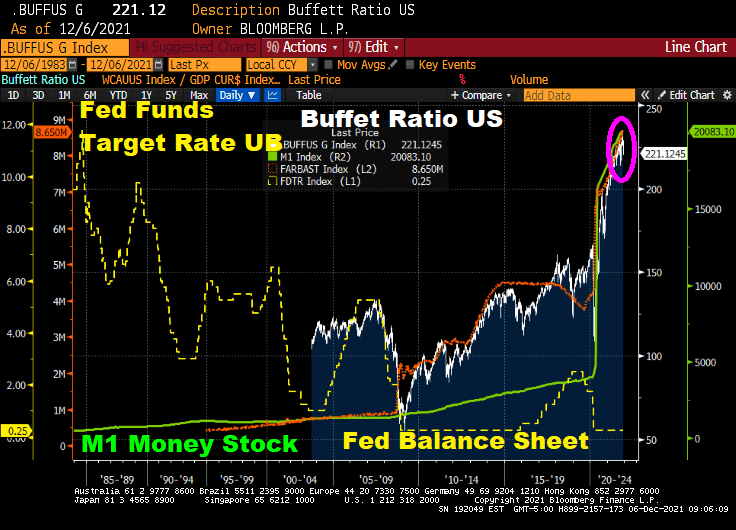
Speaking of cracks, how will the Buffett Ratio US react to a reduction in The Fed’s balance sheet (orange line) and M1 and M2 Money stock? Given that the Fed Funds target rate is WAY below where it should be (according to the Taylor Rule).
As I mentioned yesterday, the Shiller CAPE ratio is at its highest level since the Dot.com debacle of 2000. How will the Shiller CAPE ratio react to The Fed’s tapering?

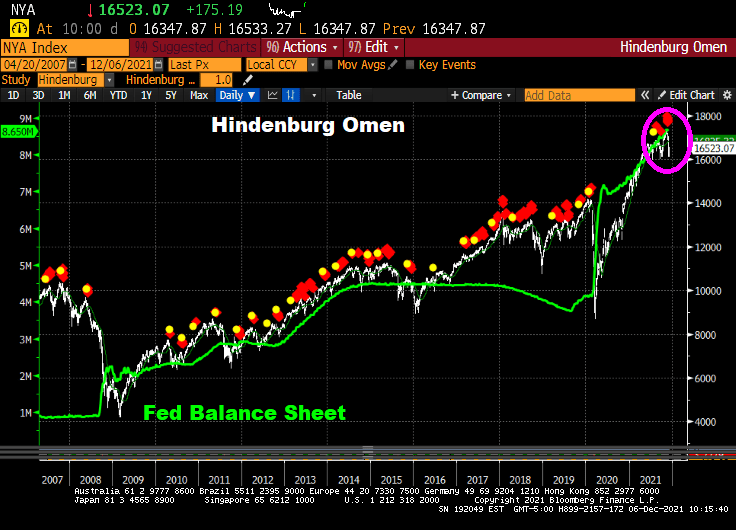
Even the Hinderburg Omen is flashing red … again.
Now, the Dow is up 600 points today, primarily on the news that the Omicron Variant is about as harmful as the common cold.

BUT, there is this interesting news from Steve Leisman at CNBC:

A major shift is underway at the Federal Reserve to begin to remove the central bank’s massive pandemic easing policies, and could see it hike rates sooner than is priced in by markets.

Comments by Fed officials suggest the central bank is likely to decide to double the pace of its taper to $30 billion a month at its December meeting next week. Initial discussions could also begin as soon as the December meeting about when to raise interest rates and by how much next year with Fed officials set to submit a fresh round of economic forecasts and projections for the fed funds rate.

There is no consensus yet on when to begin hikes, but it’s clear that the faster taper is designed to give the Fed flexibility to raise rates as soon as the spring. The markets do not appear to expect the first rate hike until the summer of 2022.

Uh-huh. Let’s see what happens when and if The Fed starts to taper. Is economic growth so strong that it can continue without Federal Stiumulypto? THAT is the right question.

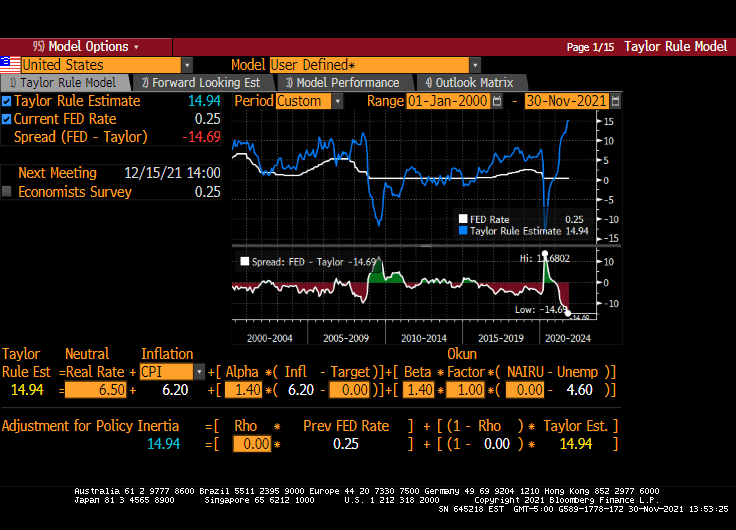
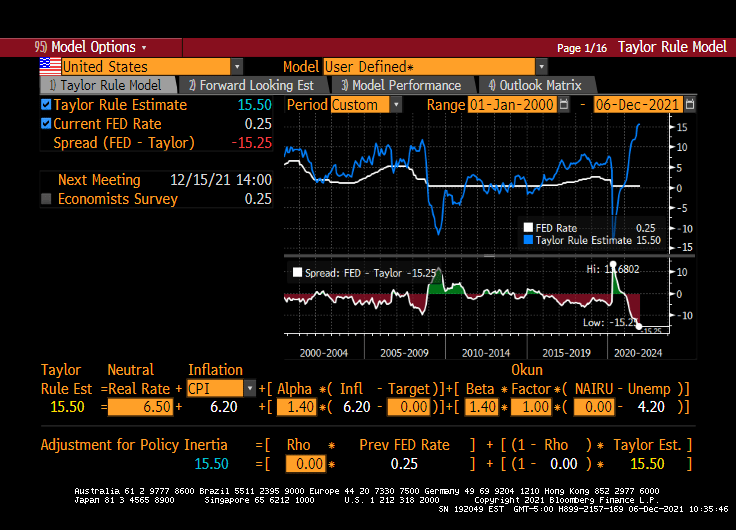
Look at the above charts and tell me if The Fed will actually raise their target rate more than twice. Despite the Taylor Rule suggest a target rate of 15.50% to cool inflation.
Calamity Jay Powell Ditches Transitory Inflation Tag, Paves Way for Rate Hike (Compare To Volcker’s Record)

Calamity Jay Powell is no longer mentioning “transitory” when it comes to inflation, but does Powell and the FOMC have the moxie to ACTUALLY raise rates more than a smidge??

(Bloomberg) — Team Transitory is throwing in the towel.

In a clear sign that the Federal Reserve is shifting to tighter monetary policy, Jerome Powell — who’s spent months arguing that the pandemic surge in inflation was largely due to transitory forces — told Congress on Tuesday that it’s  “probably a good time to retire that word.”

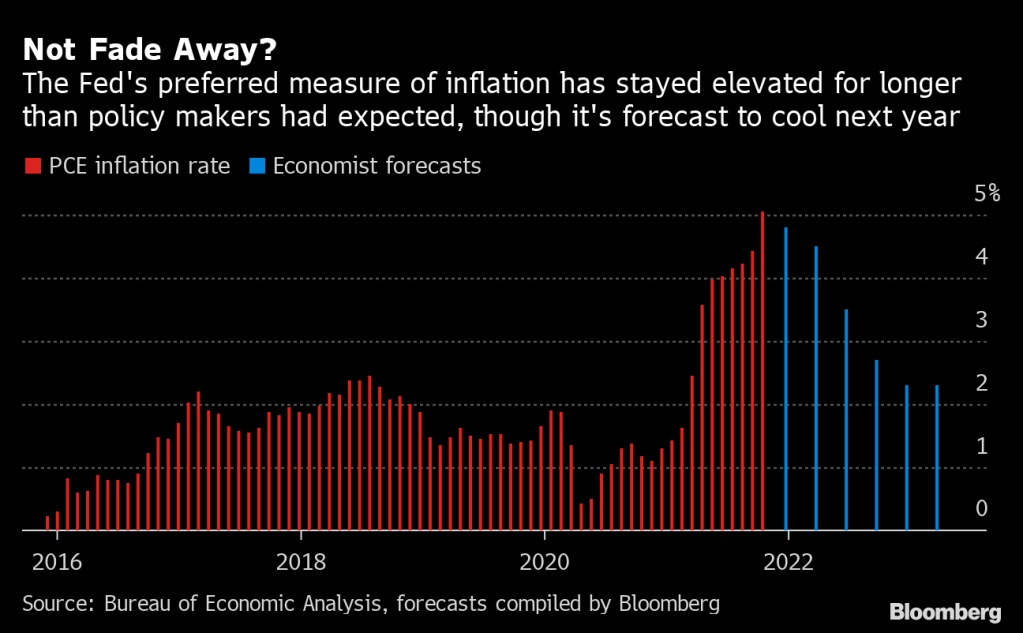
The Fed chair, tapped last week for another four-year term, still thinks inflation will ebb next year.

But in testimony before the Senate Banking Committee, he acknowledged that it’s proving more powerful and persistent than expected, and said the Fed will consider ending its asset purchases earlier than planned.

A number of economists are forecasting cooling inflation next year, which gives Powell an excuse to NOT raise rates, other than just a bit.

For a little history, inflation was rampant in the 1970s and early 1980s. Fed Chair Paul Volcker, all 6’7 of him, raised the Fed Funds target rate (white line) to 20% on several occasions. The result? Inflation cooled from over 14% in 1980 to 2.46% by 1983. But since 2008, Fed Chairs Bernanke, Yellen and Powell have been the ANTI-Volckers … keeping the Fed Funds Target rate near zero for the the most part and adopted their gut-wrenching quantitative easing programs that are still here today.

Of course, Powell could do what Volcker did (and the Taylor Rule suggests) and raise their target rate to 15% to cool inflation.
But does Powell and the other FOMC members have the moxie to really cool inflation? Frankly, no. Powell until yesterday played the TRANSITORY card and still believes that inflation will cool by 2022.

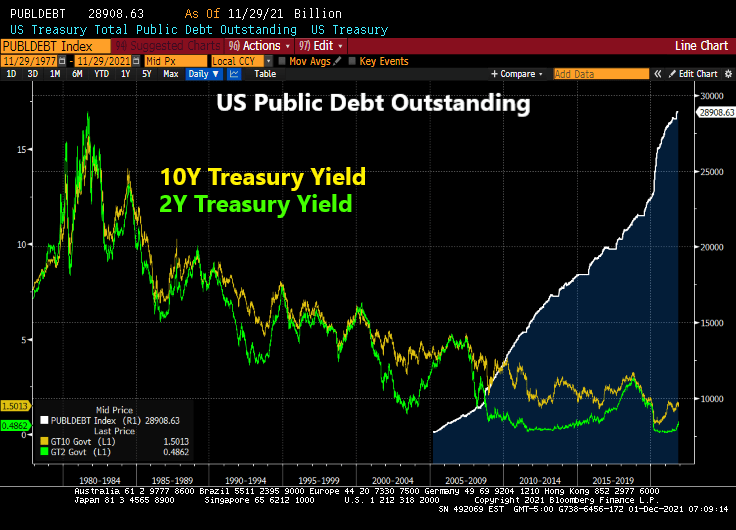
True, the Federal government has binged on borrowing (up 172% since January 2009). And with Biden and Congress trying to spend trillions more (much of which will be added to the public debt rolls, so increasing interest rates ala Volcker is very problematic.

And then there is always the good ‘ole excuse not to raise rates if needed. Other than admitting that The Fed is monetizing Federal government spending to which there is no end in sight.

Given Fauci’s alleged strong belief in “science” he could play Esqueleto in a remake of Nacho Libre.

Is The US At Full (Realistic) Employment? If So, Why Isn’t The Fed Raising Rates?

Is the US at full employment? That is, is the US at REALISTIC full employment? And if the US is at realistic full employment, why is The Federal Reserve keeping rates at 25 basis points??

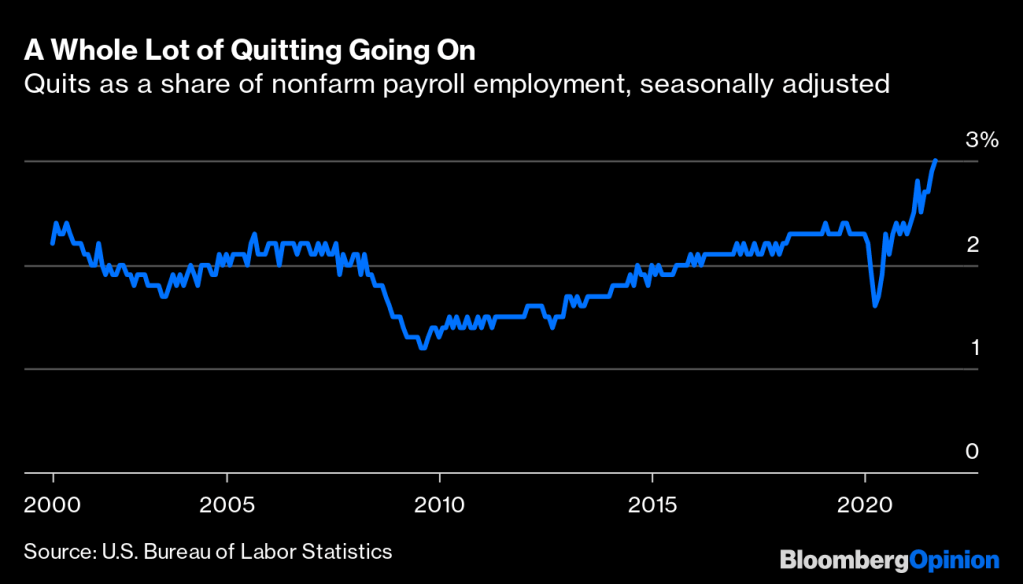
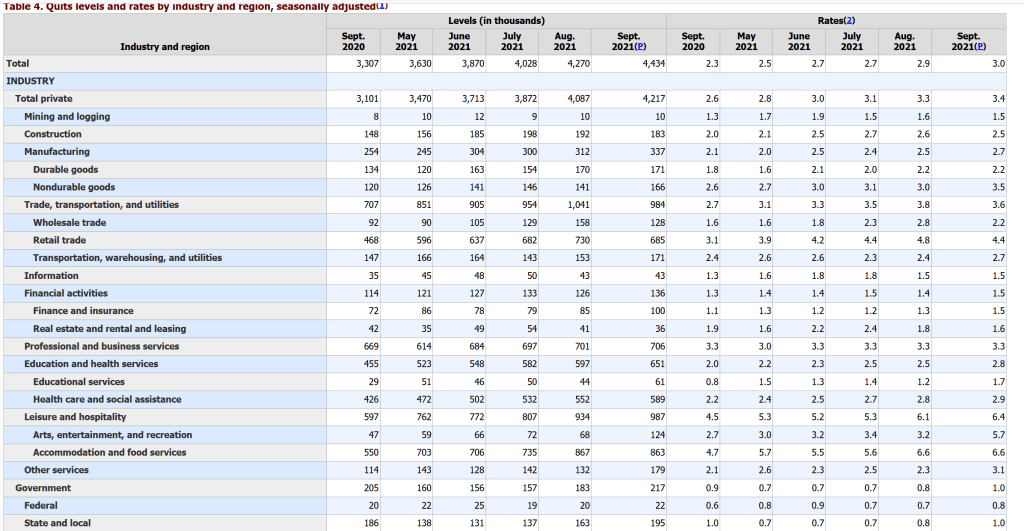
Let’s start with the “quits” data. An estimated 3% of American workers quit their jobs in September, the Bureau of Labor Statistics reported last week.1That’s the highest percentage since the BLS started keeping track two decades ago.

Front-line and low-wage workers are leaving at rates higher than historical norms while higher-paid office workers aren’t. College-educated workers haven’t been quitting or dropping out of the workforce at higher rates than before the pandemic, but less-educated workers have.


The quits rate in professional and business services was just 0.4 percentage points higher in September than before the pandemic in February 2020. In financial activities it was unchanged. In the information sector, made up of telecommunications, publishing, broadcasting, motion pictures, software and most internet companies, the quits rate was down 0.3 percentage points.

The biggest increases in quit rates were in sectors such as leisure and hospitality where office workers are few, working remotely seldom an option and wages low. Within manufacturing, the quits-rate increase has been much bigger in lower-paying nondurable goods (of which food manufacturing is the biggest part) than in higher-paying durable goods.

In particular, fast food restaurants are offering above minimum wage salaries to attract workers. Burger King was even offering college tuition (not to University of Chicago, but to the local community college).

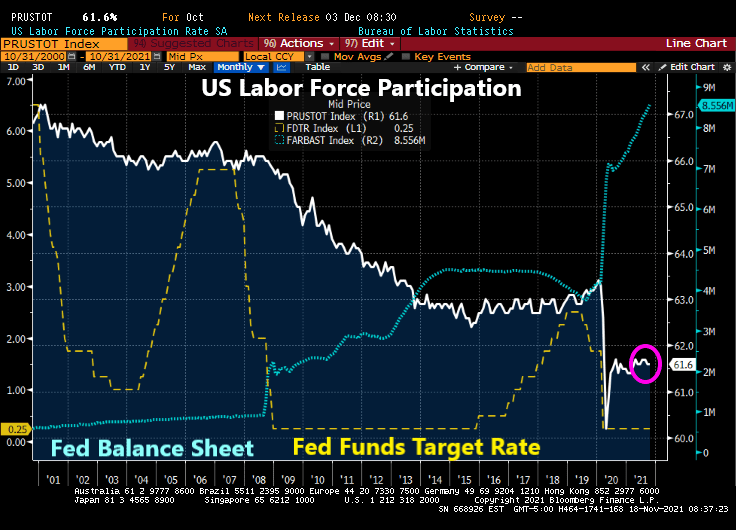
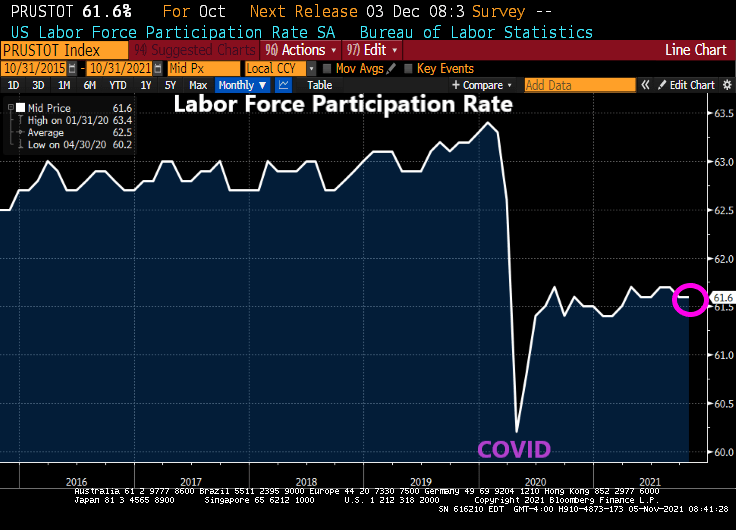
Labor force participation crashed with COVID and has struggled to recover, despite the staggering monetary stimulus. If this a sign that the US is at full employment (or very difficult to entice workers to enter and stay in the labor force)?

Speaking of colleges, business schools in particular, here are the top 85 business schools in the US according to Bloomberg/Business Week. I had the honor of teaching at University of Chicago in the 1990s which is currently ranked at #4.

I saw this headline this morning: “More Americans Than Expected File for Jobless Benefits.” Odd since so many jobs are available.

I guess Johnny Paycheck’s “Take This Job and Shove It” is the new national anthem under Biden.

JOLT! Job Openings Changed Little (10.4 Million In September) As UMich House Buying Sentiment Declines Even Further (To 62 From 144 Last Year On This Date)

The Federal Reserve continues to JOLT markets with excessive monetary stimulus despite numerous reasons why they should back off.

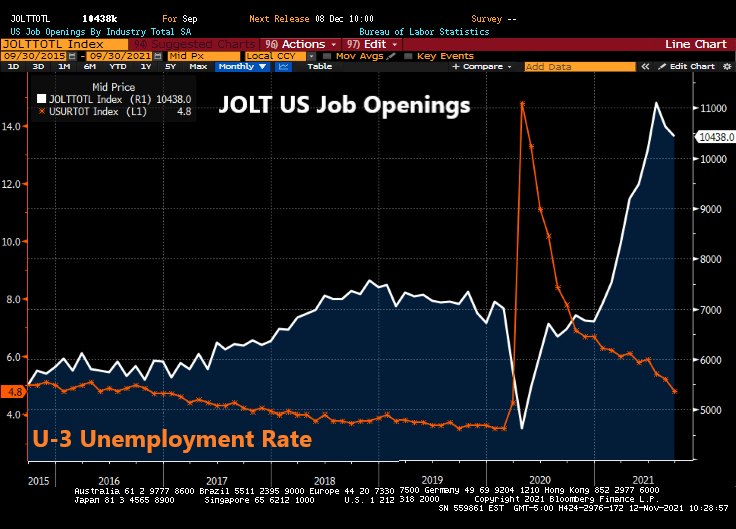
For example, today’s JOLT report (US job openings) revealed that 10.4 million jobs were open in September. This is the fourth consecutive month of 1 million plus job openings, yet The Fed refuses to raise their target rate.

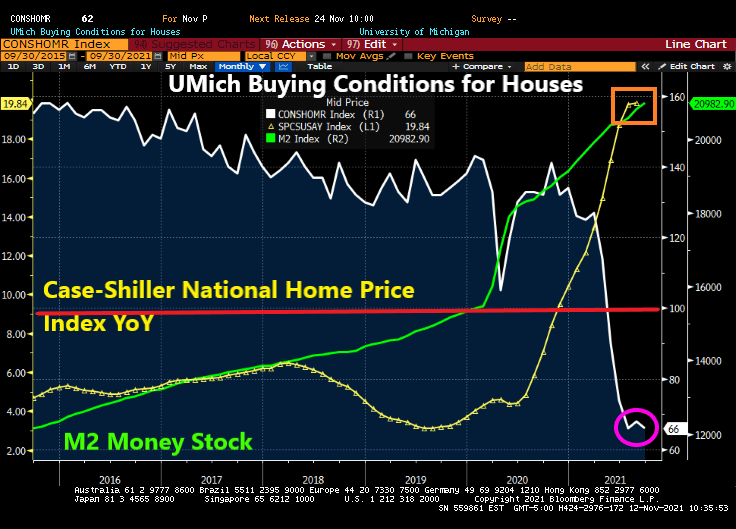
At the same time, the University of Michigan survey revealed that buying conditions for houses dropped to 66 (baseline of 100). To show how bad this is, buying conditions for houses was at 144 this time last year.

UPDATE: UMich revised their number downward to 62, the lowest since 1981.

In The Fed’s mind, they are still chasing at least 3.5% unemployment, the lowest rate under President Trump prior to COVID. But with perpetual million plus job openings GOING UNFILLED, trying to get to pre-COVID unemployment rate of 3.5% is a fool’s errand.

Of course, with The Fed helping to pump up house prices to largely unaffordable levels, it makes sense that enthusiasm for buying expensive homes has crashed.

Meanwhile, The Fed continues to JOLT the economy with excess stimulus.

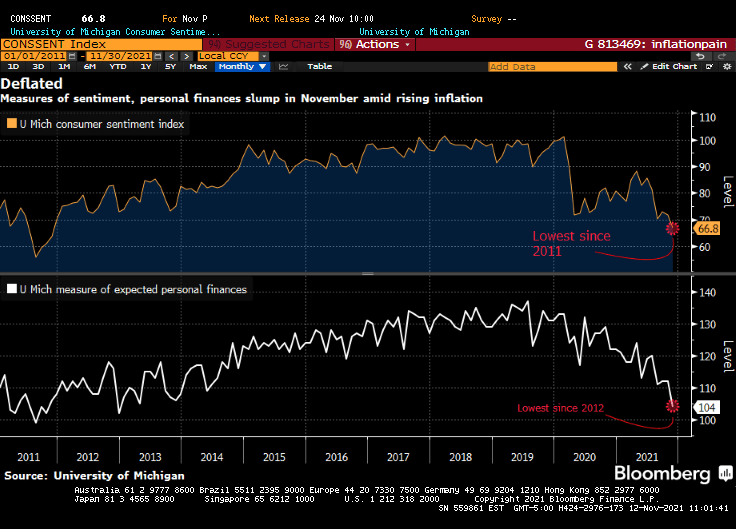
Overall inflation fears are leading to lowest consumer confidence since 2011.

PLEASE stop JOLTING US!!

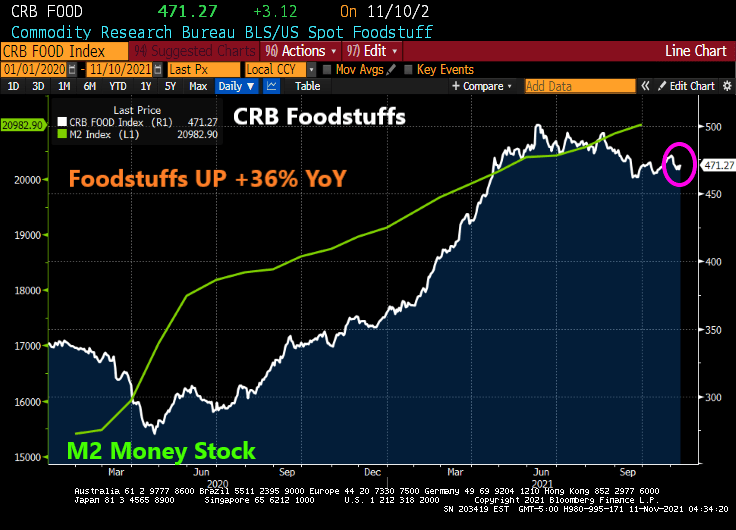
Thanksgiving Dinner Staples Are Low in Stock Thanks to Supply-Chain Issues And Federal Policies (Foodstuffs UP 36% From Last Year)

Combine vaccine mandates that lower the workforce and the flood of economic and monetary stimulus by the geniuses in Washington DC, and we have a Thanksgiving problem.

The supply-chain crunch is about to hit another part of American life: Thanksgiving dinner.

Supplies of food and household items are 4% to 11% lower than normal as of Oct. 31, according to data from market-research firm IRI. That figure isn’t far from the bare shelves of March 2020, when supplies were down 13%.

For grocery shoppers this holiday season, it means that someone with 20 items on their list would be out of luck on two of them.

Although U.S. supermarket operators started purchasing holiday items early, aiming to avoid shortages, many holiday essentials are already in short supply.

Turkeys are very low in stock. By the end of October turkeys were over 60% out of stock—lower than the same time last year by more than 30 percentage points. A spokesperson for Butterball LLC, one of the largest U.S. turkey processors, said the company has been experiencing similar labor and supply challenges as other organizations and industries.

Even if you can find a turkey, prices on foodstuffs in general are up 36% from last year.

And to get to the grandparents’ house of Thanksgiving, gasoline prices (regular) are up 24.5% from last year.

You can always shop at Neiman Marcus for a half Thanksgiving dinner for … $376 + $32 shipping. Not for the average American, more for NYC and DC elitists like Biden’s OCC nominee Saule Omarova who wants to bankrupt energy companies.

Biden could lower inflation by 1) stop mandating vaccines, 2) stop shutting off energy pipelines and oil exploration, 3) stop spending trillions of dollars other than Social Security, Medicare and defense.

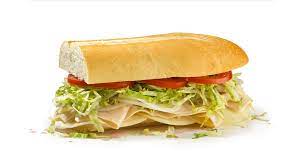
Frankly, Thanksgiving has gotten so expensive due to Biden’s Reign of Error that I am thinking of alternatives to turkey. Like a Jersey Mike’s turkey and provolone sub.

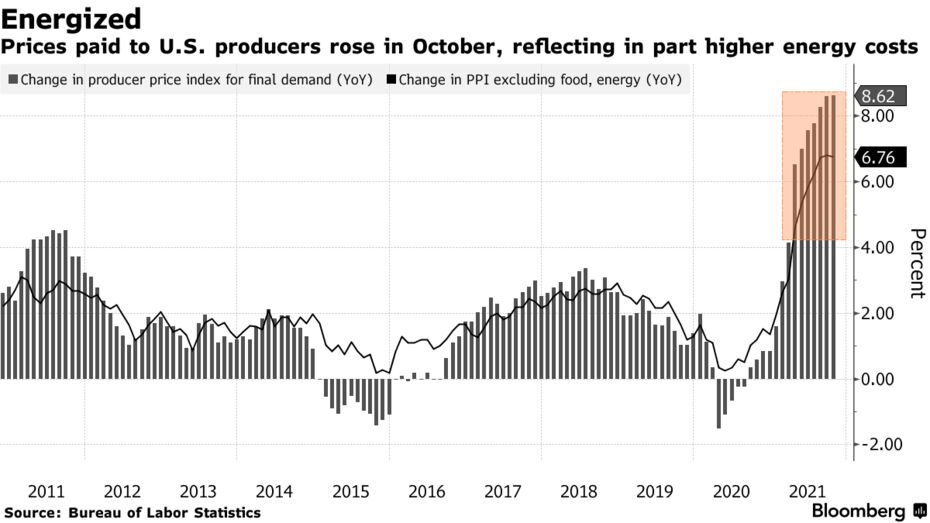
The Inflation Tax Levied By The Federal Government Rose To 8.62% In October (Biden Interviews Brainard For Fed Chair Position)

Now that President Biden is interviewing Lael Brainard for Federal Reserve Chair, I am really getting a peaceless, uneasy feeling that The Fed will NEVER raise rates and inflation will be perpetual. To whit, …

Prices paid to U.S. producers accelerated in October, largely due to higher goods costs, fueling concerns about the persistence of inflationary pressures in the economy.  

The producer price index for final demand increased 0.6% from the prior month and 8.6% from a year earlier, matching forecasts, Labor Department data showed Tuesday. The annual advance was the largest in figures back to 2010.

Excluding the volatile food and energy components, the so-called core PPI rose 0.4% and was up 6.8% from a year ago.

Prices paid to U.S. producers rose in October, reflecting in part higher energy costs
  

More than 60% of the headline increase was due to goods, which jumped 1.2%. Higher energy costs, including that for gasoline, drove the gain. The cost of services rose a more moderate 0.2% for a second month, reflecting a further pullback in the cost of securities brokerages and investment advice.

The report underscores how transportation bottlenecks, materials shortages and increasing labor costs have sent prices soaring across the economy in recent months. Trucking freight costs jumped a record 2.5% from September.

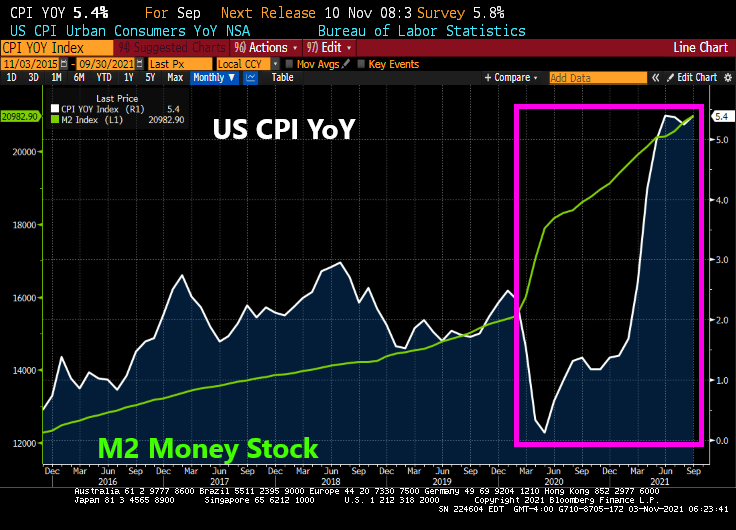
Inflation is a tax created by printing too much money and stupid Federal economic policies (or follicies).

Lael Brainard? Discussing the chairmanship with Brainard could signify that the Biden team is weighing how a break with Powell might help advance their goals for the central bank. Brainard and Powell work closely together on multiple issues and are viewed as holding similar views on monetary policy, but she’s favored a tougher stance on big banks.

Remember, The Federal Reserve is a privately-owned entity independent of The Federal Government. A Brainard appointment would make The Fed the financing arm of the Democrat Party.

Where The Fed Sits In One Chart (Taylor Rule Hints At Target Rate Being 8.80% Instead Of 0.25%)

With The Federal Reserve leaving its target rate at 0.25%, but hinting at a tapering (slowdown) of asset purchases, I thought it would be good to present where The Fed sits at the moment.

You can see the rise in the effective Fed Funds rate from 2016 to early 2020, then KABOOM! COVID struck, the effective Fed Funds rate crashed while The Fed dramatically increased their purchases of Treasuries and Agency MBS. Both Treasury and Agency MBS purchases are projected to decline by mid-2022. The Fed’s target rate (purple line) is project to rise to 1% after 2023.

Where SHOULD The Fed Funds Target rate be? How about 8.80% instead of 0.25%.

So we still have over-stimulypto with The Fed projected to raise rates at a snail’s pace.

Face it, Wall Street wants interest rates low, even if inflation burns out of control.

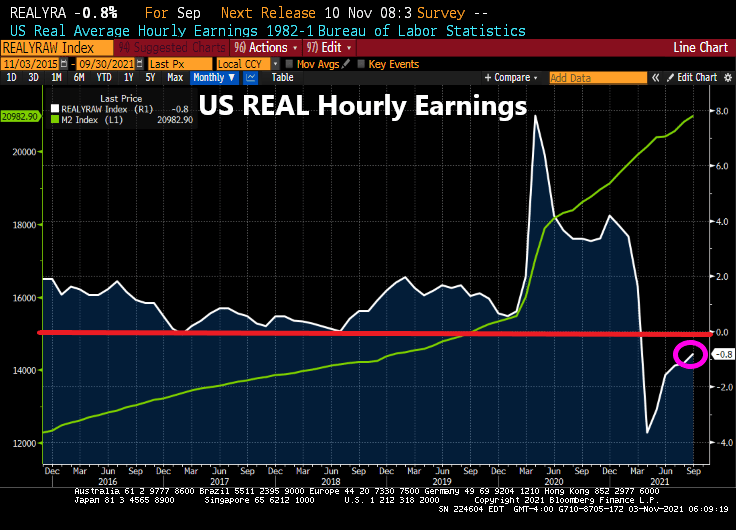
The Fed’s Folly Of Full Employment (Real Hourly Earnings Growth At -0.814% YoY, Labor Force Participation Remains Below Pre-Covid Levels)

If The Federal Reserve is actually looking to achieve full employment in the USA, then it is a fool’s errand.

Today’s jobs report is both good and bad. The good news? 531k jobs were added, more than expected. The U-3 unemployment rate fell to 4.6%, also better than expected.

The bad news? REAL average hourly earnings growth “rose” to -0.8141% meaning that inflation is outpacing wage growth (despite what Joe Biden said yesterday).

Look at labor force participation both in October and before Covid. After the large decline in LFP, it rose again then leveled-off to near where it is in October 61.6%.

Here is the rest of the story. Zero Hedge had the enticing headline of “October Payrolls Soar To 531K, Smashing Expectations As Prior Months Revised Sharply Higher”. Too bad inflation is eating away at the gains.

Biden: “We have increased labor force participation by inches.”

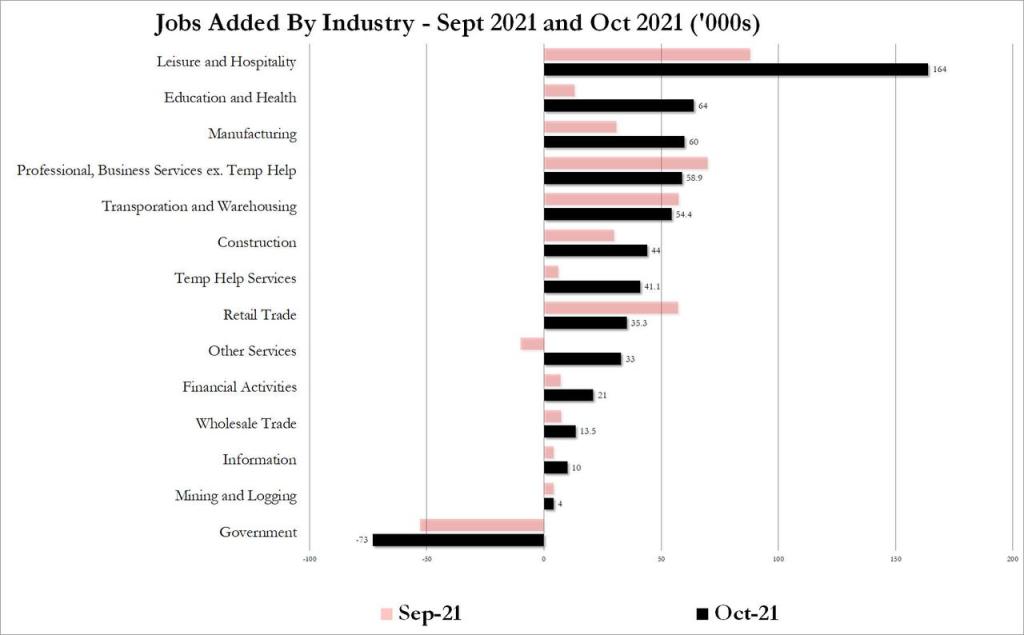
Employment in leisure and hospitality increased by 164,000 in October and has risen by 2.4 million thus far in 2021. Over the month, employment rose by 119,000 in food services and drinking places and by 23,000 in accommodation. Employment in leisure and hospitality is down by 1.4 million, or 8.2 percent, since February 2020.
Hey bartender!

Here is a video of The Federal Reserve being awakened by the banking crisis in 2008 and again due to COVID.

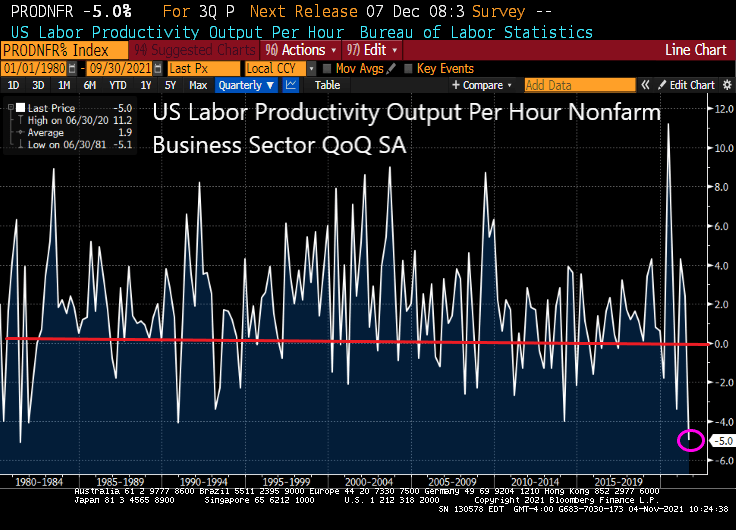
US Labor Productivity Output Plunges To Carter-era Stagnation Levels As Unit Labor Costs Soar

The last time we saw US labor productivity out per hour this low was in 1981 when President Reagan inherited stagflation from President Jimmy Carter.

As unit labor costs soar +8.3%.

Any wonder that the 1% have been doing so well relative to the bottom 50% in terms of wealth since entrance of The Fed in 2008 with zero-interest rate policies (ZIRP) and assets purchases (QE). And also after Covid struck.

“That will be $10,000 for your Big Mac, fries and a soda, please!”

What To Expect Today From The Fed Open Market Committee (No Rate Change, Slight Decrease In Asset Purchases As M2 Money Velocity Collapses And Real Hourly Earnings Growth Is Negative)

From The Land of 1,000 Excuses, The Federal Reserve Open Market Committee (FOMC) will announce … no rate increases and a slight reduction in their assets purchases (Treasuries and Agency MBS). The announcement will be at 2pm EST (not at The Midnight Hour).

The Federal Open Market Committee is all but certain to hold rates near zero after a two-day policy meeting and announce a $15 billion monthly reduction in bond buying from the current $120 billion pace, judging that the test for tapering has been met as the economy heals from Covid-19.

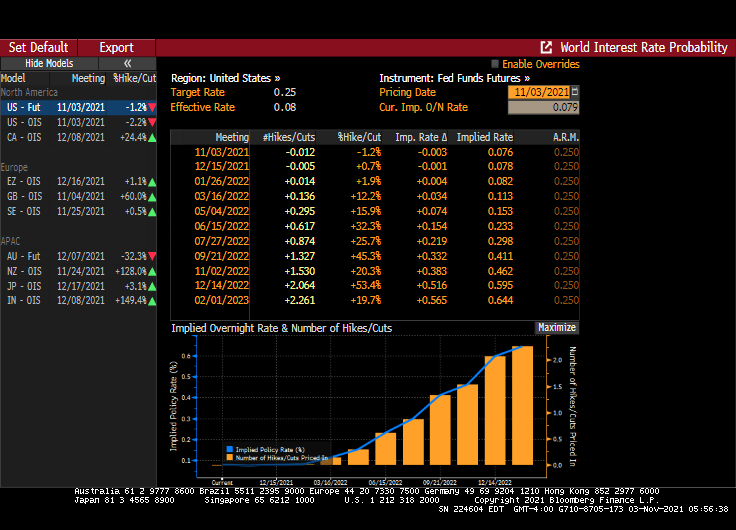
There are two rate increases baked into the Fed Funds futures data as of today.

But a troubling aspect of The Fed’s monetary policy is that M2 Money Velocity is near the lowest in history and The Fed has been binge printing. What this means is that money printing has had little impact on GDP growth.

When The Fed mentions the post-COVID recovery, I hope they mention that REAL hourly wage growth is NEGATIVE.

And REAL S&P 500 earnings yield is also negative.

The Fed will likely to blame TRANSITORY effects such as the backed-up port traffic in Long Beach for rising prices rather than their flooding the markets with too much money.

But The Fed will continue to print, even though they will blame bottlenecks for inflation rather than their haphazard drowning of the economy in money.

Given that The Fed is monetizing the reckless spending by The Federal government, particularly Pelosi’s latest budget, we will see coordination between Chairman Powell and Treasury Secretary Janet Yellen (aka, Mustang Sally).

Call Jerome at 634-5789 to tell him to raise rate to normal levels.