Is The US At Full (Realistic) Employment? If So, Why Isn’t The Fed Raising Rates?

Is the US at full employment? That is, is the US at REALISTIC full employment? And if the US is at realistic full employment, why is The Federal Reserve keeping rates at 25 basis points??

Let’s start with the “quits” data. An estimated 3% of American workers quit their jobs in September, the Bureau of Labor Statistics reported last week.1That’s the highest percentage since the BLS started keeping track two decades ago.
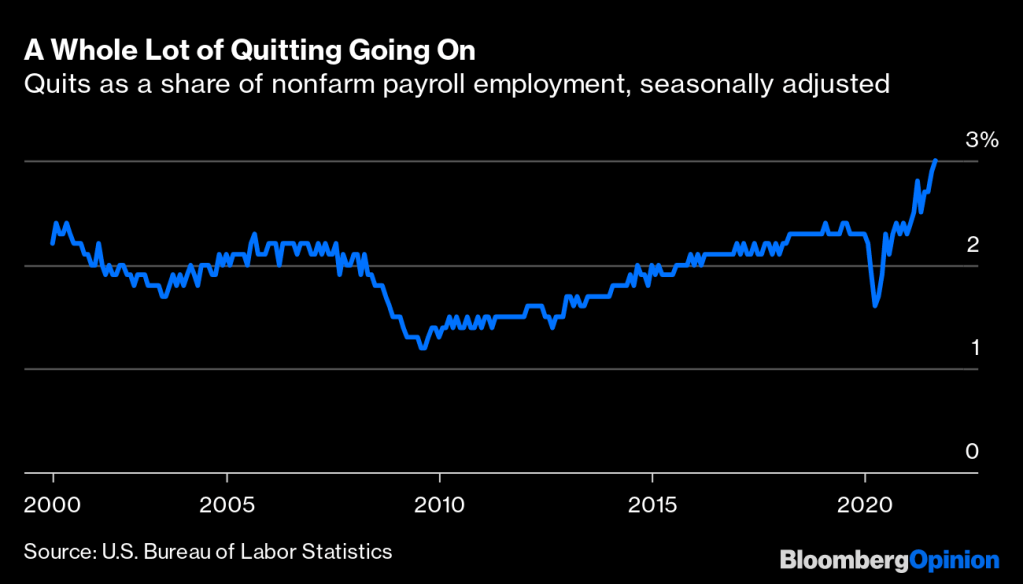
Front-line and low-wage workers are leaving at rates higher than historical norms while higher-paid office workers aren’t. College-educated workers haven’t been quitting or dropping out of the workforce at higher rates than before the pandemic, but less-educated workers have.


The quits rate in professional and business services was just 0.4 percentage points higher in September than before the pandemic in February 2020. In financial activities it was unchanged. In the information sector, made up of telecommunications, publishing, broadcasting, motion pictures, software and most internet companies, the quits rate was down 0.3 percentage points.
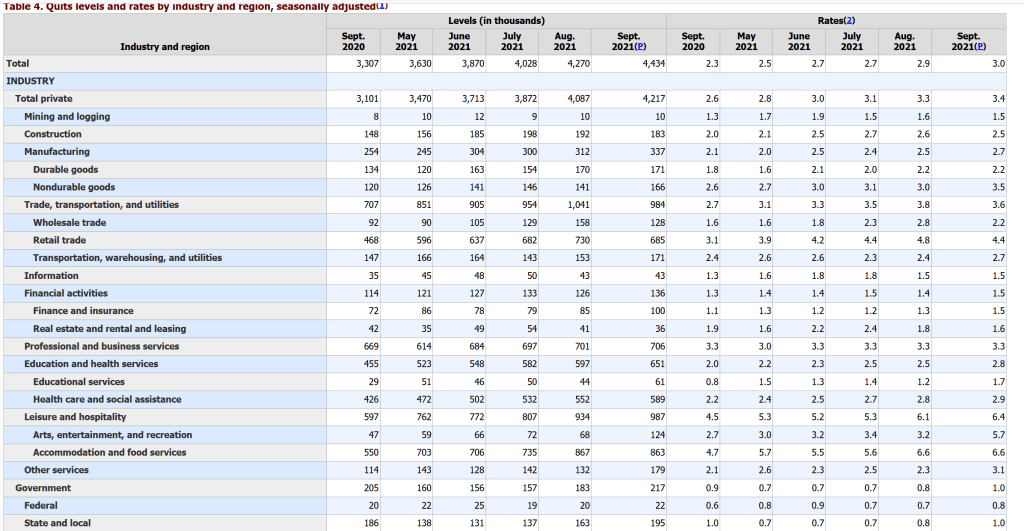
The biggest increases in quit rates were in sectors such as leisure and hospitality where office workers are few, working remotely seldom an option and wages low. Within manufacturing, the quits-rate increase has been much bigger in lower-paying nondurable goods (of which food manufacturing is the biggest part) than in higher-paying durable goods.

In particular, fast food restaurants are offering above minimum wage salaries to attract workers. Burger King was even offering college tuition (not to University of Chicago, but to the local community college).

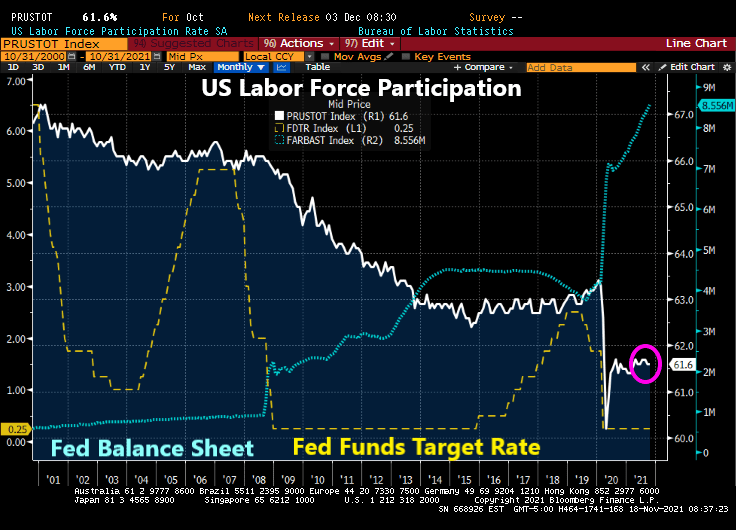
Labor force participation crashed with COVID and has struggled to recover, despite the staggering monetary stimulus. If this a sign that the US is at full employment (or very difficult to entice workers to enter and stay in the labor force)?
Speaking of colleges, business schools in particular, here are the top 85 business schools in the US according to Bloomberg/Business Week. I had the honor of teaching at University of Chicago in the 1990s which is currently ranked at #4.

I saw this headline this morning: “More Americans Than Expected File for Jobless Benefits.” Odd since so many jobs are available.
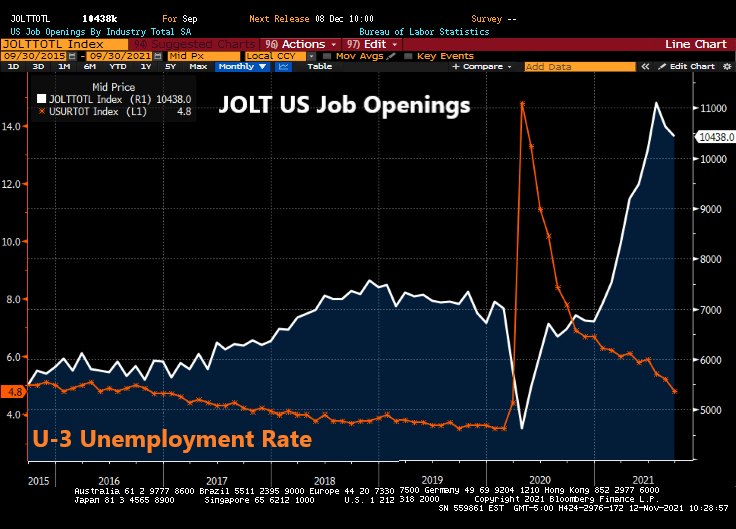
I guess Johnny Paycheck’s “Take This Job and Shove It” is the new national anthem under Biden.
Slipping Into Darkness? Inflation + Growing Recession Probability = Stagflation?

Is the US slipping into darkness?

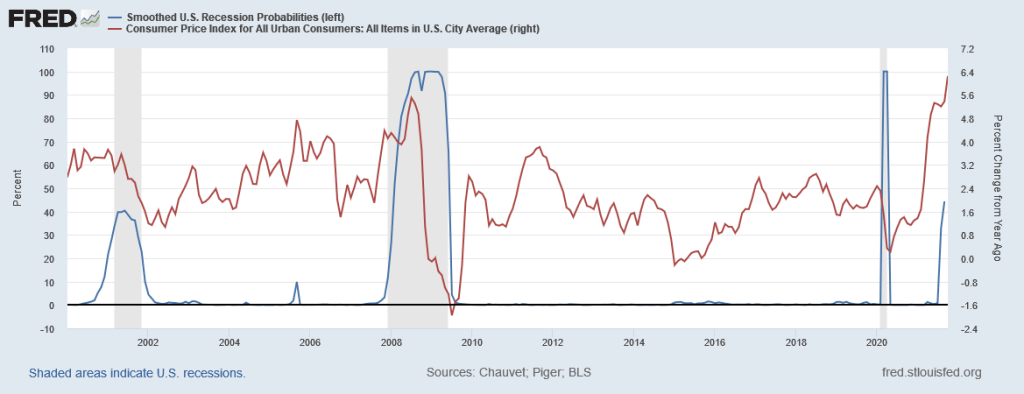
The smoothed US recession probability just rose to 44.40%. Meanwhile, the CPI YoY rose to 6.24% YoY.

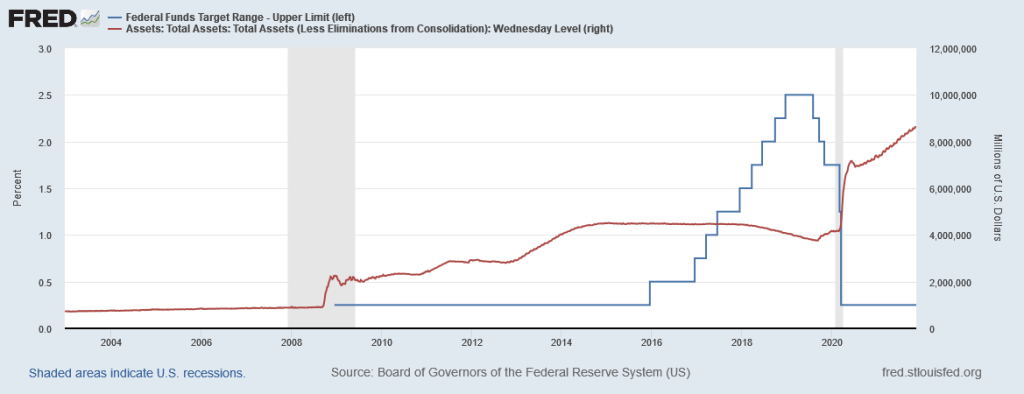
The Fed has been lowriding rates since late 2008.

Why can’t The Fed be friends with the middle class instead of just the top 1%?

Playing “Cisco Kid” to chill.

The Shadow Knows! The Xu-Xia Fed Shadow Rate Is -1.7021% (US Effectively Has Negative Interest Rates And Inflation Is Expected To Continue And NOT Be Transitory)

The Shadow Knows!

Wu-Xia employs an approximation that makes a nonlinear term structure model extremely tractable for analysis of an economy operating near the zero lower bound for interest rates. It can be used to summarize the macroeconomic effects of unconventional monetary policy (ZIRP + QE). The Shadow Rate is now -1.7021%.

And you wonder why we have inflation and house prices going into orbit?

With inflation also going into orbit, we see that breakeven 10 year inflation rate rising above the 5Y5Y (nominal forward 5 years minus US inflation-linked bonds forward 5 years). In other words, the US has abnormally high inflation and is expected to grow and NOT be transitory.

The Shadow knows … that the US is hyperstimulated. And inflation isn’t going away anytime soon.

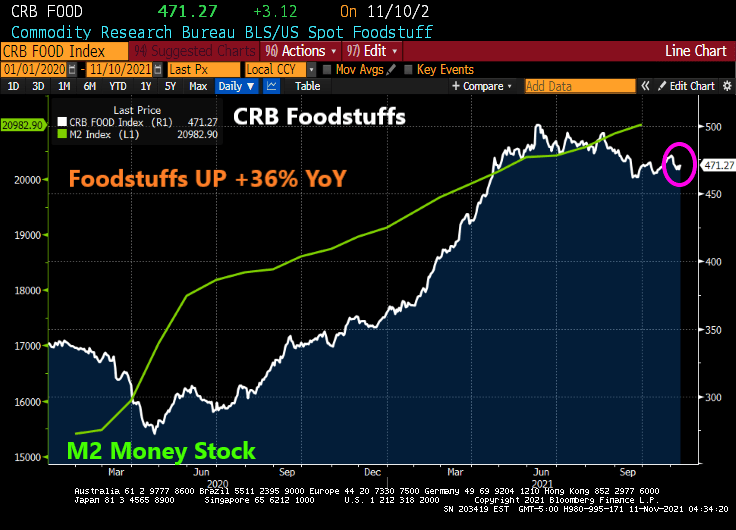
Thanksgiving Dinner Staples Are Low in Stock Thanks to Supply-Chain Issues And Federal Policies (Foodstuffs UP 36% From Last Year)

Combine vaccine mandates that lower the workforce and the flood of economic and monetary stimulus by the geniuses in Washington DC, and we have a Thanksgiving problem.

The supply-chain crunch is about to hit another part of American life: Thanksgiving dinner.

Supplies of food and household items are 4% to 11% lower than normal as of Oct. 31, according to data from market-research firm IRI. That figure isn’t far from the bare shelves of March 2020, when supplies were down 13%.

For grocery shoppers this holiday season, it means that someone with 20 items on their list would be out of luck on two of them.

Although U.S. supermarket operators started purchasing holiday items early, aiming to avoid shortages, many holiday essentials are already in short supply.

Turkeys are very low in stock. By the end of October turkeys were over 60% out of stock—lower than the same time last year by more than 30 percentage points. A spokesperson for Butterball LLC, one of the largest U.S. turkey processors, said the company has been experiencing similar labor and supply challenges as other organizations and industries.

Even if you can find a turkey, prices on foodstuffs in general are up 36% from last year.

And to get to the grandparents’ house of Thanksgiving, gasoline prices (regular) are up 24.5% from last year.

You can always shop at Neiman Marcus for a half Thanksgiving dinner for … $376 + $32 shipping. Not for the average American, more for NYC and DC elitists like Biden’s OCC nominee Saule Omarova who wants to bankrupt energy companies.

Biden could lower inflation by 1) stop mandating vaccines, 2) stop shutting off energy pipelines and oil exploration, 3) stop spending trillions of dollars other than Social Security, Medicare and defense.

Frankly, Thanksgiving has gotten so expensive due to Biden’s Reign of Error that I am thinking of alternatives to turkey. Like a Jersey Mike’s turkey and provolone sub.

Ethereum Is A Runaway Train! $4,358 Versus $129 On April 1, 2020 When COVID And The Fed Struck

Cryptocurrencies are a runaway train. In particular, Ethereum has gone from $129 on April 1, 2020 to $4,358 today.

Yes. March 2020 is when Covid struck and The Federal Reserve counterattacked.

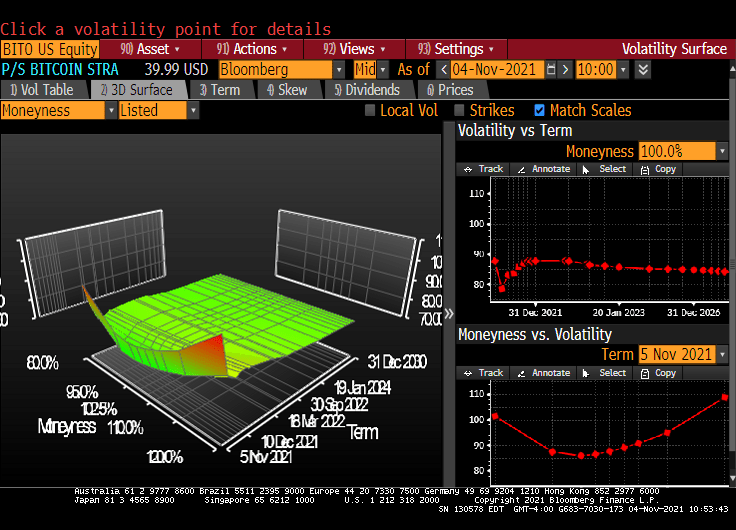
Has volatility increased for the cryptos? Of course. The skew to the upside is steep on Bitcoin.

ECB’s Lagarde Sees Higher Inflation; Pushes Back On Rate-hike Bets (ECB Keeps Foot On Monetary Gas Pedal Despite Inflation)

Its the same all over the world … insane central bank policies and resulting inflation.

I have discussed the US Federal Reserve in depth, but its time to focus on Europe’s European Central Bank (ECB) and their President Christine Lagarde.

FRANKFURT, Oct 28 (Reuters) – European Central Bank President Christine Lagarde acknowledged on Thursday that inflation will be high for even longer but pushed back against market bets that price pressures would trigger an interest rate hike as soon as next year.

With central banks around the world signalling tighter policy amid rising prices, Lagarde said the ECB had done much “soul-searching” over its stance but concluded that inflation was still temporary, so a policy response would be premature.

Soul-searching? The ECB is just doing what Powell and the Fed (aka, Jerome Jett and the Blackhearts) are doing. Keeping the foot on the monetary gas pedal in the face of inflation.

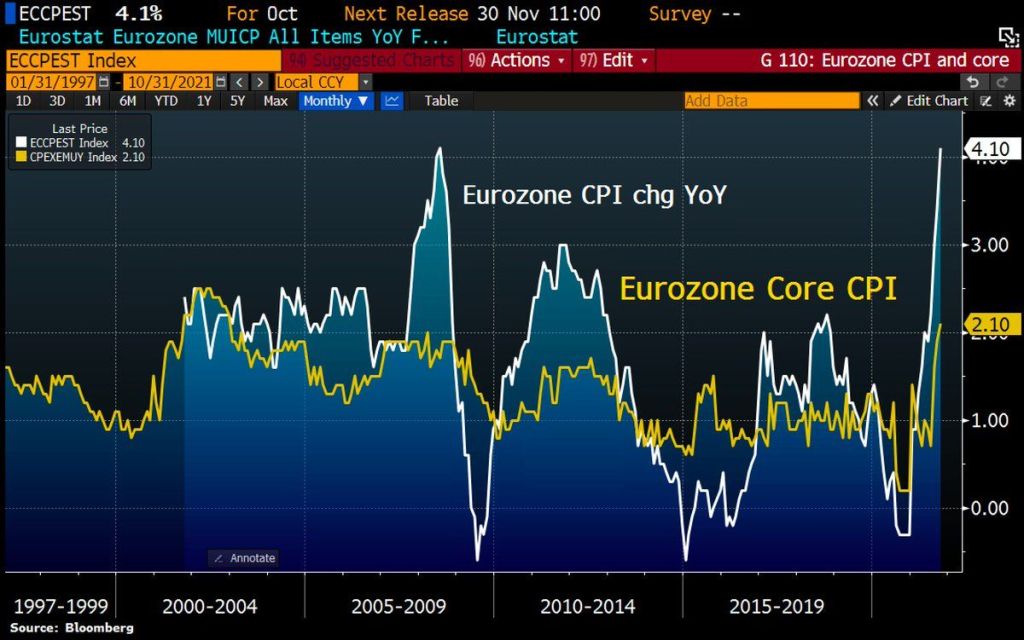
Let’s start Eurozone inflation. It is now sitting a 4.10% YoY. And core inflation is sitting at 2.10% YoY. Inflation is now the highest since 2009 while core inflation is at the highest since 2001.

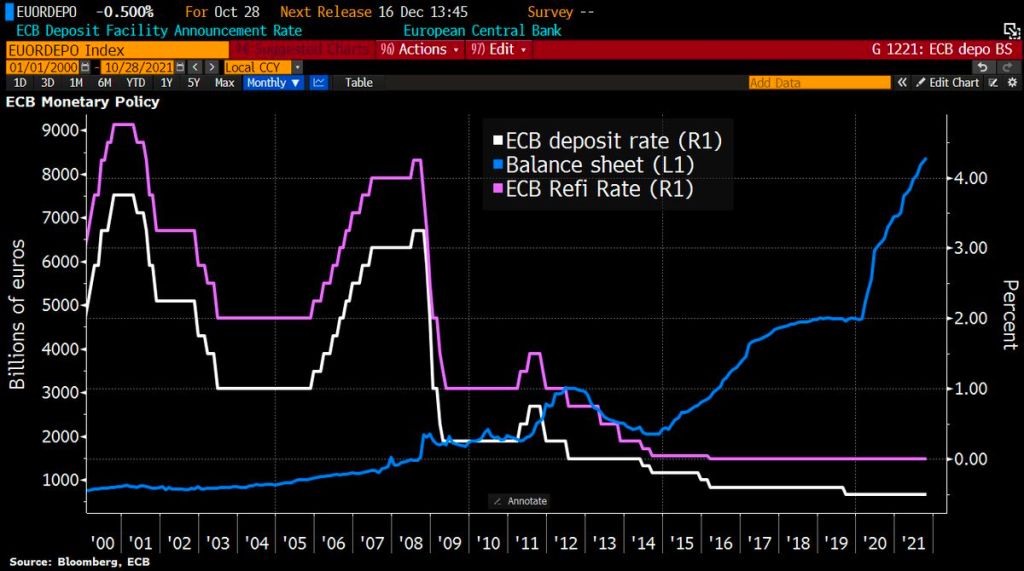
Like the Federal Reserve, the ECB still has its foot on the monetary accelerator pedal despite booming inflation.

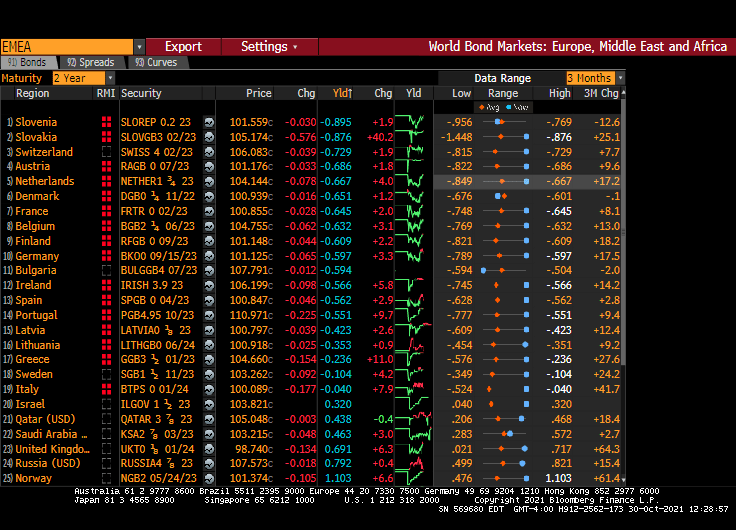
So, Christine, 19 nations in “Europe” having negative 2-year sovereign yields isn’t low enough for you?

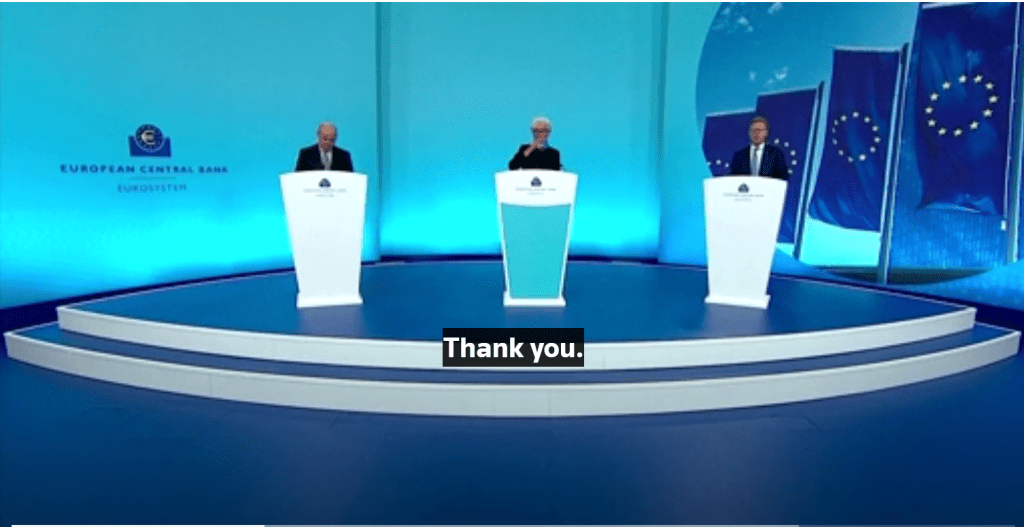
The ECB’s platform in Frankfurt reminds me of a bad TV quiz show where participants try to guess prices next year. Call it “The Price Is Wrong.”

Unless, of course, the ECB sees a massive depression ahead.

Powell Flags Rising Inflation Risk While Playing Down Rate Hikes (US Dollar, 10Y Treasury Yield, Gold Fall With Powell’s Comments)

Like the old EF Hutton ads, “When Powell speaks, people listen.”

Federal Reserve Chair Jerome Powell sounded a note of heightened concern over persistently high inflation as he made clear that the central bank will begin tapering its bond purchases shortly but remain patient on raising interest rates. 

“The risks are clearly now to longer and more persistent bottlenecks, and thus to higher inflation,” Powell said Friday during a virtual panel discussion hosted by the South African Reserve Bank and moderated by Bloomberg’s Francine Lacqua. 

“I would say our policy is well-positioned to manage a range of plausible outcomes,” he said. “I do think it’s time to taper and I don’t think it’s time to raise rates.”


Good luck with that, Jay! You are going to raise the short-end of the yield that will lead to a flattening of the Treasury yield curve. But you are going to continue to buy Treasuries and Agency MBS in order to monetize the rampant spending by Congress and the Biden Administration? C’mon man!

You can see where Powell spoke today. It is when gold tanked along with the 10-year Treasury yield. Both rebounded a bit, but the 10-year Treasury yield continue its fall to 1.6324%.

The US dollar (green) fell when Powell opened his pie-hole. But Bitcoin (blue) fell in advance as if they knew what Powell was going to say.

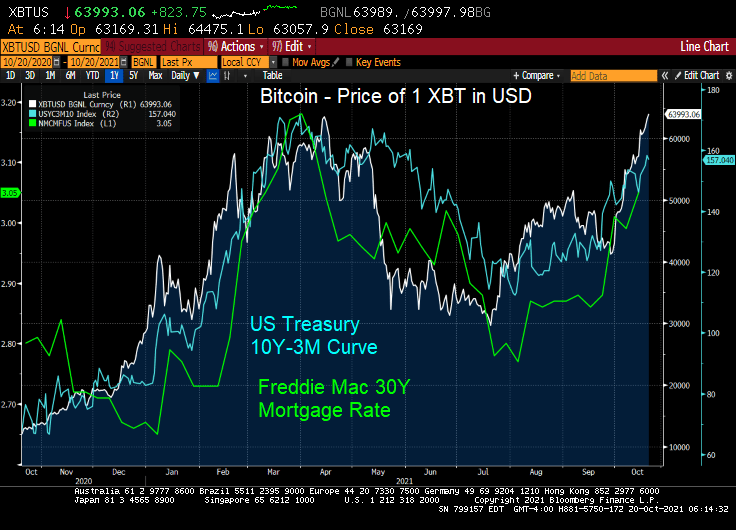
705742? Bitcoin Hits 63983 As US Treasury Curve Steepens (As Mortgage Rates Rise?)

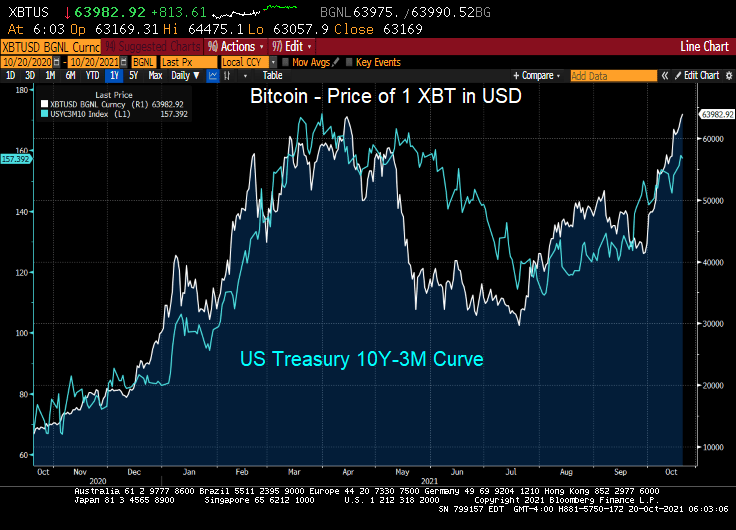
I have no idea why Jack Dorsey tweeted “705742.” But I do know that Bitcoin hit 63,982.92 this morning as the US 10Y-3M curve has been steepening.

Since the 3-month Treasury yield has been repressed to near zero, the 10Y-3M curve is pointing to rising 10-year yields. Which likely means that 30-year mortgage rates will be rising too.

UPDATE! Bitcoin hits 66,615 as Proshares Bitcoin Strategy E rises as well.

Goin’ Down! US GDP Nosedives To 0.5% On Bubbles And Bottlenecks

Goin’ down! GDP, that is.

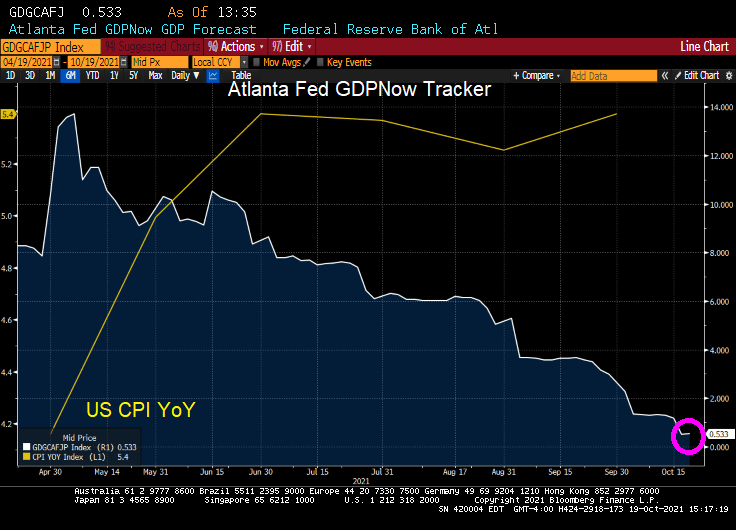
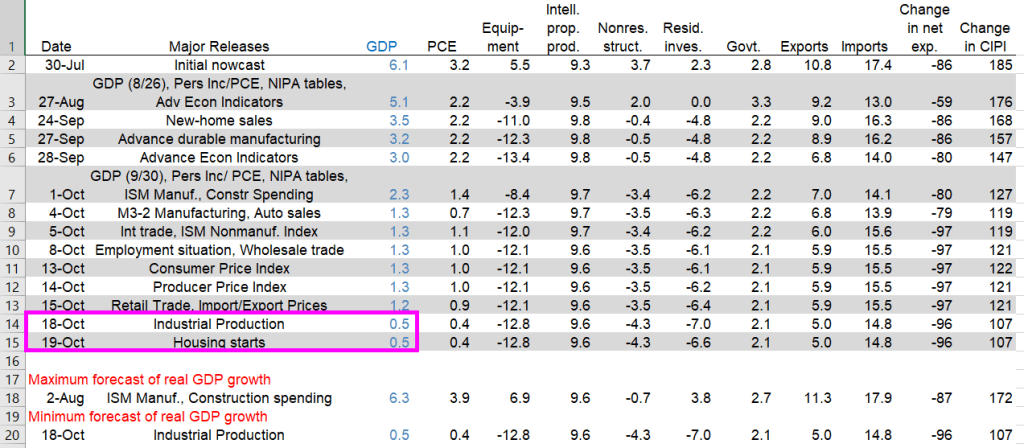
The Atlanta Fed’s GDPNow model estimate for real GDP growth (seasonally adjusted annual rate) in the third quarter of 2021 is 0.5 percent on October 19, down from 1.2 percent on October 15. After recent releases from the US Census Bureau and the Federal Reserve Board of Governors, the nowcasts of third-quarter real personal consumption expenditures growth and third-quarter real gross private domestic investment growth decreased from 0.9 percent and 10.6 percent, respectively, to 0.4 percent and 8.4 percent, respectively.

US real GDP nosedived to 0.5% according to the Atlanta Fed GDPNow real-time tracker.

Again, The Fed and Federal government pumped trillions of stimulus into an unprepared economy resulting in massive bottlenecks. So, we are getting declining GDP and rising inflation.

Yesterday’s industrial production dove leading to the 0.5% GDP figure. Today’s housing starts didn’t impact GDP in a meaningful way.

And she was.

Has The Fed Lost Control With Its Abnormal Policies? $2.7 Trillion in Crisis Savings Stay Hoarded by Wary Consumers

Has The Federal Reserve lost control of the economy? And inflation? The answer is likely yes. Why?

The Covid crisis has been played by the Federal government as an excuse for insane levels for spending coupled with massive monetary stimulus from The Federal Reserve.

As an example of The Fed losing control is US savings. The Fed’s model is to drive savers into consumption, therefore raising production and increasing GDP growth. But alas, The Fed can’t overcome the fear faced by consumers with Covid, Covid shutdowns, and rapidly rising prices.

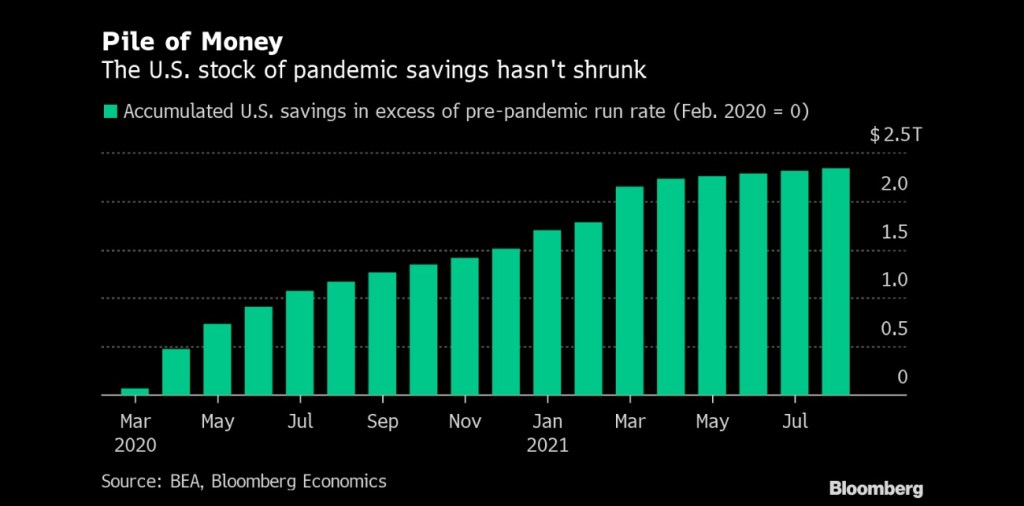
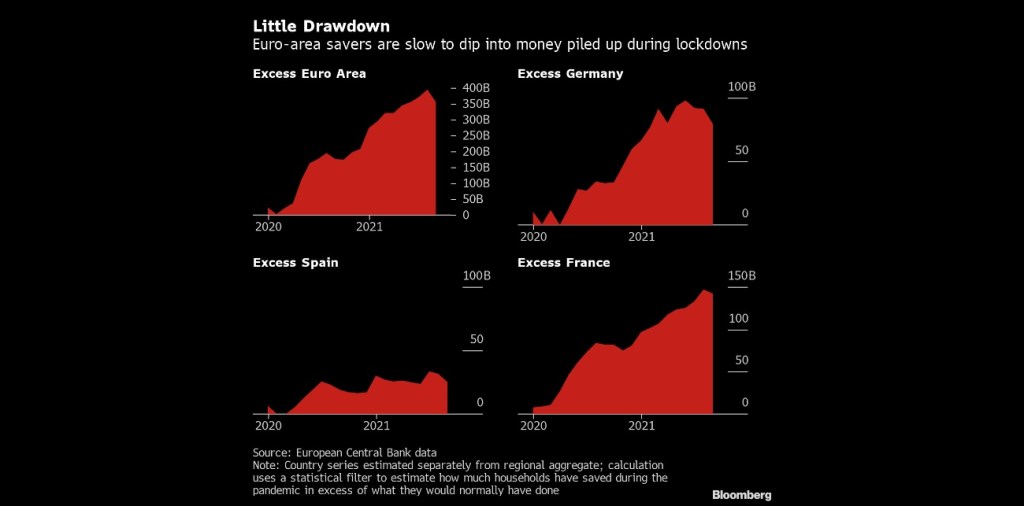
(Bloomberg) — Consumers in Europe and the U.S. aren’t rushing to spend more than $2.7 trillion in savings socked away during the pandemic, dashing hopes for a consumption-fueled boost to economic growth on both sides of the Atlantic.

In the wake of lockdown easing during the northern hemisphere’s summer holiday season, excess savings in euro-area bank balances declined only marginally in August, and Italy still recorded an increase, according to calculations by Bloomberg Economics. In the U.S. there has also been no drawdown, the figures show. 

The absence of a consumption surge that had been anticipated by some economists may speak against the prospect of a lasting inflation shock feared by central banks. While higher balances could help households cope with skyrocketing heating bills, tepid demand might temper businesses’ ability to push through permanent price increases.  

In the USA, we see accumulated savings despite near-zero deposit rates at banks.

To be sure, The Fed reacted (or overreacted) to the Covid outbreak by increasing the money supply and their purchase of Treasuries and Agency MBS as the Federal government went on a wild spending spree.

But with trillions in Stimulypto Federal spending and Fed money printing, the bottlenecks in the economy (which apparently weren’t known before … ) have contributed to massive price increases that aren’t going away any time soon.

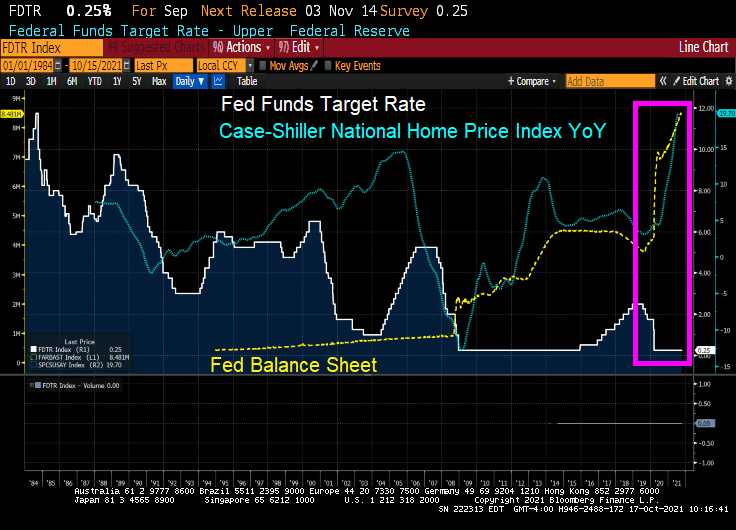
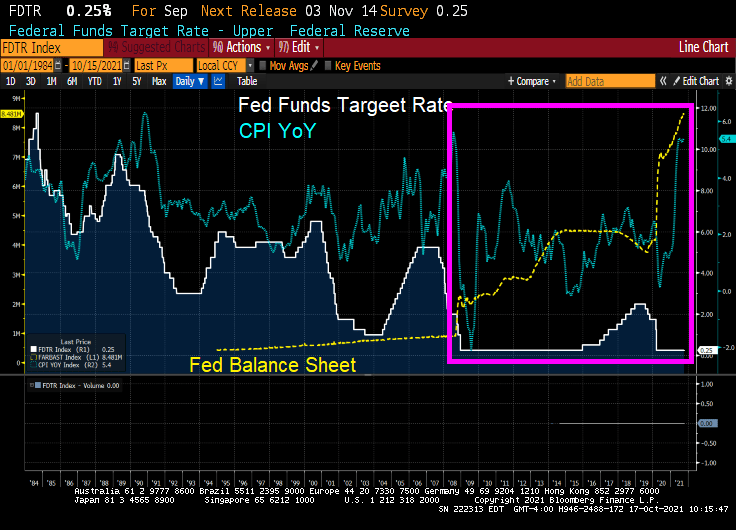
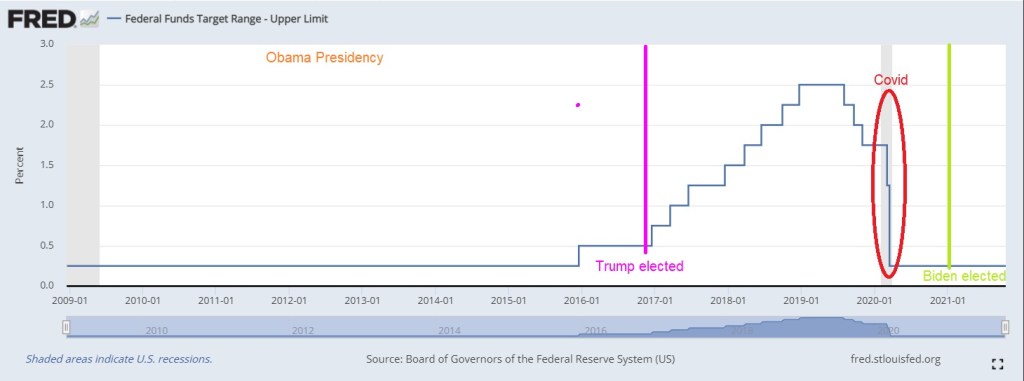
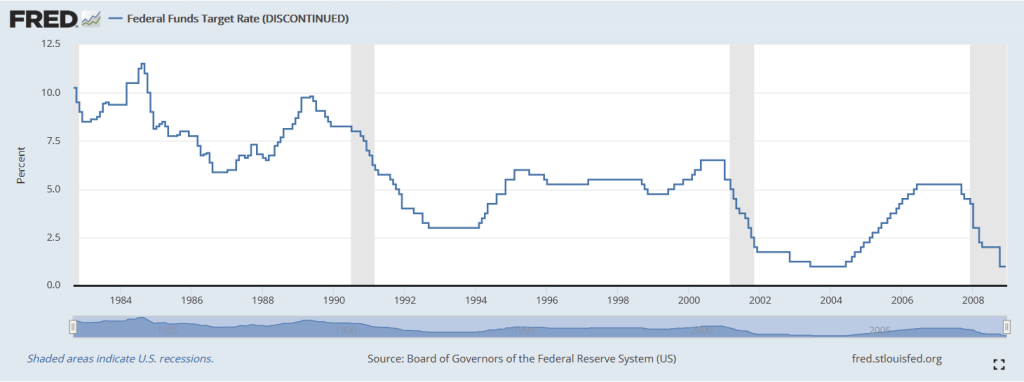
Notice how Fed monetary policies changed after the housing bubble burst and ensuring financial crisis/Great Recession. Before 2008, The Fed periodically whipsawed their Fed Funds target rate. But since late 2008, we have seen hardly any move from The Fed (except for 2017-2020 while Trump was President). For Obama,

Here is a look at The Fed’s record under Obama, Trump and Biden. The Fed raised their target rate only once under Obama until Trump was elected. Then The Fed raised rates 8 times. Then began lowering them again (5 times) leading to a big drop when Covid stuck. So for Trump, The Fed changed their target rate 13 times compared to 1 rate change under Obama and none under Biden.
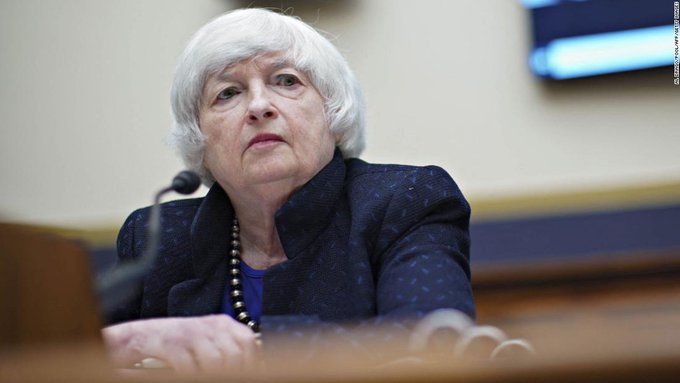
And the above chart is only The Fed’s target rate. My point is that Yellen failing to raise rates under Obama has resulted in this over DC-Stimulypto we are seeing today.

Note the difference in Fed policies BEFORE the financial crisis. We need to return to a normal Fed policy rather than the hyper-inflationary zero-rate, QE policies since 2008.

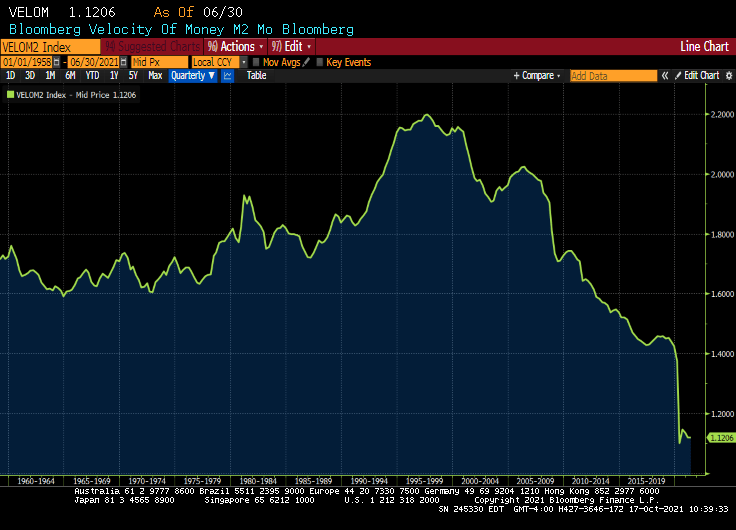
M2 Money velocity (GDP/M2 Money) remains near an all-time low.

But given DC’s spending spree and all-time lows for M2 Money Velocity, The Fed is going to need to keep purchasing trillions in debt at low interest rates. The abnormal Obama years (Bernanke/Yellen) are the NEW abnormal. Or should I say abby normal policies?

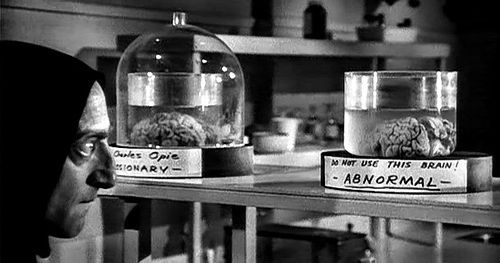
Dr. Frederick Frankenstein : Now that brain that you gave me. Was it Hans Delbruck’s?

Igor :No.

Dr. Frederick Frankenstein : Ah! Very good. Would you mind telling me whose brain I DID put in?

Igor : Then you won’t be angry?

Dr. Frederick Frankenstein : I will NOT be angry.

Igor : Abby someone.

Dr. Frederick Frankenstein : Abby someone. Abby who?

Igor : Abby… Normal.

Dr. Frederick Frankenstein Abby Normal?

Igor : I’m almost sure that was the name.

Dr. Frederick Frankenstein Are you saying that I put an abnormal brain into a seven and a half foot long, fifty-four inch wide GORILLA?

So, yes, Bernanke and Yellen put into place abnormal policies that Powell is following into the world’s largest economy (or gorilla).

Only Igor and The Federal Reserve would pick such abnormal policies that ultimately lead to massive misallocations and inflation.

On a side note, do Biden and Transportation Secretary Pete Buttigieg really believe that they can fix the backed-up ports that are flooded with cargo thanks to Stimulypto? By Christmas??

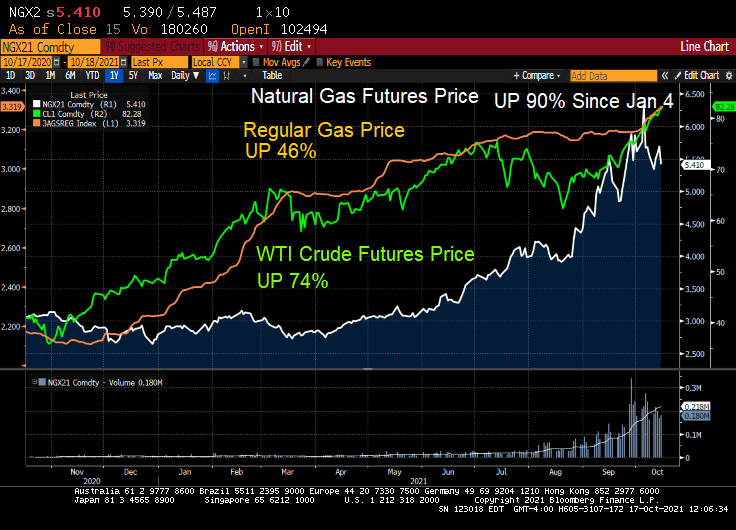
Not with natural gas prices up 90% since January 4th!

Here is a video of where The Fed comes up with their abby normal monetary policies.