The talk of a gasoline tax “holiday” out of Washington DC is pure Kabuki theater. It is purely a sign of the times with Biden still trying to blame Putin for rising gasoline prices and inflation and ignoring his anti-fossil fuel policies that helped drive energy prices AND inflation through the roof.
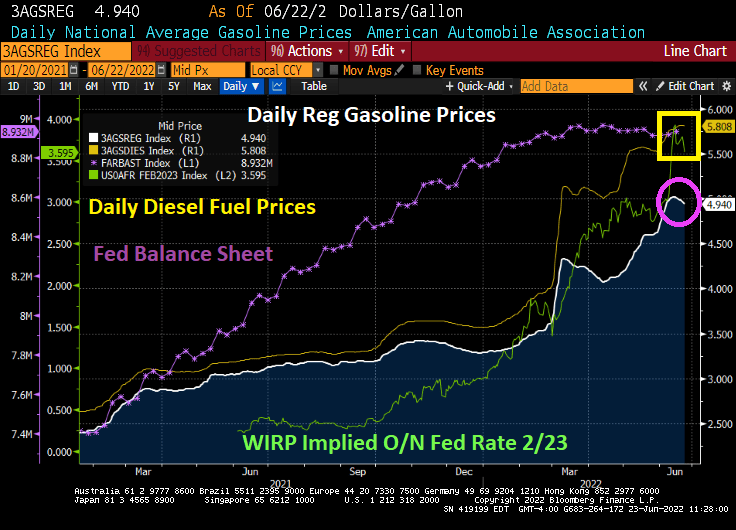
Daily regular gasoline prices have dipped below $5.00 to $4.94 while diesel fuel, the lifeline of the shipping industry, rose slightly to $5.80. I guess the folks shipping food and other goods don’t get a holiday.
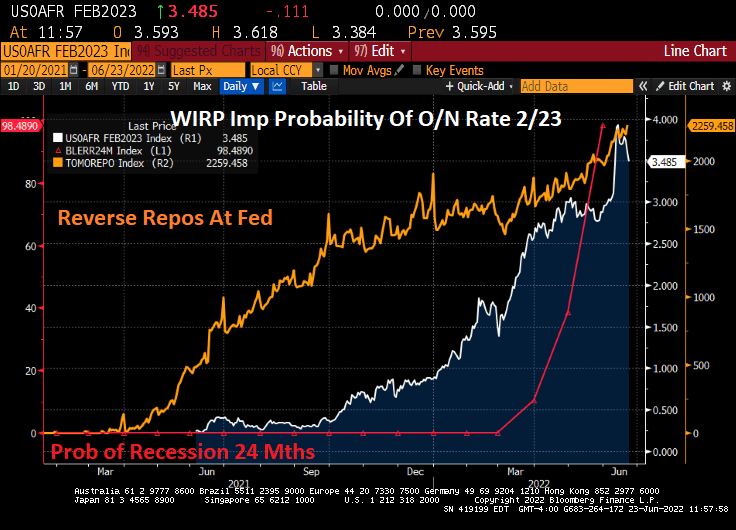
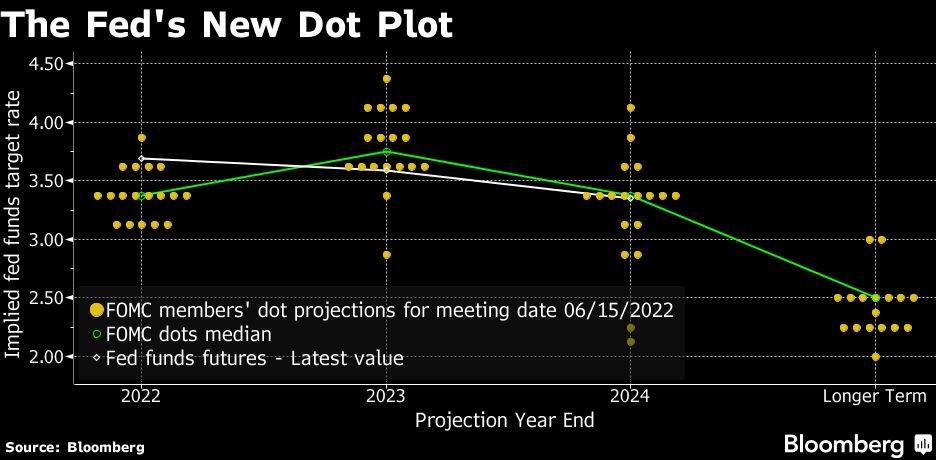
Note that the implied Fed target rate has fallen a bit as the probability of a recession increases.
And why are banks stashing so much money at The Fed in the form of reverse repos? Fear of recession, perhaps?
The Biden Administration is settling all kinds of records, and none are good.
How crazy was The Federal Reserve’s overreaction to the government shutdowns surrounding the Covid epidemic? While most analysts talk about California, I am going to discuss … Cleveland Ohio as an example of how The Fed can destroy markets.
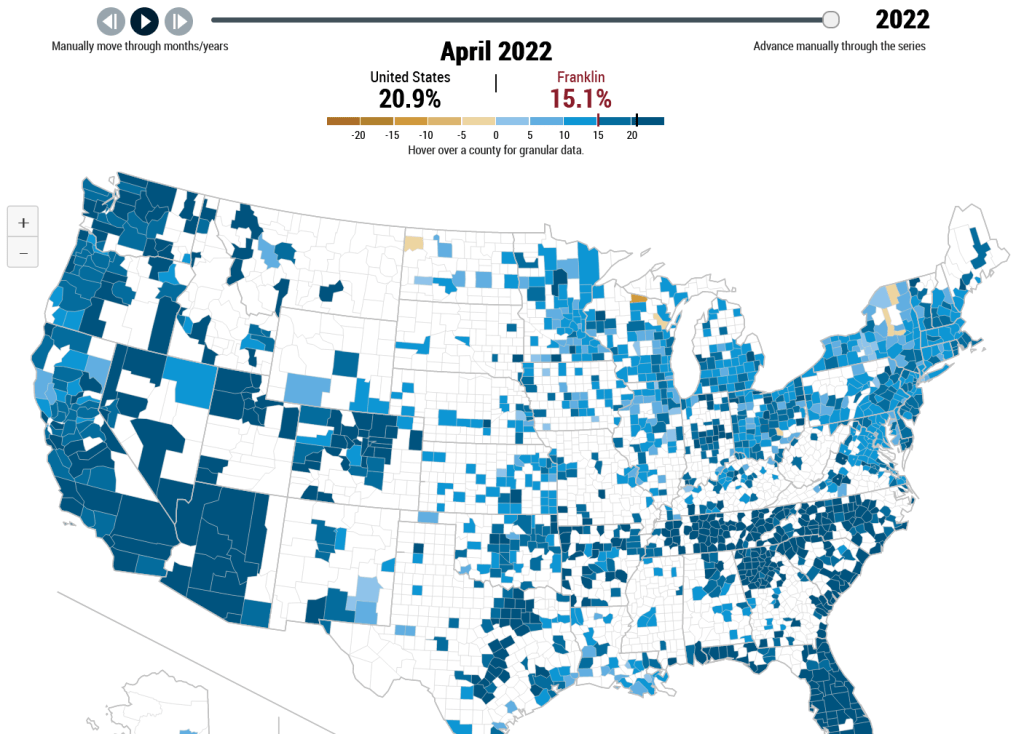
The Case-Shiller home price index for Cleveland rose 31.5% since January 2020 just before The Fed unleashed its massive monetary stimulus on an unsuspecting city.
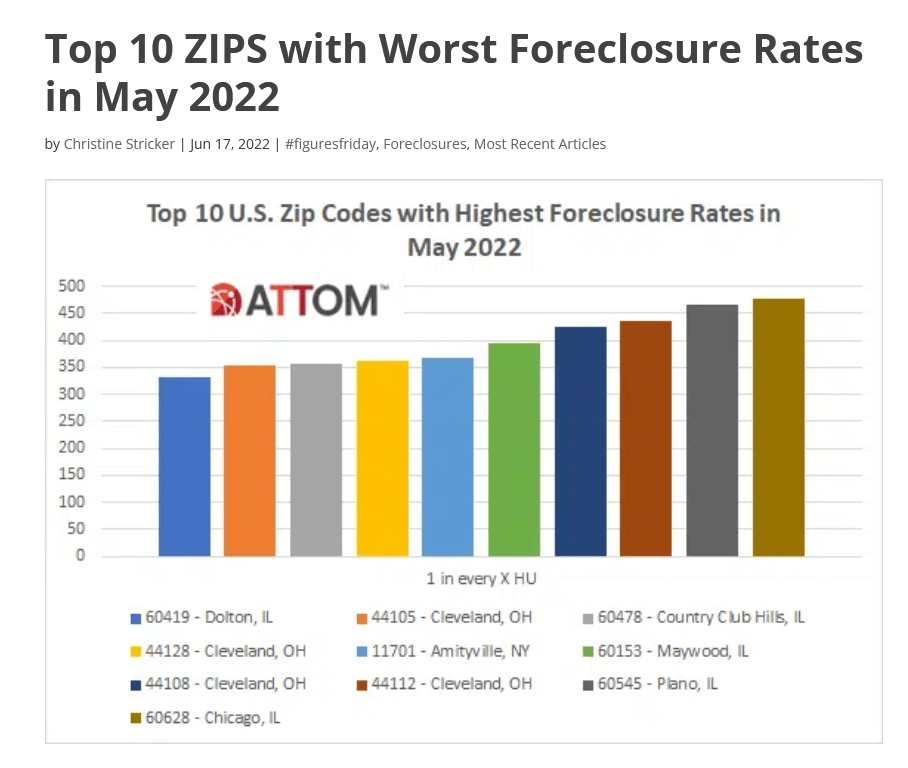
But as The Fed starts to tighten monetary policy after Yellen’s too loose for too long policies followed by Powell, foreclosure rates are soaring in Cleveland. In fact, according to Attom Data, 5 of the top 10 zip codes with the worst foreclosure rates in May 2022 were in Cleveland.
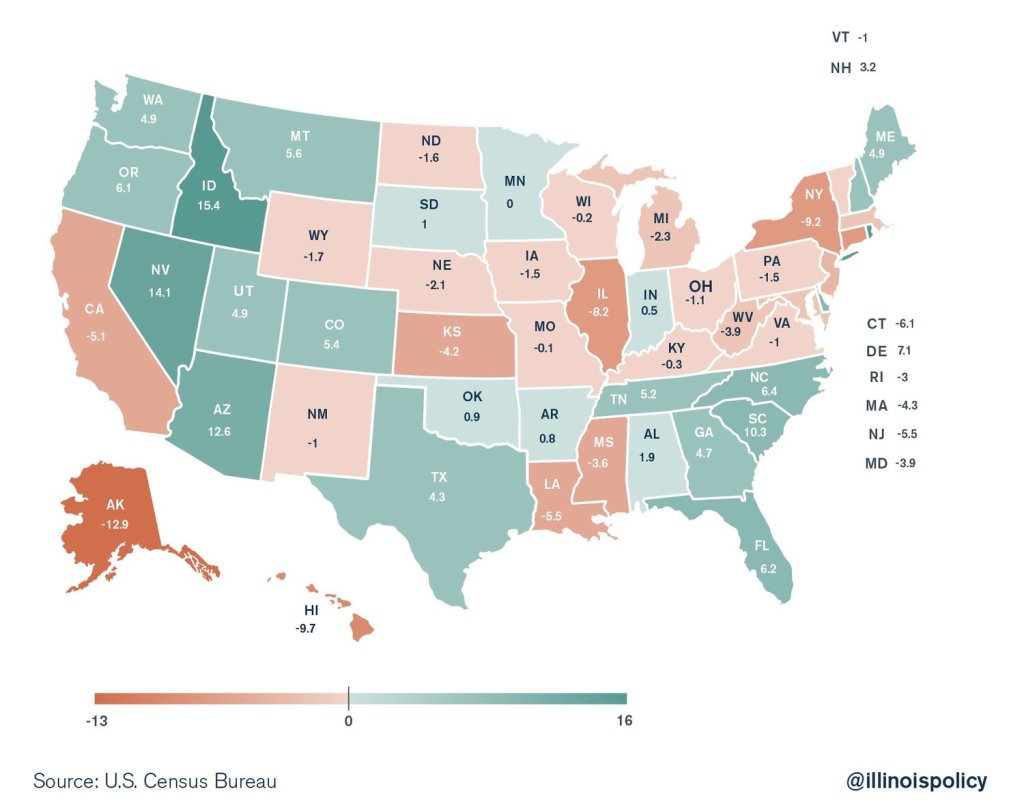
Of course, Cleveland is much like much of the rust belt (except Columbus Ohio). The rust belt is losing population along with heavy tax states like New York and Illinois. Destination states? Texas, Florida, the Carolinas and Tennessee.
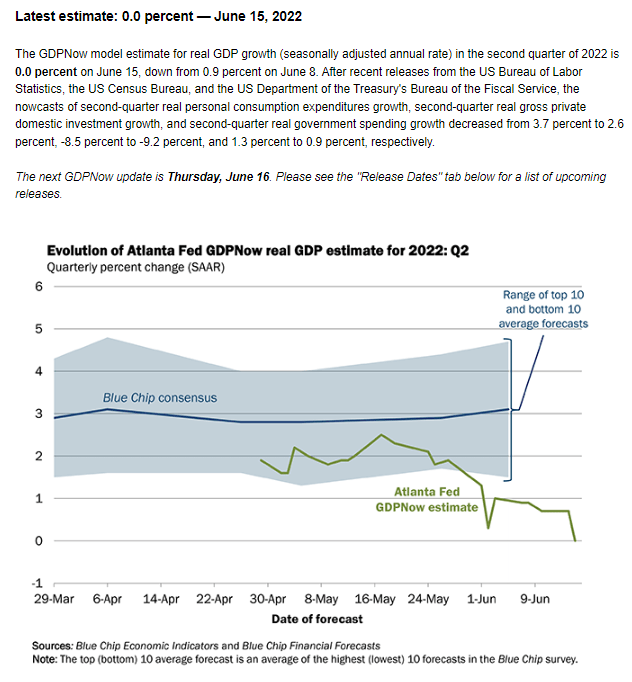
Then at the national level, Atlanta Fed’s GDPNow real-time tracker fell to 0% growth.
Even since the housing bubble burst and ensuing financial crisis on 2007-2008, The Federal Reserve under Ben “The Savior!” Bernanke, Janet Yellen and Jerome Powell let their zero/low interest rate policies be too low for too long that anyone with common sense knew would lead to serious problems when The Fed was forced (this time by inflation) to end the massive OVER monetary stimulus. We are now living through The Great Reset of the US economy.
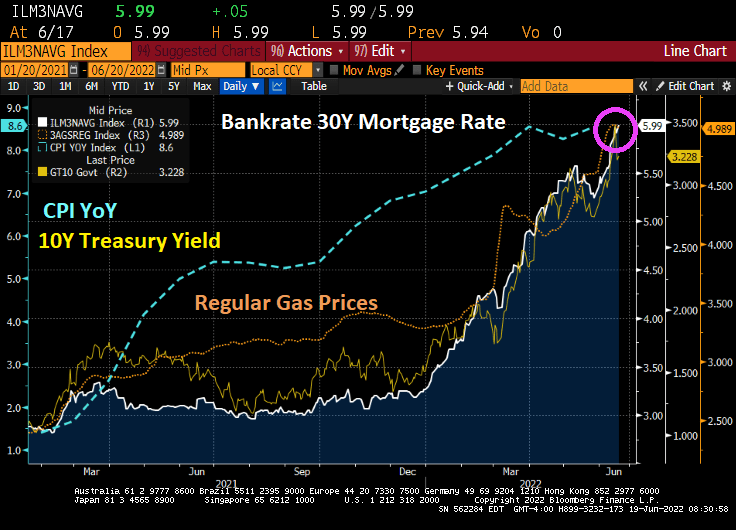
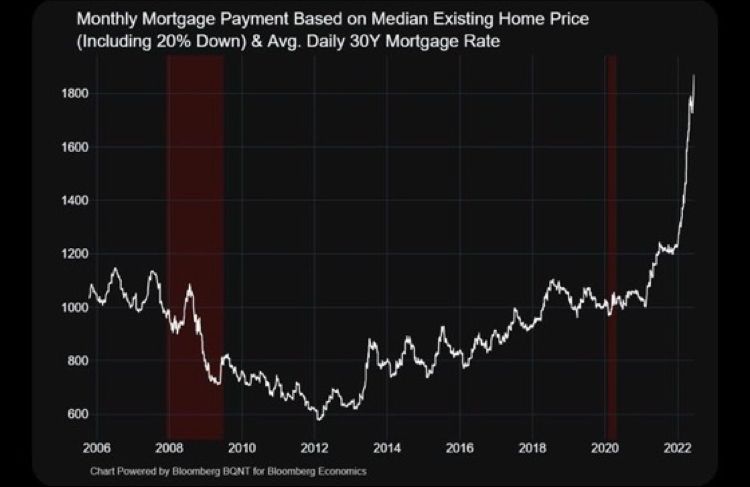
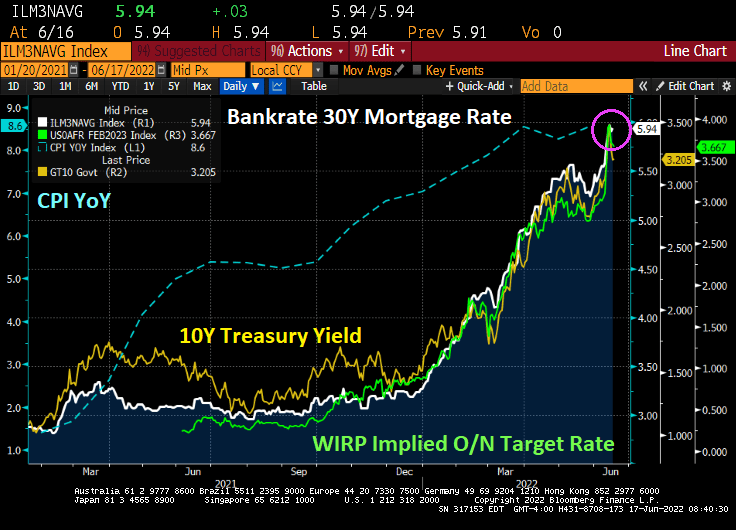
Since Biden was sworn-in as President (or El Presidente) in January 2021, 30-year mortgage rates are up 108% to 6%, regular gasoline prices are up 108% to $5 a gallon nationally. Inflation is up to 8.6% YoY.
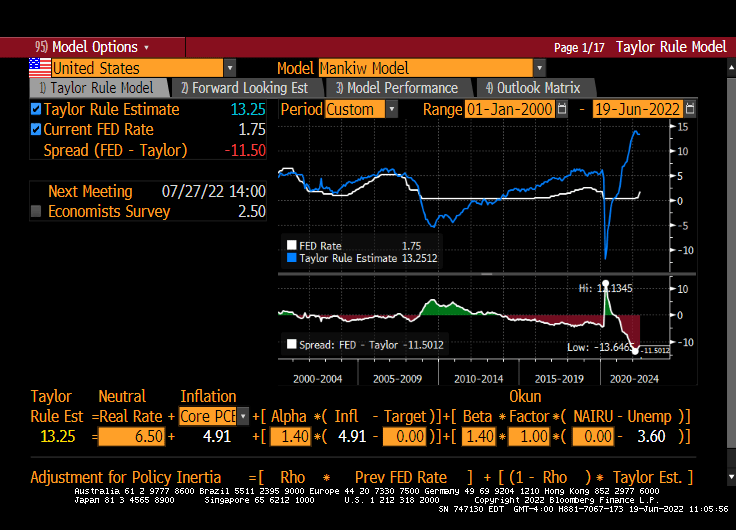
Bernanke, Yellen and Powell did not follow any rule per se, just a “seat of the pants” panic button approach. Using the Mankiw specification of the Taylor Rule model, the Fed Funds target rate should be 13.25% based on CORE PCE. Notice starting in 2014, The TR suggested target rate started to be higher than the actual Fed target rate. And since the Covid monetary blast of 2020, the gap between the Taylor Rule and Fed target rate (red area) has grown to near the highest level in history. Even now Mohamed A. El-Erian, Chief Economic Advisor at Allianz, is starting to admit that The Fed’s ZIRP policies are beginning to hurt.
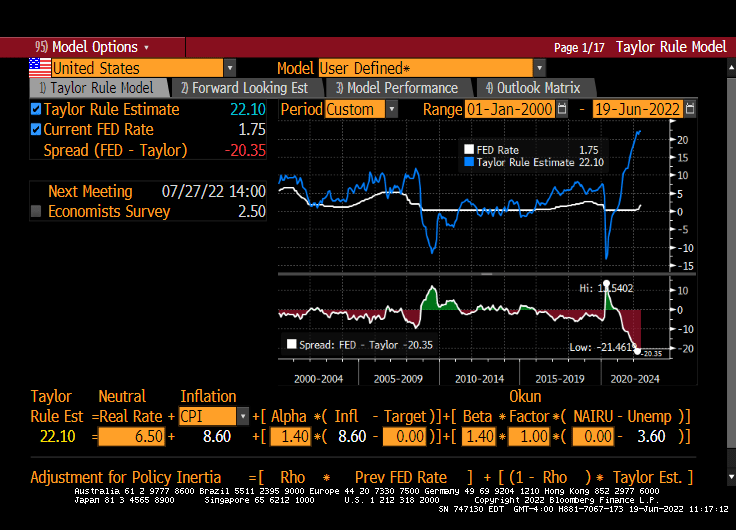
But if we use total inflation rather than core inflation, the measure that picks up the actual pain that Americans are feeling from rising gasoline prices and mortgage rate, we get a Fed Target rate of 22.10%. Since The Fed’s current target rate is only 1.75%, The Fed has “Room To Move.”
And in a painful. bad way.
Bernanke, Yellen and Powell must think that The Taylor Rule is the New Jersey ham pork roll.
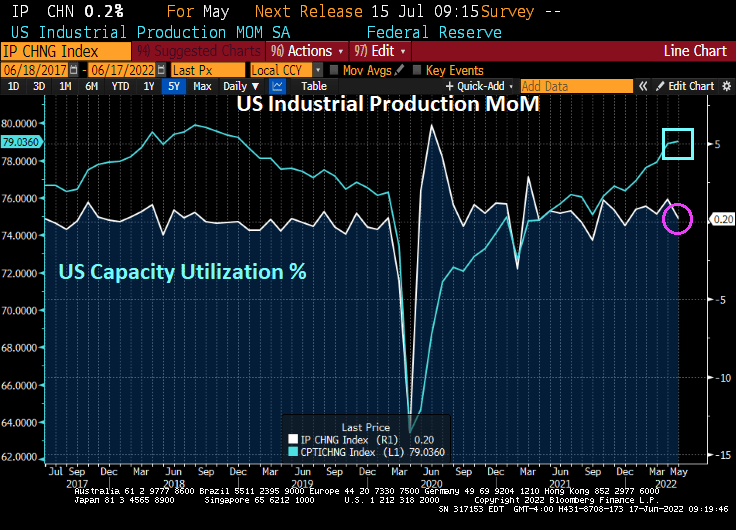
As The Federal Reserve tightens the monetary noose (Fed Chair Powell said Fed ‘acutely focused’ on returning inflation to 2%), the US economy is slowing. In fact, May’s Industrial Production report is half of what was expected. Industrial production declined to 0.20% MoM versus the expected 0.4%. At the same time, capacity utilization rose slightly to 79%., but still below expectations.
Mortgage rates are rising rapidly, but the growth has cooled slightly as the economy cools.
Bitcoin is getting demolished by The Fed’s reaction to inflation.
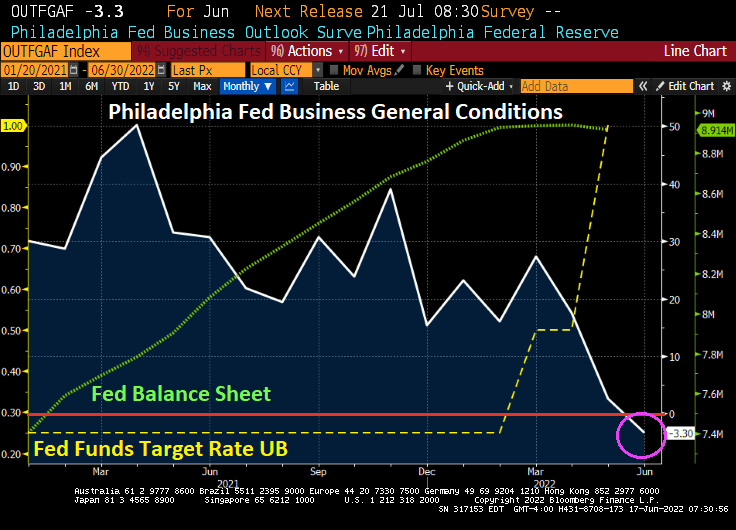
And “It’s Not Always Sunny In Philadelphia.” Since the Philadelphia Fed’s Business General Conditions has dropped into negative territory with, among other things, The Fed’s monetary tightening. And they’ve only just begun (no Carpenters’ songs!).
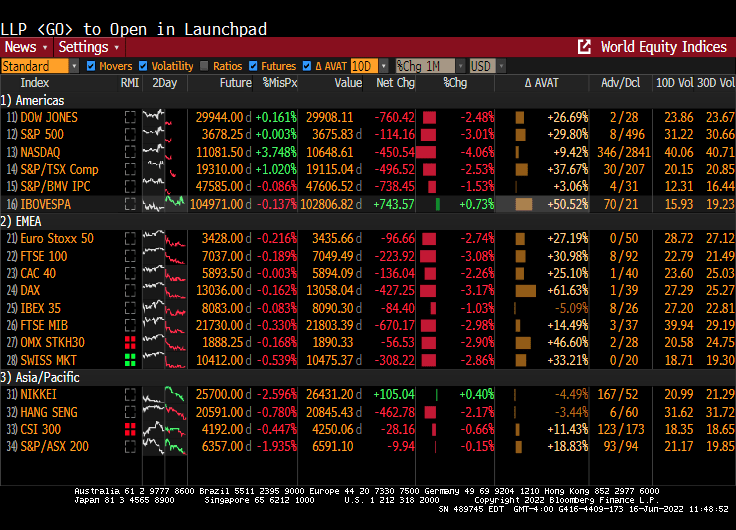
On the heels of The Fed’s 75 basis point surge in the target rate, the US Treasury yield jumped +11.5 BPS as of 8:30 AM EST. The S&P 500 E-mini futures contract is down -1.8%.
As investors brace for a recession, mortgage rates dropped to 6.03%.
Gasoline prices remain near $5 per gallon, diesel prices are near $6 per gallon and The Fed’s massive balance sheet is still in force.
On the housing front, US housing starts plunged -14.4% MoM in May, the biggest decline under Biden.
While housing starts were down -14.4% MoM in May, single-family detached home were down only -9.16%. It was 5+ unit (multifamily) starts that were down -26.83% MoM.
Good morning peeps! Reality is dawning after the market surge yesterday after investors celebrated that The Fed could have raised rates even more.
Sometimes I wonder if The Federal Reserve Board of Governors pays attention to economic news. For example, the Atlanta Fed’s GDPNow forecast for Q2 was released today at -0.002%. So what does The Fed do? They raised their target rate by 75 basis points to 1.75%.
Apparently, The Fed has chosen to fight inflation rather than help the economy.
I just read that President Biden has never been more optimistic about the US economy than he is now.
Well, today’s closing bell is not optimistic and is downright bearish.
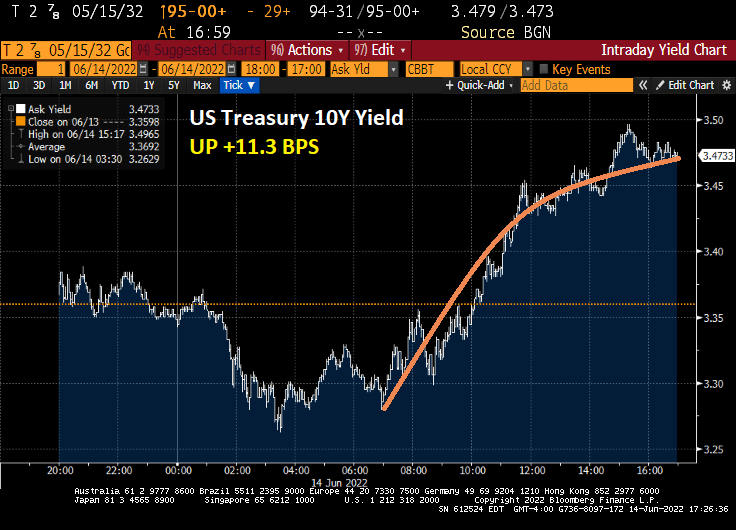
The US Treasury 10-year yield rose … ANOTHER … 11.3 basis points as rumors circulate that The Fed might actually raise their target rate by 75 basis points.
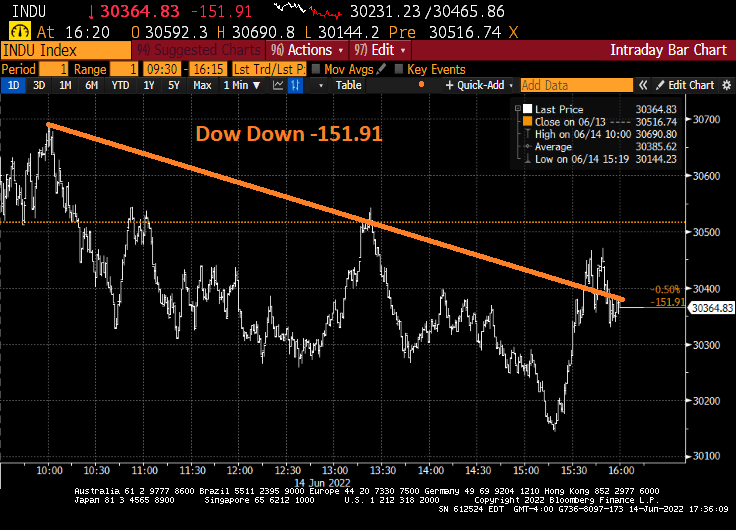
And the venerable Dow (DJIA) is down -152 points today.
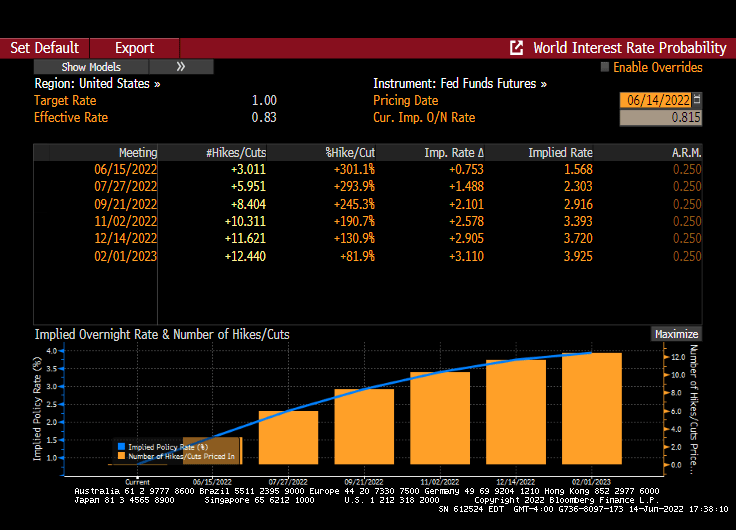
Markets are anticipating an increase of The Fed Funds target rate from 1% to 1.568%, less than the rumored 75 basis point increase being bandied about.
If Biden is wildly optimistic about the economy, then he needs to get out of The White House and talk to average Americans and not people like Robert De Niro.



















You must be logged in to post a comment.