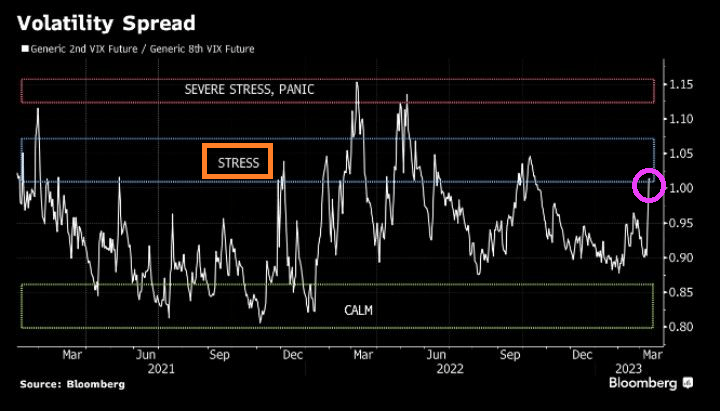
Markets Still Stressed Despite Fed Guarantees For Depositors (Volatility Spread In STRESSED Range)

Well, the banking fiasco CREATED BY THE FEDERAL RESERVE is still with us. Why? Because the FDIC guaranteed deposits above $250,000 for the first time in history, bailing out millionaires/billionaires. I call this Crony Socialism (but I repeat myself).

Congress doesn’t understand banking, only how to spend money.

Fed Terminal Rate Falls To 5.475% On Only 311k Jobs Added After 504k Jobs Added In January (Silicon Valley Bank Seized By Regulators)

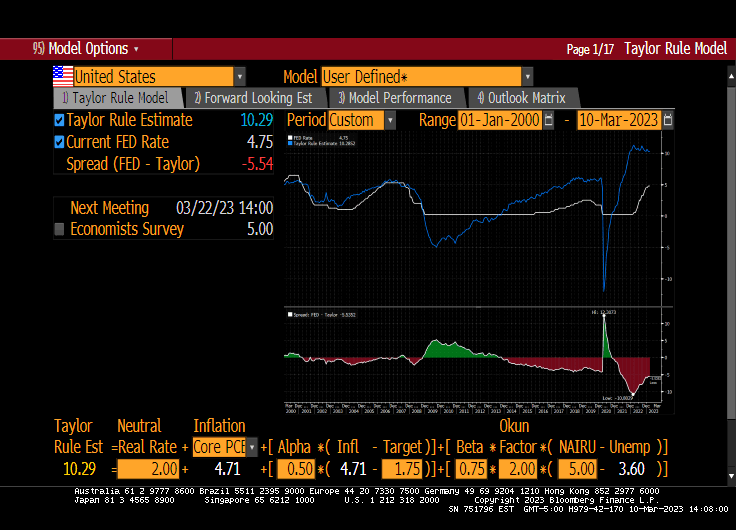
Its just like The Fed. The Taylor Rule says that The Fed’s target rate should be 10.29%, but now the terminal rate has been lowered to 5.475%, almost half of where the target rate should be.

Today’s jobs report for February was a huge disappointment IFF you expected another blowout jobs report like the one from January (504k jobs added). February saw just 311k jobs added, a decline of -38.3% MoM.

And just like that, The Fed’s terminal rate fell to 5.475%, a far cry from the 10.29% rate according to the Taylor Rule.

Today’s Fed Funds Target rate is 4.75% leaving only 72.5 basis points to move.

Today’s market hurl? The Dow fell -300 points and Europe looks like WWIII just broke out.

And the US Treasury 2-year rate plungeed -26.1 basis points.

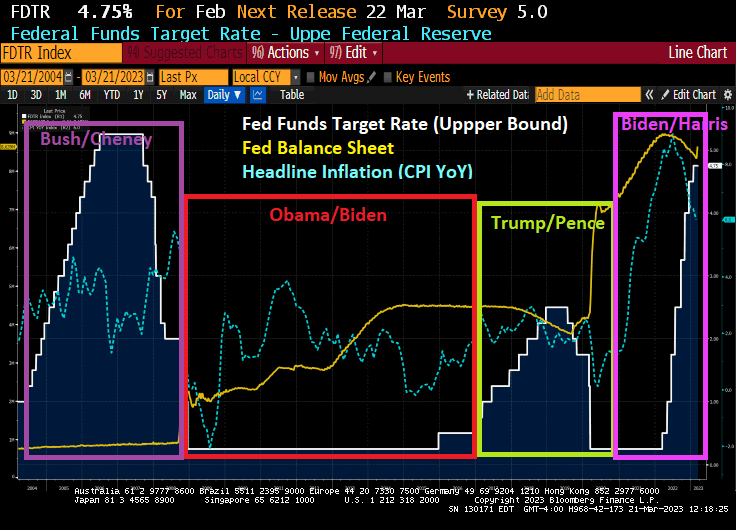
Of course, Powell until recently followed the Yellen Rule. That is, keep rates at 25 basis points.

This is a classic communications breakdown between The Fed and the economy.

Let’s see if The Fed holds course with Silicon Valley Bank collapsing in biggest failure since 2008.

Silicon Valley Bank became the biggest US lender to fail in more than a decade after a tumultuous week that saw an unsuccessful attempt to raise capital and a cash exodus from the tech startups that had fueled the lender’s rise.

Regulators stepped in and seized it Friday in a stunning downfall for a lender that had quadrupled in size over the past five years and was valued at more than $40 billion as recently as last year.

The move by California state regulators to take possession of the lender, known as SVB, and appoint the Federal Deposit Insurance Corp. receiver underscores the impact that the US’s rapid interest-rate increase is having on smaller lenders. SVB is the second regional lender to fold this week after Silvergate Capital Corp. announced it was voluntarily liquidating its bank, spurring a broader selloff in bank stocks. 

The FDIC has set up a bridge bank to handle the failure of SVB. VERY rare. The last bridge bank was for IndyMac Bank from LA.

SVP is the second biggest bank failure in US history after Washington Mutual (WAMU).

RIP Gary Rossington, the last remaining Lynyrd Skynrd original member.

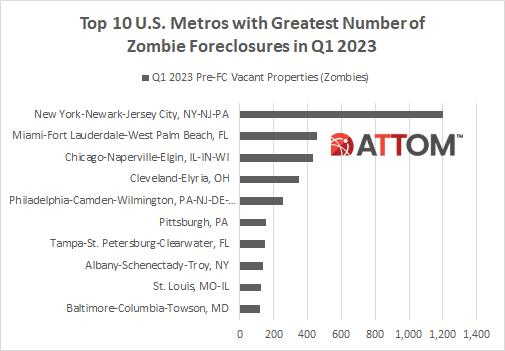
The Walking Dead … Housing Edition! New York City Leads Nation In Zombie Foreclosures In Q1 (Followed By Miami, Chicago, Cleveland And Philadelphia)

According to Attom Data, New York City leads the nation in zombie forceclosures.

A zombie foreclosure refers to a situation where a homeowner vacates their property after receiving a notice of default, expecting they will lose the home in the pending foreclosure. The foreclosure may get canceled for any number of reasons and never completed.

New York City and its surrounding areas lead the nation in zombie foreclosures. Followed by Miami. Chicago and Cleveland. Then Philadelphia.

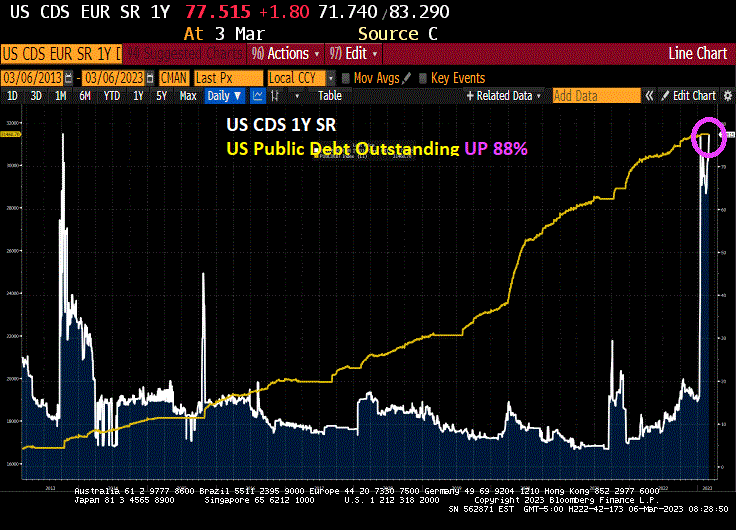
Price Of Insuring Against US Debt Default Highest Since Last Debt Ceiling Crisis In 2013 (Debt Up 88% Since The Last Crisis, $182 In Unfunded US Liabilites)

The last US debt crisis occured in 2013 when Congress finally raised the debt ceiling … and kept on borrowing and spending, But if you thought that a debt crisis would scare Congress (and the Administration) into balancing the Federal budget, you would be wrong. In fact, since the 2013 debt crisis, Federal debt is up 88% (+$14.7 TRILLION over the last 10 years).

And with the massive growth in Federal debt under Obama, Trump and Biden has resulted in an explosion in interest payments on the Federal debt.

And with $182 TRILLION in UNFUNDED liabilities, the debt issuance won’t stop.

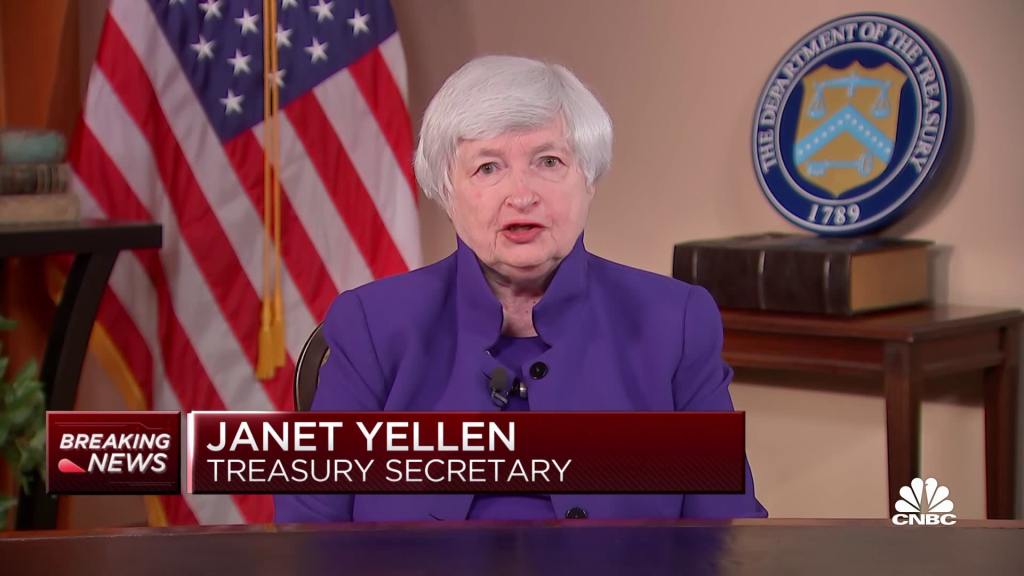
Let’s see what is in Treasury Secretary Janet Yellen’s bag of tricks.

LIBOR cracked 5% for first time since 2007.

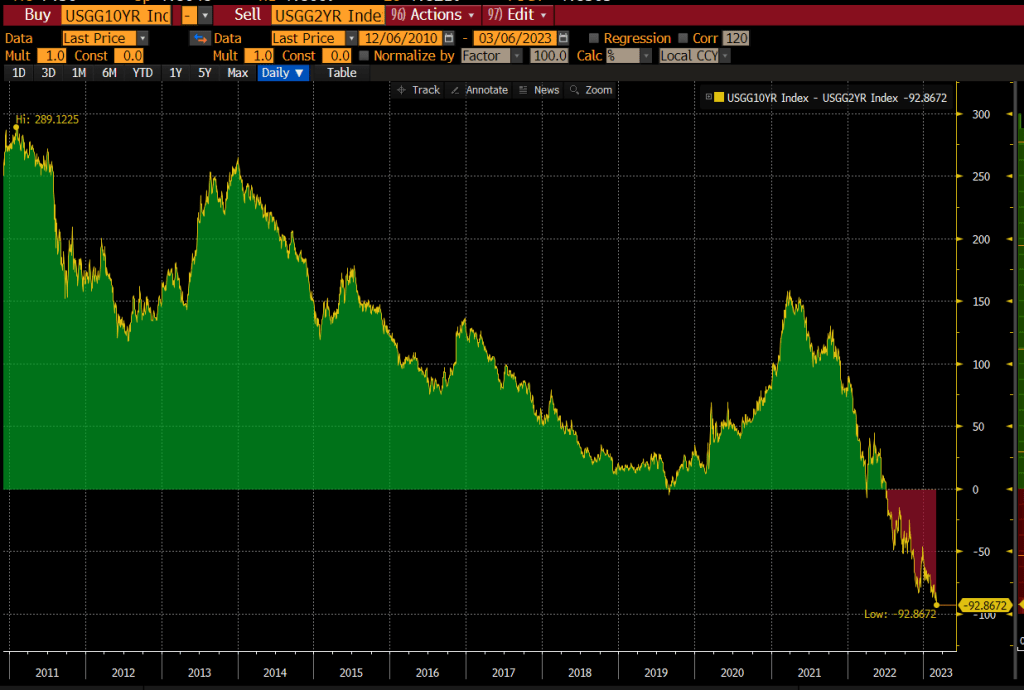
And the US Treasury 10Y-2Y yield curve is the most inverted since 1981.

Is Janet Yellen the “evil woman” from Crow’s song?

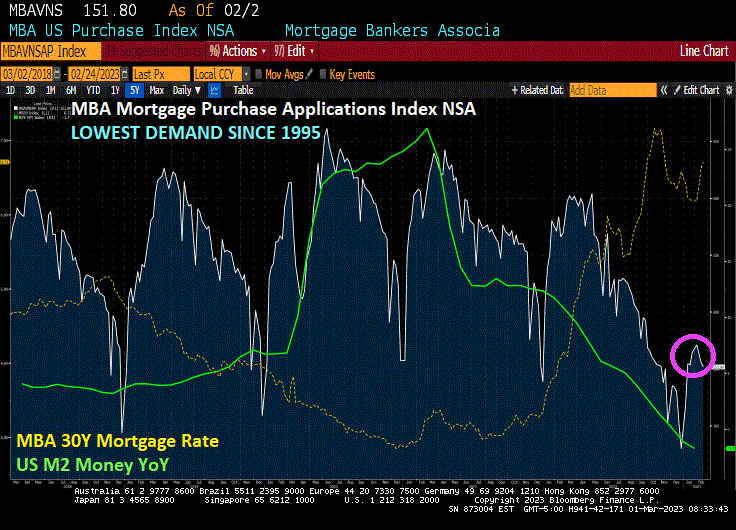
Mortgage Purchase Demand Decreases, Lowest Level Since 1995 As Fed Removes Punch Bowl (Punch Bowl To Dust Bowl)

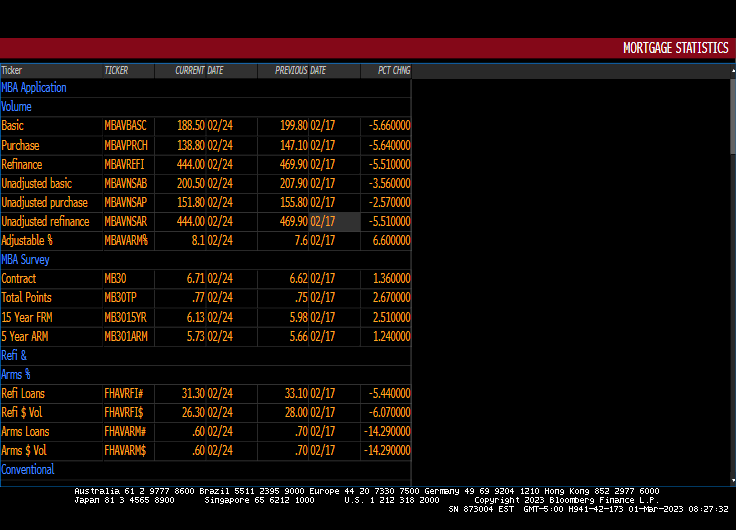
Today’s mortgage application (demand) numbers from the Mortgage Bankers Association was disappointing to say the least. Mortgage purchase demand just sank to it lowest level since 1995.

Typically, mortgage purchase applications peak in May or June of each year before beginning their annual lemmings drive downwards. But this year is seeing a early turn for the worse.

The unadjusted Purchase Index decreased 3 percent compared with the previous week and was 44 percent lower than the same week one year ago. The Refinance Index decreased 6 percent from the previous week and was 74 percent lower than the same week one year ago.

The Fed is hell bent on removing the punch bowl to fight inflation. Looks like Biden’s economic plan is turning the punch bowl into a dust bowl.

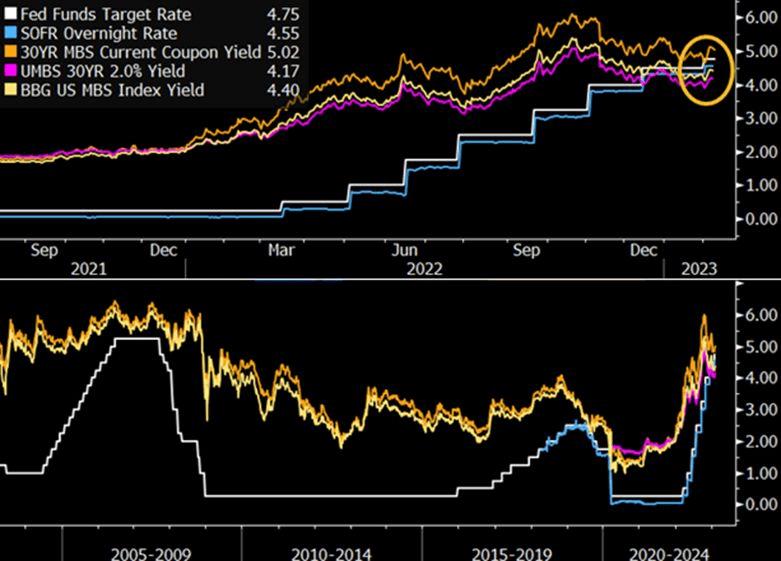
Fed Tightening Pushed Fed Funds Target Rate Above MBS Yields For First Time In History (Biden Administration Ready To Unleash A $27 Billion Green Slush Fund)

The most recent tightening by the Federal Reserve has pushed the federal funds target rate above mortgage-backed securities yields for the first time in history. Though this poses clear challenges of carry for MBS holders, selective investments in specified pool and collateralized mortgage obligations (CMOs) could provide incremental returns.

While Biden brags (redundant) about lowering inflation (that his energy policies and massive Federal spending caused), apparently he never learns. Now we learn from Mish that the Biden Administration is ready to unleash a $27 billion green slush fund on the US middle class.

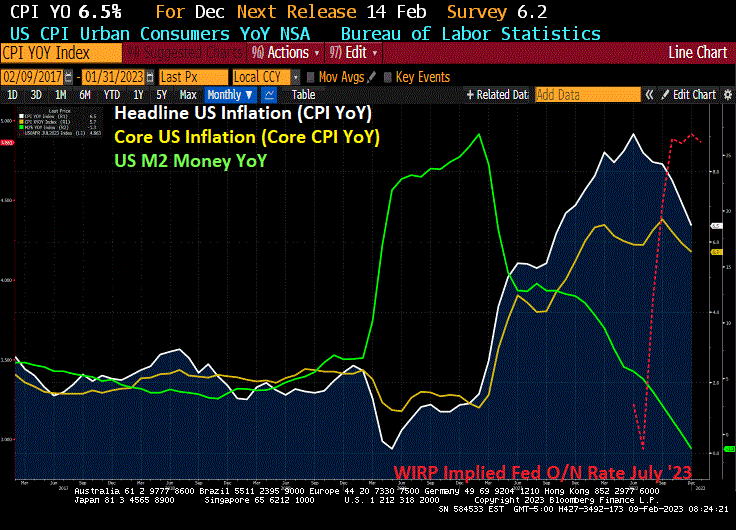
Inflation started under Biden, but the massive expansion in money supply (M2) begin with Covid in 2020.

Once this latest spending splurge kicks in, we will see rising inflation again. After all, Biden and Congress have gotten the taste for massive spending bills (like vampires) and spending likely won’t slow down.

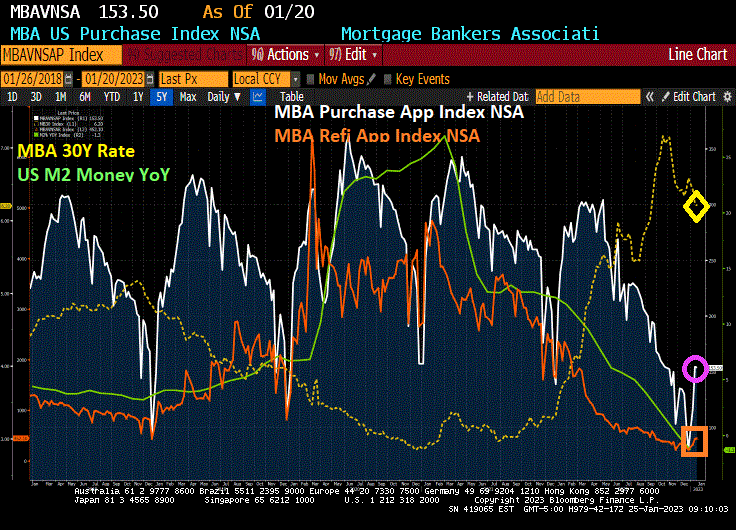
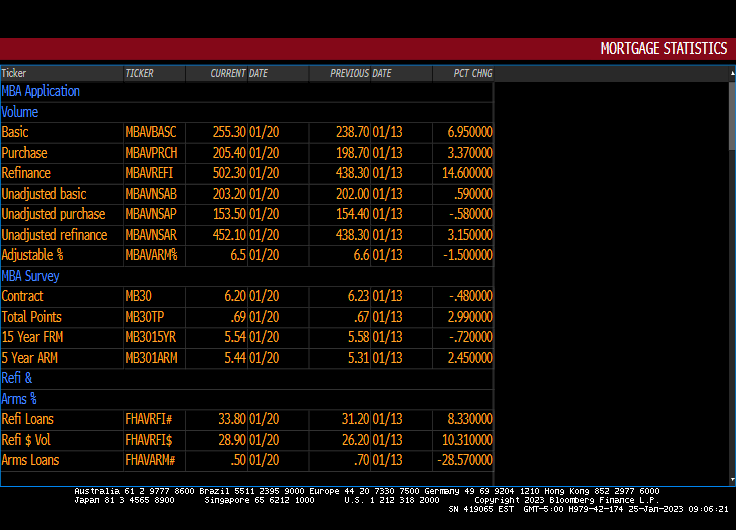
MBA Purchase Applications Drop -.58% Since Last Week, Refi Apps Rise 3.15% WoW As Mortgage Rates Declined 3rd Straight Week (Purchase Apps Down -39% Since Same Week Last Year, Refi Apps Down 77%)

Falling mortgage rates are having a predictible effect on mortgage refinancing applications, but not so much for mortgage purchase applications.

Mortgage applications increased 7.0 percent from one week earlier, according to data from the Mortgage Bankers Association’s (MBA) Weekly Mortgage Applications Survey for the week ending January 20, 2023. This week’s results include an adjustment for the observance of Martin Luther King, Jr. Day.

The Refinance Index increased 3.15 percent from the previous week and was 77 percent lower than the same week one year ago. The unadjusted Purchase Index decreased 1 percent compared with the previous week and was 39 percent lower than the same week one year ago.

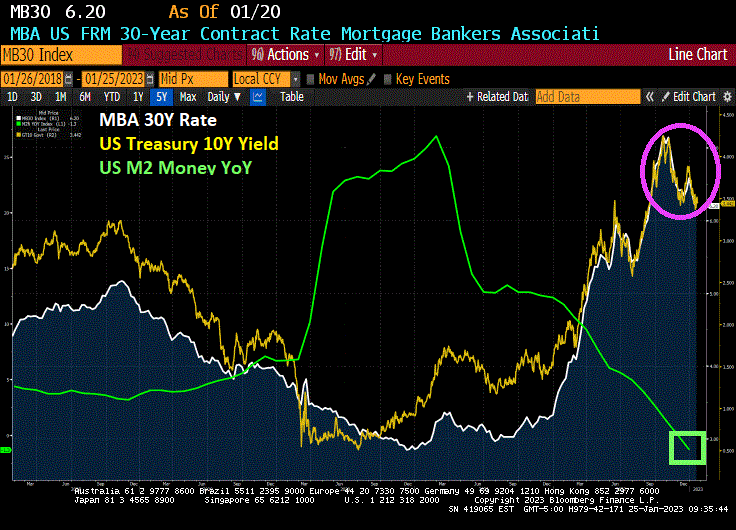
Generally speaking, declining mortgage rates are due to declining 10-year Treasury yields. And 10-year Treasury yields decline as the economy weakens. Of course, M2 Money growth YoY is now 0% as The Fed tightens.

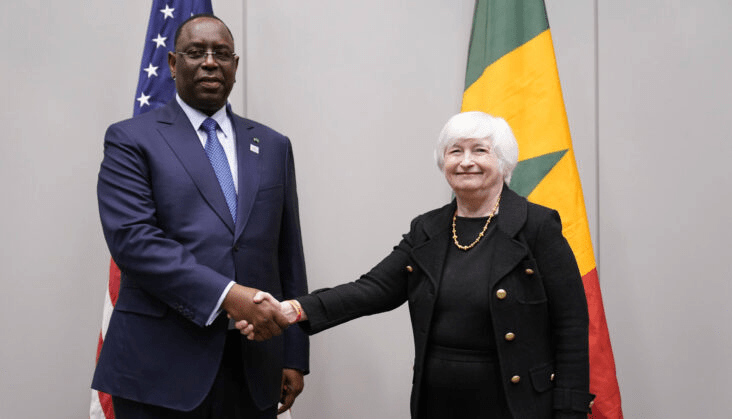
On a humerous note, US Treasury Secretary Janet “The Evil Gnome” Yellen is visiting Africa and lecturing them on prudcnt sovereigh debt management. Seriously. China responded with “Fix the US debt problems before you lecture anyone else.”

US Housing Leading Growth Index Slumps To Lowest Since 1982 And 2008 Recessions (Fed Pivot Coming?)

As we begin 2023 (and I am still bummed-out over Ohio State University losing a nail-bitter to Georgia in the Peach Bowl), we need to look at the condition of one of the most important sectors of the US economy.\, housing.

If we look at the US Housing Leading Growth index (courtesy of RecessionAlert.com) has slumped to its worst reading since the recessions of 1982 and 2008.

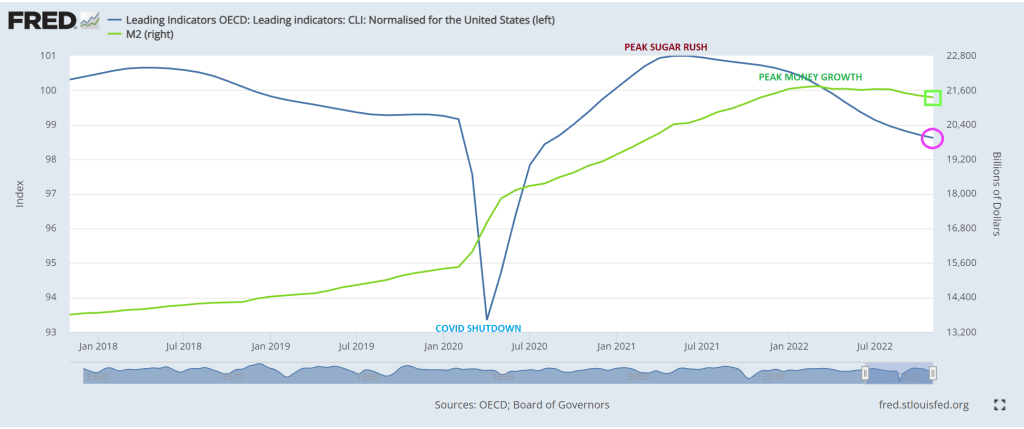
And then we have the OCED leading indicators for the US falling as M2 Money growth slows.

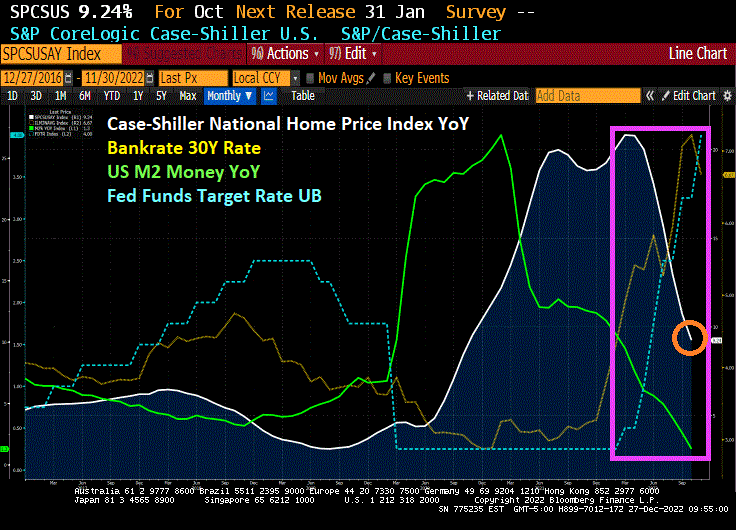
My favorite chart shows US home price growth falling faster than University of Michigan football team’s national championship home hopes.

Will this prompt The Federal Reserve to pivot? Only time will tell.

US Home Price Growth “Slows” To 9.24% YoY As Fed Tightens Noose (But Fed’s Balance Sheet Remains Elevated)

The US housing market continued to sag in October as the impact of higher mortgage rates and concerns over the economy rattled buyers and sellers.

Prices fell 0.5% from September, the fourth consecutive monthly decline for a seasonally adjusted measure of home prices in 20 large cities, according to the S&P CoreLogic Case-Shiller index.

The market began downshifting earlier this year as the Federal Reserve started hiking its benchmark interest rate, with the goal of easing high inflation that’s been driven in part by skyrocketing housing costs. 

Rates for 30-year, fixed mortgages reached 7.08% in October — and again in November — though they have since retreated, Freddie Mac data show. With borrowing costs roughly double where they were at the start of the year, and inflation leaving less savings to put toward a down payment, homebuyers have pulled back. Sellers are also reluctant to list their properties, yet houses that are on the market are lingering and getting discounted as demand slumps.

The Case-Shiller National Home Price Index “cooled” to 9.24% YoY growth as The Federal Reserve tightens its monetary noose.

Of the top twenty metro areas, both Miami and Tampa Florida were up over 20% YoY. Hot ‘Lanta, Charlotte and Dallas were over 10% YoY. Mordor on the Potomac was up “only” 6% and all other metro areas were under 10%.

But if we look at October/September changes, all metro areas are down (MoM) with San Francisco the worst.

Finally, The Federal Reserve’s massive balance sheet is still out in force.

Look at this chart of the Case-Shiller National home price index again The Fed’s balance sheet. Uh-oh.

Let’s look at San Francisco (my hometown) since The Federal Reserve began interest rate tightening.

Fed’s Highest Rates In 15 Years To Fight Bidenflation Are Derailing the American Dream (Mortgage Rates Near High Since 2001, Home Costs Double)

The highest interest rates in 15 years are delaying home dreams, putting business plans on ice and forcing many Americans to agree to loan terms that would have been unimaginable just nine months ago. Biden’s anti-fossil fuel policies are helping drive up prices and The Federal Reserve is hiking rates to cool it off.

Most of all, the surge in borrowing costs is punishing the cash-poor. And it’s about to get worse as the Federal Reserve carries on with its anti-inflation campaign and keeps hiking rates next year.

As the Fed’s most aggressive interest-rate hike cycle in a generation filters through the US economy, the gap is widening between the haves and the have-nots. Even without a recession, households and businesses are feeling the financial pain.

Here’s a look at pockets of the economy that are bearing the brunt of the impact.

Housing in Holding Pattern


Manda Waits from Suwanee, Georgia, feels lucky that she and her husband bought their townhouse near Atlanta a year ago with a 3% loan — less than half of where mortgage rates are now. 

To trim expenses amid soaring consumer prices, the couple recently bought a freezer and stocked it with a quarter cow and half a pig sourced from an agricultural school. But they shelved their plan to upgrade to a single-family home for the time being.

“We would like to buy some land to build on, but these rates aren’t making it attractive, so we are in a holding pattern,” said Waits, who receives disability benefits.

Even in the once red-hot market of Tampa, Florida, a few people showing up at an open house is now considered a good day. “People are just waiting on the sidelines,” said Rae Anna Conforti, a realtor with Re/Max Alliance Group.

As mortgage rates hit their highest levels since 2001 this year, real estate agents suddenly found themselves hunting for clients again — if not losing their jobs. Thousands of mortgage employees have already been laid off at lenders including Wells Fargo & Co. and JPMorgan Chase & Co.

The higher rates, coupled with a surge in home values during the pandemic, pushed the monthly mortgage payment on a median-priced house to more than $2,000, up from about $1,100 just before Covid-19 hit.


‘Vicious Circle’
The widening gap between the cash-rich and the cash-strapped is playing out at car dealerships across the nation. The former are paying more upfront, while the latter are stuck with high-rate auto loans that will leave them underwater — or forced to settle for cheaper and less reliable vehicles.

Almost one in three car buyers are now taking out six- to seven-year loans on used vehicles to help lower monthly payments.

When consumers are locked for so long, the outstanding balance quickly exceeds a used car’s value, said Oren Weintraub, whose California-based service helps consumers negotiate better prices with dealers for a fee. When they buy their next car, that balance will get tacked onto to the new loan.

“It’s a vicious cycle,” he said.


Matt Tambornini was hoping to take out a car loan to build his credit history. The 22-year-old, who lives near Knoxville, Tennessee, with his parents, figured he’d be in a position to buy a house when mortgage rates eventually come down.

His plan stumbled when a local car dealership offered a 23% loan rate and a 60-month term, a deal that would’ve had him paying thousands more than he wanted. He bought the car anyway, quickly got buyer’s remorse and returned it for a refund.

For now, he’s driving a 15-year-old pick-up he bought with cash.

“It seems like everything is just unaffordable,” Tambornini said.


Soaring Credit Debt 
Interest rates on credit cards that averaged 16.3% at the beginning of the year have climbed to just over 19%, according to Bankrate.com, the highest level in data going back to 1985.

That’s a massive increase especially for lower-income consumers, who may be making the minimum payment and carrying a balance for 20 years, said Scott Sanborn, chief executive officer of LendingClub Corp. 

“I don’t think consumers have fully internalized yet how much their cost of living has actually increased,” Sanborn said.

The  surge in APRs to historical highs isn’t affecting consumers the same way. It makes no difference to those who pay off their balances monthly — many don’t even notice the rate increases — but it’s hitting those who are falling behind.

Mike Lauretti, 24, has about $12,000 in debt on four cards, as well as car, student and private debt. The high school social worker, who lives near Hartford, Connecticut, is working on paying off the card with the smallest amount first before moving to the next — known as the snowball method. He also took an extra job as a coach of the girls basketball team to supplement his income.

“I am using the snowball method to pay off the cards first and then it’ll eventually lead to me paying the private loan,” the largest, he said.

American consumers will end the year with about $110 billion more in credit-card debt than they started with, which would be close to an annual record, according to WalletHub, an online personal finance data firm.
The reality may hit next year, when many economists predict the US will enter a recession. Household debt delinquencies are still well below their end of 2019 levels, but they’re picking up.

“We expect delinquencies to continue to increase, with new credit-card and auto delinquencies reaching pre-pandemic levels in the first half of next year,” Moody’s Investors Service said in a report.

Small Businesses


In Dayton, Ohio, Clara Osterhage would love to add to her 82 Great Clips hair salons and she knows people who are looking to sell. 

“But I can’t put myself in a place to buy them, because the interest rates on any money that we would borrow would be astronomical,” she said.

Matt Haller, chief executive of the International Franchise Association, said high loan rates will keep smaller buyers of franchises out of the market, while bigger companies with more access to capital consolidate.

Meantime, some would-be buyers are demanding that sellers help finance the deal, said Dustin Zeher of Horizon Business Brokers in Virginia.

“We’re talking about 50% to 80% of the transaction, because they are cognizant and aware of the rising interest rates and how that has effectively reduced their buying power and has increased the cost of the transaction,” Zeher said.

Greg Vojnovic, owner of a small fast-food chain in the Youngstown, Ohio area, said the debt service — or debt payments — on his Small Business Administration loan has risen by $70,000 annually, and he expects it to climb at least another $15,000 as the Fed continues to raise rates. He’ll have to cut two part-time corporate-office positions to lower costs. 

“If bacon goes up, people understand if you raise prices,” said Vojnovic, owner of the Hot Dog Shoppe. “If chicken goes up, people understand that. If debt service goes up, you just kind of have to eat that.”

Here is Joe Biden, shooting the hopes of millions of Americans in the tuchus.