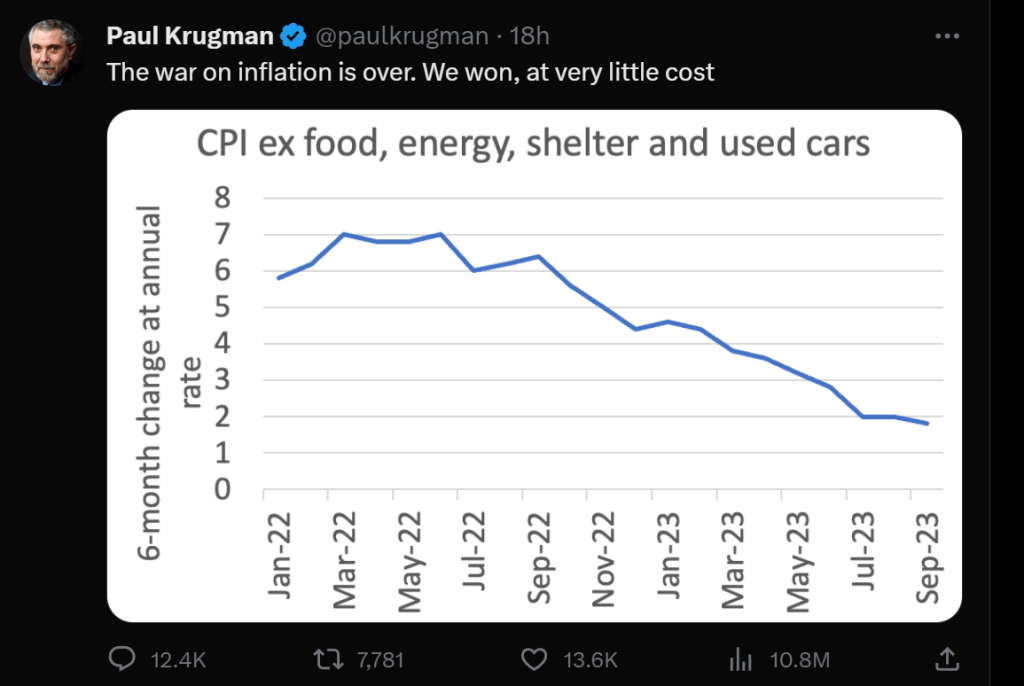
Paul Krugman, Nobel Laureate in economics and media celebrity, made a terrible claim yesterday when he pronounced that “The war on inflation is over. We won, at very little cost.” Krugman’s proclamation was trumpeted by The View’s Joy Behar Joy who claimed that everything is going great in the country! The economy is “booming” and people are having an “easier time” putting bread on the table. Huh? Easier than a month ago maybe, but not easier since 2021 under Bidenomics.
Hmm. Suppose that during World War II the Germans had stopped after they invaded and captured Paris on June 14, 1940. The war could have been over, but France was lost to Germany amidst thousands of dead and loss of property. That is not a victory, but a crushing defeat.
Just like my Paris example, Krugman’s claim the war on inflation is over and we won AT VERY LITTLE COST was grossly misleading and a big kerplunk (thud). Why? For one, the average American family is $7,400 POOR than in January 2021 when Biden became President. So, it looks like we know the cost of inflation and it was steep, not “very little cost.” Well, very little cost to elitist millionaires like Krugman.
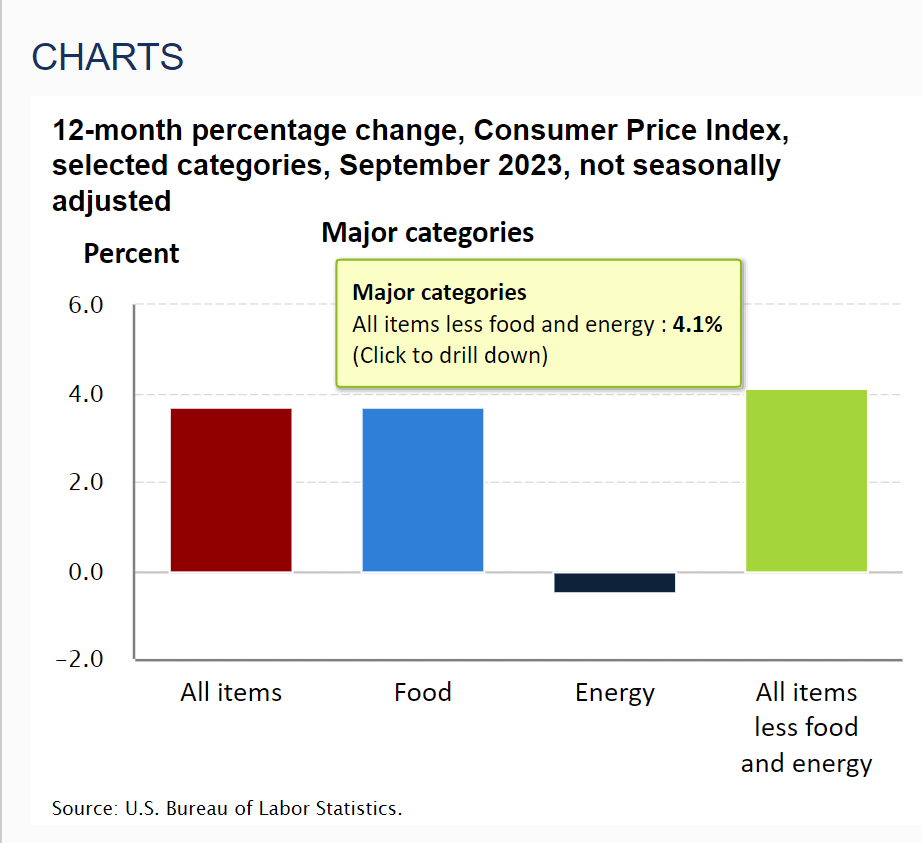
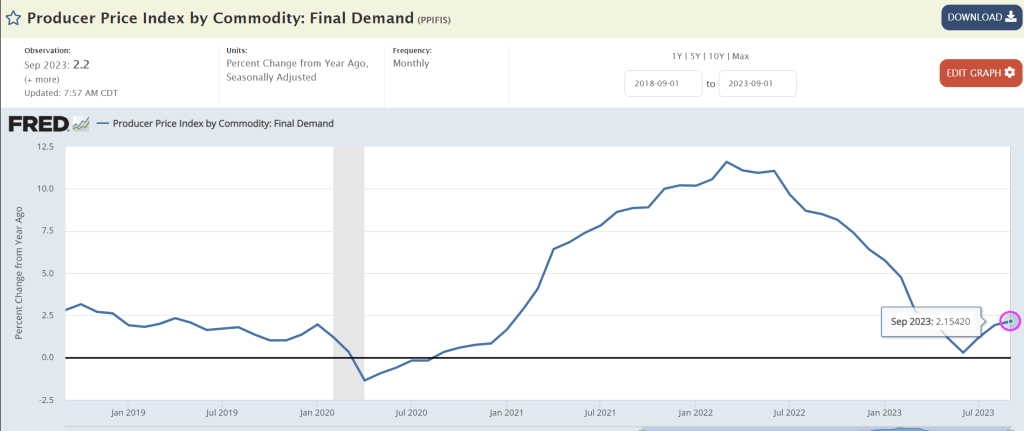
Krugman loves the recent inflation report from the BLS. Specifically, the 12-month change in the Consumer Price Index Less Food And Energy for September was 4.1%. Krugman focuses on the recent 6-month change being less than 2%. In Krugman’s mind, this is victory … core inflation has been tamed and inflation is at The Fed’s target rate of 2%.
But before Krugman pops the champagne cap on the 1959 Dom Perignon for $42,350 (while the rest of us are drinking E&J Gallo’s Thunderbird), bear in mind that he is referring to the RATE OF GROWTH in prices, not the highly elevated levels of prices. Victory against inflation would be if prices returned to December 2020 levels.
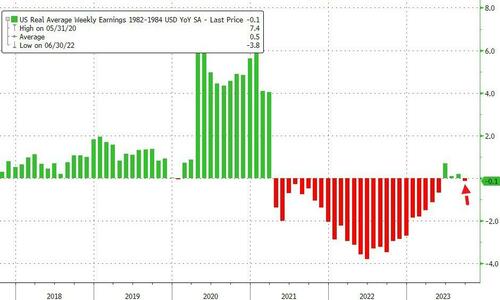
I pointed out yesterday that “real” wages contracted 0.1% YoY (after 3 months positive) in September. It is important to note that real wage growth was negative from 2021 until 3 months ago, but has gone negative yet again. Victory??
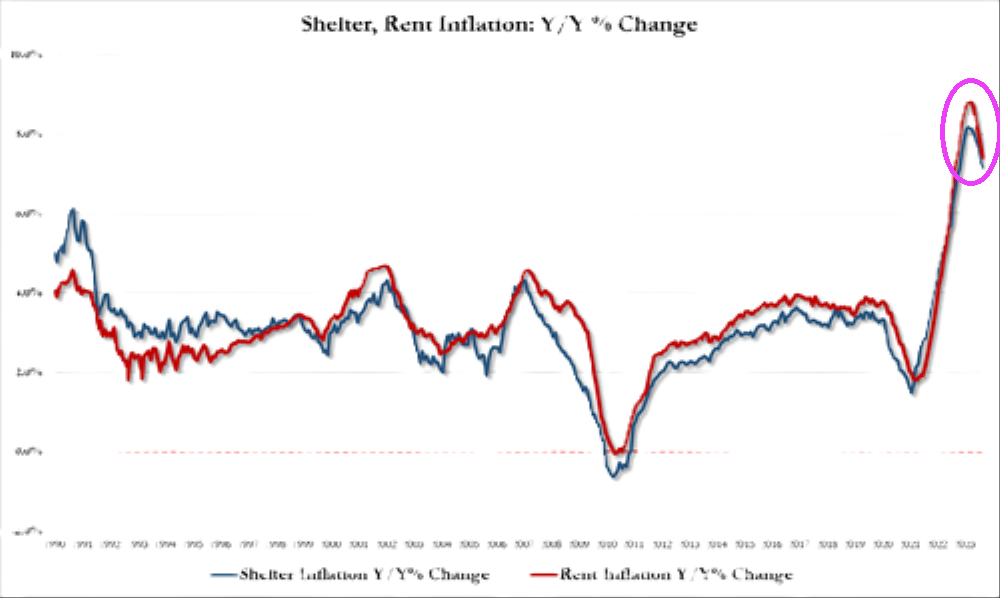
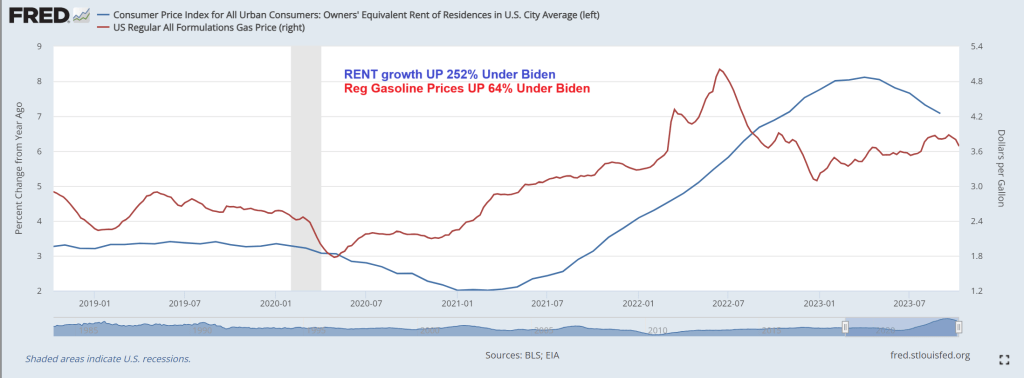
Krugman prefers core inflation, removing food, housing and energy. You know, the three things most Americans actually care about. Take shelter (or rent of residence) where rent is growing at a sizzling 7.1% YoY.
Under Biden and Congress’ reckless spending splurges (and inane Federal energy policies), regular gasoline prices are up 64%. Growth in rent of residence has grown 252%! So, Professor Krugman, Americans are far worse off than before Biden was President.
If prices return to December 2020 (or pre-Covid levels), I will declare a victory. But for right now, symbollically, the German army is occupying France and Paris with horrible suffering for the French people. In other words, Americans are still far worse off under Biden even though inflation is finally slowing.ew
Speaking of France and World War II, maybe we should consider Joe Biden as today’s Pierre Laval, leader of Vichy France since Biden seems more concerned with pleasing Klaus Schwab and The World Economic Forum than America’s middle class and low wage worker (like Laval was concerned with that German leader Adolf Hitler thought).
“Two-job Joe” should be Biden’s new nickname for his economy wrecking ball known as Bidenomics.
The economic disaster known as Bidenomics (code for wealth transfers to the donor class) can be seen in the following chart. Non-elite households are struggling to cope with higher gasoline, food and house prices (rent) under Bidenomics.
As a result, the number of people holding 2 FULL-TIME JOBS hit an all-time high of 447,000 people. Biden spokesperson Karine Jean Pierre is likely to say “See? Bidenomics is working! Not every person is holding 2 full-time jobs to afford that Ford all-electric Lightning F-150 pickup truck!”
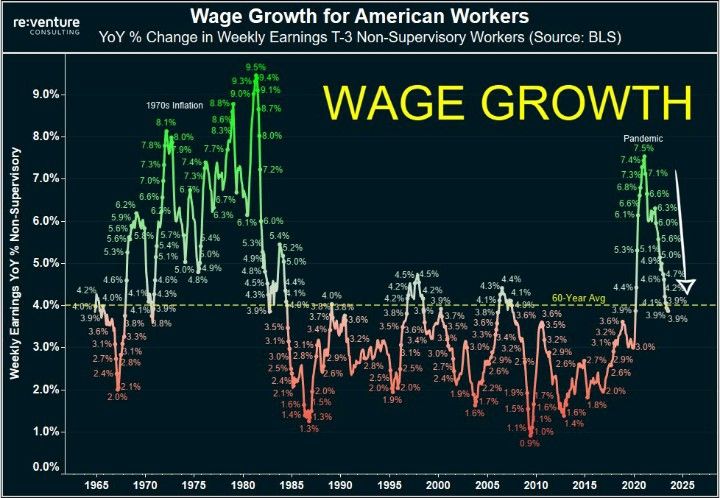
At the same time, wage growth YoY is crashing from Covid stimulus highs to pre-Covid levels.
It is getting harder and harder for non-elites to buy that Ford F1-150 all-electric Lightning Platinum for $94,000 plus tax. And you still have to pay $500 for the Ford Mobile Power Cord. OMG! For $94k, they couldn’t throw in the power cord?????
Does F stand for Failed? The honorary vehicle for Bidenomics!!
The Fed erroneously does not consider rising home prices as inflation. Here’s the result in pictures.
Case-Shiller national and 10-city home prices vs CPI, Rent, and Owners’ Equivalent Rent
Chart Note
Case-Shiller measures repeat sales of the same home over time. This ensures an accurate comparison of room size, yard size, and amenities. The only drawback is the data lags a bit. The most current data is from July representing transactions in May and June.
OER stands for Owners’ Equivalent Rent. It’s the price of rent one would pay to rent one’s own house, unfurnished without utilities.
For 12 years, home prices, OER, Rent, and the overall CPI all rose together. That changed in 2000 with another trendline touch in 2012. Then it was off to the races as the Fed did round after round of QE, suppressing mortgage rates.
Case-Shiller Home Price vs Hourly Earnings, the CPI, and Rent
Case-Shiller national home prices vs CPI, Rent, and Average Hourly Earnings.
As with the previous chart, for 12 years, home prices, rent, the overall CPI and hourly earnings all rose together. That changed in 2000 with another trendline touch in 2012.
How Much Are Homes Overpriced?
If the 12-year trend of home prices rising with average hourly earnings stayed intact, the home price index would be 211, not 308.
From that we can calculate home prices are ((308-211) / 211) percent too high, roughly 46 percent too high. If you prefer, home prices would need to fall ((308-211) / 308), roughly 31 percent.
Alternatively, if home prices stagnate for years, wages may eventually catch up.
Case-Shiller Home Price 1988=$150,000
The same home that cost $150,000 in 1988 now costs $678,366. But wages have gone up too. And mortgage rates have had wild swings.
Mortgage Payment and Wage Adjusted Mortgage Payment
The Least Affordable Mortgages in History
Factoring in wage growth, home prices, and mortgage rates, homes are the most expensive ever.
It’s actually much worse than the chart indicates because property taxes and insurance are not factored into.
Mortgage Rates
Mortgage Rate chart courtesy of Mortgage News Daily.
Through massive and totally unwarranted QE, foolishly hoping to create more inflation, the Fed suppressed interest rates to record lows and mortgage rates followed.
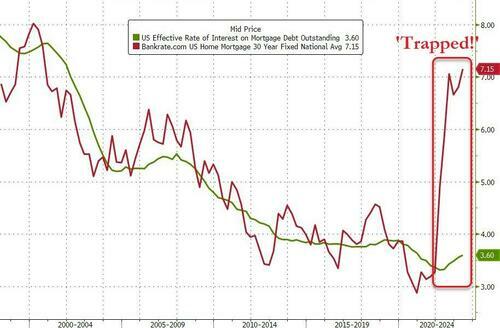
Anyone with an an existing mortgage could and did refinance at 3.00 percent or below.
This increased “affordability” and we now have two classes of people courtesy of the Fed: winners and losers (existing home owners who refinanced low and those who want to buy).
“Mortgage rates continued to move higher last week as markets digested the recent upswing in Treasury yields. Rates for all mortgage products increased, with the 30-year fixed mortgage rate increasing for the fourth consecutive week, up to and above 7.53 percent – the highest rate since 2000,” said Joel Kan, MBA’s Vice President and Deputy Chief Economist. “As a result, mortgage applications ground to a halt, dropping to the lowest level since 1996.The purchase market slowed to the lowest level of activity since 1995, as the rapid rise in rates pushed an increasing number of potential homebuyers out of the market. ARM loan applications picked up over the week and the ARM share increased to 8 percent, as some borrowers searched for ways to lower their payments.”
What About the Winners?
Good question. The winners refinanced at 3.0 percent or below. This put extra money in their pockets every month to spend.
And rising wages further stimulated ability of the winners to buy goods and services.
Thus the Fed is still paying for its asinine push to create inflation.
Meanwhile, the housing market is dead and will remain dead with mortgage rates approaching 8.00 percent.
What About Rent?
CPI data from the BLS, chart by Mish.
That’s another good question. For 24 months or so, economists have been predicting an ease in rent inflations.
The price of gasoline rose 10.6 percent, rent another 0.5 percent, shelter, 0.3 percent, and new cars 0.3 percent leading the way for a 0.6 percent increase in the CPI in August.
The price of rent has gone up at least 0.4 percent for 25 straight months. Not to worry, Paul Krugman says this is lagging.
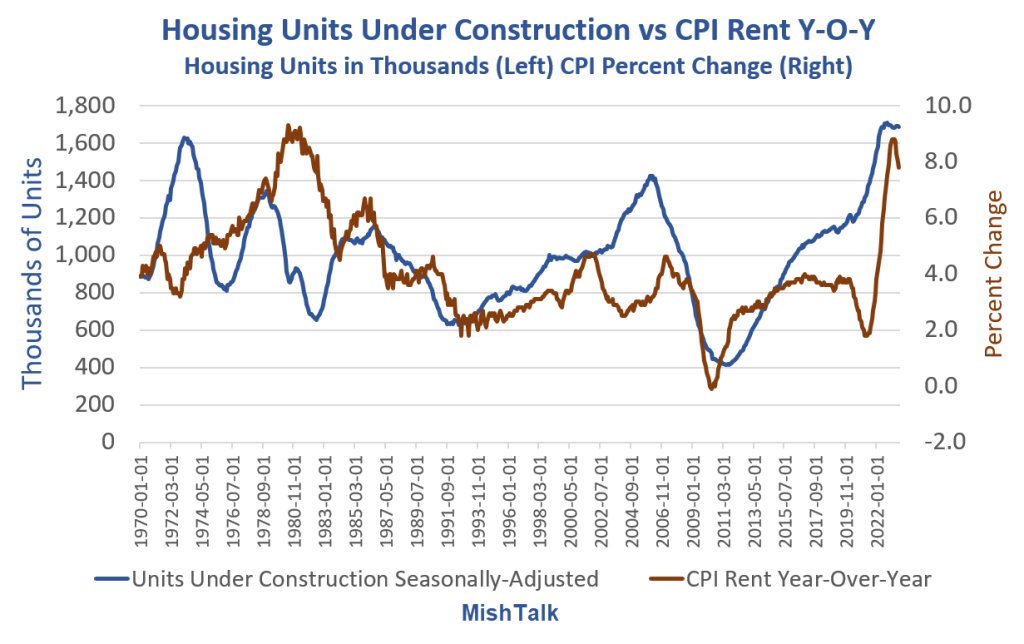
When Will Record Housing Units Under Construction Ease Rent Inflation?
That’s really a trick question. For a better question, remove the lead “when” from the sentence.
The answer is: I don’t know, nor does anyone else, although people claim to be clairvoyant.
Housing Units Under Construction vs CPI Rent Year-Over-Year
Housing units from Census Department, Rent CPI from BLS, chart By Mish
I saw the theory that rent would collapse as soon as housing units get completed so many times that I almost started believing it myself.
However, the data shows no discernable correlation no matter how you shift the lead or lag times.
The chart looks totally random. So perhaps rent abate. Perhaps not. The data itself provides no reason to believe anything.
Regardless, please note the floor. Year-over-year rent has a floor of about 2 percent except in the Great Recession housing crash.
And these charts are not imputed Owner’s Equivalent Rent prices for which people pay no actual rent. These charts reflect rent of primary residence.
34 Percent are Screwed
Well, don’t worry. Only 34 percent of the nation rents, and besides, rent is lagging.
Sarcasm aside, the Fed blew huge asset bubbles and did not see that as inflation. Nor did the Fed see that three massive rounds of fiscal stimulus would cause inflation.
Real Income and Spending Billions of Chained Dollars
Note the three rounds of massive fiscal stimulus in the Covid pandemic. This triggered the most inflation since the 1970s. Economists debate how much “excess savings” still remains.
The Fed never saw this coming, never saw a housing bubble in 2007, and has never once predicted a recession.
Heck, former Fed chair Ben Bernanke denied a housing bubble and denied a severe recession that had already started.
Expect More Inflation Everywhere
Unfortunately, Biden is doing everything humanly possible to stoke inflation with EV mandates, natural gas mandates, union pandering, student debt forgiveness, and regulations, some of which is blatantly unconstitutional.
If you are looking to buy your first home and need to finance, good luck.
The longer the Fed holds rates high, the longer the housing transaction crash lasts. But cutting rates will further expand the housing bubble, asset bubbles in general. And bubbles are destabilizing.
That is the Fed’s tightrope dilemma, of its own making.
If you are one of the winners, congrats. But that extra money the Fed put in your pocket every month may stoke inflation for a long time.
The Market Composite Index, a measure of mortgage loan application volume, decreased 6.0 percent on a seasonally adjusted basis from one week earlier. On an unadjusted basis, the Index decreased 6 percent compared with the previous week. The Refinance Index decreased 7 percent from the previous week and was 11 percent lower than the same week one year ago. The seasonally adjusted Purchase Index decreased 6 percent from one week earlier. The unadjusted Purchase Index decreased 6 percent compared with the previous week and was 22 percent lower than the same week one year ago.
The purchase market slowed to the lowest level of activity since 1995, as the rapid rise in rates pushed an increasing number of potential homebuyers out of the market. ARM loan applications picked up over the week and the ARM share increased to 8 percent, as some borrowers searched for ways to lower their payments.
The US 30-Year Mortgage Rate Tops 7.5% for First Time Since 2000.
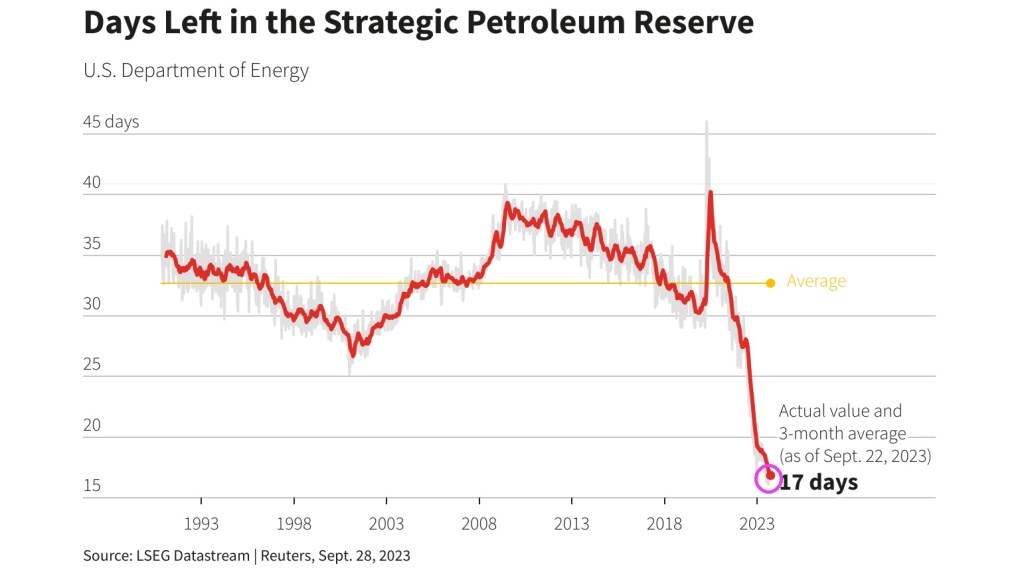
On the energy front, where we are represented by former Michigan governnor Jennifer Granholm and former South Bend Indiana mayor Pete Buttigieg, we see that the Strategic Petroleum Reserve is down to only 17 days left.
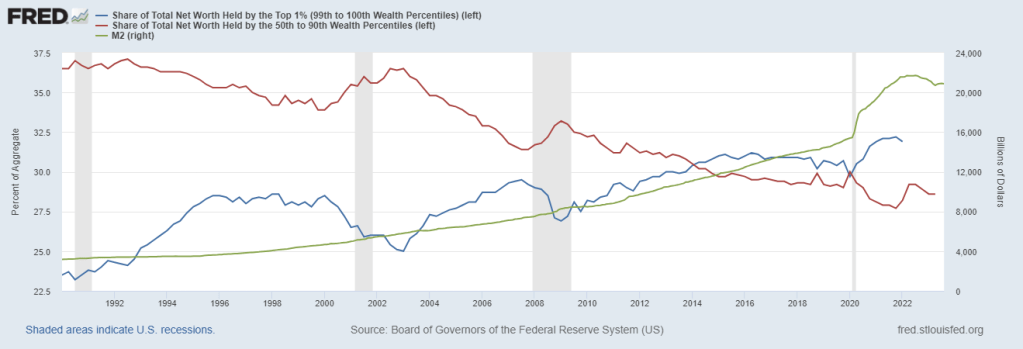
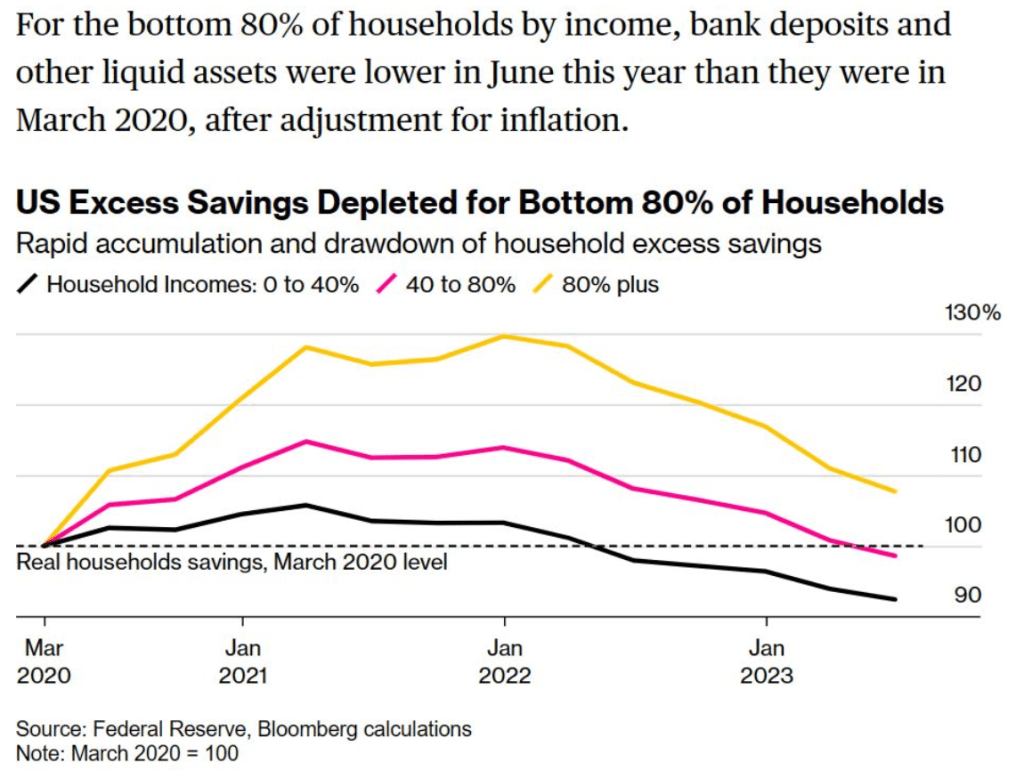
Wasting away again with Bidenomics, code for massive Federal subsidies to green energy donors. And incentives to buy impractical EVs. Imagine in an emergency and your car only goes 200 miles (and then you have to wait for an available charger to come open). Well, the top 1% are doing fine. But the bottom 80% of households by income are seeing rapid deplection of savings to cope with the rising costs of Bidenomics.
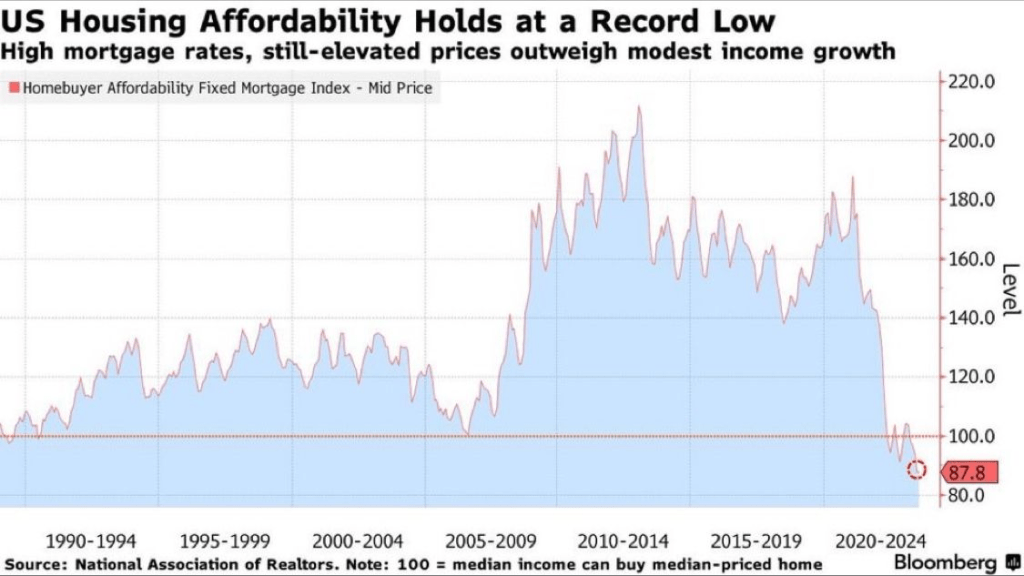
And then we have shrinking home affordability, now at a record low.
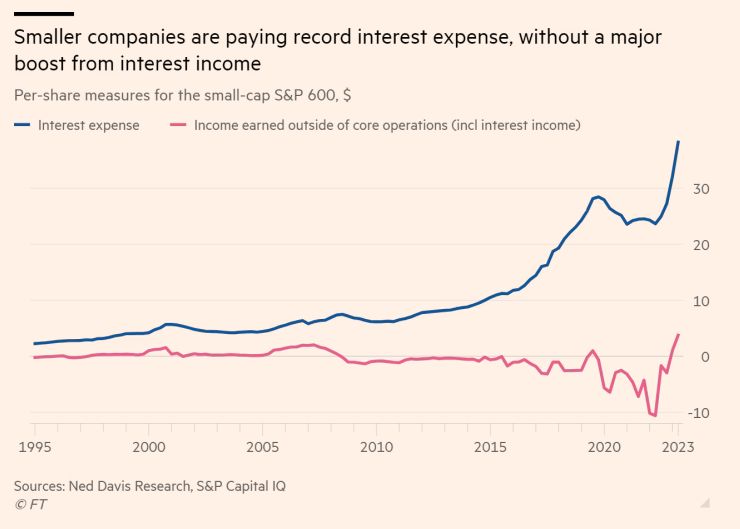
We know that the horribly-flawed Bidenomics doesn’t work, unless you are a large corporate donor in green energy. For the rest, particulary small companies, Bidenomics is a total bust.
Under Bidenomics (the Soviet-style command economy), small companies are paying reconrd interest expense WITHOUT a major boost from interest income. Well, ain’t that a kick in the head … to most companies.
Pension funds that invested in “safe” MBS are finding that MBS isn’t so safe under inflation.
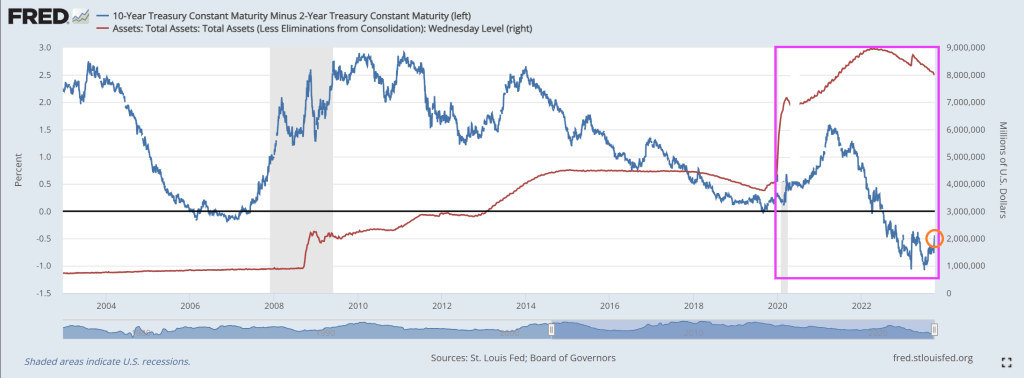
Look at the 10Y-2Y yield curve since Covid. I had a slight surge by March 2021, then has flattened then inverted as The Fed’s balance sheet still remains above $8 trillion.
Face it. The Biden Administration and Congress are owned by BIG corporate interests. BIG defense, BIG tech. BIG Pharma, BIG banking, BIG auto, BIG Union, BIG anything.
No wonder the Obamas were seen snorkeling in The Med with Tom Hanks and Steven Spielberg. BIG Hollywood!
Biden’s press secretary Karine Jean-Pierre said that Biden was laser focused on reducing inflation. At least he isn’t laser focused on little girls … for the moment. But he still does seem laser focused on providing Ukraine with billions of dollars.
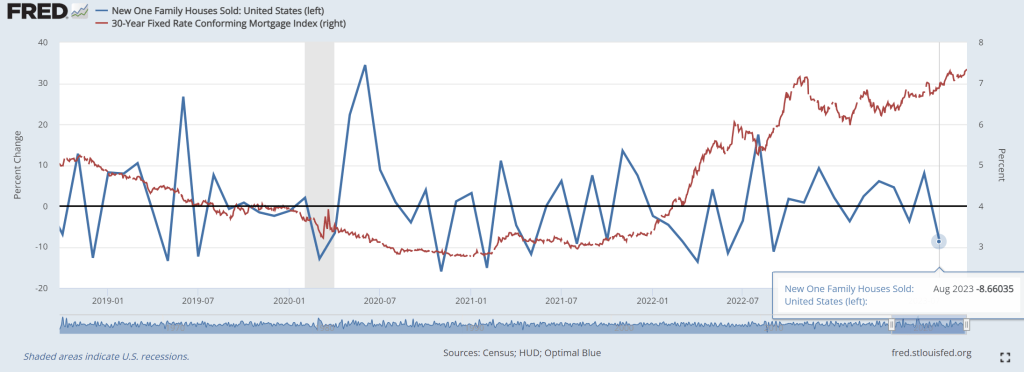
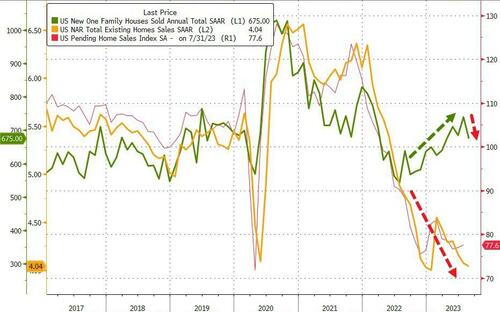
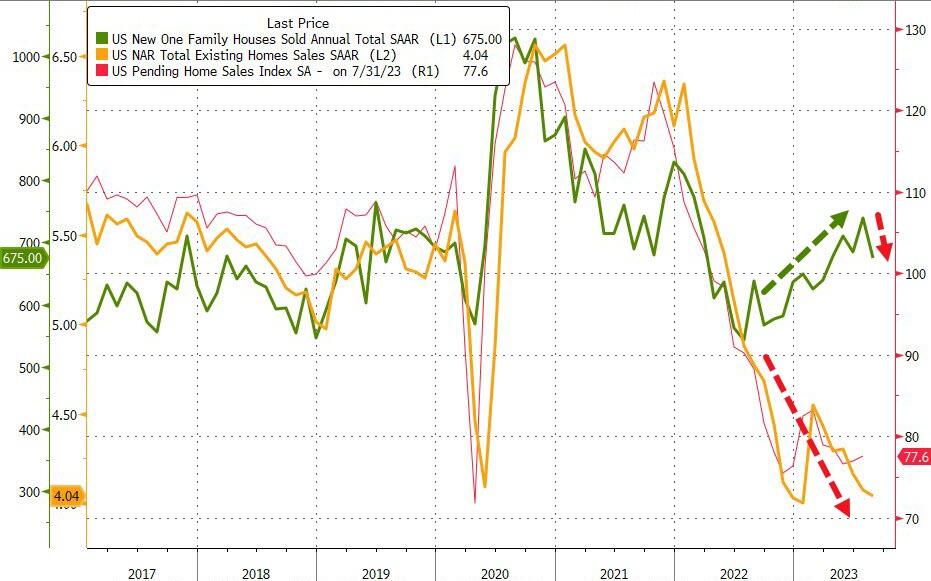
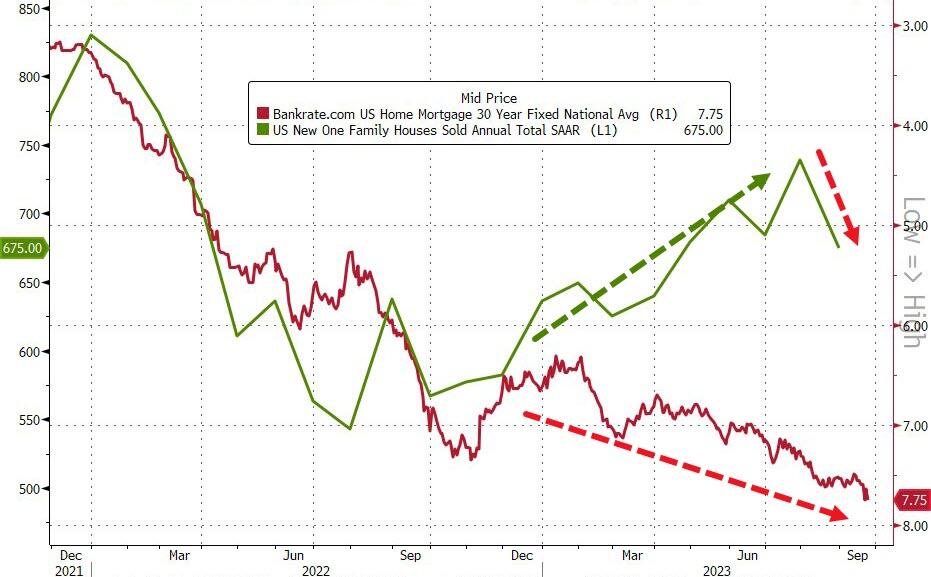
After months of soaring in the face of higher mortgage rates (and higher prices), new home sales hit a wall in August, crashing 8.7% MoM – the biggest drop since Sept 2022 (and four times worse than the -2.2% MoM expected)…
But at least new home sales were up on a YoY basis.
hat is the lowest SAAR since March…
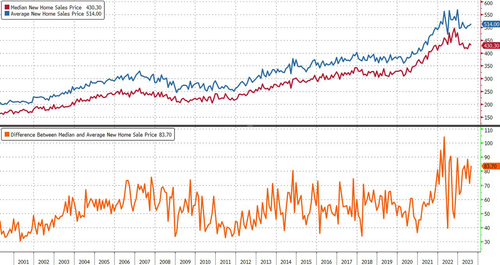
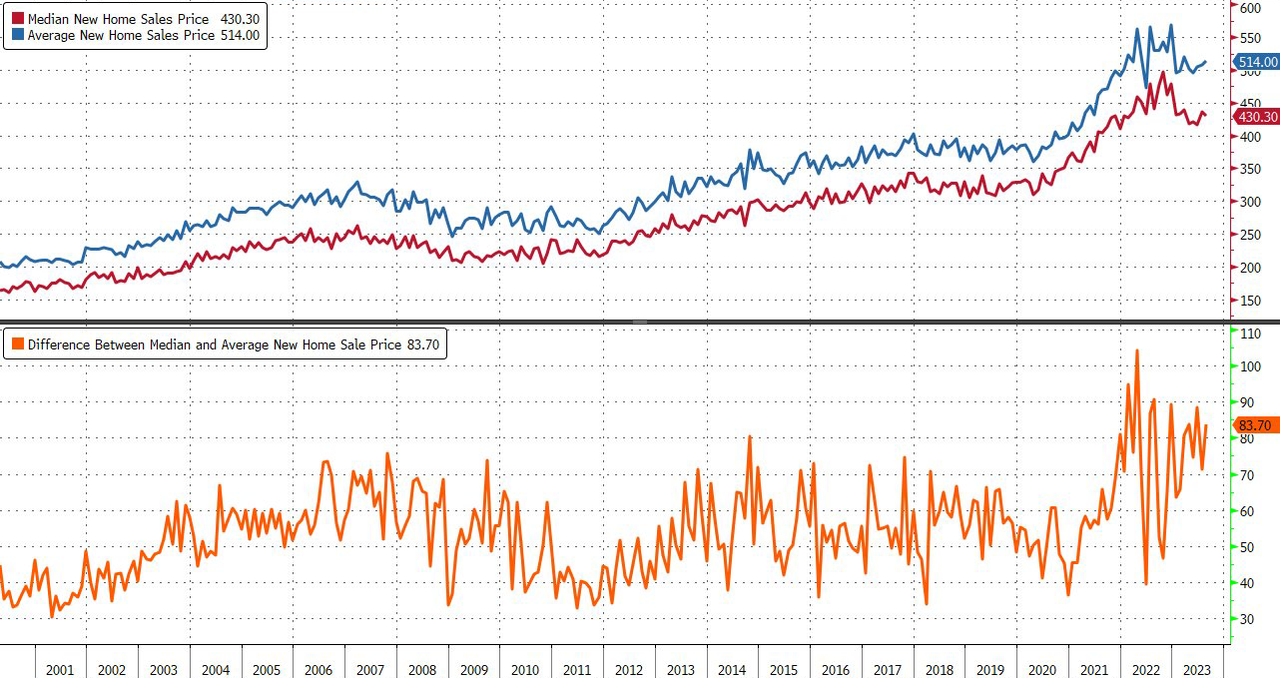
The median sales price of a new home edged lower to $430,300 (average home price rose), according to the Commerce Department’s report.
Despite the decline, that’s still well above pre-pandemic levels.
As a reminder, according to a report released Friday by Redfin Corp, nearly 60,000 deals to purchase homes fell through in August (roughly 16% of homes that went under contract last month, the biggest share of cancellations since October).
“I’ve seen more homebuyers cancel deals in the last six months than I’ve seen at any point during my 24 years of working in real estate,” Jaime Moore, a Redfin agent, said in the report.
“They’re getting cold feet.”
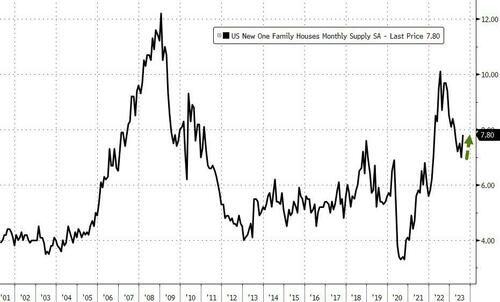
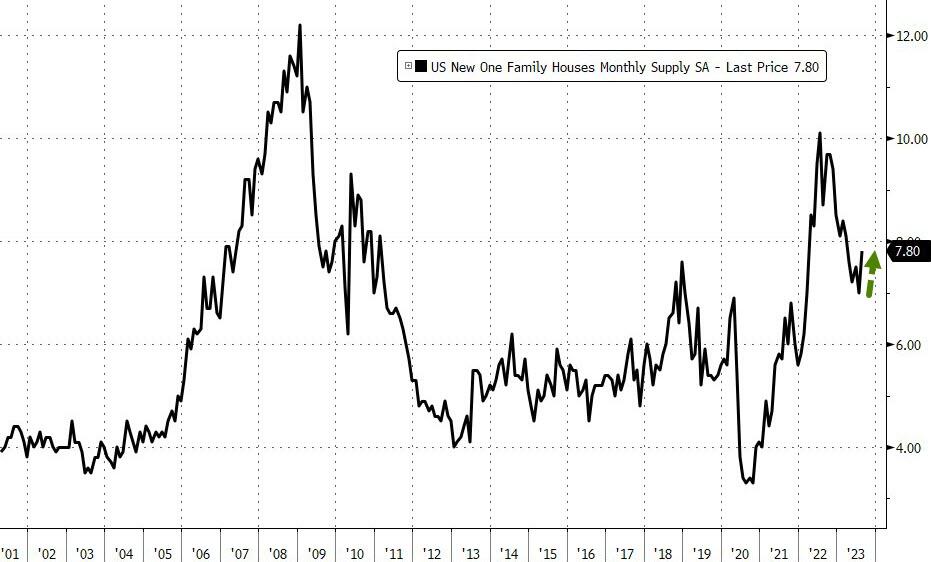
A potential silver lining is the rising in supply (but now much that is driven by a decline in the denominator – homes sold – vs numerator – homes available; is unclear)…
Is the catch-down to reality about to begin?
Source: Bloomberg
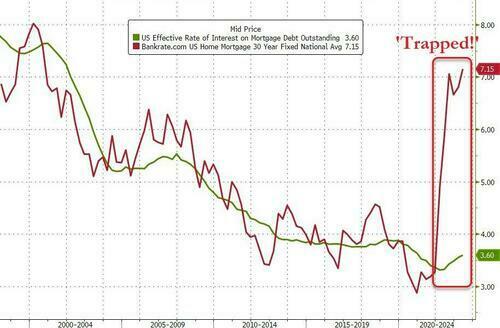
They should, given that homebuilders can’t be filling this gap – between the current 30Y mortgage rate and the effective rates that borrowers are currently paying on their home loans – (i.e. subsidizing new home sales) forever…
Source: Bloomberg
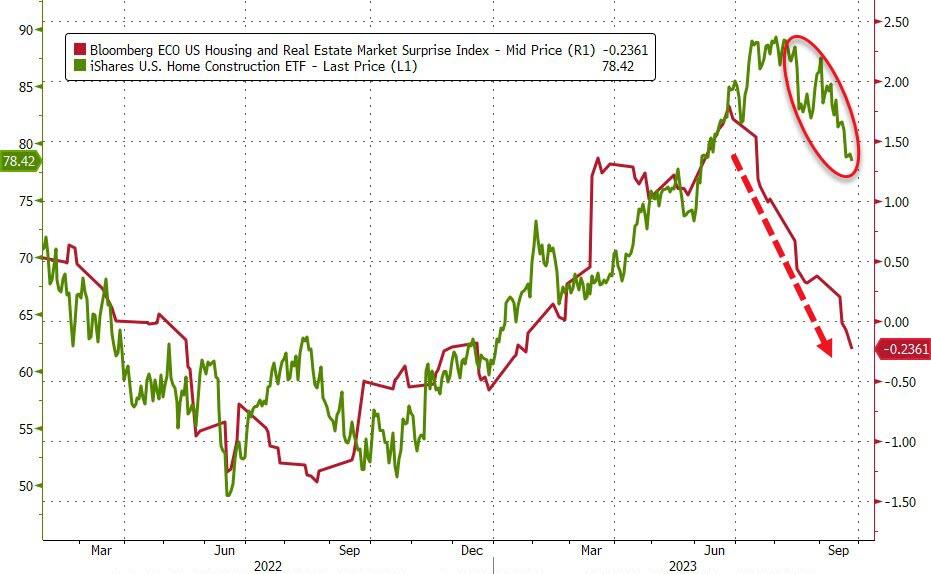
And investors are starting to wake up too…
Is Jay Powell about to get the ‘affordability’ compression he was hoping for?
Alarm! US 10-year Treasury yields are soaring along with mortgage rates.
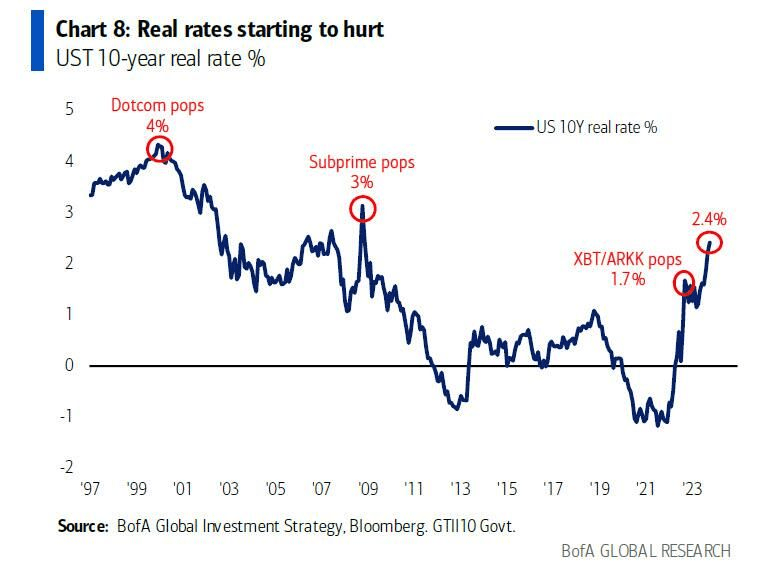
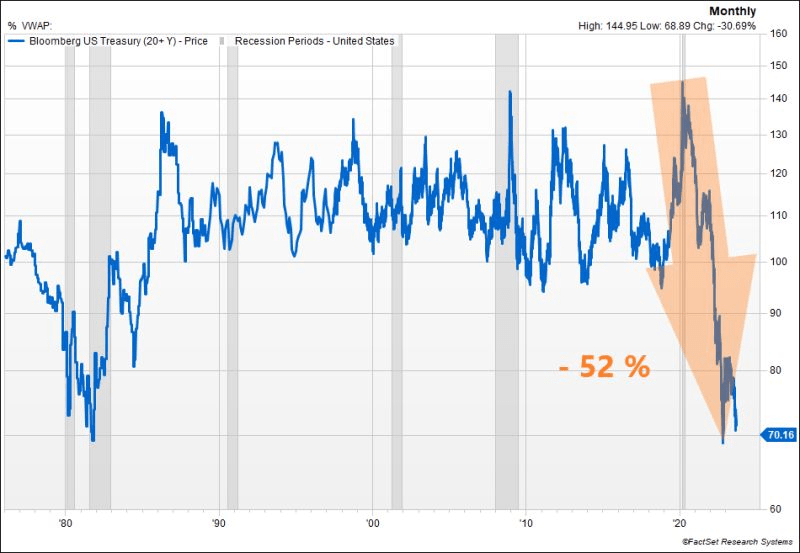
The US Treasury market is witnessing another significant selloff, pushing the 10y UST yield close to the 4.50% mark. The surge in real rates is remarkable, reaching 2.12% for the 10y, a level not seen since 08’. While this might appear attractive in real terms compared to historical benchmarks, could we be on the brink of a third consecutive year of negative performance for US Treasuries? To put this into perspective, such a scenario has never occurred in history.
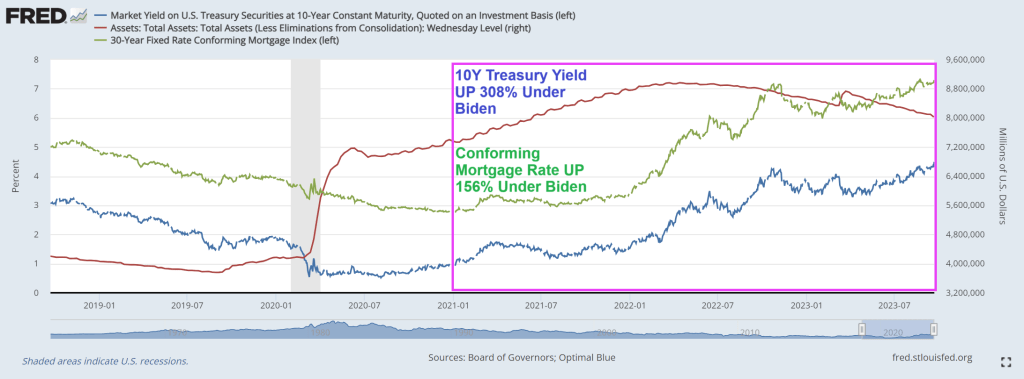
The conforming mortgage rate is at 7.3%, up 156% under since Biden’s coronation as El Presidente of the United Banana Republics of America. Where political opponents are indicted prior to elections.
In Biden’s Banana Republic economy, the US Treasury 10y-2y yield curve remains inverted.
And then we have Mish’s chart on debt as a percentage of GDP from CBO. Remember, we used to worry about the US breaking the 80% debt to GDP level. It is now projected to be 181%. Wow.
Is The Fed pushin’ too hard on rates to fight inflation? Or not hard enough??
Between the data and the overnight momentum in overseas markets, bonds are at their weakest levels in years. Mortgage-backed securities (the bonds that dictate mortgage rates) didn’t swoon quite as much as Treasuries, but as of today, it was just enough to push the average mortgage lender almost perfectly back in line with the highest 30yr fixed rate of the past 23 years. [30 year fixed 7.47%]
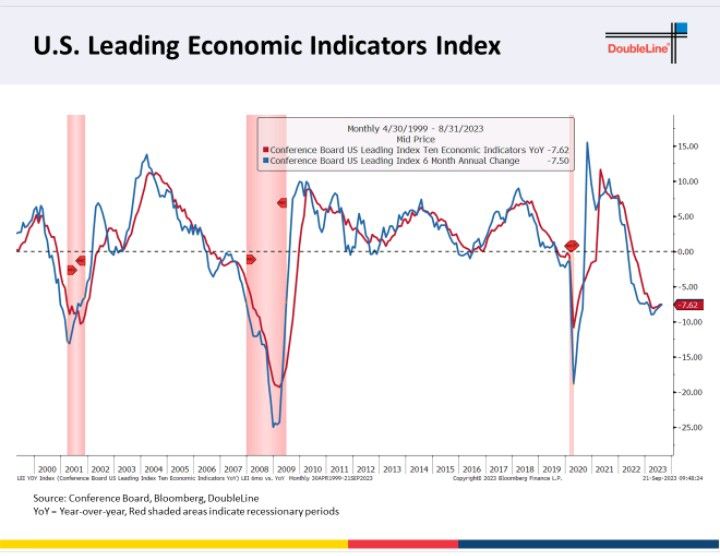
Conference Board Leading Economic Indicator declined -0.4%MoM in August, bringing the year-over-year change to -7.6%.
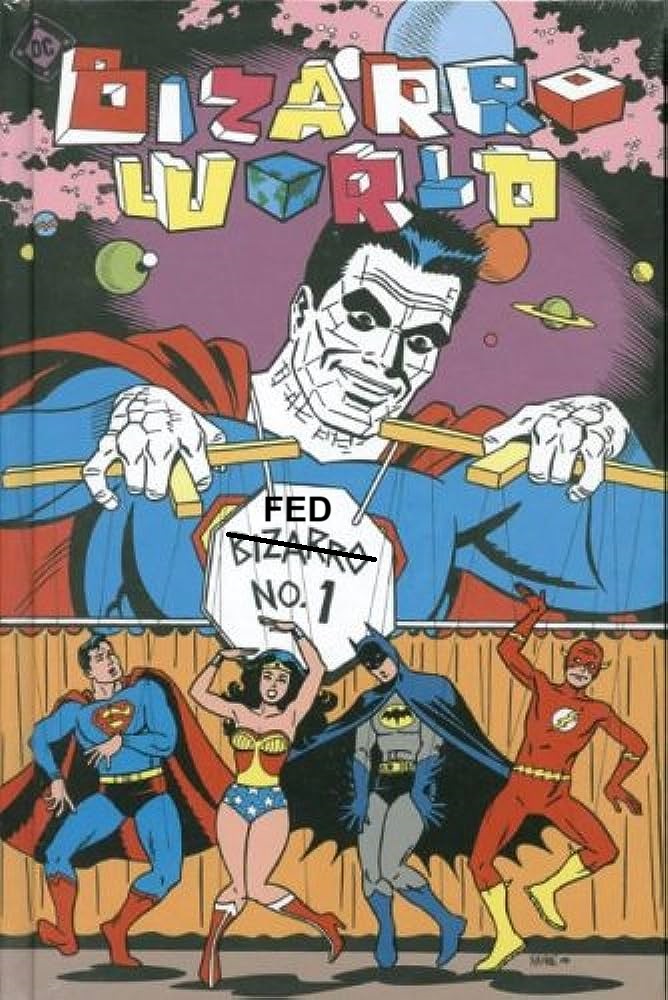
The Fed can’t seem to make inflation go away, despite what Janet Yellen says. The reason? While The Fed’s target rate has risen rapidly over the past year and a half, The Fed’s Balance Sheet is slowwwwwllyyyyyyyyyyyyyy unwinding.


























 Confounded Interest - Anthony B. Sanders
You must be logged in to post a comment.