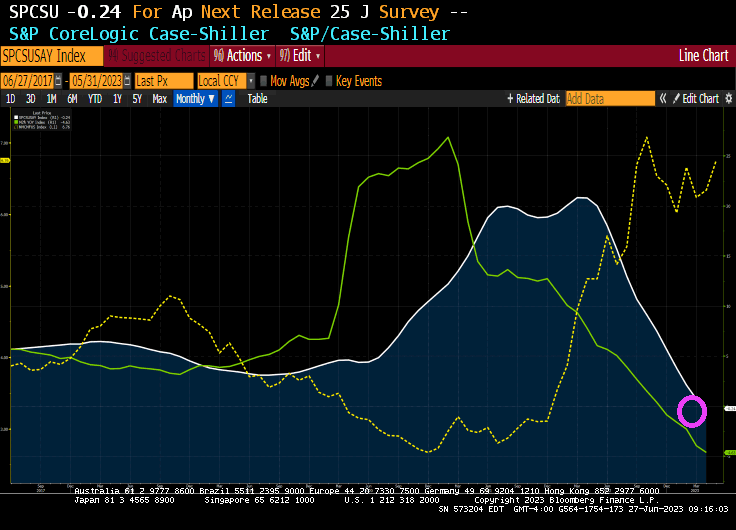
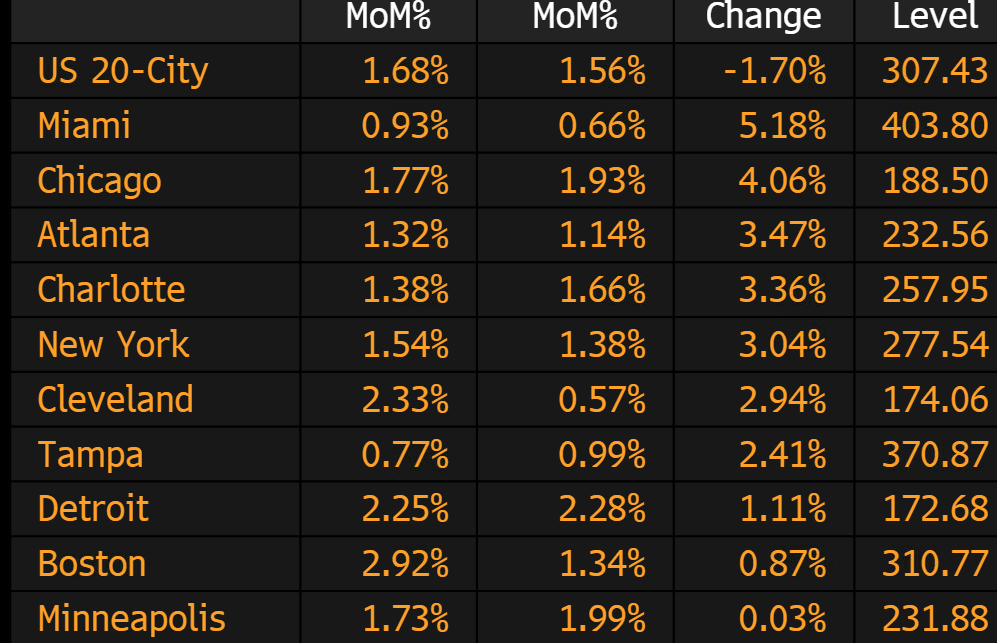
The S&P CoreLogic Case-Shiller U.S. National Home Price NSA Index, covering all nine U.S. census divisions, reported a -0.2% annual decrease in April, down from a gain of 0.7% in the previous month. The 10-City Composite showed a decrease of -1.2%, down from the -0.7% decrease in the previous month. The 20-City Composite posted a -1.7% year-over-year loss, down from -1.1% in the previous month.
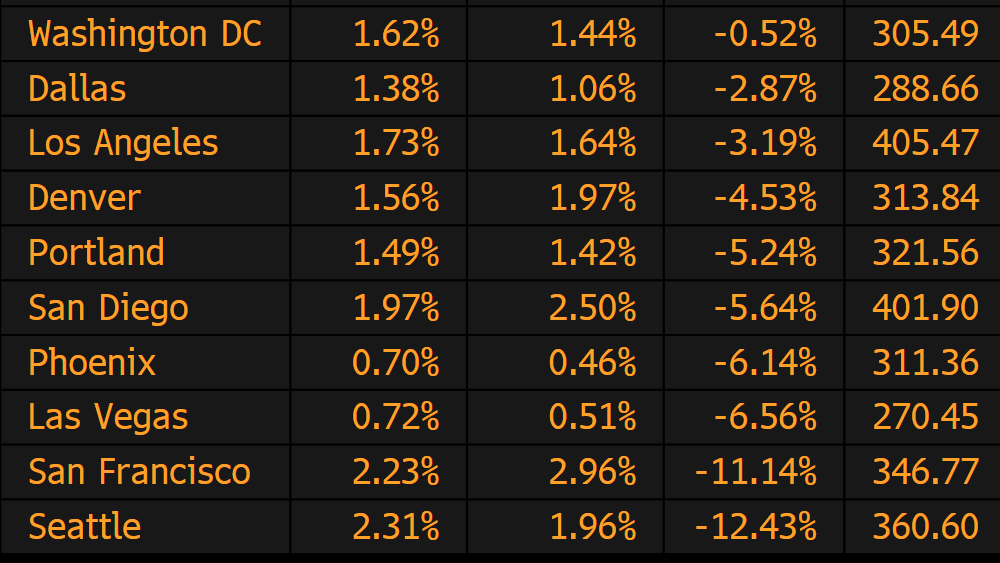
The winners in April? Miami and … Chicago?
The biggest losers in April? Seattle and San Francisco both suffered YoY losses over -11%.
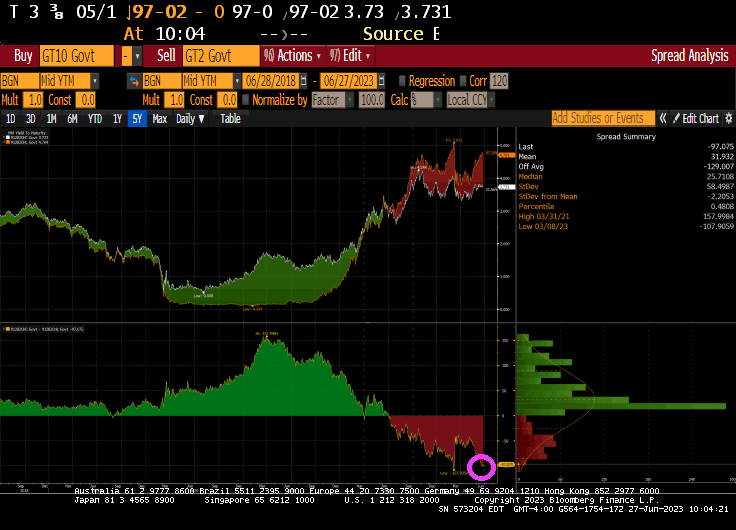
The US Treasury 10Y-2Y yield curve remains steeply inverted at -97 basis points.
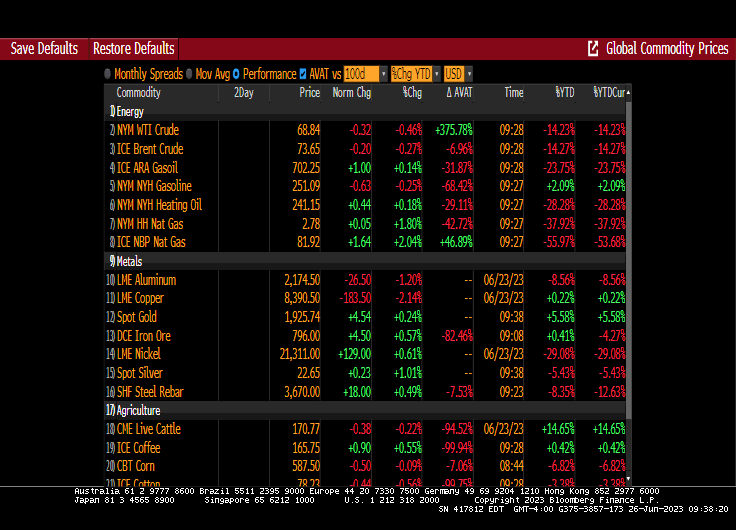
Silverado! No, not the Chevy full-size pickup truck, but the precious metal Silver is up over 1% this morning!
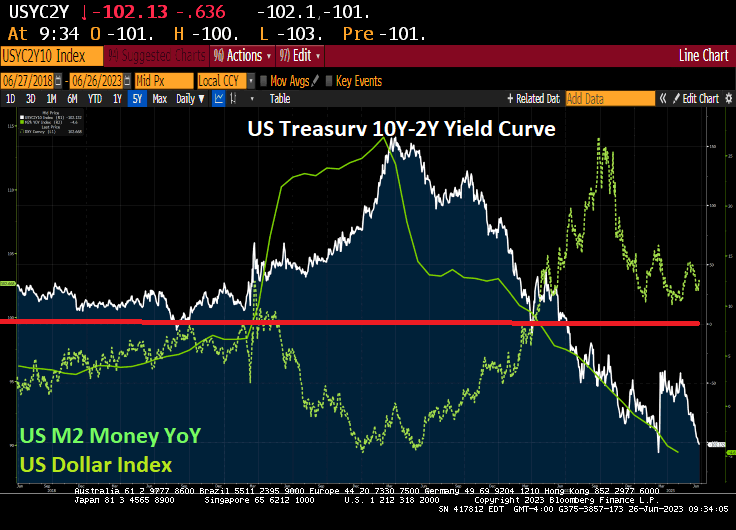
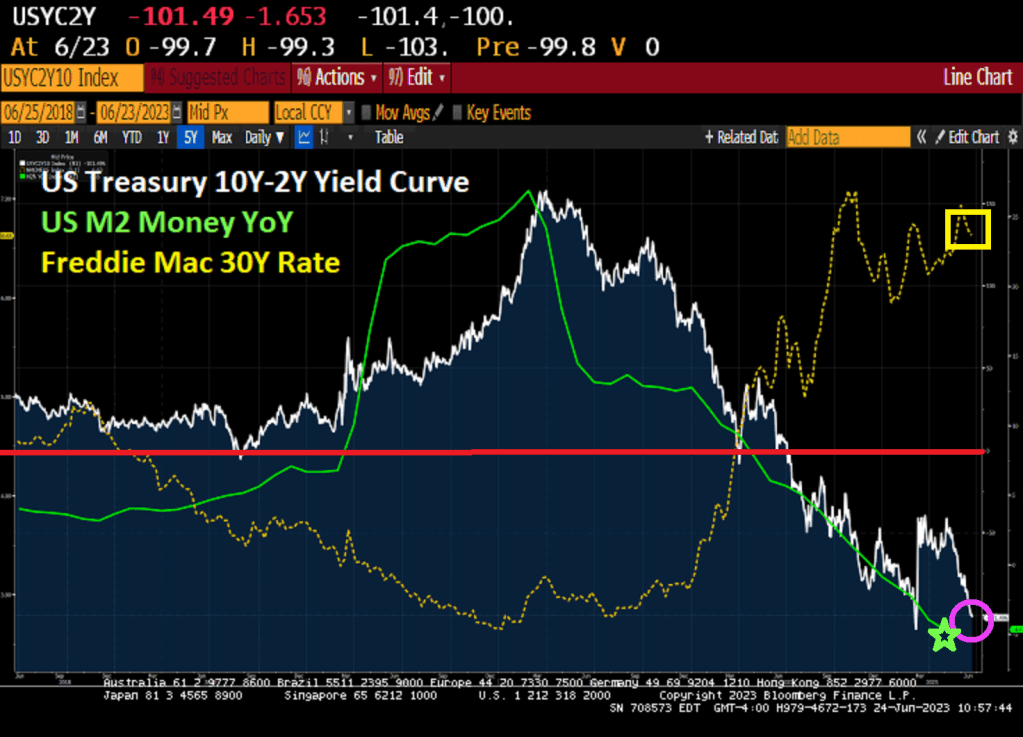
The US Treasury 10Y-2Y yield curve remains inverted at -102.7 basis points for the 244th straight day as M2 Money YoY (aka, liquidity) evaporates.
Silver is up over 1% this morning.
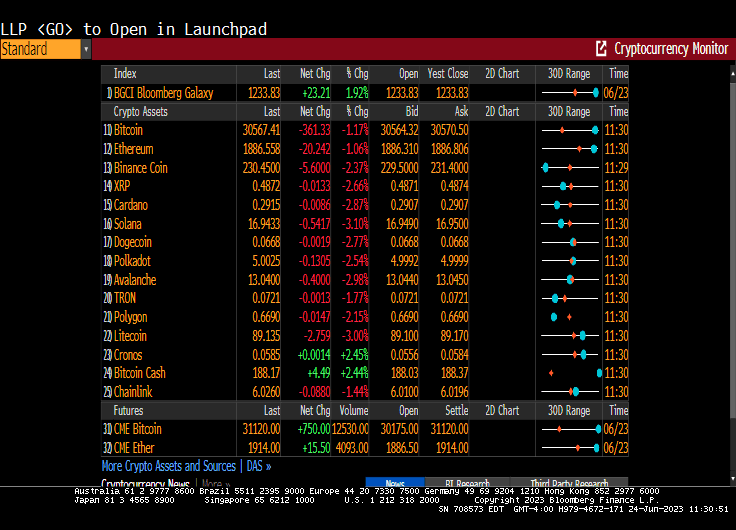
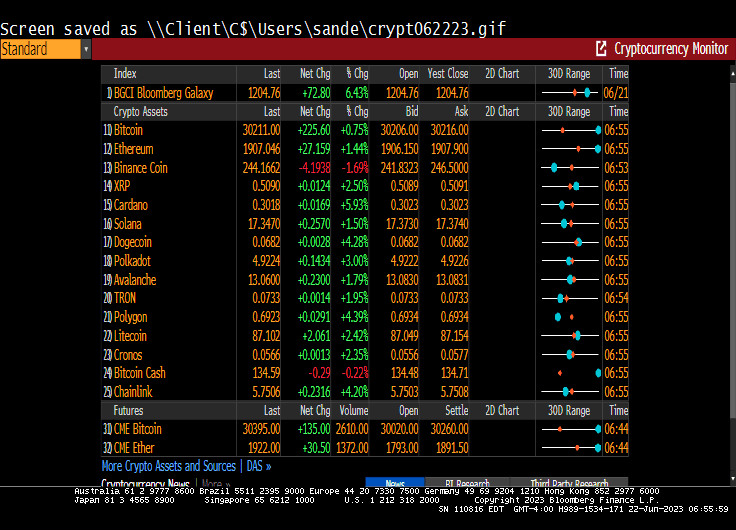
Bitcoin Cash is up12.39% this morning.
Speaking of Silverado, a fully loaded new 2023 Chevy Silverado 1500 ZR2 costs around $100,000. Thanks Biden and Powell (BiPow?). Try financing that purchase with auto loan rates soaring!
Yes, the ECB’s own Fabio … Panetta wants to ban any competition to Central Bank printing presses. Of course, like Elizabeth Warren (D-MA) and SEC’s Gary “The Ghoul” Genslar, he wants to protect The Deep State’s monopoly on money printing by banning competition.
According to Fabio Panetta, crypto volatility and aspects of blockchain technology made digital assets only suitable for gambling…
Fabio Panetta, an executive board member of the European Central Bank (ECB), has suggested a dark future for cryptocurrencies, in which digital assets may be used for little more than gambling among investors.
In written remarks for a panel at the Bank for International Settlements Annual Conference on June 23, Panetta said crypto’s perception among investors as a “robust store of value” began to dissipate in late 2021 and into 2022, when the total market capitalization fell by more than $1 trillion. According to the ECB official, the “highly volatile” nature of crypto assets made them suitable for gambling, and should be treated as such by global lawmakers.
“Due to their limitations, cryptos have not developed into a form of finance that is innovative and robust, but have instead morphed into one that is deleterious,” said Panetta.
“The crypto ecosystem is riddled with market failures and negative externalities, and it is bound to experience further market disruptions unless proper regulatory safeguards are put in place.”
He added:
“Policymakers should be wary of supporting an industry that has so far produced no societal benefits and is increasingly trying to integrate into the traditional financial system, both to acquire legitimacy as part of that system and to piggyback on it.”
Panetta claimed the “security, scalability and decentralisation” of crypto transactions was “not achievable,” saying the immutability of blockchains is a negative aspect of the space due to transactions often being unable to be reversed. He cited the collapse of FTX, as well as a recent lawsuit brought by the United States Securities and Exchange Commission again Binance, as “fundamental shortcomings” of the ecosystem.
“Crypto enthusiasts would do well to remember that new technology does not make financial risk disappear,” said the ECB official.
“It is like pressing a balloon on one side: it will change in shape until it pops on the other side. And if the balloon is full of hot air, it may rise for a while but will burst in the end.”
Panetta has previously backed parts of the ECB’s plans for a potential digital euro, currently being researched by the central bank.
He has also proposed banning crypto assets with an “excessive ecological footprint” as part of efforts to address risks to the environment.
Panetta is similar to anti-competition Statists like Senator Elizabeth Warren and SEC’s Gary “The Ghoul” Genslar who don’t want competition for The Fed’s massive printing press.
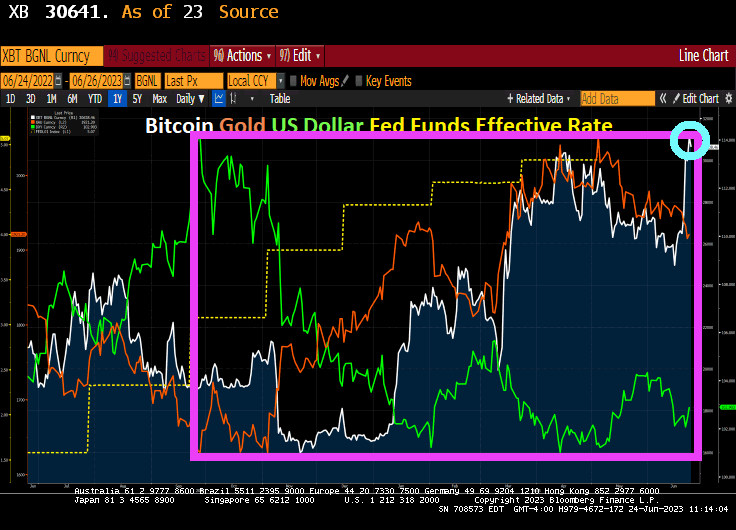
We know that Bitcoin along with Gold and Silver have done well the September 2022 when the US Dollar began to lose value.
Today, we are seeing a slight up-tick in Bitcoin (+0.05%) and Ethereum (+0.60%).
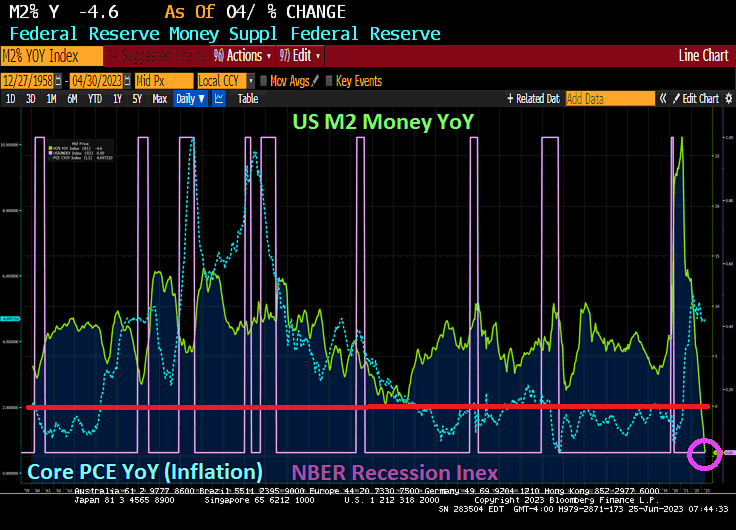
Money supply growth fell again in April from Jerome Powell And The Fed, plummeting further into negative territory after turning negative in November 2022 for the first time in twenty-eight years. April’s drop continues a steep downward trend from the unprecedented highs experienced during much of the past two years.
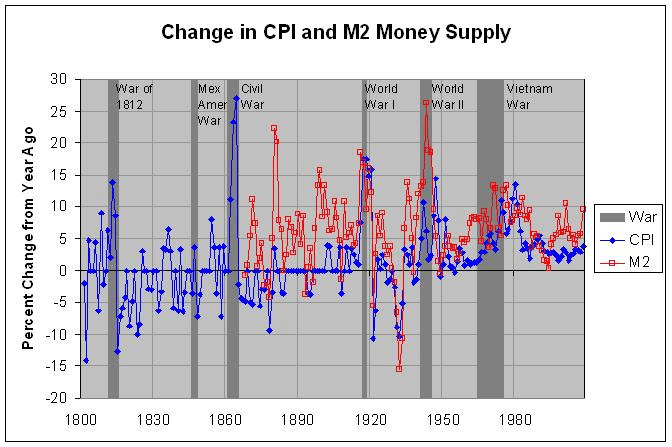
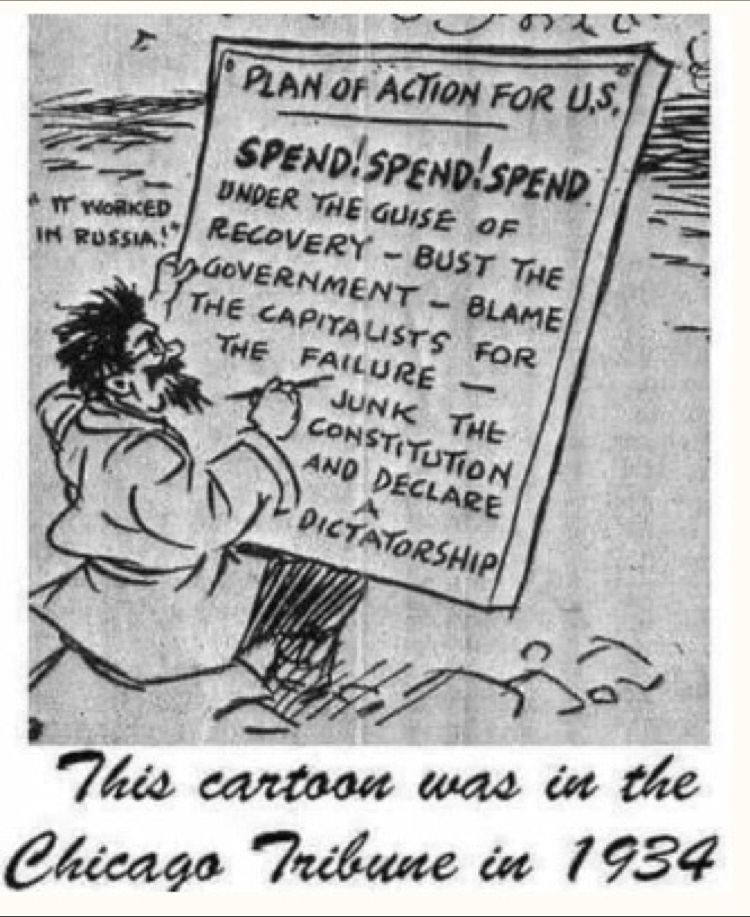
Yes, The Fed is printing money like it is going out of style! The war on Covid was similar to other wars fought where the US printed boatloads of money to pay for WWI. WWII, Korea and Vietnam wars. And the war against the middle class (known as The Best Depression). Apparently, The Fed is still waging war against the middle class.
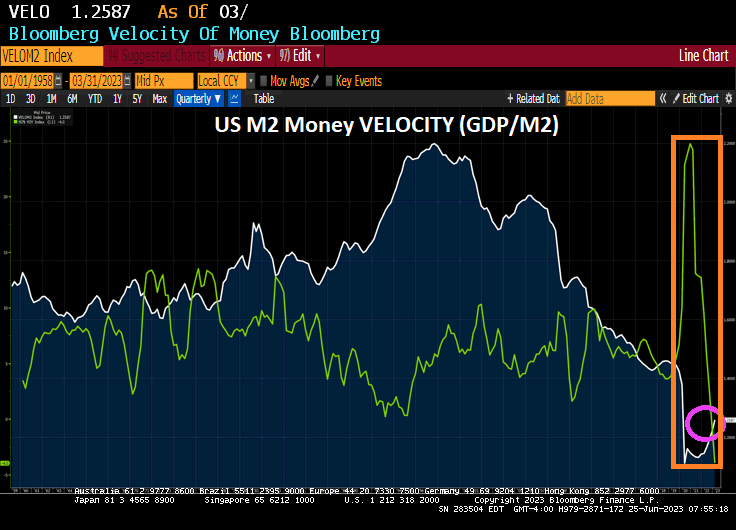
US M2 Money VELOCITY (GDP/M2) is near an all-time low after The Fed went berserk with money printing to combat the Covid economic and school shutdowns.
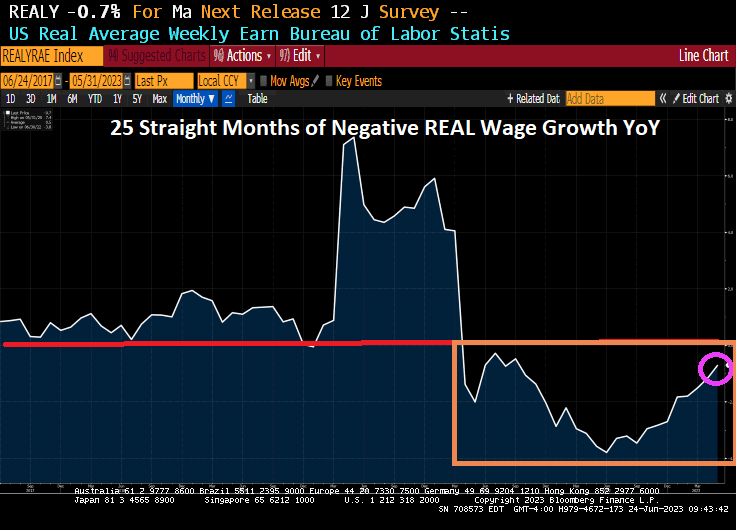
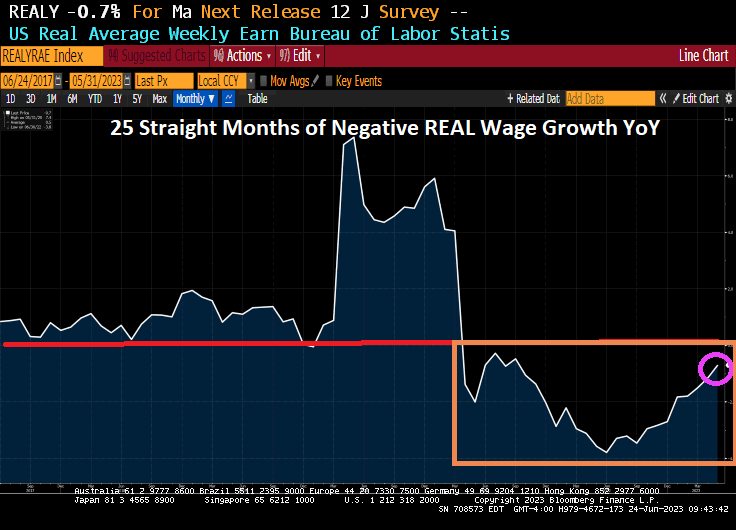
Then with The Fed’s massive monetary expansion and sudden contraction, we have REAL average weekly earnings growth YoY in negative territory for 25 straight months.
The Walking Dead’s Negan, the poster child for The Federal Reserve.
Well, with Jerome Powell And The Fed tightening monetary policy (about half way there!), we have seen competitors to the US Dollar Bitcoin and Gold have soared since September 26, 2022. Bitcoin is up 61%, Gold is up 18% and the US Dollar is down -10%.
Mortgage rates hover around 7% as the US Treasury 10-2Y curve inverts to over -100 basis points with M2 Money growth crashed and burned.
I could have used 3 shades of Joe, but 50 shades of Joe sounds better!
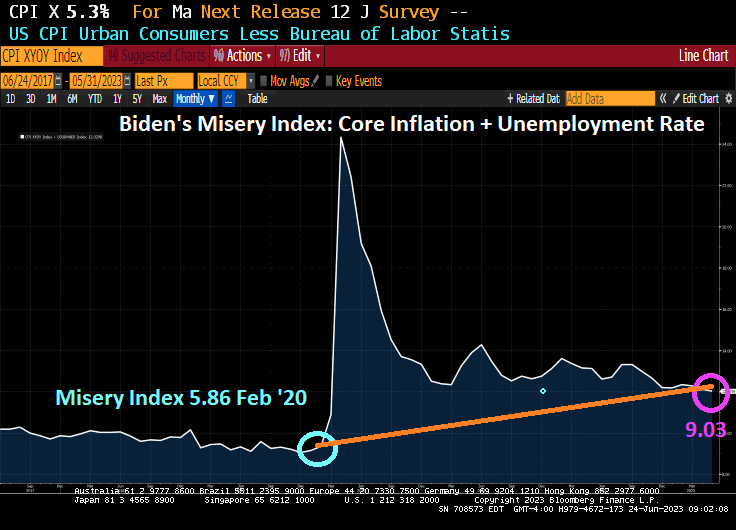
But the fact remains that Americans are far more miserable under Biden than they were under Trump before the Chinese Wuhan Covid virus was unleashed. 9.03 today (Core CPI YoY + U-3 Unemployment) than it was in February 2020 under Trump (5.86). While not twice as bad, inflation is continues to cause serious problems for America’s middle class and low-wage workers.
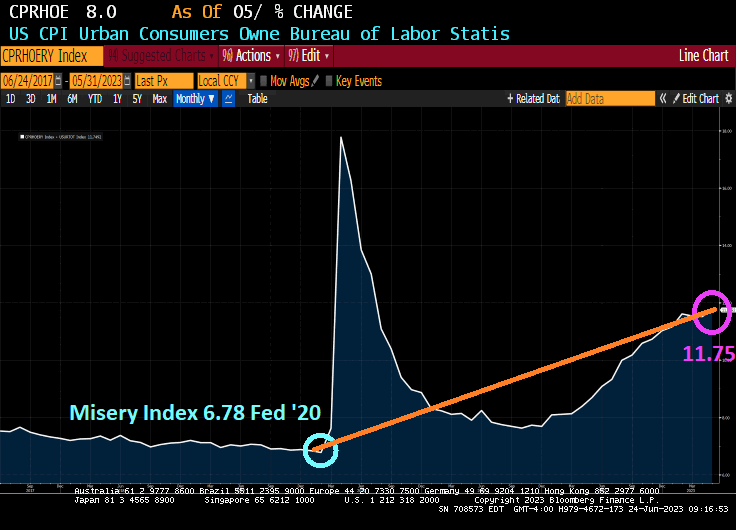
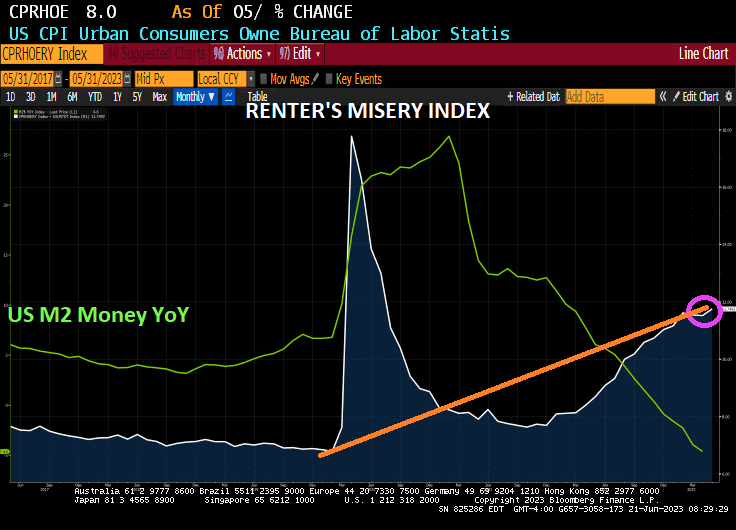
Speaking of the middle class and low wage workers, let’s look at the Renter’s Misery index (CPI Owner’s equivalent rent YoY + Unemployment rate). It was 6.78% in February 2020 under Trump and before Covid struck and is now 11.75% under Inflation Joe.
Speaking of misery, how 25 straight months of negative REAL wage growth? Real weekly wage growth went negative in April 2021, just a few months after Biden was installed as President.
Now, there was winners under Biden. Green energy donors, the big banks, big pharma, big tech, but media … essentially any big donors from big entities got massive payoffs. The middle class and low-wage workers? As Jerry Reid once sang, “They got the coal mine and we got the shaft.”
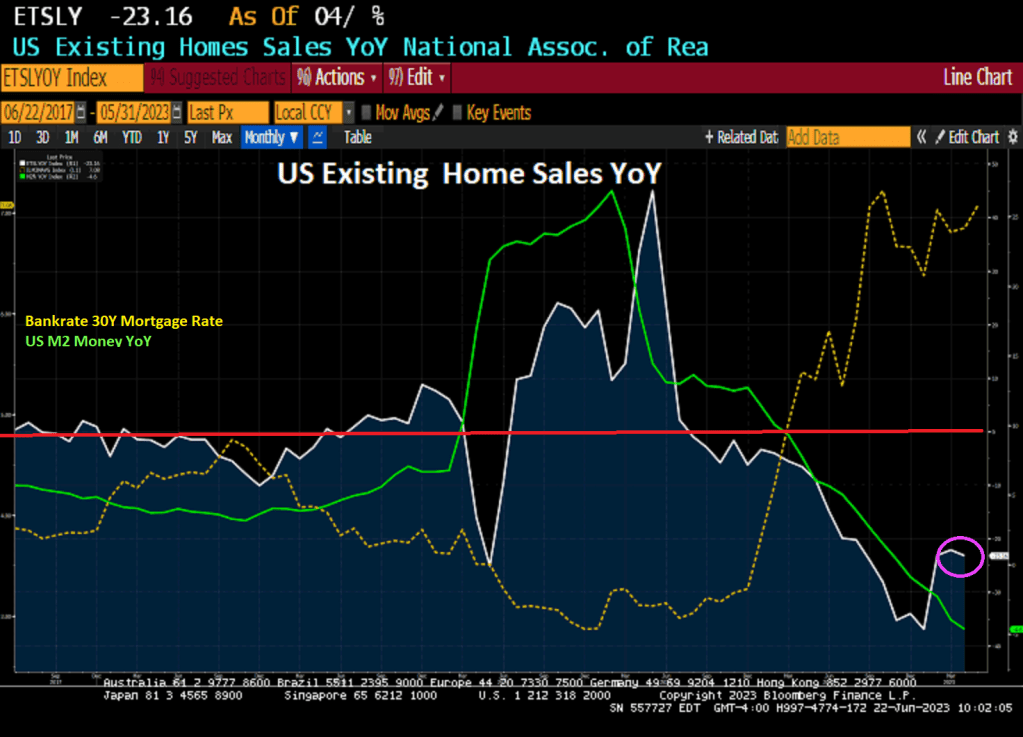
Like a bad good news, bad news joke, the good news is that US existing home sales ROSE 0.2% in May. The bad news? Existing home sales are DOWN -23.16% on a year-over-year basis.
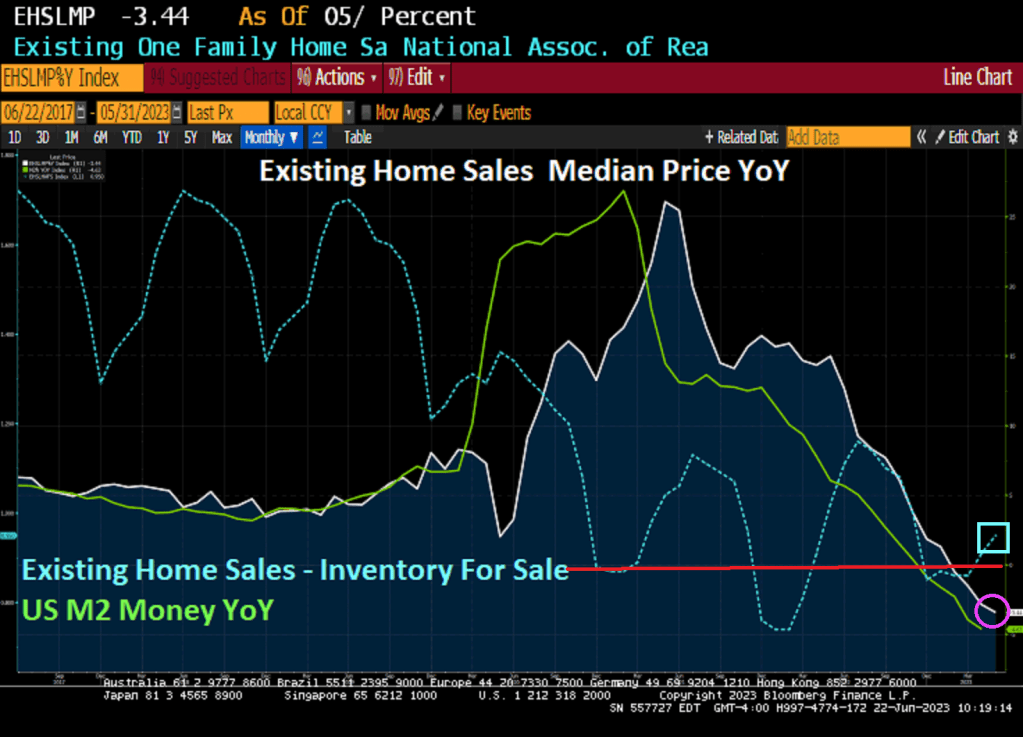
And the median price of existing home sales fell -3.44% YoY as inventory for sales remains missing in action (like Biden debating Democrat challengers).
Expect a hawkish Fed Chairman Jerome Powell to double down on the Fed’s commitment to vanquish inflation at his semiannual testimony before Congress on June 21-22. While the immediate audience will be lawmakers, the message will be aimed at markets, which remain unconvinced the Fed will hike by another 50 basis points, as indicated in the dot plot from the June FOMC meeting. Powell may raise his hawkish tone to push back against such views.
Even as Powell is putting on a hawkish performance, confirmation hearings for World Bank Executive Director Adriana Kugler — as well as to extend Fed Governor Lisa Cook’s term — could reinforce the dovish faction on the Fed, somewhat diluting Powell’s message.
What we expect at the June 21-22 hearings:
The updated dot plot from the June FOMC meeting shows a majority of FOMC participants anticipate at least 50 bps more of rate hikes this year. Markets aren’t convinced – as of the time of writing, futures point to a 74% chance of rate hike in July and only a 10% chance of an additional rate hike in 2023.
Powell’s main task at the testimony will be to convince markets that officials stand behind the dot plot and anticipate multiple hikes.
Powell will likely be asked why the FOMC didn’t hike in June if inflation remains a threat. He’ll say that 500 bps of hikes to date allow the central bank to moderate its pace while gauging economic conditions, and will appeal to the Fed’s dual mandate as warranting a cautious approach. That will be music to the ears of Democrat lawmakers.
Powell said a decision on whether to hike at the July FOMC meeting will be “live.” We take that to mean the bar not to hike will be high, but it’s not a done deal. Powell will likely clarify that comment at his testimony.
The published semiannual monetary policy report offers a preview of how Powell will make the hawkish case:
While the labor market is still “very tight,” it has been softening gradually — and by some measures, labor-market tightness has eased “more substantially over the past year.”
Some outside studies are arguing that wages did not contribute to or lead inflation, but the monetary-policy report notes that “prospects for slowing inflation may depend in part on a further easing of tight labor-market conditions.” Thus, the Fed still stands by the conventional economic wisdom that the Phillips Curve is well and alive – and that a tradeoff exists between inflation and the unemployment rate.
Powell will probably reiterate that low inflation is a necessary condition for achieving the Fed’s mandate, as he has many times before: “Restoring price stability is essential to set the stage for achieving maximum employment and stable prices over the longer run.”
Our view is that if inflation remains as high as the FOMC projects, it would be appropriate for the Fed to hike by at least 50 bps more. But the latest batch of indicators show some encouraging progress on goods and housing disinflation; as a result, our baseline is for inflation to fall short of the median FOMC participant’s forecast.
The Senate Banking Committee hearing on the nominations of Cook, Kugler and Vice Chair Philip Jefferson will likely be less eventful. During this period of high inflation, nominees will need to lean more hawkish in their public statements than they otherwise would.
Nevertheless, if the full slate of nominees is confirmed, it will add one more dove to the board of governors, heightening discord on the FOMC.
Jefferson’s nomination to the vice-chair post vacated by Lael Brainard won’t affect policy direction, as he’s already serving on the board. He previously was confirmed by a vote of 91-7, and we expect his confirmation as vice chair to be similarly easy.
Though we have yet to hear much from Kugler on her monetary-policy outlook, her research focus on labor markets creates a likely bias toward the maximum-employment element of the Fed’s dual mandate.
In addition to Jefferson and Kugler’s nominations, Cook — whose term is slated to end in January 2024 — would see her governorship extended for the full 14-year term. If confirmed, it would keep her dovish voice on the FOMC longer than before.
Cook, who is perceived as more dovish and more political than the other nominees — she’s a former adviser to the Biden transition team – saw her previous nomination barely confirmed 51-50, with Vice President Kamala Harris casting the tie-breaking vote. It’s unclear if she’ll have enough support this time to clear the confirmation hurdle.
Bottom line: The hearings present an opportunity for Powell to bring market pricing in line with what has been put forth in the FOMC’s Summary of Economic Projections. We are doubtful that he will succeed.
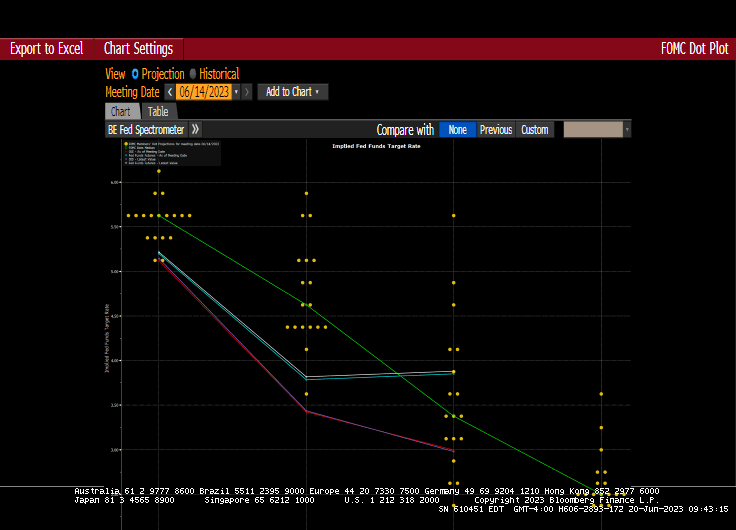
The most recent Fed dots plot suggests rate declines in future years.
Cryptos are up this morning.
Commodities are down this AM.
So, like in the film Blue Velvet, we have the choice between Michelob or Pabst Blue Ribbon. Powell is choosing …. PBR!!
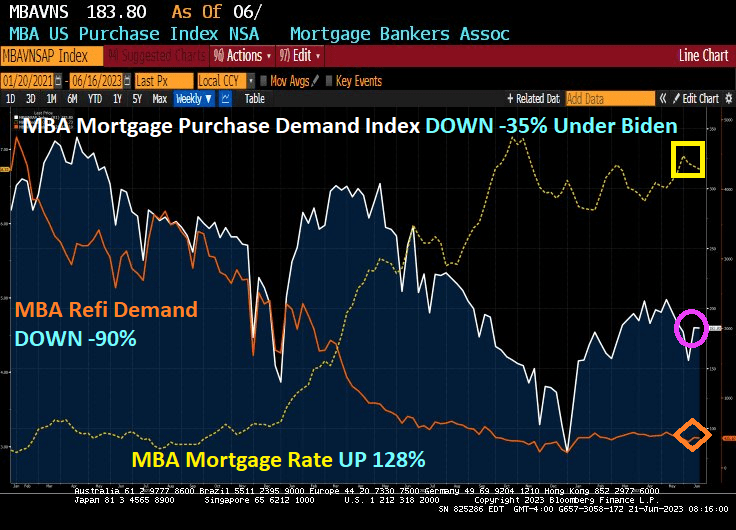
The good news? Mortgage purchase demand fell only -0.05% from last week. The bad news? Mortgage purchase demand is down -35% since Resident Biden was sworn in. And mortgage refinancing demand is down a whopping -90%. Reason? Mortgage rates are up 128% under Clueless Joe.
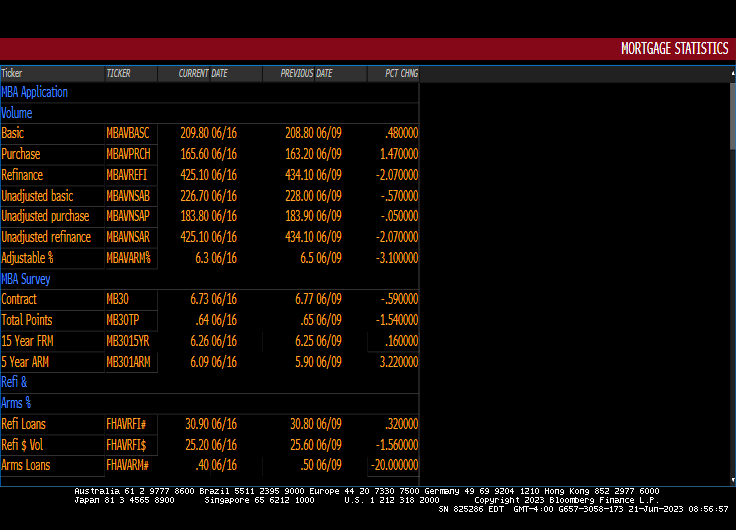
Mortgage applications increased 0.5 percent from one week earlier, according to data from the Mortgage Bankers Association’s (MBA) Weekly Mortgage Applications Survey for the week ending June 16, 2023.
The Market Composite Index, a measure of mortgage loan application volume, increased 0.5 percent on a seasonally adjusted basis from one week earlier. On an unadjusted basis, the Index decreased 1 percent compared with the previous week. The Refinance Index decreased 2 percent from the previous week and was 40 percent lower than the same week one year ago. The seasonally adjusted Purchase Index increased 2 percent from one week earlier. The unadjusted Purchase Index decreased 0.1 percent compared with the previous week and was 32 percent lower than the same week one year ago.
And as Paul Harvey used to say, here is the rest of the story.
And the renter’s misery index, CPI for owner’s equivalent rent YoY + U-3 unemployment rate, is now a staggering 11.75% verus 6.78% in February 2020, the last month before the Chinese Wuhan virus led to economic and school shutdowns. And we have Donald Trump as President instead of this corrupt clown.
What is the difference between baseball legend Shoeless Joe Jackson and Clueless Joe Biden? While both sold out their teams for personal wealth, at least Shoeless Joe was good at baseball. Clueless Joe is a corrupt bully. Shoeless Joe was allegedly stupid, but so is Clueless Joe.
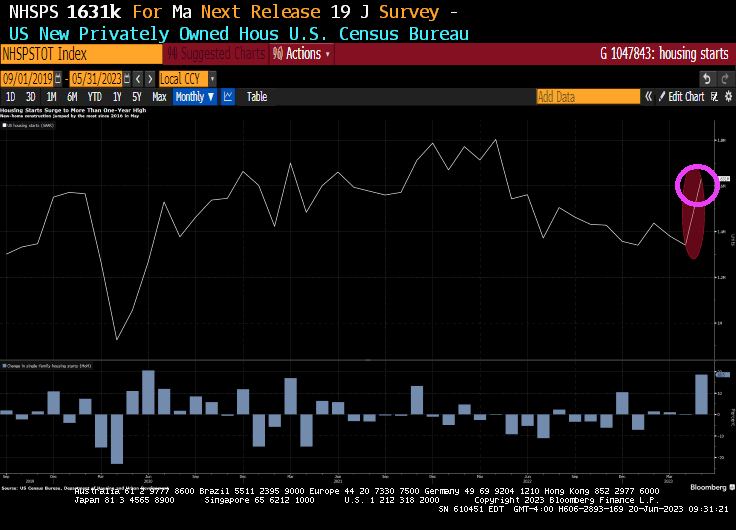
Well, not really unexpected since the housing sentiment index for home builders was above 50 yesterday. But with The Fed pausing rate hikes, housing starts are soaring!
US housing starts unexpectedly surged in May by the most since 2016 and applications to build increased, suggesting residential construction is on track to help fuel economic growth.
Beginning home construction jumped 21.7% to a 1.63 million annualized rate, the fastest pace in more than a year, according to government data released Tuesday. The pace exceeded all projections in a Bloomberg survey of economists. Single-family homebuilding rose 18.5% to an 11-month high.
Applications to build, a proxy for future construction, climbed 5.2% to an annualized rate of 1.49 million units. Permits for one-family dwellings increased.
Metric
Actual
Est.
Housing starts (SAAR)
1.63 mln
1.4 mln
One-family home starts (SAAR)
997,000
na
Building permits (SAAR)
1.49 mln
1.425 mln
One-family home permits (SAAR)
897,000
na
The figures corroborate Federal Reserve Chair Jerome Powell’s comments last week that the housing market has shown signs of stabilizing. Homebuilders, which are responding to limited inventory in the resale market, have grown more upbeat as demand firms, materials costs retreat and supply-chain pressures ease.
The housing starts data will feed into economists’ estimates of home construction’s impact on second-quarter gross domestic product. Prior to the report, the Atlanta Fed’s GDPNow forecast had residential investment subtracting about 0.1 percentage point from gross domestic product. Homebuilding last contributed to growth in the first quarter of 2021.
At the same time, elevated mortgage rates are crimping affordability, suggesting limited momentum in housing demand.
The increase in starts from a month earlier was the biggest since October 2016 and reflected gains in three of four US regions. Starts of apartment buildings and other multifamily projects jumped more than 27%.
The number of homes completed increased to a 1.52 million annualized rate. The level of one-family properties under construction were little changed at 695,000.
Existing-home sales data for May will be released on Thursday, while a report on new-home purchases is due next week.
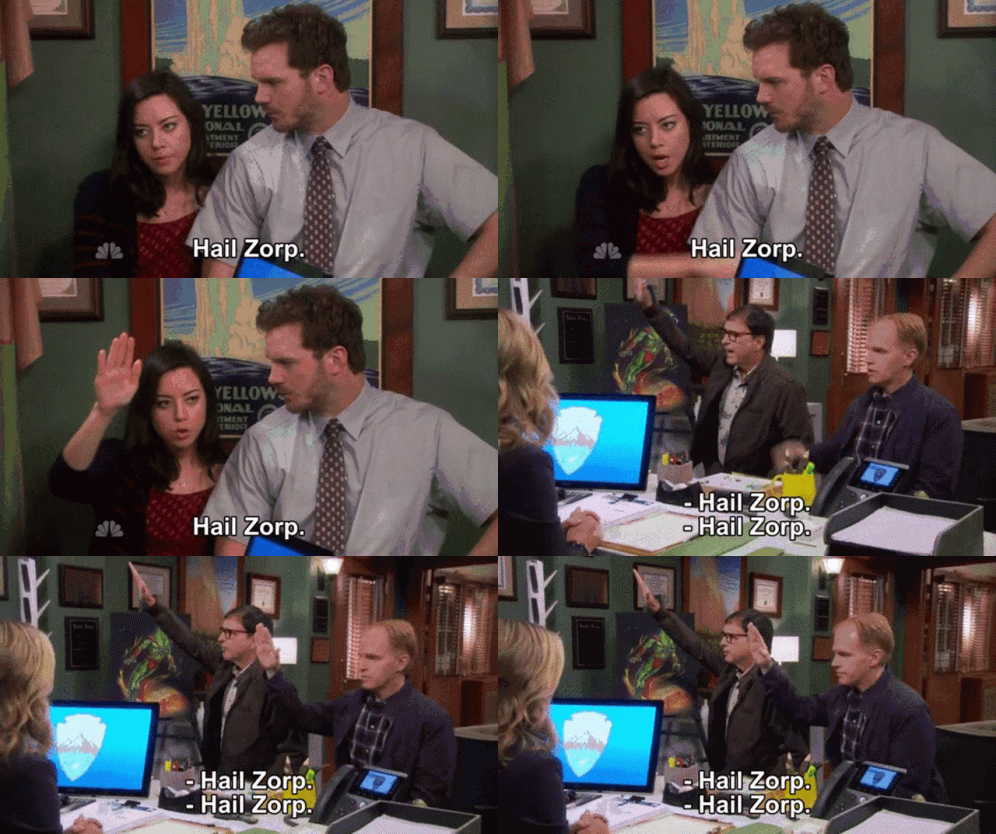
Now only has The Fed paused, but the most recent Fed Dots Plot reveals that Fed open market committee (FOMC) members see The Fed slashing rates over the coming years. Just in time for creepy, demented Grandpa Joe to be reelected as President. In other words, the return of ZORP (zero outrageous rate policy).
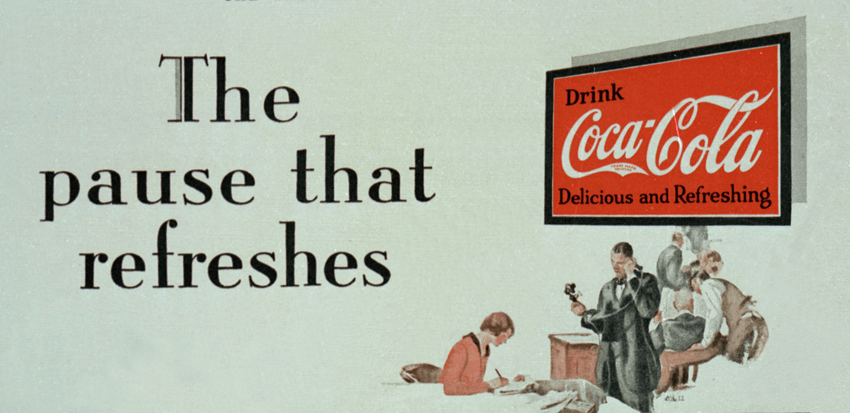
Maybe The Fed should adopt the Coca Cola slogan “The Pause That Refreshes!”













 Confounded Interest - Anthony B. Sanders

You must be logged in to post a comment.