New home sales rose 1.11% since January and is down -19% since last February (YoY).

The median price of new home sales is down a whopping -8.18% since December 2022. And average price is down -12.83%.

Confounded Interest – Anthony B. Sanders
Financial Markets And Real Estate
New home sales rose 1.11% since January and is down -19% since last February (YoY).
The median price of new home sales is down a whopping -8.18% since December 2022. And average price is down -12.83%.
Like the old EF Hutton ads, when Treasury Secretary Janet “Too Low For Too Long” Yellen speaks, people listens. Particularly when she reverses course after bailing out he Silicon Valley/Big Tech buddies by guaranteeing deposits. Then in a US Senate hearing AFTER Fed Chair Powell tried to calm markets, Treasury Secretary Janet Yellen told Senators yesterday that ‘Blanket insurance’ of bank deposits is not being discussed. Look out below!
So why did the Biden Administration and Janet Yellen bail out Silicon Valley Bank (SVB), regulated by San Francisco Federal Reserve (run by Mary Daly)? And then tell the US Senate “That’s it!”??
Where was Mary Daly when SVB increased loans to INSIDERS before its collapse? And will Daly/Yellen actually punish the CEO of SVB who jetted off to Maui after the collapse rather
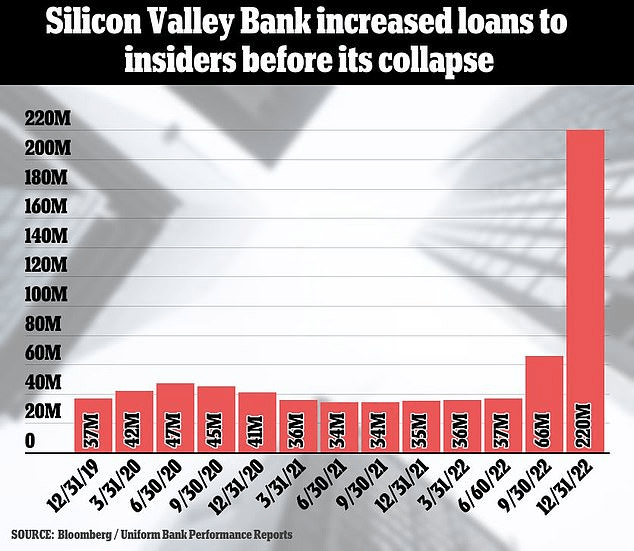
Perhaps SF Fed’s Mary Daly should be prosecuted for negligence. Or thinking that SVB is unreserved.

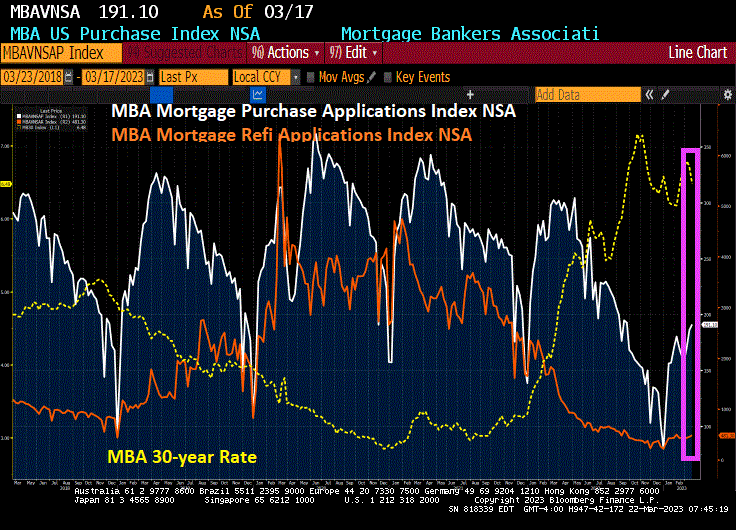
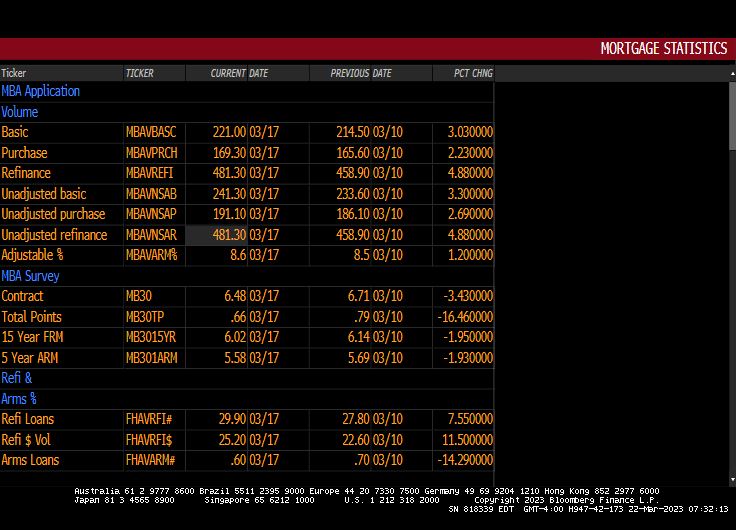
The deposit runs and Federal bailout at Silicon Valley Bank and Signature Bank has a positive silver lining: mortgage rates dropped -3.43% from the previous week. As such, we got an increase in mortgage demand.
Mortgage applications increased 3.0 percent from one week earlier, according to data from the Mortgage Bankers Association’s (MBA) Weekly Mortgage Applications Survey for the week ending March 17, 2023.
The Market Composite Index, a measure of mortgage loan application volume, increased 3.0 percent on a seasonally adjusted basis from one week earlier. On an unadjusted basis, the Index increased 3 percent compared with the previous week. The Refinance Index increased 5 percent from the previous week and was 68 percent lower than the same week one year ago. The seasonally adjusted Purchase Index increased 2 percent from one week earlier. The unadjusted Purchase Index increased 3 percent compared with the previous week and was 36 percent lower than the same week one year ago.
The rest of the story.
How I will feel if The Fed raises rates today more than 25 basis points. Or if Treasury Secretary Janet Yellen gets on TV lecturing us again.

I feel like I am watching the Star Trek original series episode “The Doomsday Machine” as former Fed Chair and current US Treasury Secretary effectively just guaranteed ALL US bank deposits. Aka, a massive bank bailout. The episode was about a robot space vehicle that destroy planets … and anything in its path. And if it changed course to destroy something, it gradually returned to its original destructive path. Like The Federal Reseve.
But after a few days of declining Treasury yields because of the mess created by Bernanke/Yellen’s too low for too long policies, and the Biden/Congress insane spending, the US Treasury 2-year yield is up 16.1 basis points.

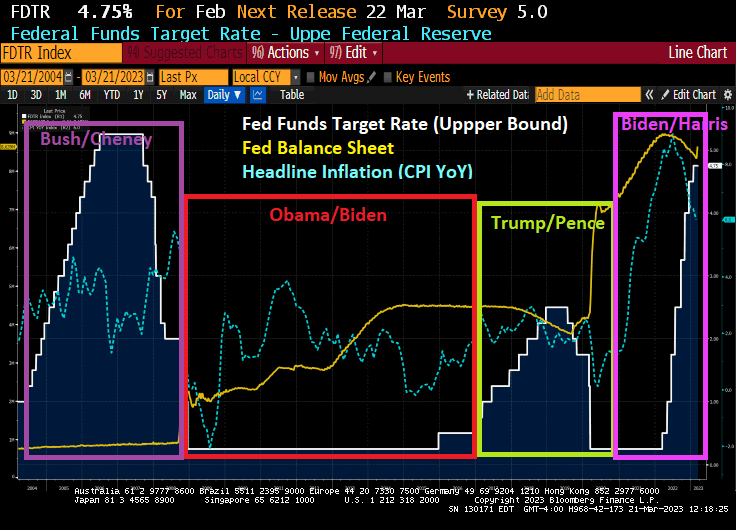
Whether it was politcally motivated to protect Obama/Biden or Obama/Biden’s economic recovery was terrible, The Fed only raised their target rate once before Trump’s election. And then Yellen raised rates like crazy. Only to hand her mess off to Powell who had to drop rates like a rock and massively expand the balance sheet … again … to fight Covid.
The Federal Reserve from a car on Constitution Avenue in Washington DC.

I have good news bad news for you.
The good news? US existing home sales SOARED in February. Up 14.5% MoM in February to 4.58 million units SAAR sold.
The bad news? On a year-over-year basis, existing home sales plunged -22.64%.
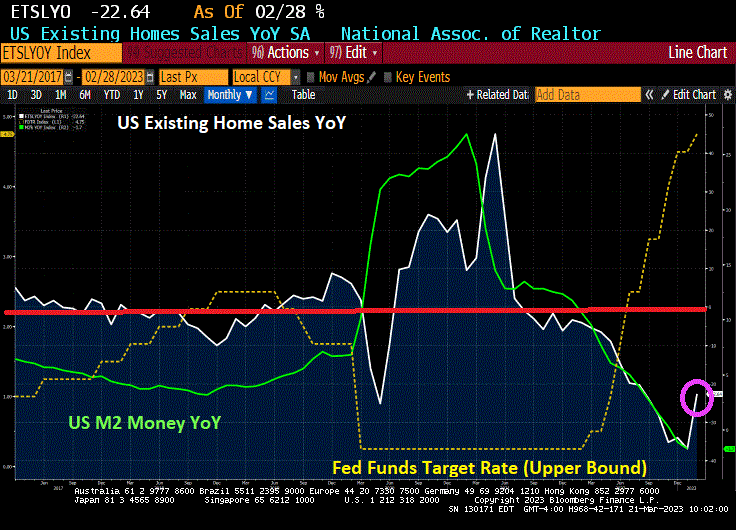
And the median price of existing home sales declined slightly to -0.2% YoY.


Dr. Jill Biden gets a professional clothing designer to rate her wardrobe.
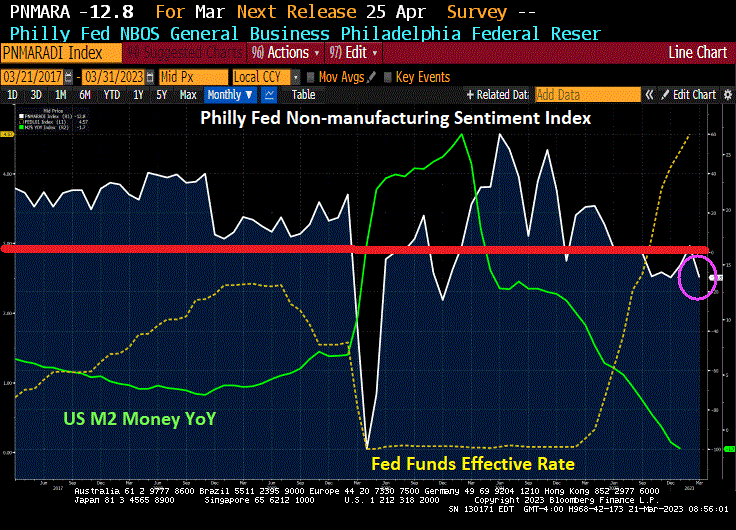
It’s not always sunny in Philadelphia.
The Philly Fed non-manufacturing sentiment index just tanked to -12.8 as The Federal Reserve removes its Covid-related stimulus.
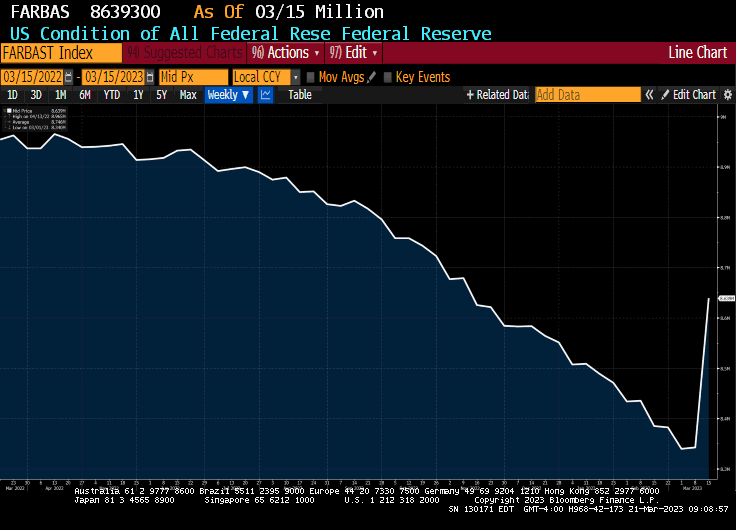
The banking fiasco (SVB, Signature, etc.) has caused The Fed’s balance sheet to expand … again.
And Fed Funds Futures are pricing in a meager 20 basis points increase at tomorrow’s FOMC meeting (some betting on no change, some betting on 25 basis points). Then another rate hike at the May FOMC meeting, then all downhill from there.

Call this the Powell retreat.
Its no mystery to me that San Francisco’s First Republic Bank is hurting. Senator Elizabeth Warren (D-MA) is calling for hearings into the banking meltdown. Hey Liz, look at San Francisco’s First Republic Bank as a case study.
The infamous Covid surge in M2 Money supply (green line) produced a big surge in bank price stocks, thanks in part to the insane spending that Congress made following Covid (I’m looking at you, Liz!). But now The Fed is slowing M2 Money growth and banks like First Republic are paying the price.

As The Fed tightens, earnings per share for First Republic (red line) have crashed and burned. Along with its stock price.

So, its not mystery to me what happened. Bernanke and Yellen’s “too low for too long” monetary policies were suddenly taken away to fight inflation (partially caused by Biden and Congress’ spending spree).
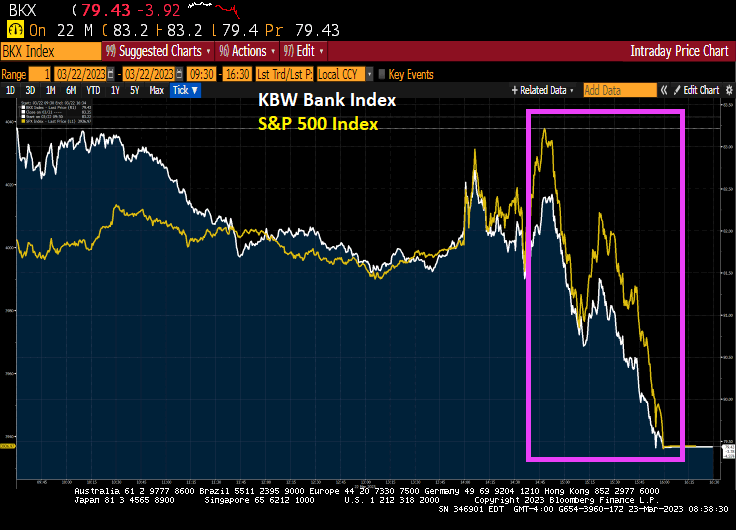
Since The Fed has been removing the punch bowl to fight inflation, the S&P 500 index and the KBW bank index have gotten crush. Since February 2nd, the S&P 500 index is down -6.3% while the KBW Bank index is down -31.4%.
In short, banks take in short-term deposits and lend long, earning the spread. But when rates start to rise, watch out!!
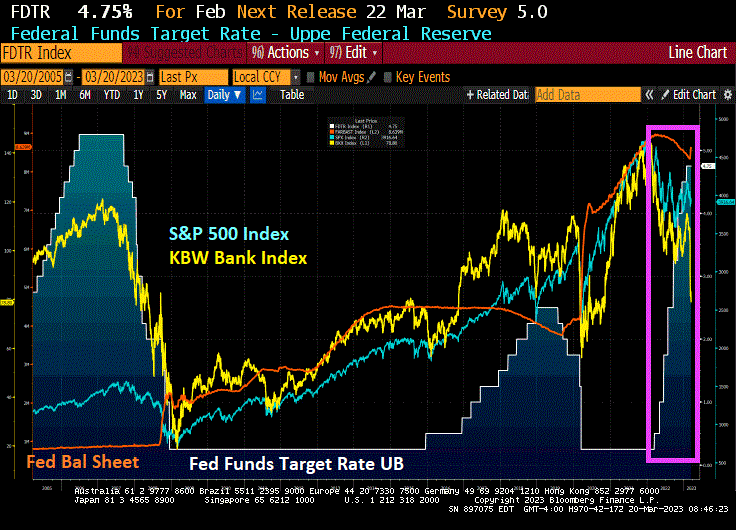

Its the start of a new week after the closure of several US banks (SVP, Signature) and the failure of Credit Suisse. But swaps spreads have calmed down a bit and are no where near the credit crisis highs of late 2008. Or the plain vanilla swap between fixed and variable contracts (white line) has simmered down a bit. BUT was never as high as it was during the financial crisis. Panic by The Fed and FDIC much?
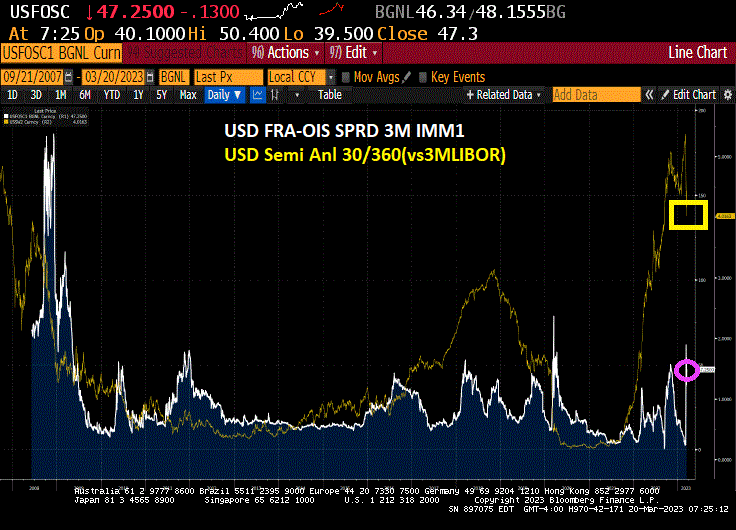
And the 2-year Treasury yield dropped -10 basis points … again.

… and at exactly 5pm the Fed announced “coordinated central bank action to enhance the provision of U.S. dollar liquidity” by opening daily Dollar Swap lines with all major central banks, in a carbon copy repeat of the Fed’s panicked post-covid crisis policy response playbook.
The Bank of Canada, the Bank of England, the Bank of Japan, the European Central Bank, the Federal Reserve, and the Swiss National Bank are today announcing a coordinated action to enhance the provision of liquidity via the standing U.S. dollar liquidity swap line arrangements.
To improve the swap lines’ effectiveness in providing U.S. dollar funding, the central banks currently offering U.S. dollar operations have agreed to increase the frequency of 7-day maturity operations from weekly to daily. These daily operations will commence on Monday, March 20, 2023, and will continue at least through the end of April.
The network of swap lines among these central banks is a set of available standing facilities and serve as an important liquidity backstop to ease strains in global funding markets, thereby helping to mitigate the effects of such strains on the supply of credit to households and businesses.
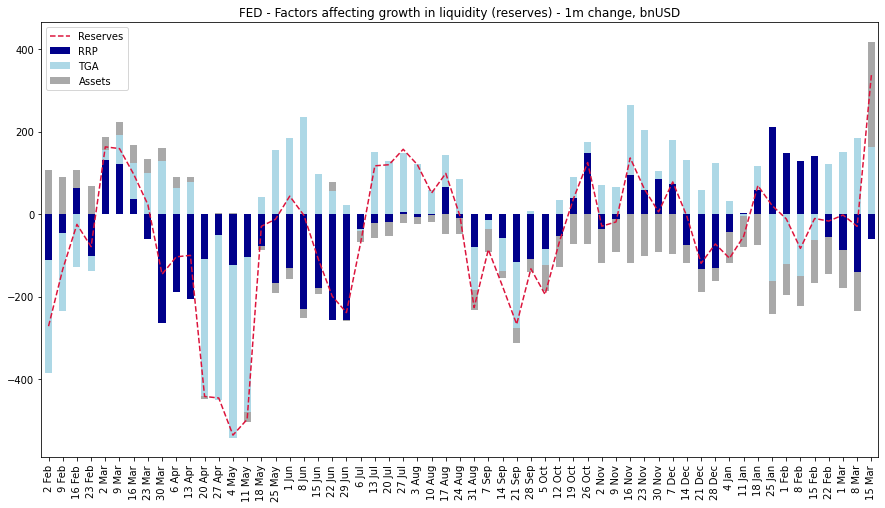
And once the USD swap lines are reopened, the rest of the cavalry follows: rate cuts, QE (the real stuff, not that Discount Window nonsense), etc, etc. In fact, we have already seen a near record surge in reserve injections:
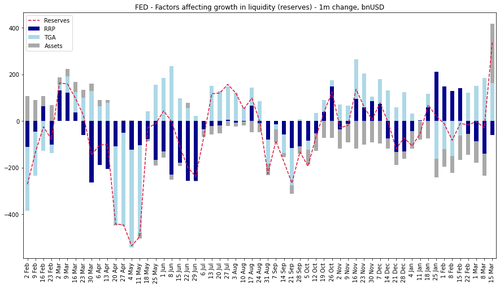
The Fed may as well formalize it now and at least preserve some confidence in the banking sector, even if it means destroying all confidence left in the “inflation fighting” Fed, with all those whose were in charge handing in their resignation for their catastrophic handling of this bank crisis.
The bank bailout express!
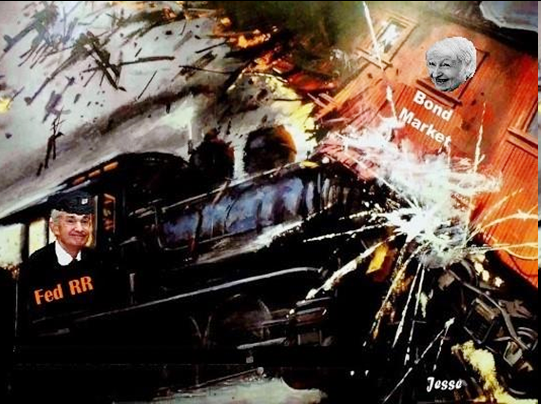
Its Gov’t Gone Wild! Insane spending budget by “Sloppy Joe” Biden, Yellen asking Warren Buffet for banking advice (seriously??), a war in Ukraine that America doesn’t seem to actually want to win, etc. But its the banking system where banks are getting crushed by rising inflation and interest rates (but failed to hedge). Sigh.
As I always told my investments and fixe-income students at University of Chicago, Ohio State University and George Mason University, a 10 basis point change in the 2-year and 10-year US Treasury yield is a big deal. This morning, the US Treasury 2-year yield fell -32 basis points while the 10-year Treasury yield fell -14.8 basis points.
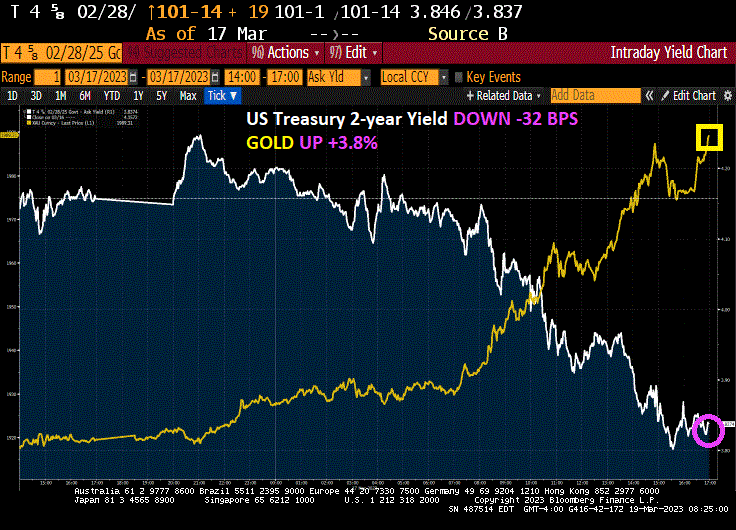
At the same time, gold 3.8% and silver rose 4.7% on banking fears.
While it shouldn’t pass the House vote (but you never know in Mordor on The Potomac), Sloppy Joe’s budget proposal is a joke.
And then we have Sloppy Joe and Statist Janet Yellen meeting with mega donor Warren Buffet for advice on dealing with the banking crisis … made by Biden’s energy policy and insane Covid spending by the Administration. And, of course, The Fed’s “too low for too long” monetary policy. What is 92-year old Warren Buffet going to say?
Meanwhile, Fed Funds Futures are pointing to one more rate hike then a series of rate cuts down to 3.737 by January 2024.

Gold and silver are where its at!
This should be Joe Biden’s campaign slogan if he actually decides to run for reelection in 2024.

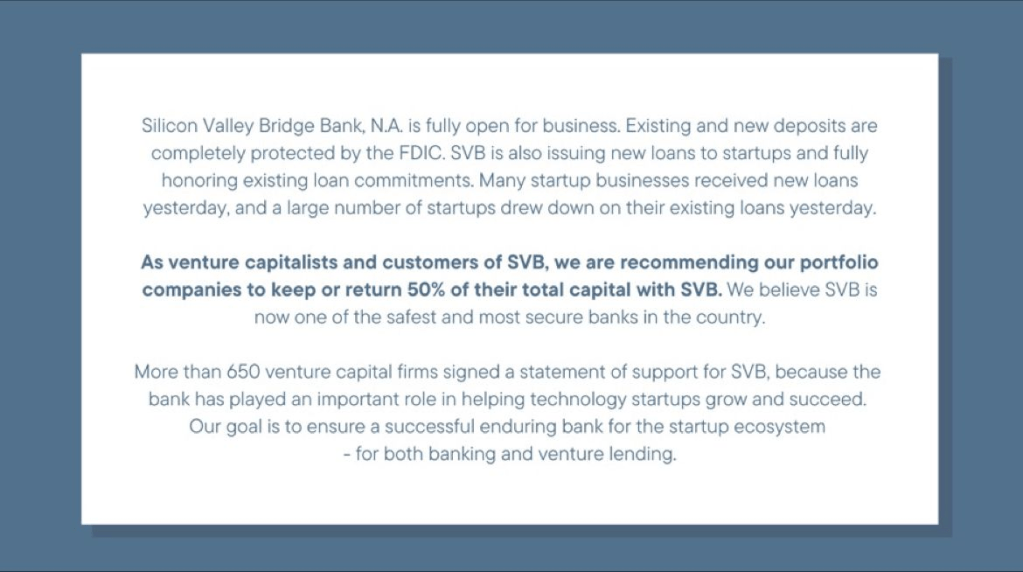
Despite endless promises from Washington DC that there would never be another bank bailout, the Biden Administration bailed out Silicon Valley Bank (SVB) by removing the $250,000 cap on deposit insurance. Then Treasury Secretary Janet Yellen added that in the future, only banks that posed SYSTEMIC RISK to the economy will be bailed out. Translation: only the big four Too Big To Fail (TBTF) banks will be bailed out. Meaning that the Biden Administration prefers big banks to community banks. “Middle-class Joe” loves BIG Pharma, BIG defense, BIG tech, BIG media and now BIG banks. He should rename himself “Big Joe” Biden for the 2024 Presidential election.
Of course, we are aware of The Fed’s about face on shrinking their balance sheet (green line). While Bankrate’s 30-year mortgage rate has now declined below 7% to 6.97%, it has only fallen -15 basis points since the recent peak of 7.12% on 3/2/2023 when the 10-year Treasury yield was 4.056%. So, the 10-year Treasury yield has fallen -62.7 basis points since 3/2/2023 while the 30-year mortgage rate dropped only -15 basis points.

On the European banking front, Credit Suisse is kaput and both Swiss Bank and Deutsche Bank are considering buying the assets of Credit Suisse. In other words, MORE bank consolidation.
Here is a chart of US bank consideration as of 2009 with 37 banks in 1990 shriveling to 4 mega, TBTF banks in 2009 that remain today. But will the now unprotected community and local banks be absorbed into the 4 superbanks? Time will tell, but if history is repeated, the answer is yes.

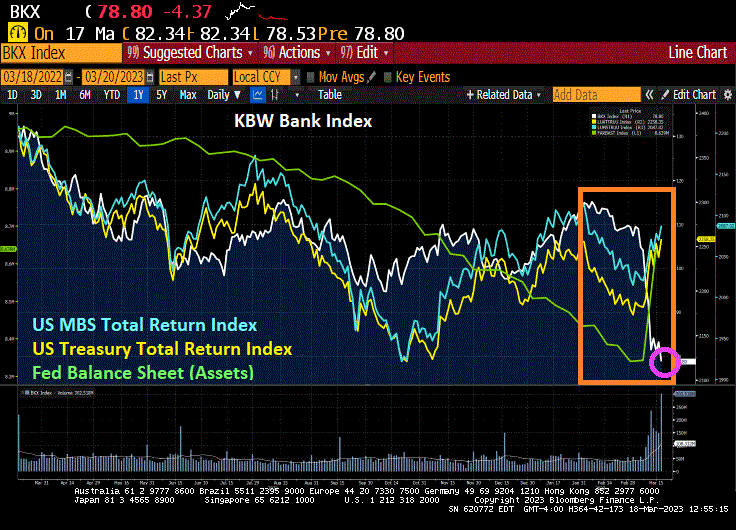
The KBW bank index continued to fall despite the bailouts of SVB and Signature Banks. But at least total returns on Treasuries and MBS that banks hold increased with the return of QE!
Yellen and Biden compete for the Knucklehead Of The Century Award. While not as sloppy as the sudden Afghanistan withdrawal, bailing out the Silicon Valley elites will not end well.

 Confounded Interest - Anthony B. Sanders
You must be logged in to post a comment.