On a amusing or sad note, Biden campaign communications director Michael Tyler’s message to Americans who are worse off economically under Biden: “That’s precisely why we need another four years to finish the job.” OMG! What does “finish the job” mean?? I am afraid to ask.
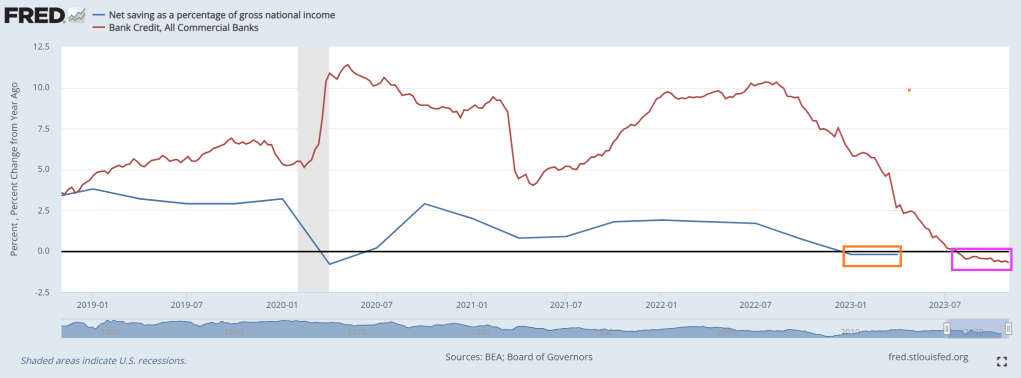
Where we currently sit is … bank credit growth is in the red (15th straight week of negative growth) and net savings as a percentage of gross national income has seen negative growth YoY for 2 consequtive quarters.
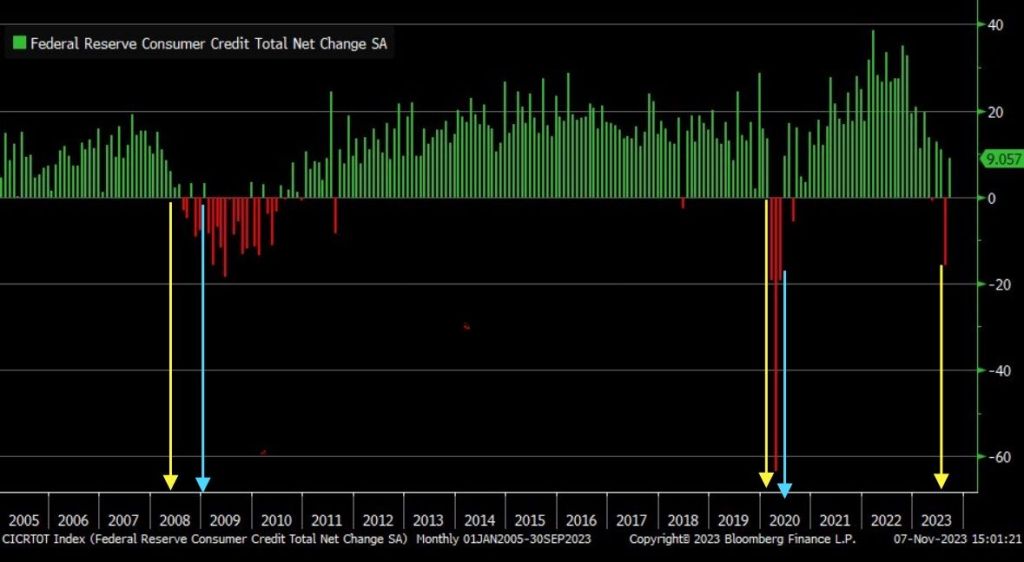
September marked the largest consumer credit drop since May 2020, signaling a significant recession warning.
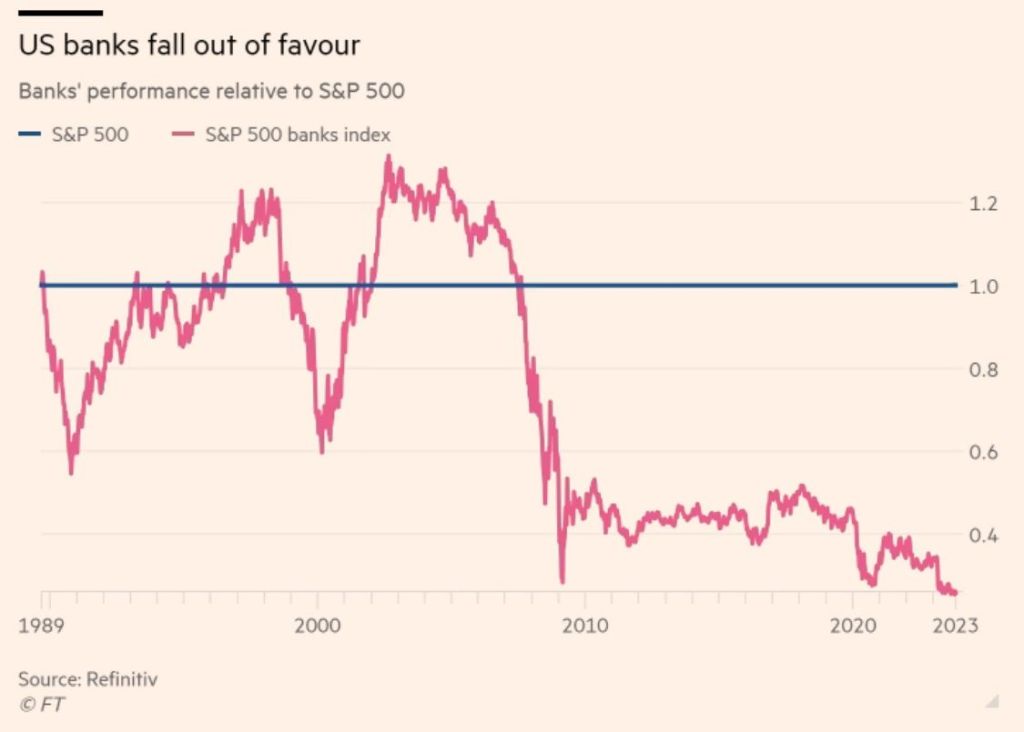
And with Bidenflation (or Yellenflation) and The Fed’s counterattack, we are seeing bank stocks losing relative to the tech sector.
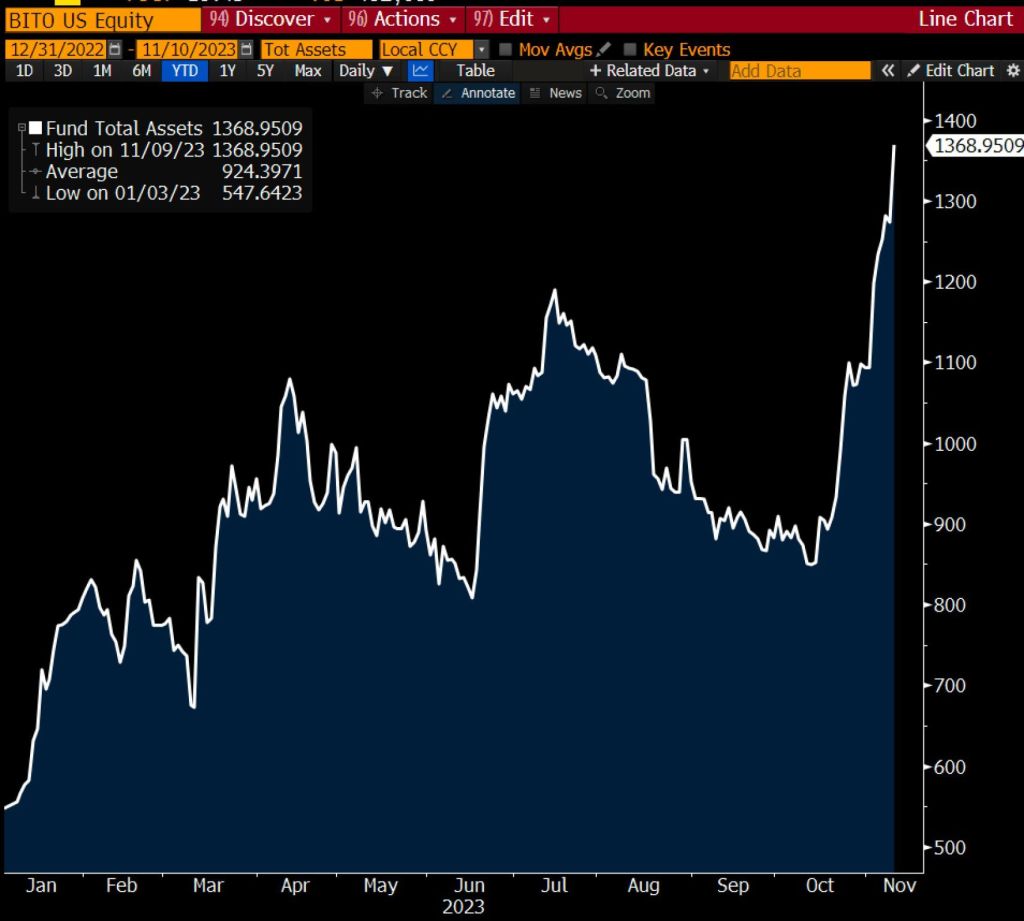
Proshares Bitcoin (BITO)’s assets have nearly doubled in the past 30 days.
Yes, the Three Stooges (Biden, Yellen, Powell) have put the US on a highway to hell!
Conforming mortgage rates have actually dropped -34 basis points since hitting a local high of 7.81% on October 19, 2023. Unfortunately, mortgage rates are still up 169% under Biden and his signature Bidenomics. Even worse, home prices are up 33% under Bidenomics making housing even more unaffordable.
While real weekly earnings growth finally turned positive in 2023, growth is already slowing again as The Fed’s balance sheet slowly declines.
The primary reason for Moody’s downgrade of US credit? The absolutely insane ramp-up of Federal spending starting with the Covid outbreak in early 2020. And the subsequent economic shutdowns and the closure of public schools. But even as Covid faded to diminished status, Bidem demanded an increase in Federal spending. Well, Biden’s war (Ukraine) which looks like spending in perpetutity.
Of course, Biden/Congress love to spend money, but raising personal taxes to pay for it is political suicide. A private sector firm would cut spending to balance its budget, government simply doubles down on spending. Never let a crisis go to waste!
And The Federal deficit keeps on growing under Biden/Yellen’s economic reign of error.
After a disastrous 30Y bond auction this week, a collapse in Treasury market liquidity, and an accelerating rise in the market’s perception of the United States’ credit risk, Moody’s has just cut its outlook on US credit ratings to negative from stable.
Source: Bloomberg
The key driver of the outlook change to negative is Moody’s assessment that the downside risks to the US’ fiscal strength have increased and may no longer be fully offset by the sovereign’s unique credit strengths.
In the context of higher interest rates, without effective fiscal policy measures to reduce government spending or increase revenues, Moody’s expects that the US’ fiscal deficits will remain very large, significantly weakening debt affordability.
Continued political polarization within US Congress raises the risk that successive governments will not be able to reach consensus on a fiscal plan to slow the decline in debt affordability.
Moody’s does affirm the Aaa rating:
The affirmation of the Aaa ratings reflects Moody’s view that the US’ formidable credit strengths continue to preserve the sovereign’s credit profile.
First, Moody’s expects the US to retain its exceptional economic strength. Further positive growth surprises over the medium term could at least slow the deterioration in debt affordability.
Second, the US’ institutional and governance strength is also very high, supported in particular by monetary and macroeconomic policy effectiveness. While the adjustment of the US economy and financial sector to higher-for-longer interest rates is underway, policymakers have facilitated the transition through transparent and effective policy.
Finally, the unique and central roles of the US dollar and Treasury bond market in the global financial system provide extraordinary funding capacity and significantly reduce the risk of a sudden spiraling of funding costs, which is particularly relevant in the context of high debt levels and weakening debt affordability.
The US’ long-term local- and foreign-currency country ceilings remain unchanged at Aaa. The Aaa local-currency ceiling reflects a small government footprint in the economy, relatively predictable and reliable institutions, very low external imbalances and moderate political risks, all of which reduce the risks posed to non-government issuers by government actions or shocks that would commonly affect the government and the private sector. The foreign-currency ceiling at Aaa reflects the country’s strong policy effectiveness and open capital account which reduce transfer and convertibility risks to minimal levels.
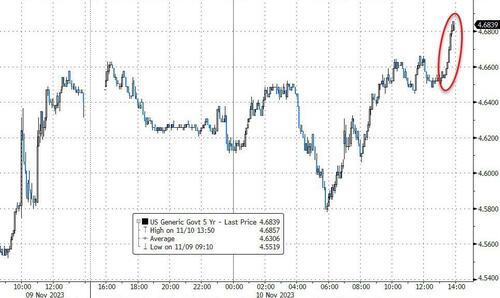
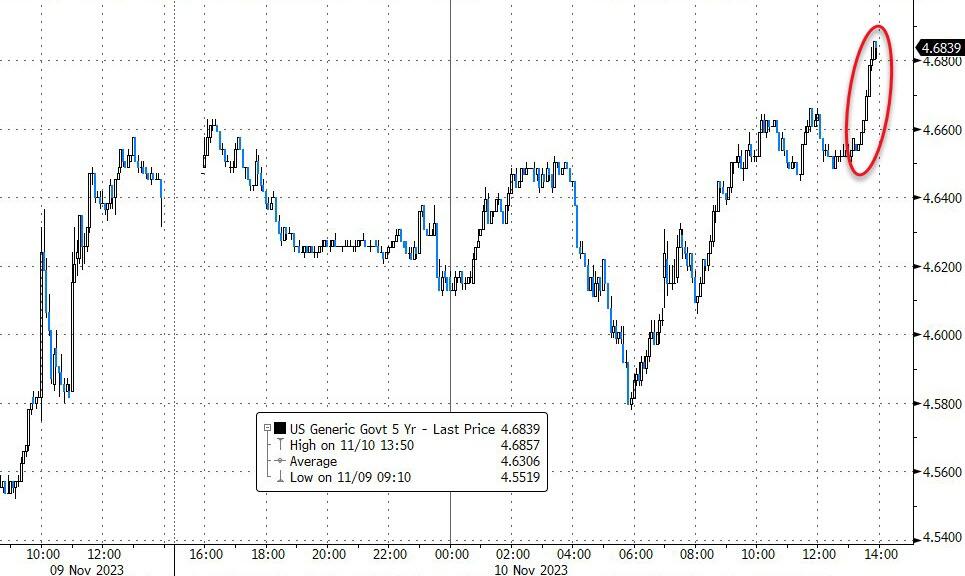
The market – late on a Friday – pushed yields on the 2Y and 5Y Treasyr notes to fresh new highs for the day…
Full Rationale:
ABSENT POLICY ACTION, FISCAL STRENGTH WILL DECLINE
The sharp rise in US Treasury bond yields this year has increased pre-existing pressure on US debt affordability. In the absence of policy action, Moody’s expects the US’ debt affordability to decline further, steadily and significantly, to very weak levels compared to other highly-rated sovereigns, which may offset the sovereign’s credit strengths.
Past increases in interest rates by the Federal Reserve will continue to drive the US government’s interest bill higher over the next few years. Meanwhile, although the government’s revenue base will rise in line with the economy as a whole, in the absence of specific policy action, this will occur at a much slower pace than the rise in interest payments. Moody’s expects federal interest payments relative to revenue and GDP to rise to around 26% and 4.5% by 2033, respectively, from 9.7% and 1.9% in 2022. These projections factor in Moody’s expectation of higher-for-longer interest rates, with the average annual 10-year Treasury yield peaking at around 4.5% in 2024 and ultimately settling at around 4% over the medium term. The debt affordability forecasts also take into account Moody’s expectations that, absent significant policy changes, the federal government will continue to run wide fiscal deficits of around 6% of GDP near term and to around 8% by 2033, the widening being driven by higher interest payments and aging-related entitlement spending.
By comparison, deficits averaged around 3.5% of GDP from 2015-2019. Such deficits will raise the US federal government’s debt burden to around 120% of GDP by 2033 from 96% in 2022. In turn, a higher debt burden will inflate the interest bill.
For a reserve currency country like the US, debt affordability – more than the debt burden – determines fiscal strength. As a result, in the absence of measures that limit the size of fiscal deficits, fiscal strength will increasingly weigh on the US’ credit profile.
FISCAL RISKS ARE EXACERBATED BY ENTRENCHED POLITICAL POLARIZATION UNDERSCORING RISING POLITICAL RISK
At a time of weakening fiscal strength, there is an increased risk that political divisions could further constrain the effectiveness of policymaking by preventing policy action that would slow the deterioration in debt affordability. These risks underscore rising political risk to the US’ fiscal position and overall sovereign credit profile.
Recently, multiple events have illustrated the depth of political divisions in the US: renewed debt limit brinkmanship, the first ouster of a House Speaker in US history, prolonged inability of Congress to select a new House Speaker, and increased threats of another partial government shutdown due to Congress’ inability to agree on budgetary appropriations. In Moody’s view, such political polarization is likely to continue. As a result, building political consensus around a comprehensive, credible multi-year plan to arrest and reverse widening fiscal deficits through measures that would increase government revenue or reform entitlement spending appears extremely difficult.
While the US’ Aaa rating takes into account relative weaknesses with regards to the quality of the country’s legislative and executive institutions and fiscal policy effectiveness compared to other Aaa-rated sovereigns, there is a risk that these weaknesses take greater credit relevance because the deteriorating debt affordability trend would call for a more significant and effective fiscal policy response.
In particular, the US’ lack of an institutional focus on medium-term fiscal planning, either through legislated fiscal rules aimed at improving the fiscal balance or general bipartisan consensus on the need for fiscal consolidation, is fundamentally different from what is seen in most other Aaa-rated peers such as in Government of Germany (Aaa stable) and Government of Canada (Aaa stable). Meanwhile, the more short-term focus of US fiscal policymaking, along with limited fiscal flexibility – because a very large portion of nondiscretionary budgetary spending is on mandatory entitlement programs and debt service (around 75% of total outlays), exacerbates already fractious bipartisan politics around a relatively disjointed and disruptive budget process. As annual debt service costs continue to rise, fiscal flexibility will diminish even further.
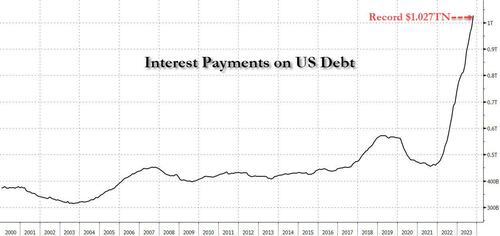
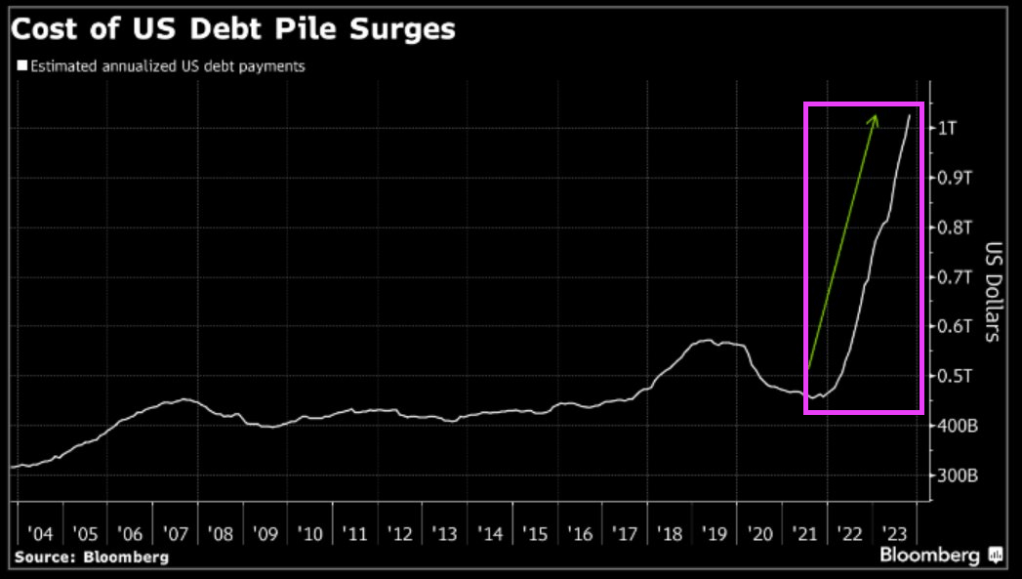
Remember, annual interest payments of the $33.8 TRILLION debt load is now over $1 TRILLION. Yes. rampant Federal spending begat inflation which begat Fed rate hikes.
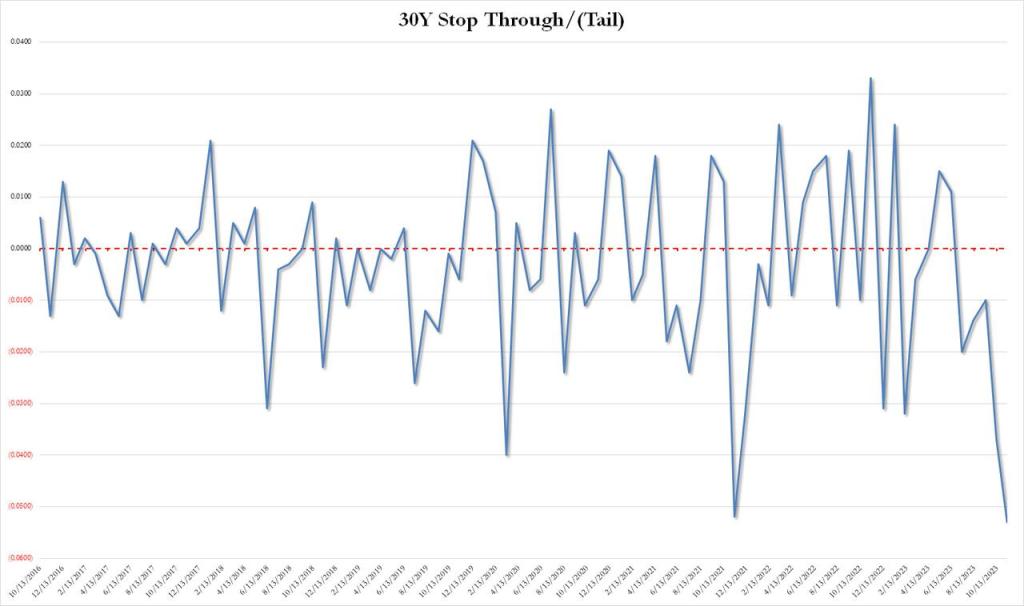
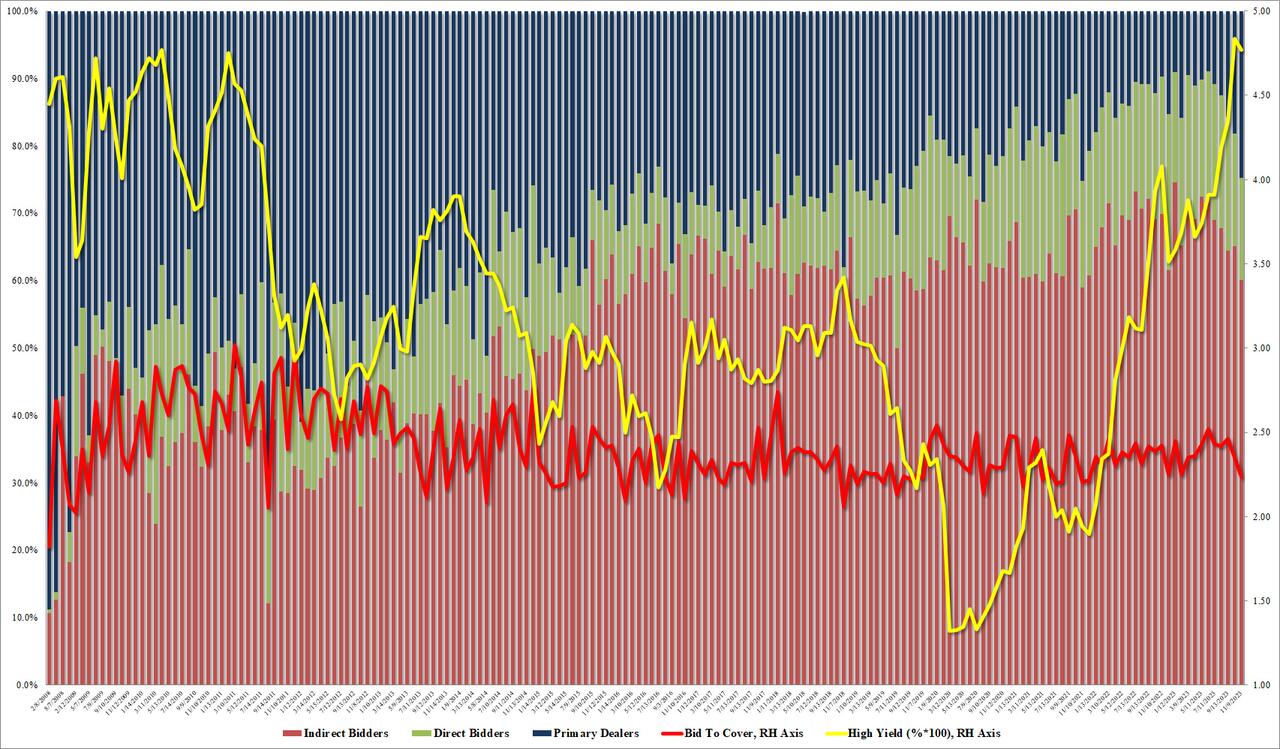
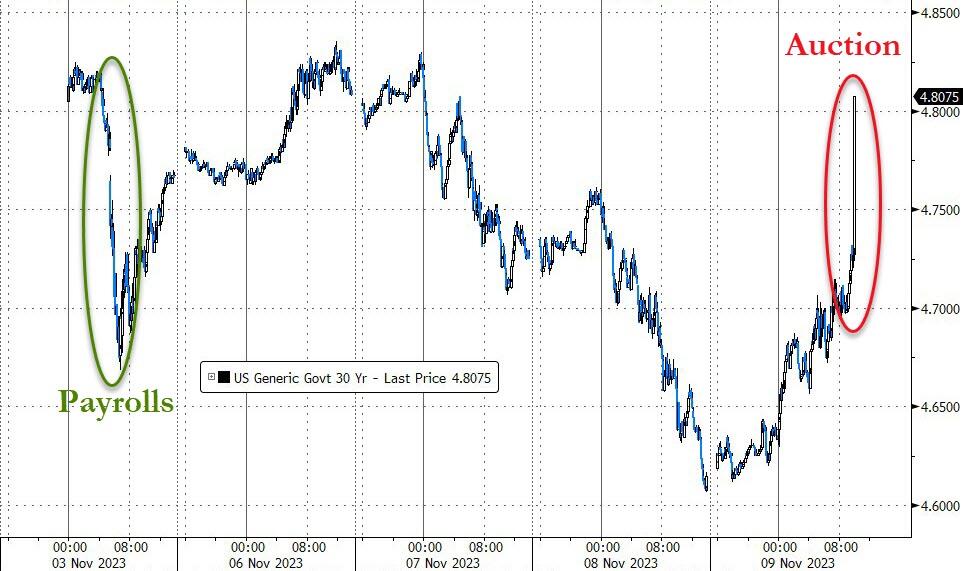
The bond priced at a high yield of 4.769%, which was below last month’s 4.837%, and just shy of the April 2010 high. But more importantly, it tailed the When Issued by a whopping 5.3bps, which was… well… terrible, because as shown in the chart below, this was the biggest tail on record (going back to 2016).
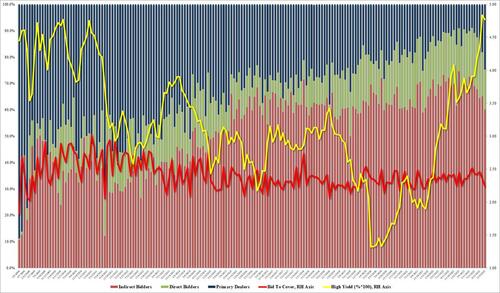
The bid to cover was just as bad: at 2.236 it was the lowest since Dec 2021.
The internals were even worse as foreign bidders (Indirects) tumbled from 65.1% to 60.1%, the lowest since Nov 2021, and with Directs taking down only 15.2%, banks (Dealers) were forced to step up and take the balance, or a whopping 24.7%, double the recent average of 12.7%, and the highest since Nov 2021.
This is a big warning flag because every time we have seen a surge in Dealer takedowns, some sort of Fed intervention – QE or otherwise – has usually followed and we doubt this time will be different.
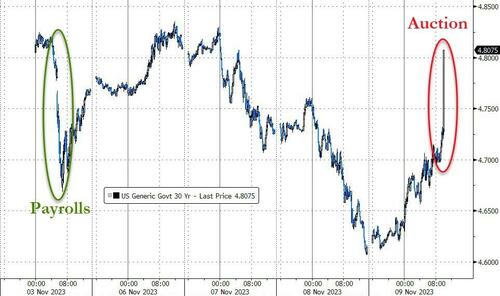
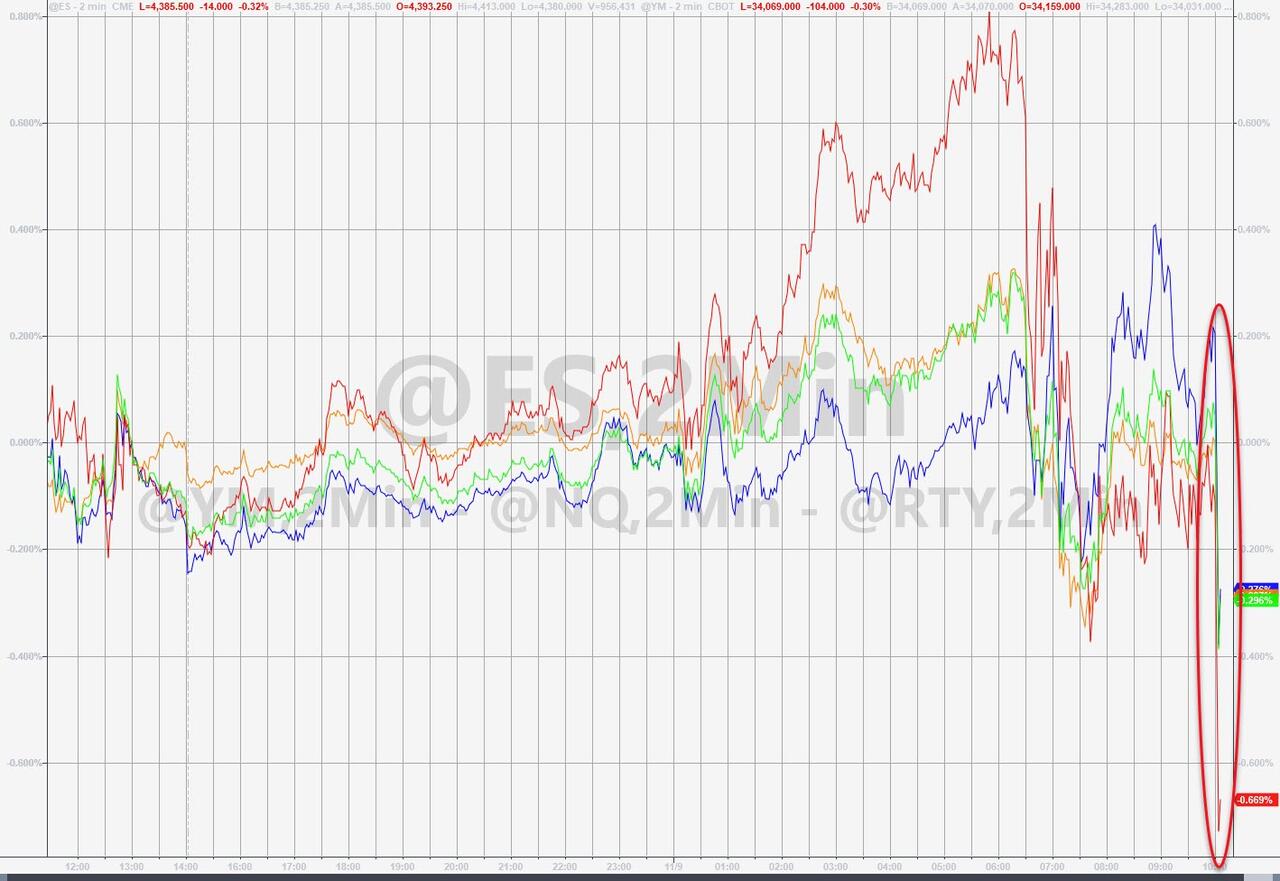
The market reaction to the catastrophic 30Y auction was immediately, sparking a swift and painful response across markets with bonds and stocks hammered lower and the dollar spiking.
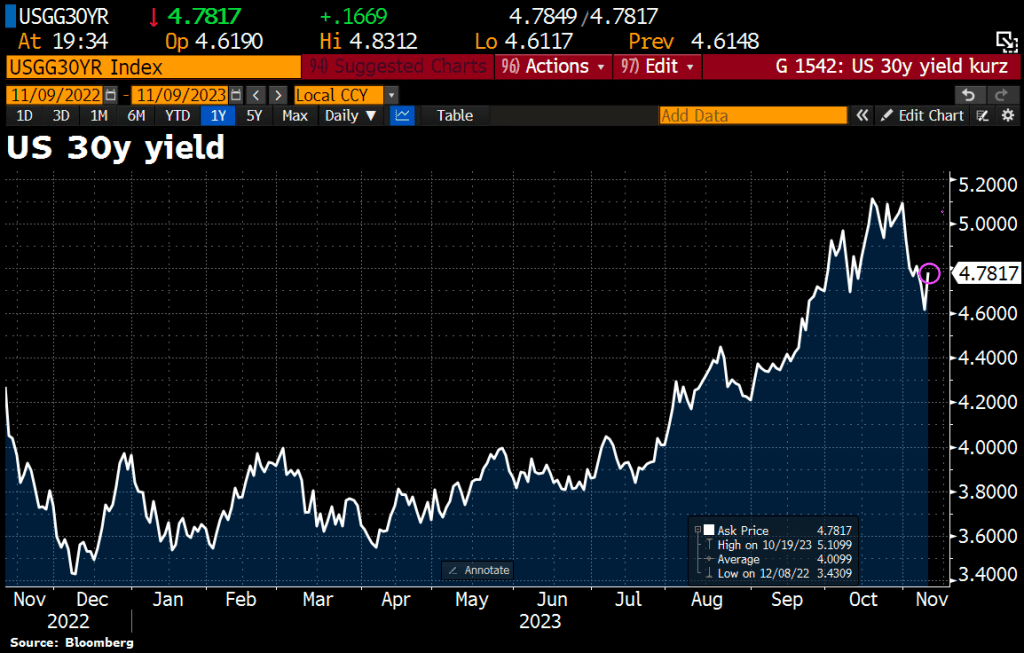
Treasury yields – as you would expect – exploded higher, with 30Y Yields back up to pre-payrolls levels…
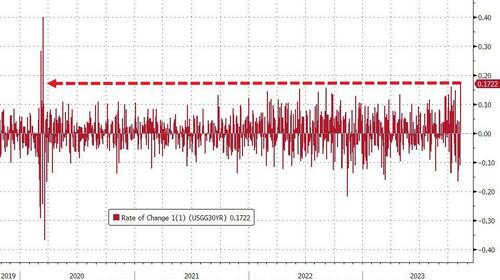
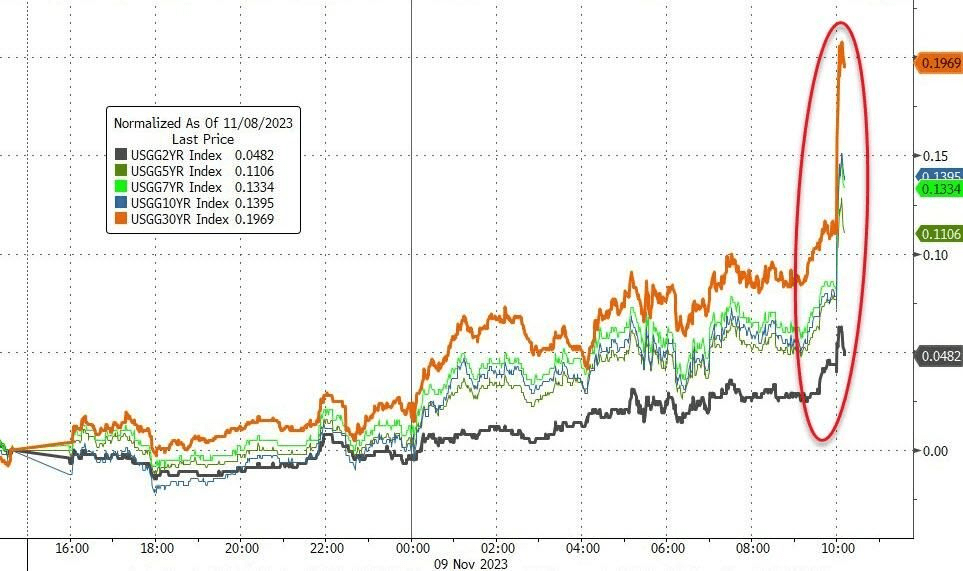
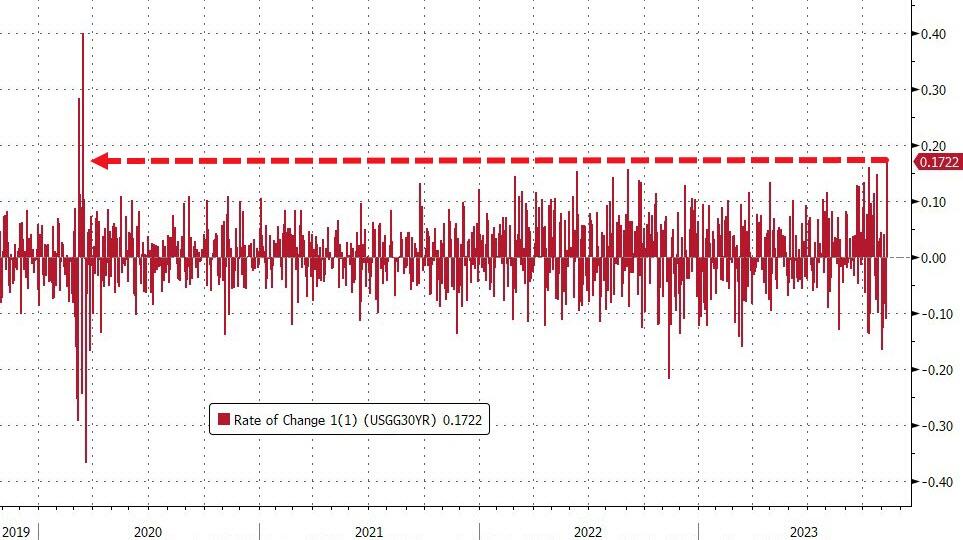
That is the biggest spike in 30Y yields since March 2020…
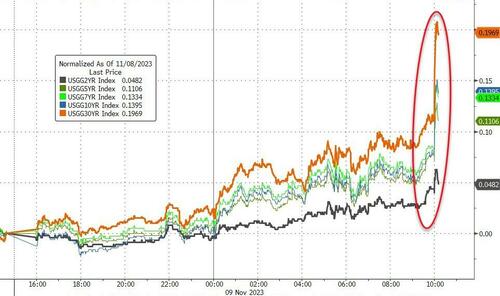
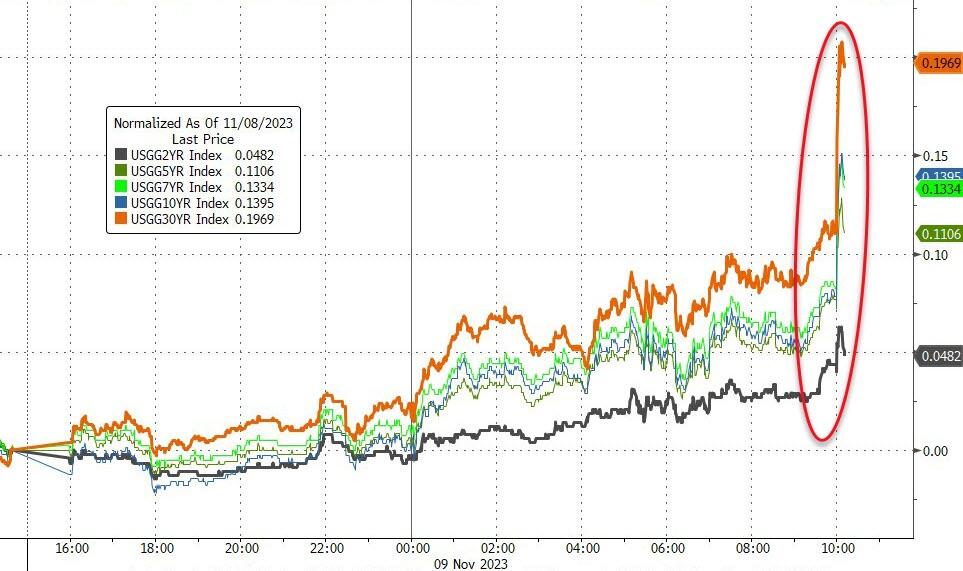
But the entire curve is higher in yields…
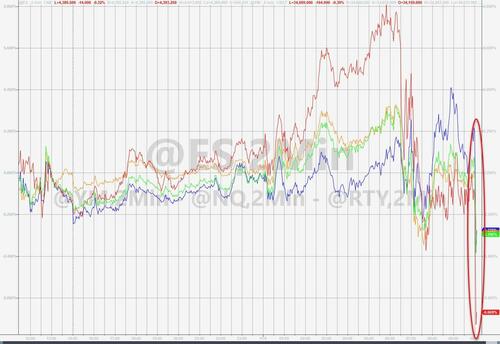
Stocks tanked…
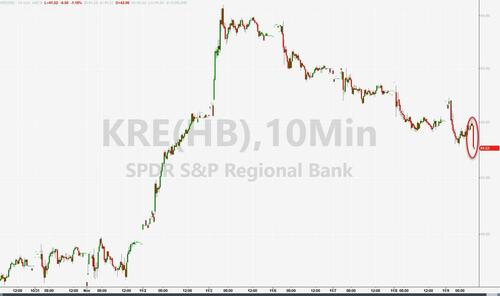
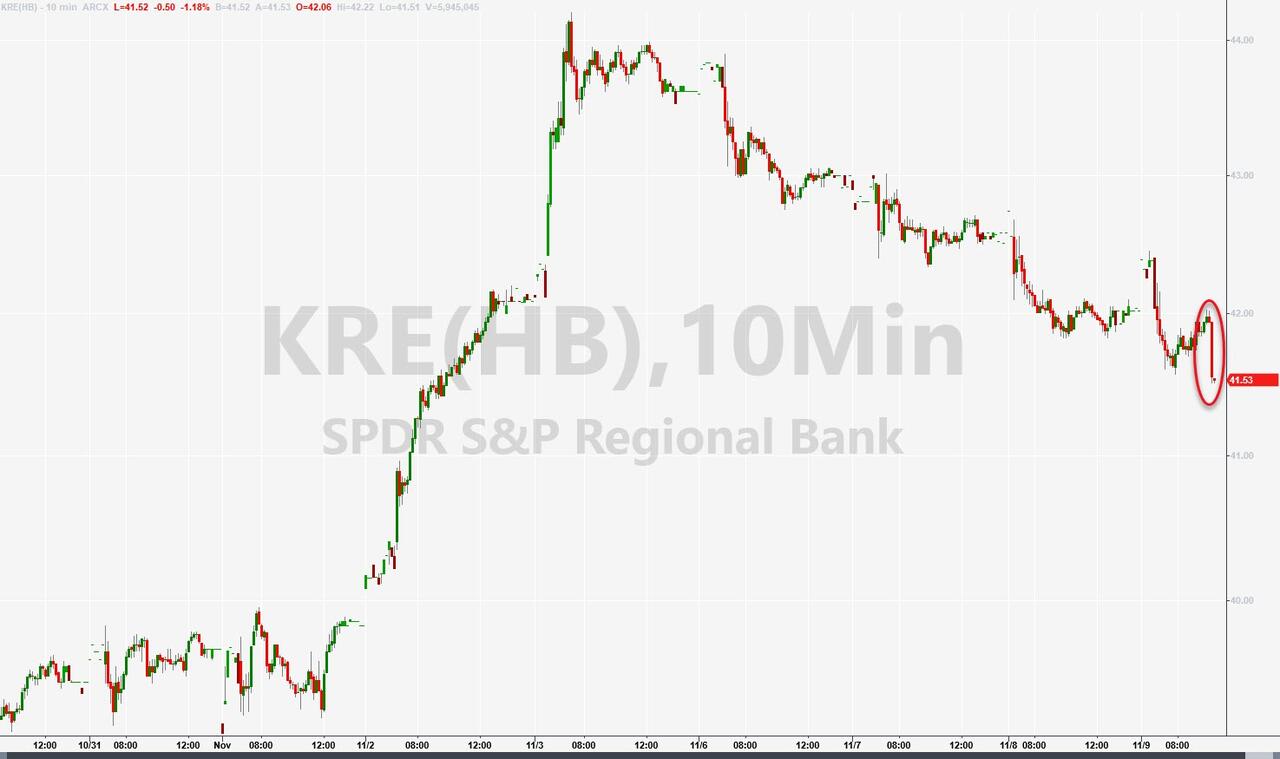
Regional bank stocks tumbled…
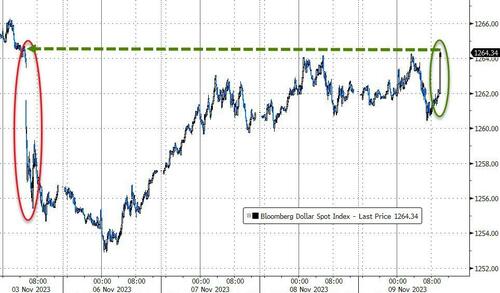
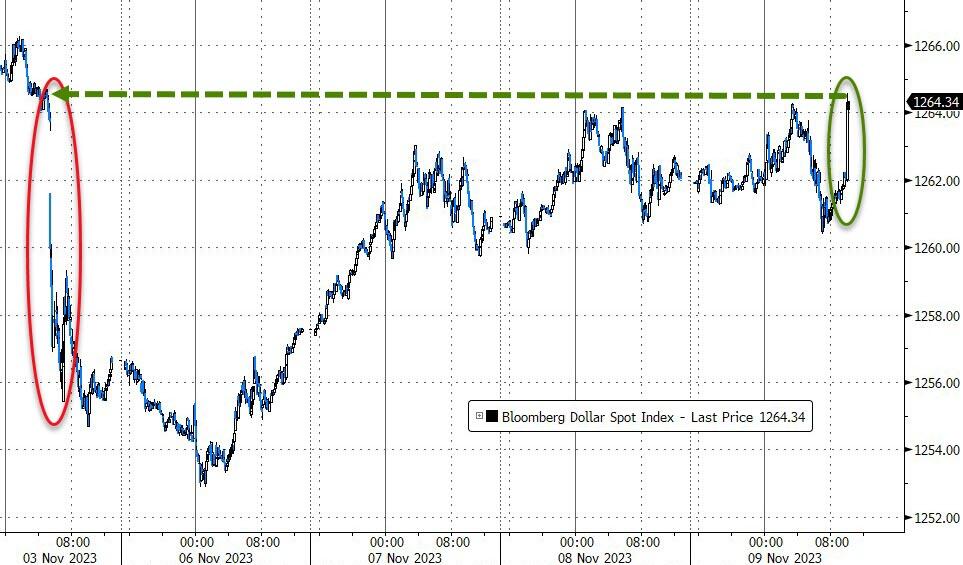
The dollar ripped back up to pre-payrolls levels…
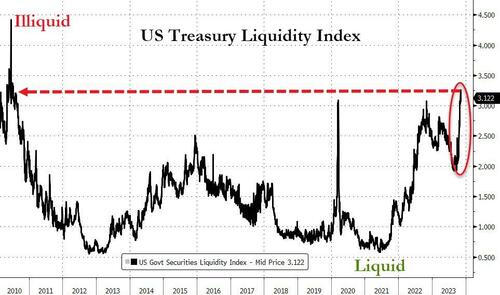
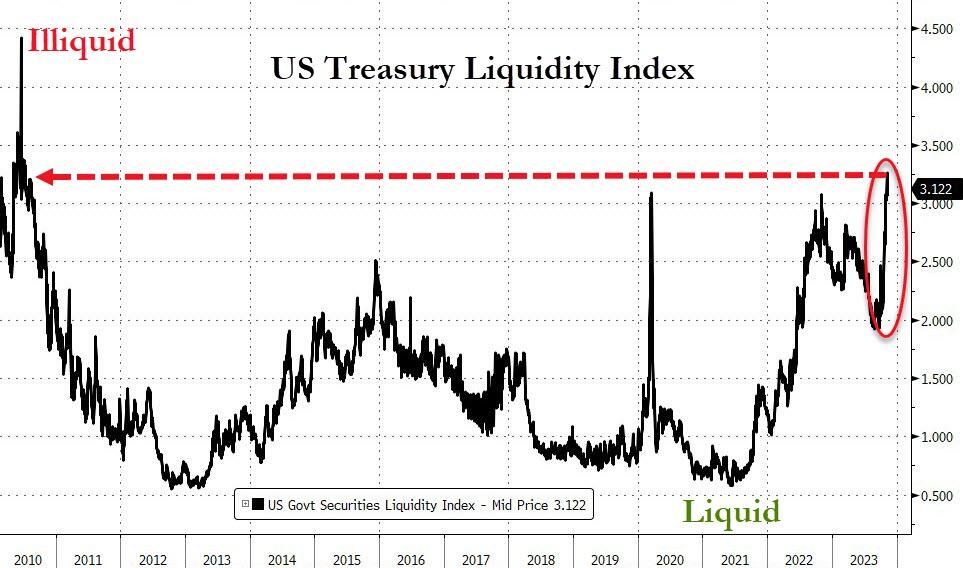
Finally, we note that this ugly auction comes as Treasury Liquidity is evaporating dramatically…
The Fed (and The Treasury) have a problem!! Particularly since the 30Y yield reversed course and is on the rise again.
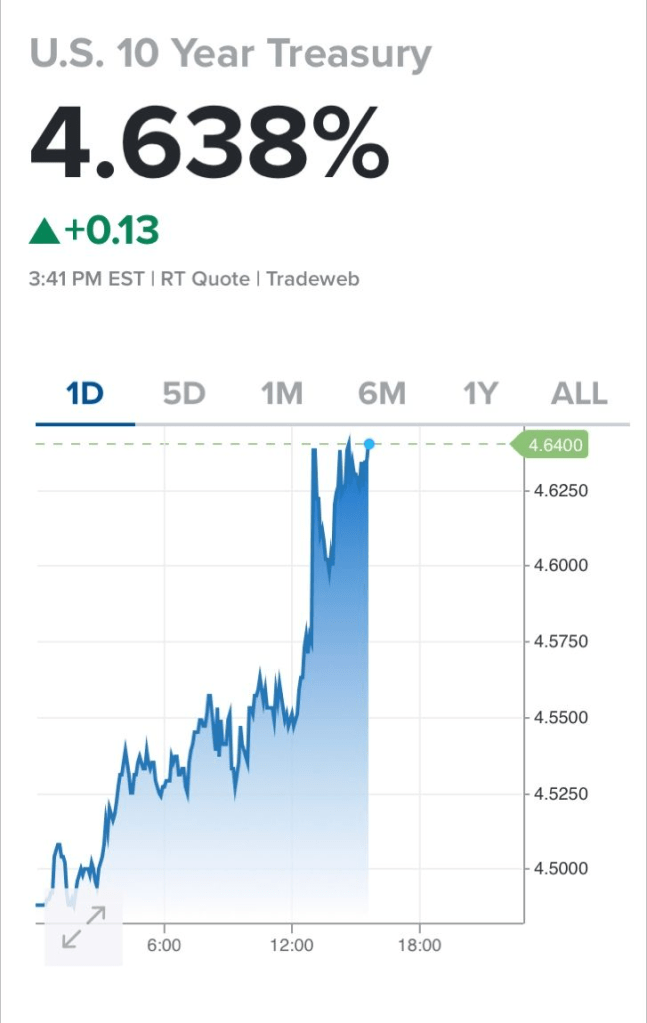
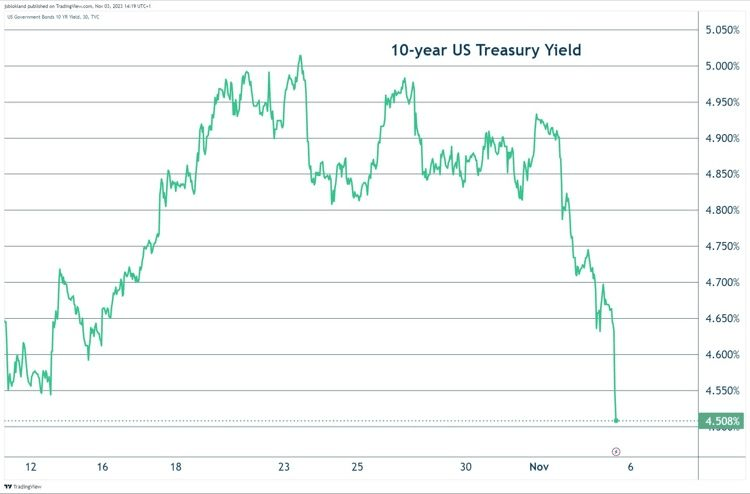
And at the 10 year tenor, the rate rose to 4.638%.
All together now!!
The Edmund Fitzgerald, symbolic of the US under Biden and Janet Yellen.
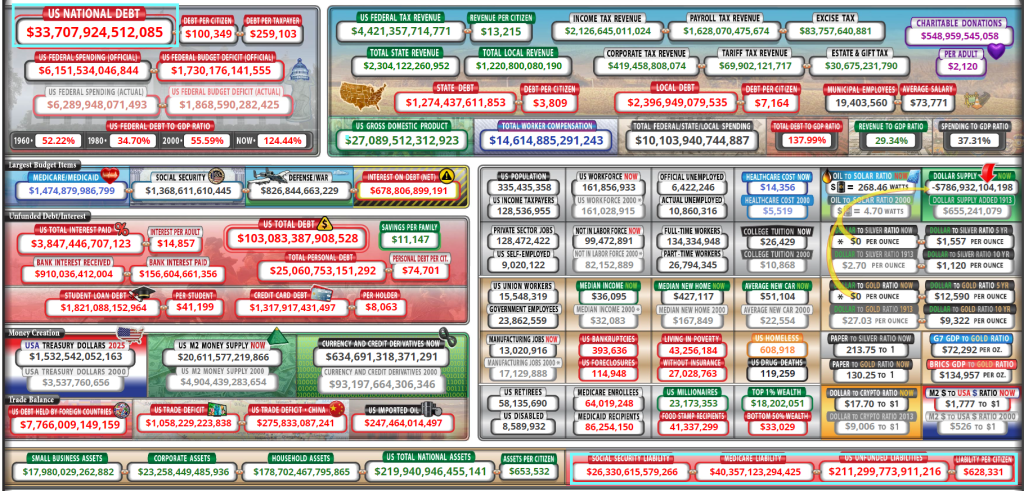
US Federal debt just hit $33.71 TRILLION. And unfunded liabilities (promises from Uncle Spam) are now $211 TRILLION. That is 526% of the the current debt load. Which means either lots of additional debt, higher tax rates or cuts in entitlements.
The cost of US debt continues to soars as The Fed combats Bidenflation.
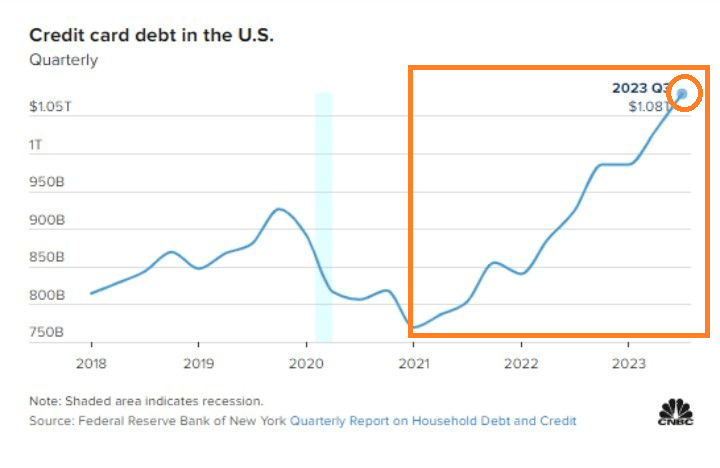
But it isn’t just Federal government debt that is exploding under Bidenomics. Consumer credit card debt has exploded under Bidenomics as consumer struggle with inflation.
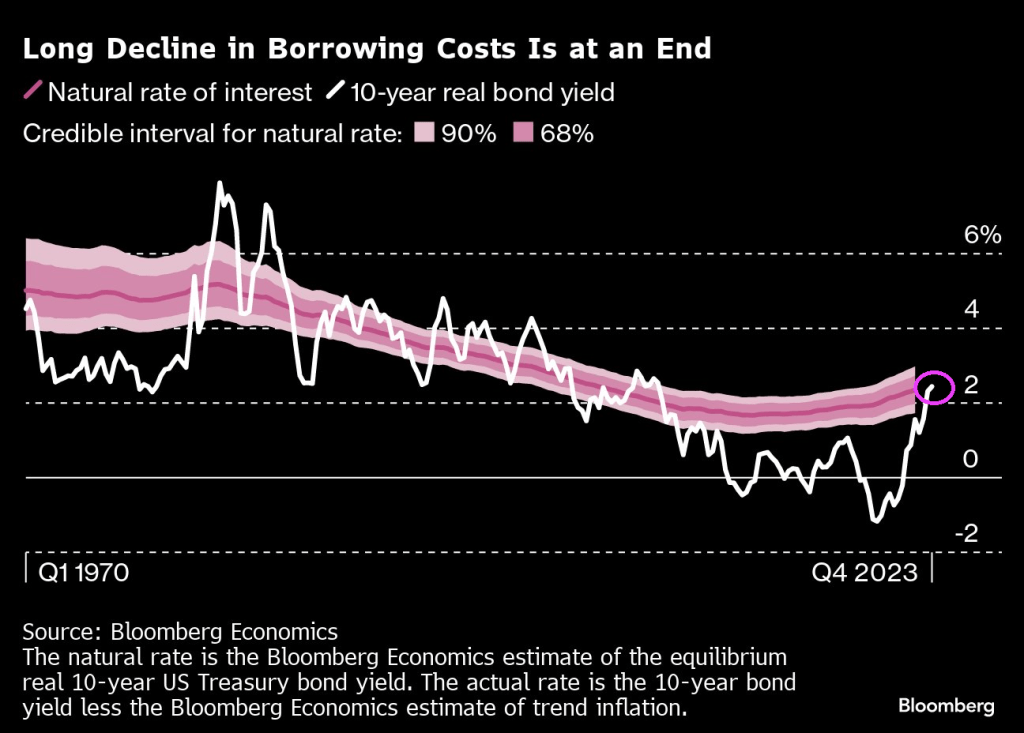
But on the middle class front, we can see “cheap rates” are a thing of the past as markets have to deal with Biden’s inflation problem and Fed rate hikes.
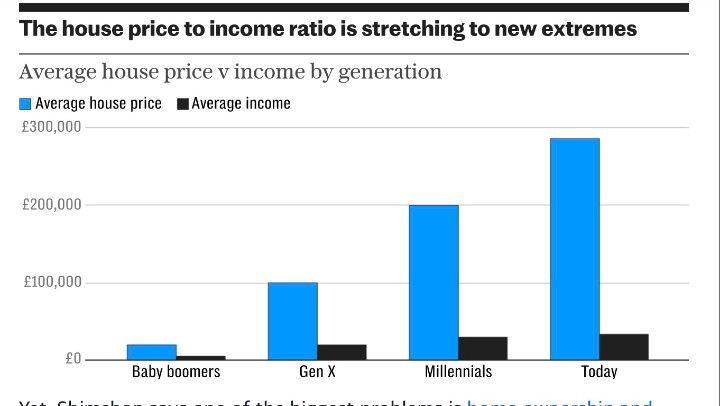
And with rising home prices under Biden, the house price to income ratio is out of control and causing pain for the middle class.
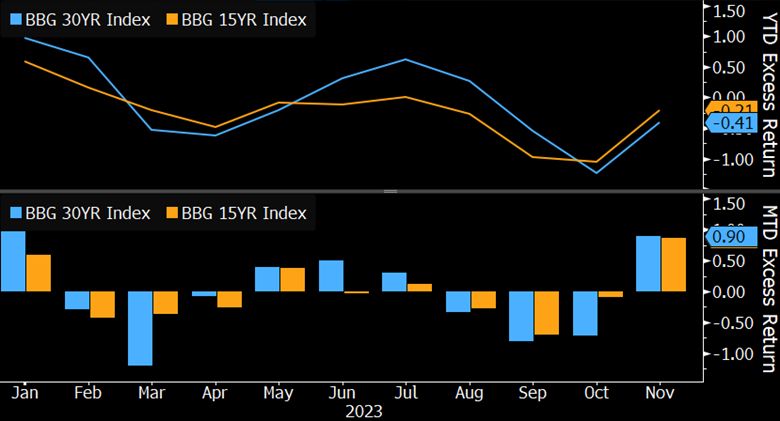
On the MBS front, we see negative returns.
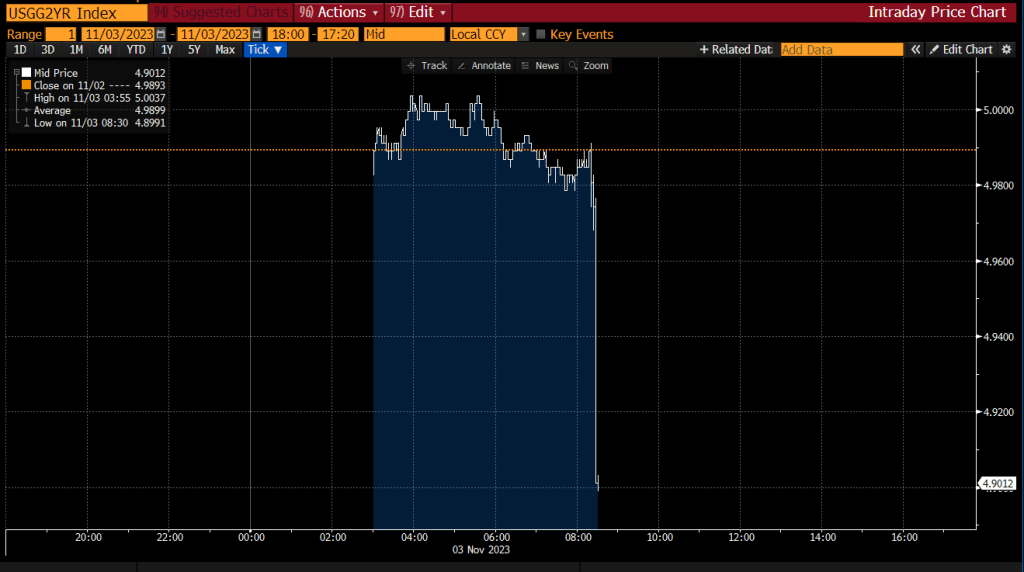
The 2-year Treasury yield is dropping faster than Biden’s polling numbers.
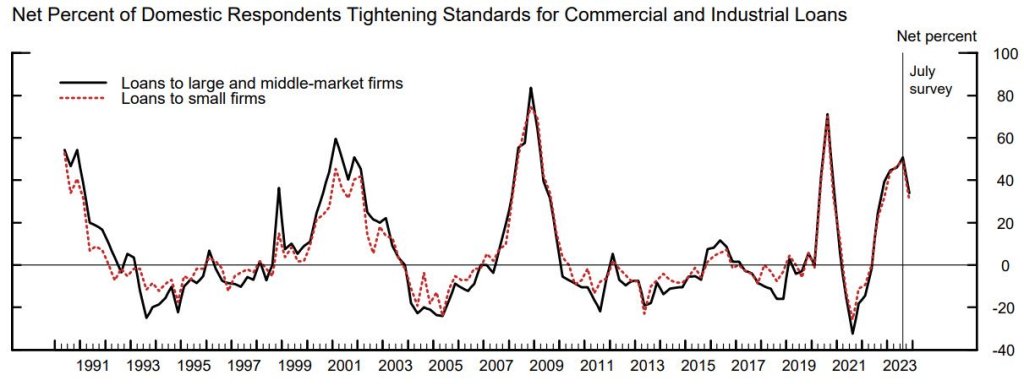
On the credit side, more lenders are tightening standards for C&I loans.
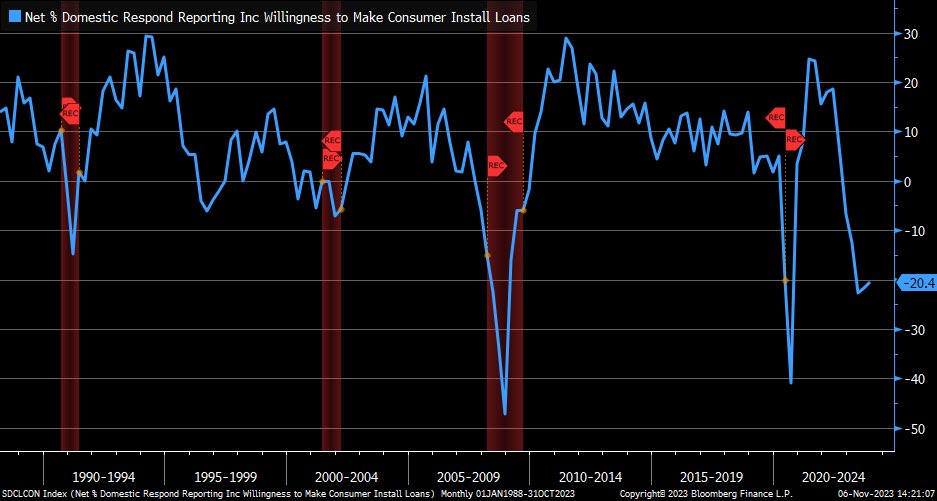
And banks remained restrictive in their willingness (or lack thereof) to make consumer loans, but there was a marginal improvement from prior release.
On the global front, Maersk announces plans to cut at least 10,000 jobs due to weakening global trade.
Here is a picture of Hinky Dink (Joe Biden) and Bathhouse Barry Soetoro. I mean Bathhouse John Coughlin, the Lords of the Levee.
No, this isn’t the tilt effect in the mortgage market where inflation is front-loaded in mortgage rates making mortgage payments quite unaffordable. Although inflation is causing mortgage rates to be up 174% under Biden (while Biden continues to brag about how Bidenomics is helping). Meanwhile, the 10Y Treasury yield is up 402% under Biden (making refinancing the US staggering debt load more difficult to refinance. Higher mortgage rates tilt the present value of mortgage payments to the front, making housing even more unaffordable. Thanks Joe!
But the Tilt effect I am talking about is the TLT effect. TLT (iShares US Treasuries 20y+ ETF) calls. Friday was the largest TLT call volume ever.
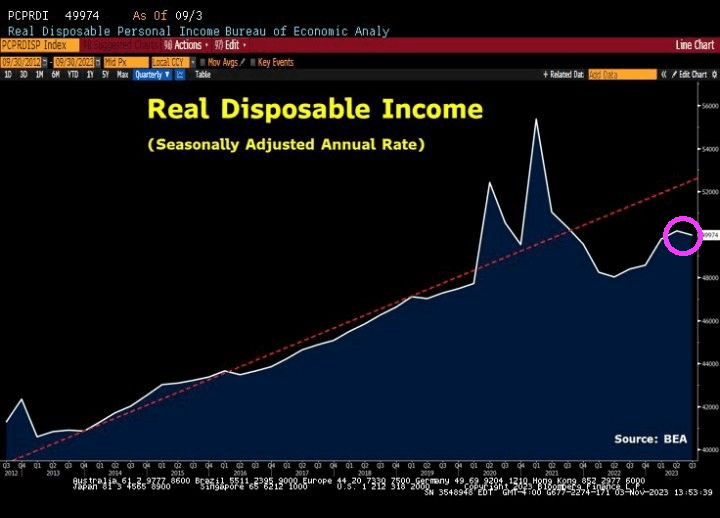
Meanwhile, US real disposable income is declining.
Call it “The Rich Men North Of Richmond” economy. Where the coastal elites drive the US economy off the cliff with insane spending and borrowing with much of the benefits flowing to big political donors, not the middle class. Think of Span Bankfraud Parboiled as an example.
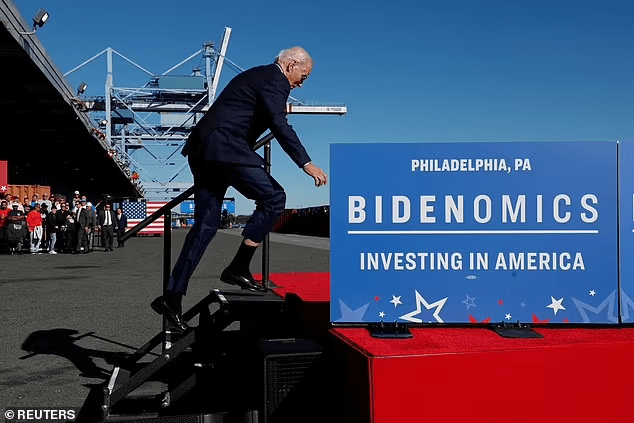
President Biden loves to spend billions and go on endless vacations (he is in Rehobeth Beach Delaware yet again). He (illegally) forgave student debt, keeps spending billions on Ukraine and keeps spending on failed green energy nightmares.
Biden and his allies will tout the latest GDP numbers as an example of how marvelous Bidenomics is. BUT that GDP report was driven largely by consumer spending.
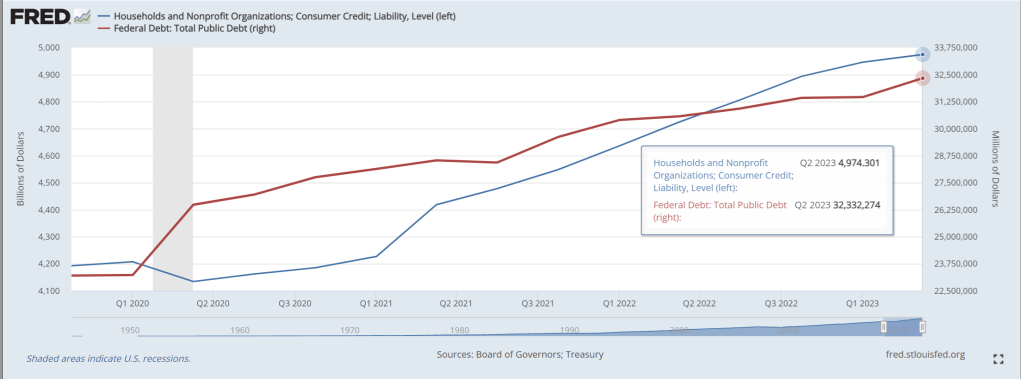
Since the Covid outbreak in 2020, Federal (public) debt is up 45%! Wow. And consumer debt is up 19% under Biden to cope with inflation (caused primarily by massive Federal spending).
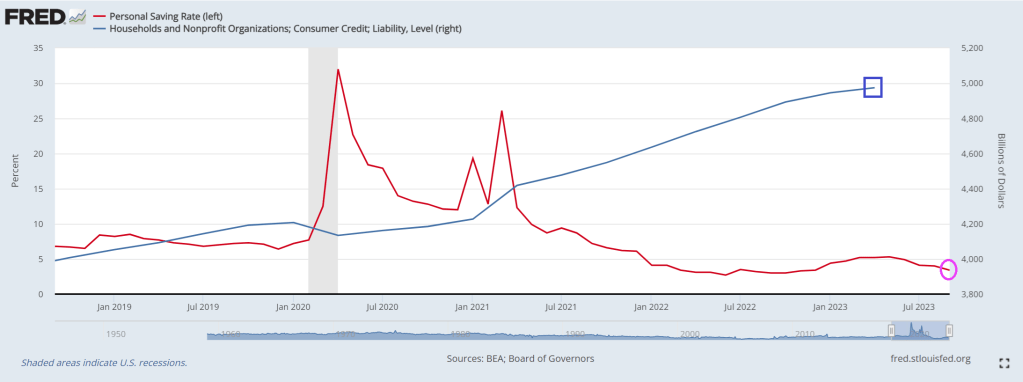
To fuel consumer spending, the personal savings rate has fallen to 3.4%. For point of reference, the personal savings rate in Februray 2020 was 7.7%, so the consumer is running out of gas thanks to inflation and spending.
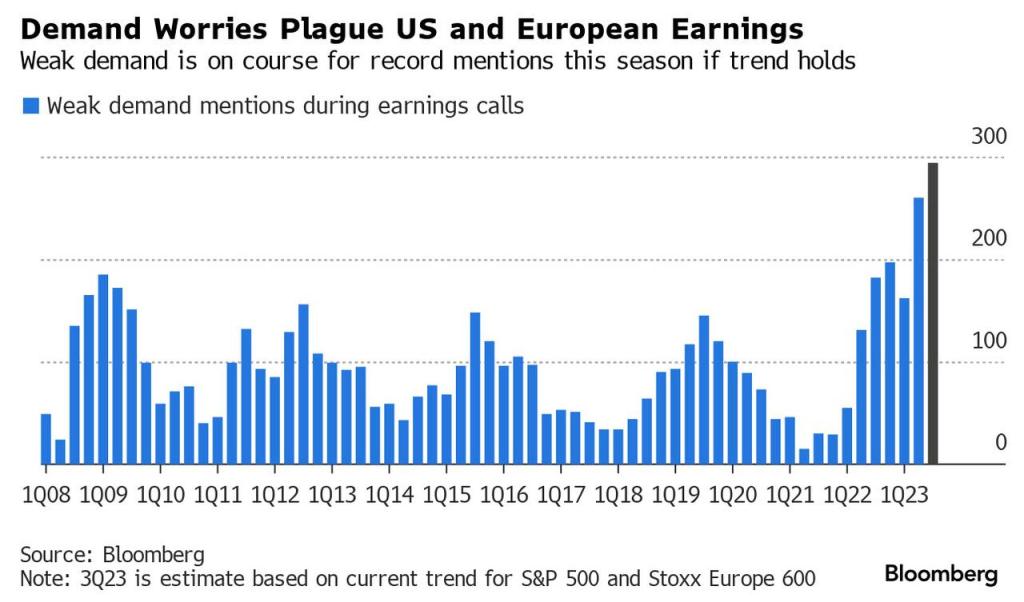
And with a debt-stressed consumer, earnings call revealed concern about continued demand.
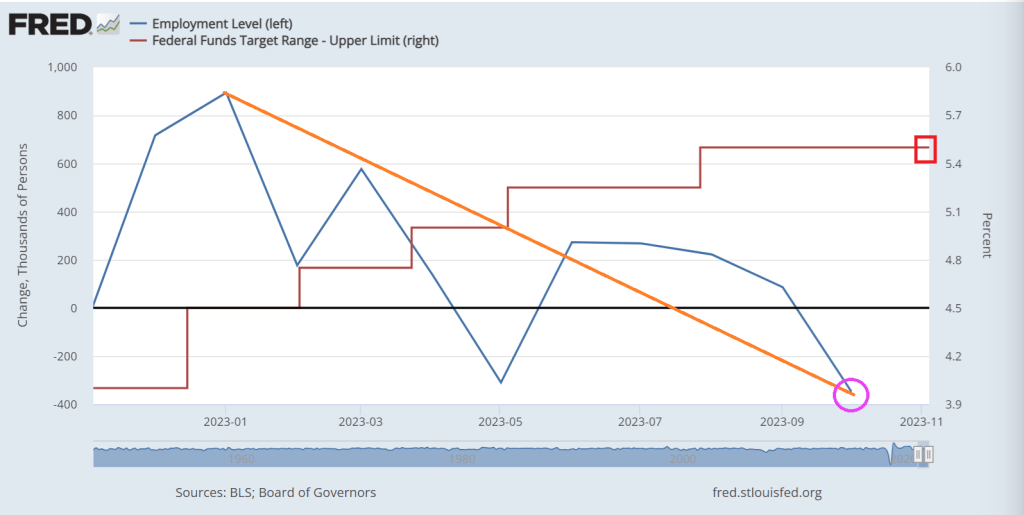
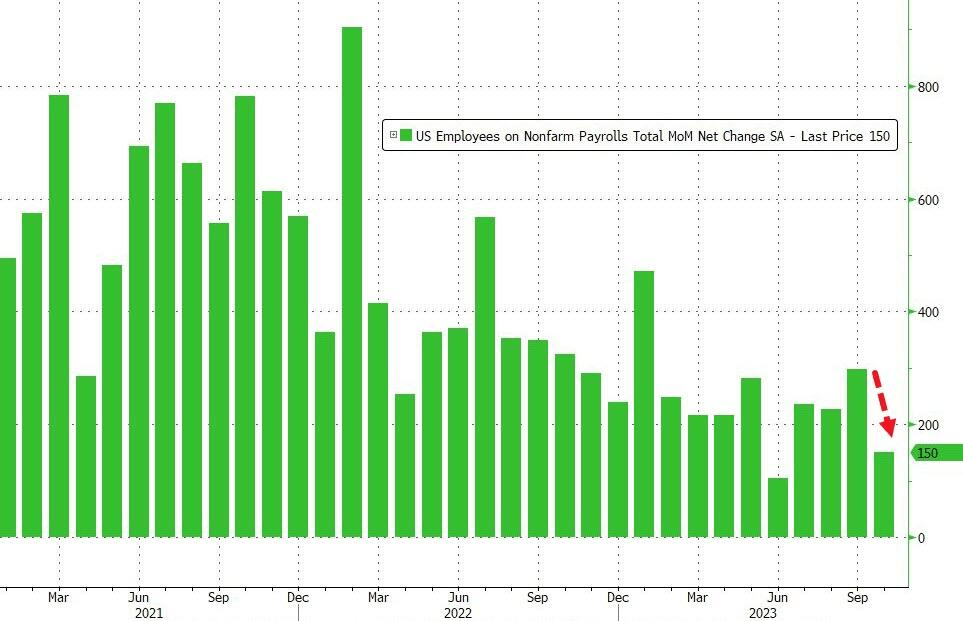
Note the trend in jobs added as The Fed tightened to fight inflation.
In October, job gains occurred in health care, government, and social assistance. Employment in manufacturing declined due to strike activity. (See table B-1.) Health care added 58,000 jobs in October, in line with the average monthly gain of 53,000 over the prior 12 months. Over the month, employment continued to trend up in ambulatory health care services (+32,000), hospitals (+18,000), and nursing and residential care facilities (+8,000). Employment in government increased by 51,000 in October and has returned to its pre-pandemic February 2020 level. Monthly job growth in government had averaged 50,000 in the prior 12 months. In October, employment continued to trend up in local government (+38,000).
In October, construction employment continued to trend up (+23,000).
So, unproductive government jobs increased by 51k while productive construction employment grew by only 23k.
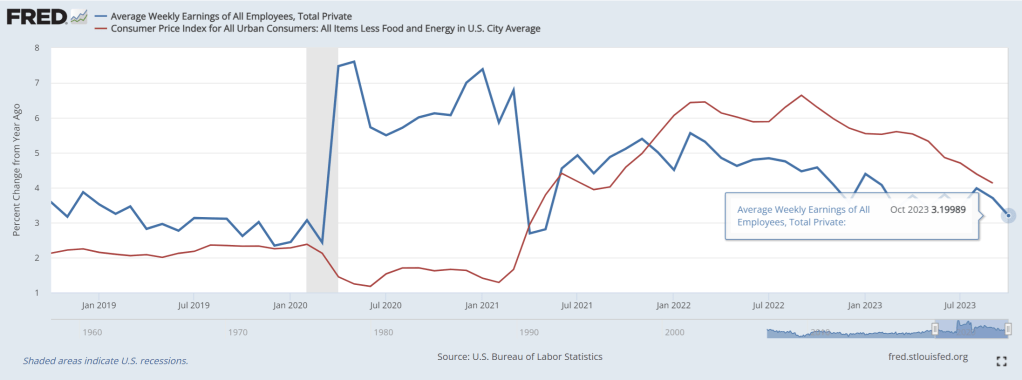
Average weeky; earnings growth YoY slowed to 3.2%. Too bad core inflation last printed at 4.13% YoY in September.
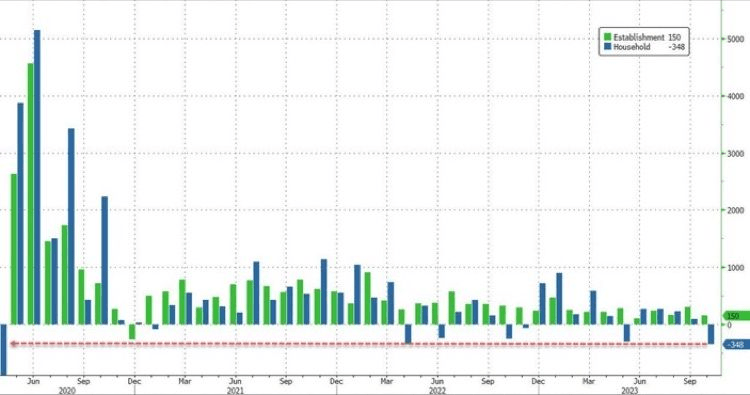
But the household survey shows employment collapsed by 348K, the biggest drop since the Covid shutdown.
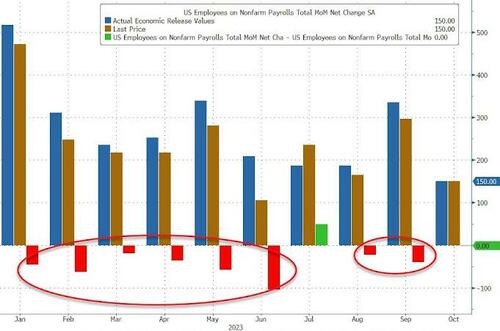
As usual, historical data was revised massively lower, with the jobs change for August revised down by 62,000, from +227,000 to +165,000, and the change for September was revised down by 39,000, from +336,000 to +297,000. With these revisions, employment in August and September combined is 101,000 lower than previously reported. In total, 8 of the past 8 months have been revised sharply lower in what only idiots can not see is clearly mandated political propaganda designed to make the economy look stronger at first glance then quietly revise the growth away.
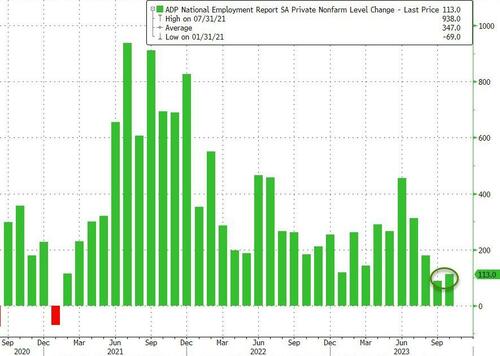
Analysts’ expectations were for a rise to +150k job additions in October, but for the 3rd straight month, ADP disappointed with a +113k print (+150k exp).
But, October saw the 13th straight month of declines in wage growth – to the weakest growth levels since Q3 2021. Job stayers saw a 5.9 percent year-over-year pay increase in September, marking the 12th straight month of slowing growth. Pay gains also shrank for job changers, to 9 percent, down from 9.7 percent in August.

















You must be logged in to post a comment.